
We all have that one friend who “knows cars.” They’ll swear by all sorts of habits, claiming that skipping them will blow your engine. But they’re wrong. A lot of those tips just drain your wallet without giving you anything beneficial for it. Here are fourteen car care myths that you shouldn’t believe. Which one have you fallen for before?
Featured Image Credit: Shutterstock.
Oil must be changed every 3,000 miles

The rule of changing your oil every 3,000 miles hasn’t mattered in years. Modern oils & engines are built to last way longer, usually 5,000 to 7,500 miles, or whatever your dashboard reminder says. Sticking to that outdated schedule only leads to more visits to the shop. And less money in your pocket.
Long idling warms the engine “the right way”

Sure, idling used to make sense. But new engines don’t need to warm up like that, and idling just wastes gas & wears down parts. You should start it and give it a few seconds. Then, go easy for the first few minutes, as this will save you fuel instead of letting it burn while you’re in the driveway.
Nitrogen-filled tires save big money

Paying extra for nitrogen may sound fancy, but it doesn’t save much. Nitrogen does leak a little slower, yet checking your tire pressure monthly (like you should) means that the difference is barely noticeable. Air is already about 78% nitrogen anyway. Essentially, you’re mostly paying for a sticker on the valve cap, and that’s just a pure waste of money.
A dirty engine air filter wrecks MPG on modern cars
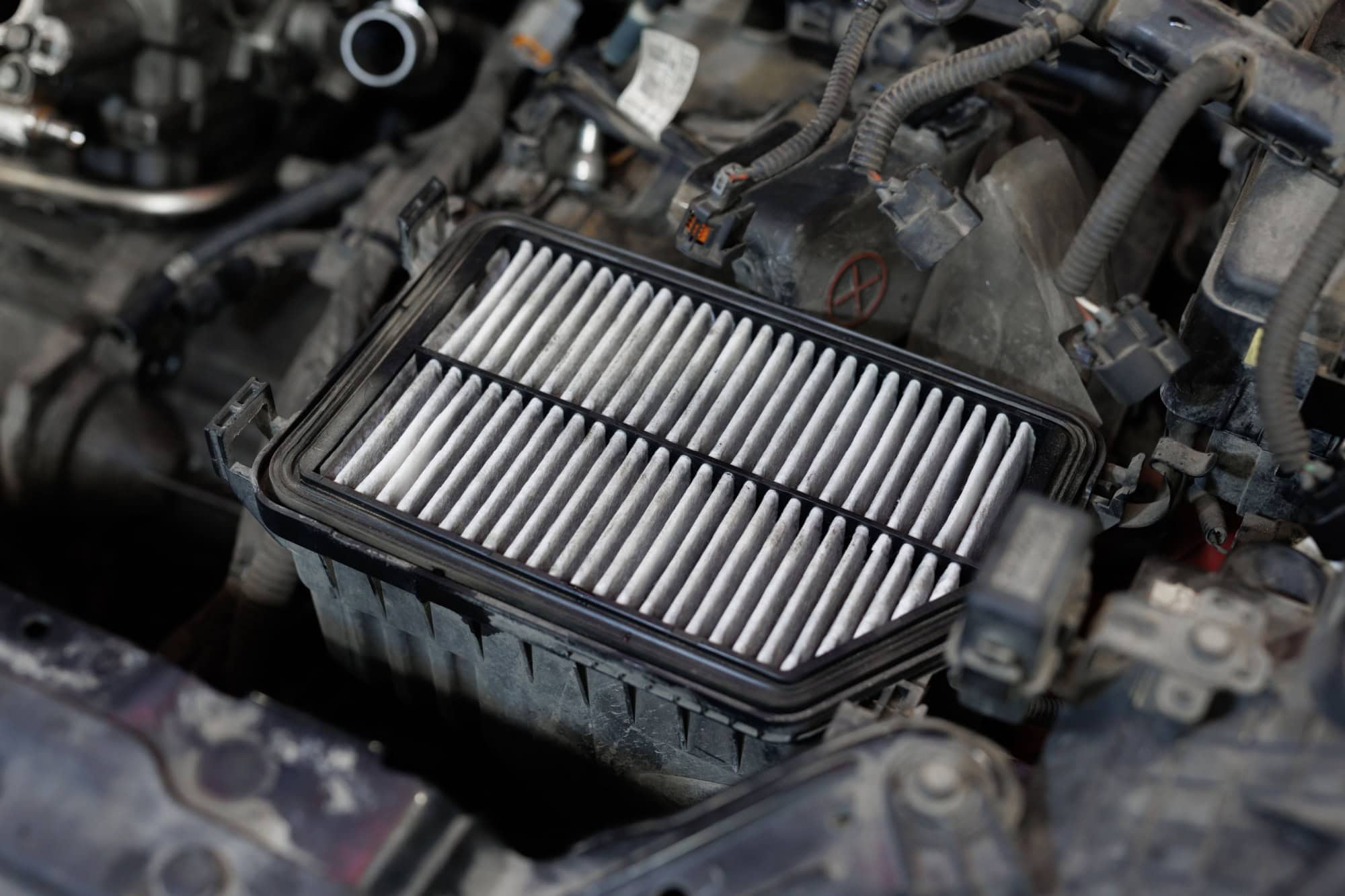
Swapping your air filter too early won’t magically make your mileage any better. Today’s fuel systems automatically adjust airflow & fuel mix, so unless it’s really clogged, your MPG won’t budge. It may affect acceleration a little. But your gas bill won’t notice the difference, so you may want to avoid it.
Inflate tires to the number on the sidewall

That big PSI number stamped on the car tire is the maximum it can hold, not what your car actually needs. The correct pressure is printed inside your driver’s door. Overinflating makes the ride harsh & wears tires unevenly, which will cost you more in the long run. As such, you should stick with the door sticker.
Bottled “gas savers” and octane boosters pay off

Gas stations love to sell “fuel boosters” that promise better mileage or power. However, most of them don’t deliver, and regular Top Tier gas already has the cleaning additives that your car’s engine needs. Simply including those miracle liquids is more likely to lighten your wallet than improve performance.
Buying gas in the cool morning gives you more

You’ve probably heard to fill up early before the gas expands in the heat. It’s a nice idea. But totally pointless. Your car’s fuel sits in underground tanks that barely change temperature & whatever the time of the day, you’re getting the same amount. Filling up in the morning isn’t any better for your car.
Rotate tires at every oil change, no matter what

Some places rotate your tires every single time you change oil, claiming that it’s good for your vehicle’s performance. Yet that’s overkill. Most cars only need a rotation every 5,000 to 8,000 miles, or whenever your manual says so. Doing it too often doesn’t make them last longer and will only cost you more.
Annual wheel alignments are routine maintenance

A lot of drivers think alignments are something you need to do each year, like a dental checkup. That’s wrong. Unless your car pulls to one side, the steering wheel’s off-center, or you’ve hit something nasty, it’s not needed, and most manufacturers don’t list yearly alignments anywhere. It’s just an extra expense that you could do without.
Power-steering fluid flushes apply to every car

The majority of new cars don’t have hydraulic power steering anymore, as they use electric systems now. These don’t require any fluid or flush. Unfortunately, some people still think they need to pay for that service on an electric setup, which is just like paying for an oil change on a Tesla. You should always check what your car actually has first.
Bigger aftermarket air intakes always improve performance

Mechanics hype cold air intakes as though they’re instant upgrades. The truth is, factory setups already move enough air for what the engine needs, and swapping in an aftermarket one could throw off the sensors that control the air-fuel mix. You may even end up with a check engine light. Unless your car’s tuned for it, you’ll barely notice any extra power & may burn more gas.
Turning off the A/C saves gas on the highway

Everyone’s heard the trick about killing the A/C to save a little fuel, which does help a bit in stop-and-go traffic. But once you’re cruising, those open windows work against you. The airflow causes drag to increase, which kills whatever savings you thought you were getting and could make your car less efficient. You’re better off staying cool & comfortable.
Waxing your car makes it go faster and use less gas

Waxing your car is great for keeping the paint looking sharp & protected from the sun. But despite the myth, it doesn’t change how fast you go or how much gas you burn. The idea that smooth paint makes it slice through the air isn’t true. Any differences are too small to measure, so wax for shine, not speed.
Thicker motor oil always gives better protection

A lot of people pour in heavier oil because they think it’s tougher on wear. What really happens is the engine has to push harder to move that thick stuff around, which lowers your fuel economy & even reduces lubrication in tight spaces. Always choose the kind of viscosity listed in your manual.
Sources: Please see here for a complete listing of all sources that were consulted in the preparation of this article.
Like our content? Be sure to follow us.