

For every useful and fun fact, there are over a dozen more that you wish you’d never actually learned.
Your eyelashes may have mites crawling around their roots
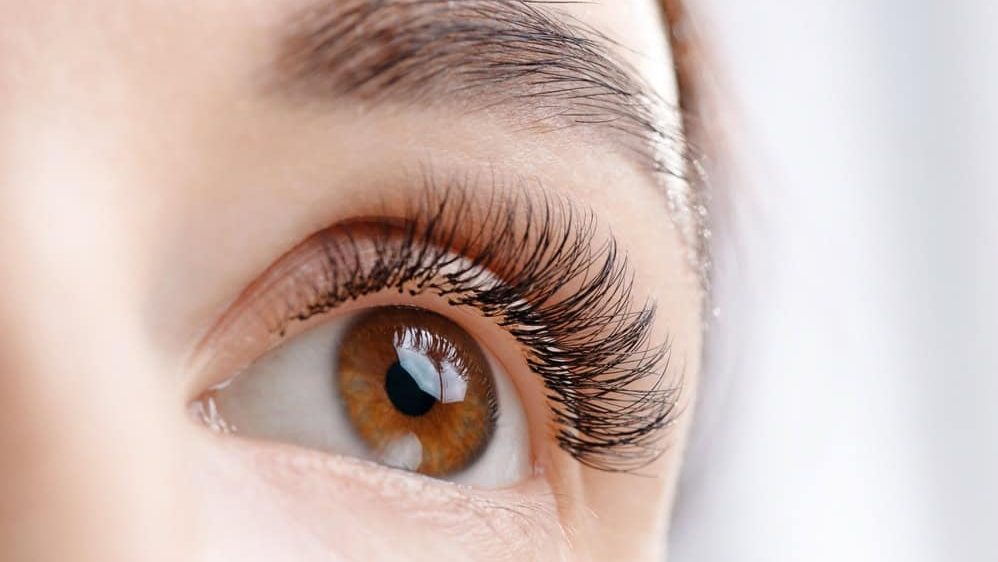
You might think that your eyelashes are only hairs. But not quite. There are actually tiny Demodex mites living around the roots, and they’re most active at night. They feed on the oils and material inside the follicles. They’ll also wander across your skin while you’re sleeping.
It’s not like you’ll notice them or anything, they’re pretty much harmless. They’re only a problem when too many gather in one place, as they can leave waxy debris around the lashes. So, yes, your itchy eyelids when you wake up could be caused by something pretty gross.
Whatever was in a toilet may still be there after many flushes

It doesn’t matter how completely clean a toilet bowl might look. The truth is, lab tests prove that it’ll still hold leftovers from what was flushed away, even after hundreds of flushes. That includes bacteria and viruses, along with other nasty stuff.
That’s not even the end of it because flushing sends tiny droplets of whatever’s in the toilet into the air. These’ll then go onto nearby surfaces. Next time you flush, make sure you close the lid, unless you want everything in there getting out.
Peanut butter can legally contain insect fragments

Insects in food are more common than you think. Take peanut butter, for example, it’s not legally required to be totally free of insect material because the FDA knows that’s impossible. They allow an average of fewer than 30 insect fragments per 100 grams.
The good news is that those pieces are microscopic and not anything you’ll be able to see with your naked eyes. They can get in during the growing or storage stages. Sometimes they get in during processing, too, but either way, crunchy peanut butter now feels pretty different.
Flour may contain insect fragments and rodent hair

It’s a similar issue with flour. FDA guidance says that wheat flour can have an average of less than 75 insect fragments per 50 grams and one rodent hair per 50 grams. Yes, rodent hair. It’s all because wheat spends a long time moving through fields and silos, as well as trucks and mills.
Getting out every microscopic speck isn’t realistic. So, the FDA allows some to remain, just so long as it doesn’t go over that limit. You’ll never look at a bag of flour in the same way again.
Tapeworm larvae can enter the eyes, muscles, or brain

Most people think of tapeworms as being something that only hurt your gut. The truth is, they can go far beyond the intestines, and they can actually travel through your bloodstream. That means they can form cysts in muscles or the eyes. They can get into your spinal cord or brain, too.
A brain infection is just as bad as it sounds, and it may cause things like seizures, headaches, confusion, or fluid buildup. But by far the worst part is the delay. You might not even notice any symptoms of an infection until months or even years after the original infection. How scary.
After death, your own microbes help consume you from within

Death. It’s not exactly a pleasant topic, and here’s a fact that only makes it worse. Your death gives freedom to billions of microbes in your body, as oxygen starts to disappear and the immune system stops working. The bacteria from your digestive tract then start to spread.
They get into your tissues and organs, basically anywhere it wouldn’t normally reach. They then begin breaking down practically anything they can find from the inside. That’s the cause of bloating in dead bodies, along with those nasty smells.
Your pet may begin eating you shortly after you die

It’s not just the inside you have to worry about when you die, however. A lot of pets are happy to start feeding on their dead owner, even when they’re not hungry. Forensic reports have described cats and dogs starting to eat while they had ordinary food nearby.
The most common areas to eat are the face and neck, along with the hands. It’s probably because they’re so exposed. Still, it’s not exactly a comforting thought that our furry friends don’t wait around to start munching.
Medication errors are not rare freak accidents

It’s scary, but it’s true. Medication mistakes happen a lot more often than many people think, and they usually occur in far more ordinary ways than most of us expect. A doctor can prescribe the wrong dose. A pharmacist can hand out the wrong strength.
These kinds of mistakes are way too easy to make because, well, medical staff are only human. That doesn’t make the effects of these mistakes any less harmful. The World Health Organization estimates medication-related mistakes affect about one in 30 patients.
A person can be fully conscious but unable to move or speak

Locked-in syndrome is by far one of the worst kinds of medical conditions someone can suffer. It’s as bad as it sounds. You’re fully conscious, but you’re unable to move or speak, even changing your expression is impossible.
It happens when damage to part of the brainstem leaves thinking and awareness intact, yet stops any kind of voluntary movement. Some sufferers have still been able to blink or move their eyes. They’ve had to use that to communicate through coded responses. But most sufferers aren’t that lucky.
A fatal brain disease can be caused by a misshapen protein

Not every brain disease needs a living germ to be so deadly. Enter prion diseases. These are caused by proteins in living organisms that fold into the wrong shape, causing other normal proteins nearby to start folding badly, too.
It becomes a chain reaction that’s impossible to stop. Creutzfeldt-Jakob disease is a good example, it causes all kinds of neurological problems that lead to patients dying within a year of detection. No virus, no bacterium, just a protein behaving the wrong way. Pretty terrifying stuff.
Cockroaches sometimes get stuck in people’s ears
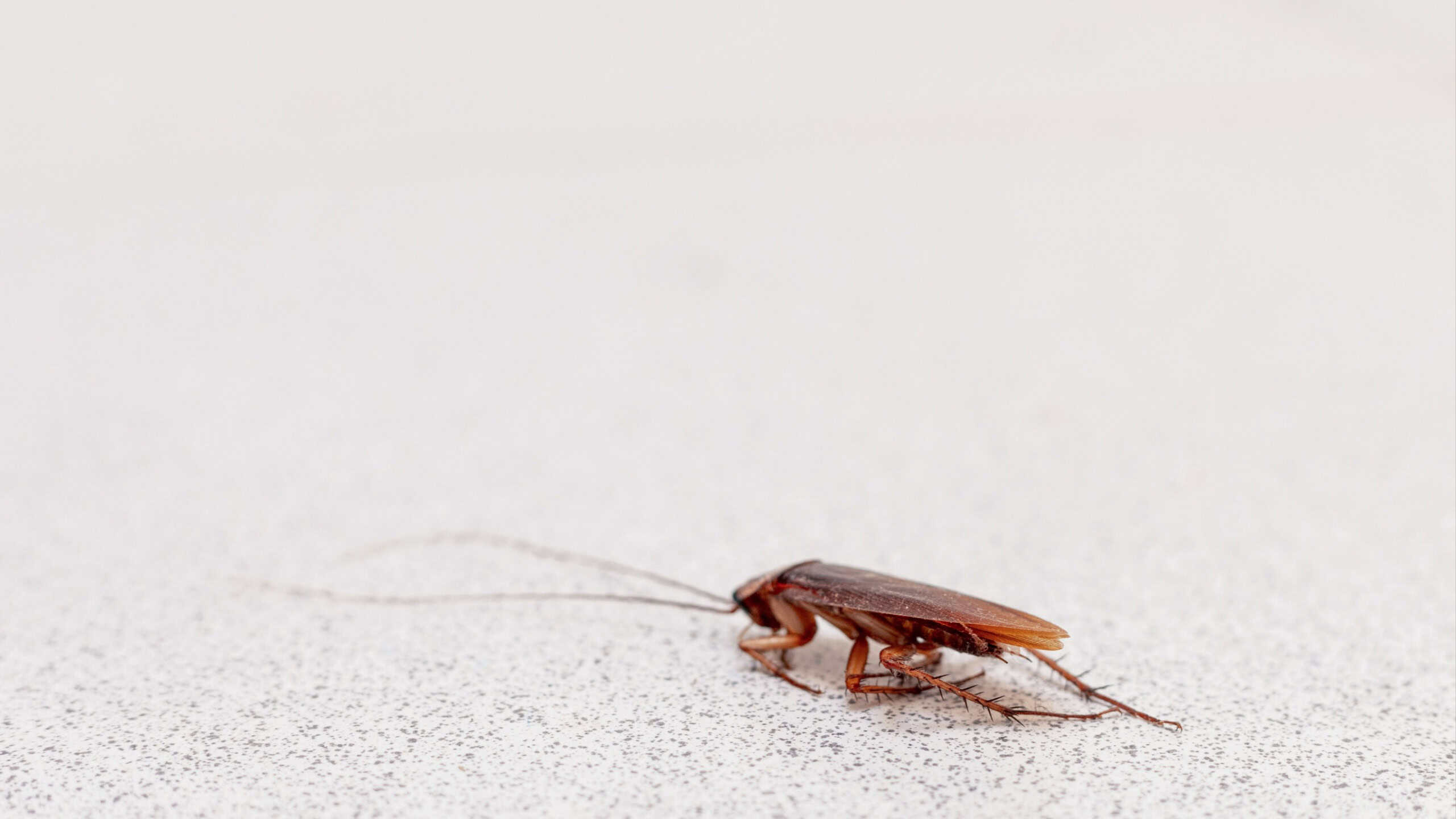
Be careful when you’re sleeping. A cockroach could crawl into your ear because the ear canal is so dark and warm. Then the insect realizes it can’t get out. That’s right, the insect may get stuck inside and start scratching the skin or hitting the eardrum.
People who have been through this have reported feeling pain and experiencing bleeding from their ears. They also said there was an unmistakable feeling of movement, as horrifying as that sounds. Time to invest in some earplugs.
Baby koalas have to eat a special form of their mother’s feces

Most baby mammals stick to drinking their mother’s milk for a long time. Not koalas. The milk alone doesn’t prepare their guts for eucalyptus when they’re around at six months old. So, the mother produces something called pap that’s a special kind of feces.
Yes, the baby koala eats it directly from the source. It gives the baby the kind of gut bacteria they need to break down eucalyptus leaves later on. But still, it’s feces, their mother’s feces, in fact. You should feel lucky you’re not a koala.
Some figs have digested a dead wasp inside them

It’s not true that every fig has a wasp in it, but it is true that a lot of them do. It starts when a tiny female fig wasp squeezes through a narrow opening to reach the flowers inside. She’ll often damage her wings on the way in, so she can’t get back out.
The female wasp pollinates the flowers or lays eggs, sometimes both, and then dies in there. You won’t see her body inside, though, because the fig releases enzymes that break it down as the fruit ripens. You could still be eating wasp remains.
Some red food and makeup coloring is made from insects

Anytime you’re eating any artificially colored red food, check the label. You might see something like ‘carmine’ or ‘cochineal extract’ on the ingredient list. That means the red coloring was made from insects, as the color came from cochineal insects, small bugs that live on cactus plants.
They produce a red substance called carminic acid. Farmers will collect and dry the insects before processing them into coloring that’s used in some foods. Lipsticks and blushes sometimes get it, too.
Sources: Please see here for a complete listing of all sources that were consulted in the preparation of this article.
10 people who were killed for knowing too much

Knowledge is usually a good thing, but in the cases of some people, their knowledge turned into something pretty deadly and cost them their lives.

