

To really appreciate the beagle, you have to understand just how amazing they are under the surface.
Cleaner than expected
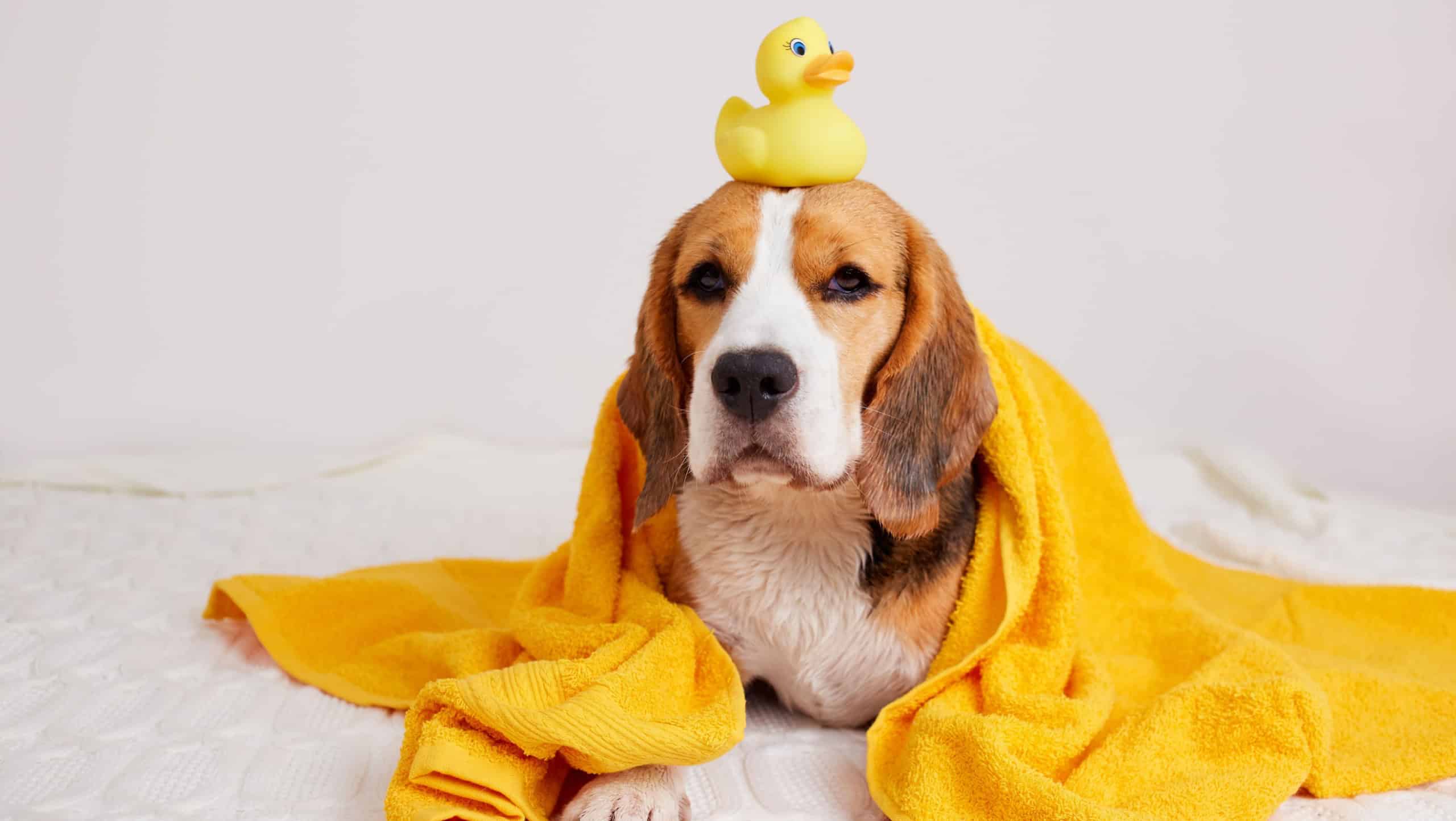
Beagles spend hours licking their feet and grooming themselves. This trait developed over hundreds of years of living and hunting in packs. It was essential for them to be odorless so as not to startle their prey.
Even without frequent baths, their short, water-repellent coats tend to remain quite clean and practically scent-free. For any dog enthusiast who’s recoiled from that pervasive indoor dog scent, you’ve found your bliss.
The white signal
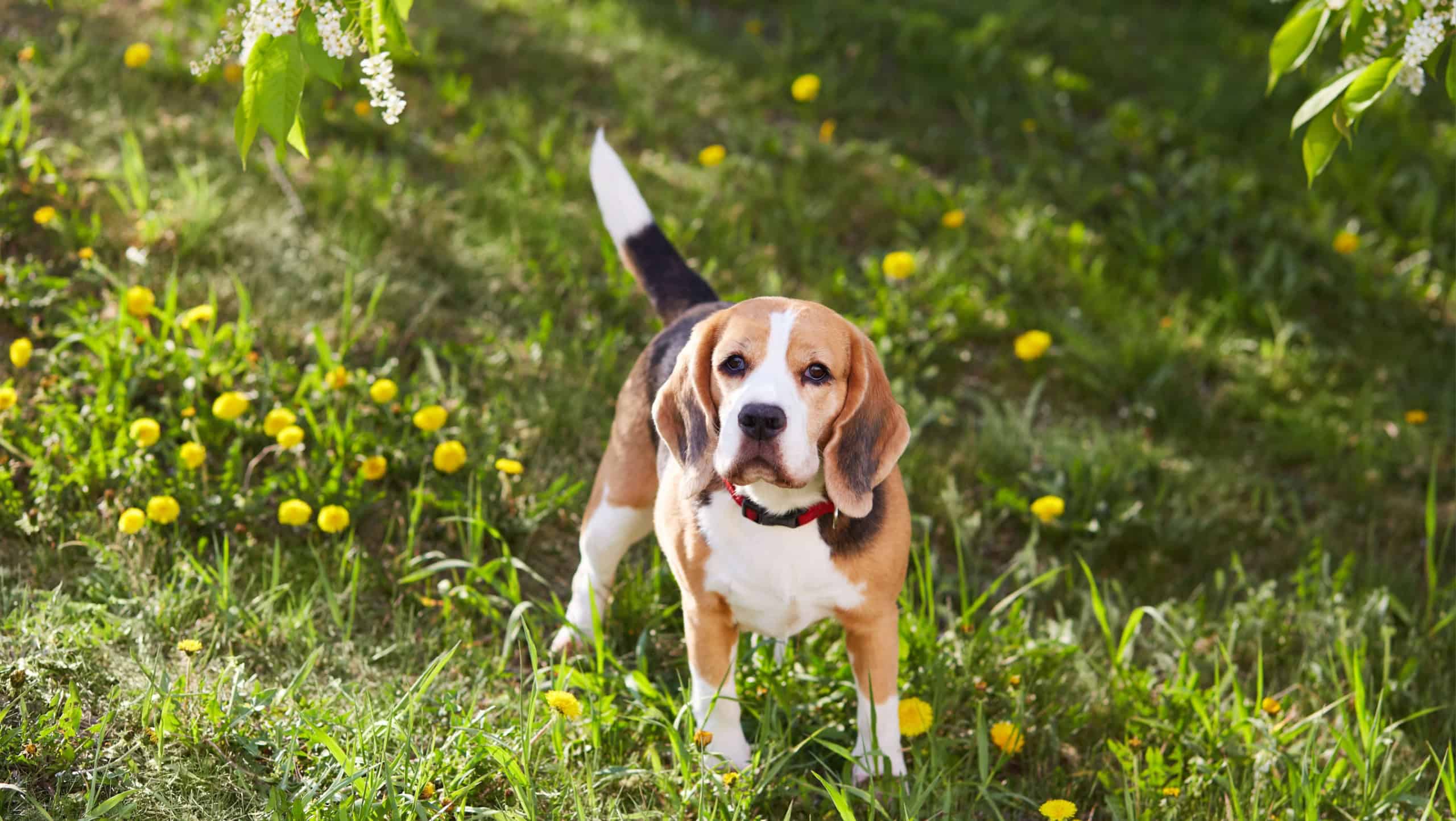
If you look carefully at any field bred Beagle, you will see that regardless of color combination going on with the rest of their body, the tip of the tail, or as the standard term, the “stern” or “flag” must have white fur on it.
This wasn’t simply a matter of breeders’ preferences back then; it was a crucial tactical feature designed to help hunters keep tabs on their dogs amidst dense, chest-high undergrowth.
Once a Beagle lowers its head to follow a scent trail, their tail stands straight up in the air providing a white pole flag flying amongst the leaves and brush.
If there was no brightly colored flag on their tail you can imagine how easily these scent hunting hounds would have been lost in the rolling hills of England.
Chosen for Science

Between the 1950s and 1980s, the US government funded an extensive several-million dollar project examining what radiation does to the body over time. This research was based on thousands of beagles.
Universally across these programs, which included labs at the University of Utah, beagles were chosen above all other dog breeds for their medium-sized predictability, even genetic baselines, and submissiveness/non-aggressive behavior.
These Atomic Beagles were injected with radioactive isotopes to better determine safe work practices and allowable dose limits that nuclear workers around the world use today to keep themselves safe.
It’s a tragic part of dog history, but one that shows you how Beagles helped shape modern human health physics.
Beyond barking
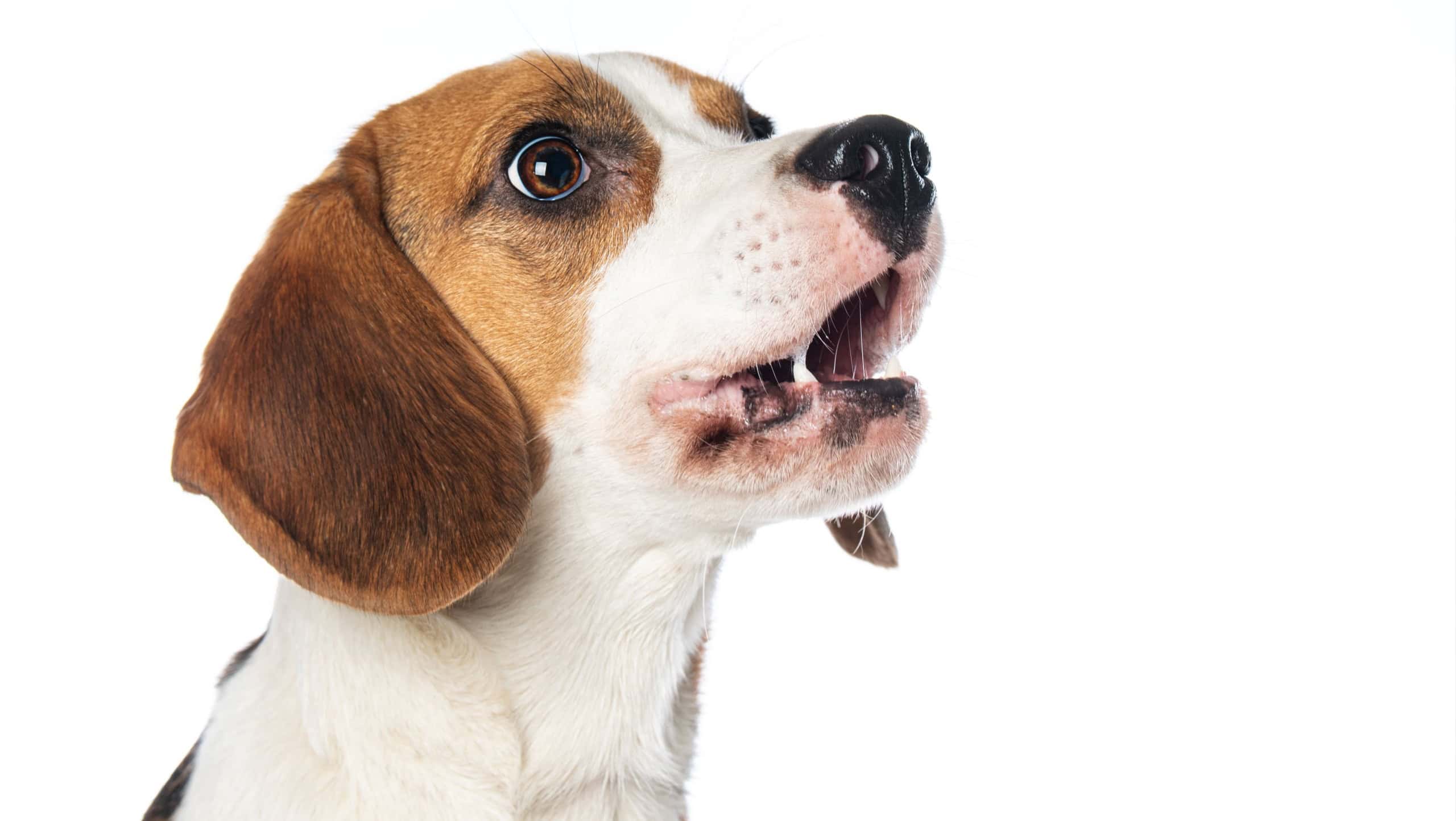
The breed’s name is probably derived from Old French begueule, literally meaning “open throat” or “gaping mouth,” which hints at their incredible biology.
Instead of one generic bark like most canines have, Beagles have three fully developed, structurally different sounds at their disposal: the normal alarm bark, the penetrating bay, and the whimpering howl.
The bay, a drawn-out, yodeling noise, is his signal for when a strong, new scent has captured his attention. Hunters can actually hear the dogs miles away announcing that they are on the scent.
Queen’s little hunters

Long before the standardized, short-legged Beagle appeared in the 1830s, miniature strains of Beagle were kept by Medieval English royalty.
Called “Glove Beagles” or “Pocket Beagles,” Queen Elizabeth I was known to have packs of miniature Beagles that stood eight or nine inches tall at the shoulder. These Beagles were small enough to be carried into hunting grounds in the saddlebags or pockets of riders’ hunting coats.
When larger dog breeds like foxhounds tired themselves out on rougher terrain, pocket-sized specialists like the Pocket Beagle would be released into dense brush to root out rabbits living in spaces inaccessible by humans or horses on foot.
Although the original genetic thread of those Elizabethan Pocket Beagles ultimately faded, their existence clearly shows how the breed’s compact abilities were highly valued by the highest echelons of society.
The ear trick
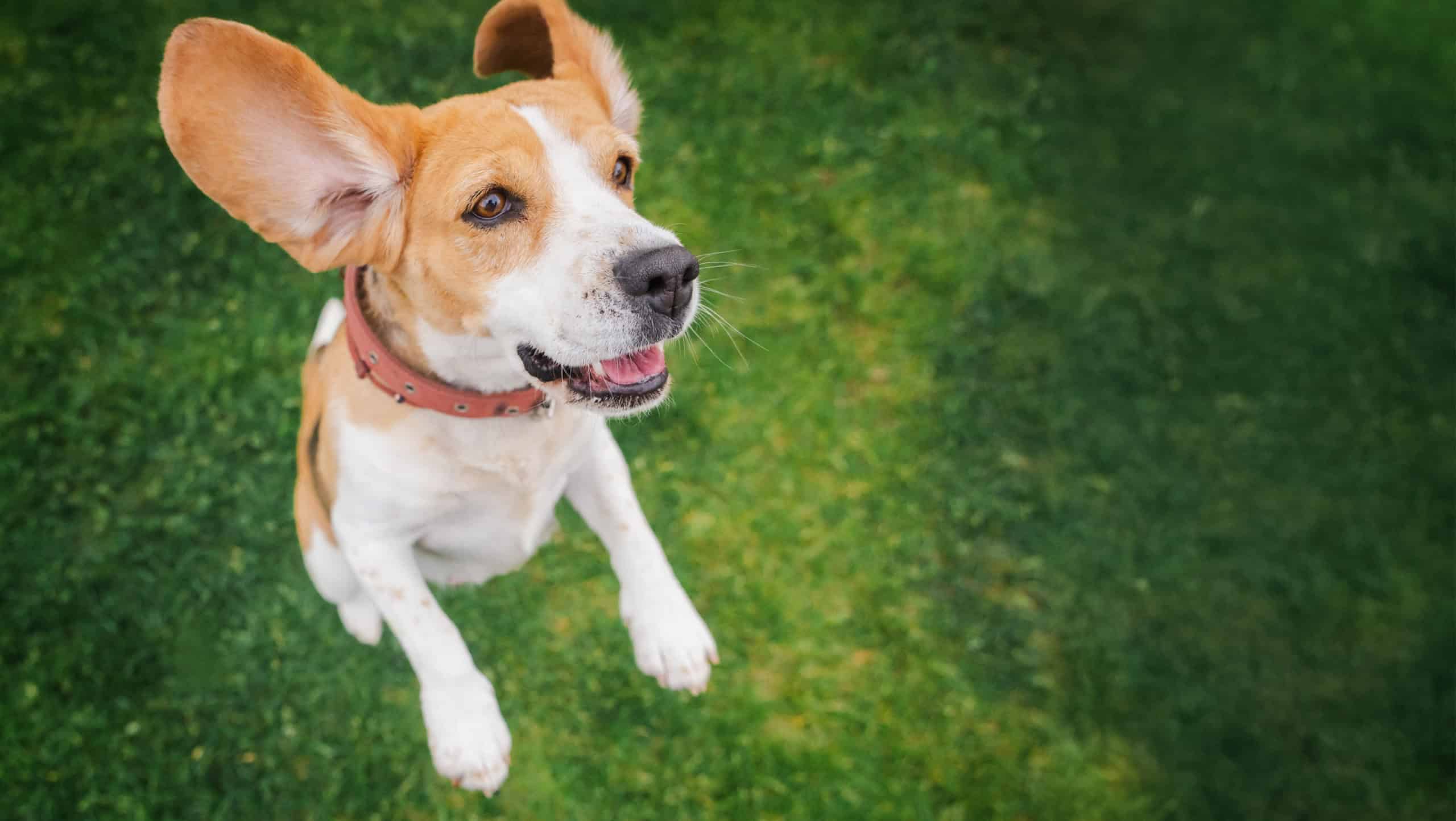
It’s hard not to think of your Beagle’s long, floppy ears as anything other than cute, but the shape and size of their ears has a very scientific purpose when it comes to helping them smell.
As they scent trail with their nose to the ground, their droopy ears will sweep along the ground, helping to move around tiny scent particles.
Essentially, their ears act like large fans, directing airborne scent molecules towards their nose for a stronger sniff. These large ear flaps also prevent scent molecules from scattering too widely, helping your dog maximize their incredible sense of smell.
Vanishing saddle

If you happen to own a Beagle puppy that features an entirely black saddle on its back, you may be surprised to learn that it will likely disappear by the time your dog reaches adulthood.
This genetic phenomenon is referred to as “fading”, and is completely normal for Beagles that fall into this unique genetic category.
Typically starting when the dog reaches its first birthday, the black color will slowly fade out and be replaced by tan and white colors. By the time your Beagle reaches five years of age, it will look drastically different than when you first got them as a puppy.
Chinese Beagle syndrome
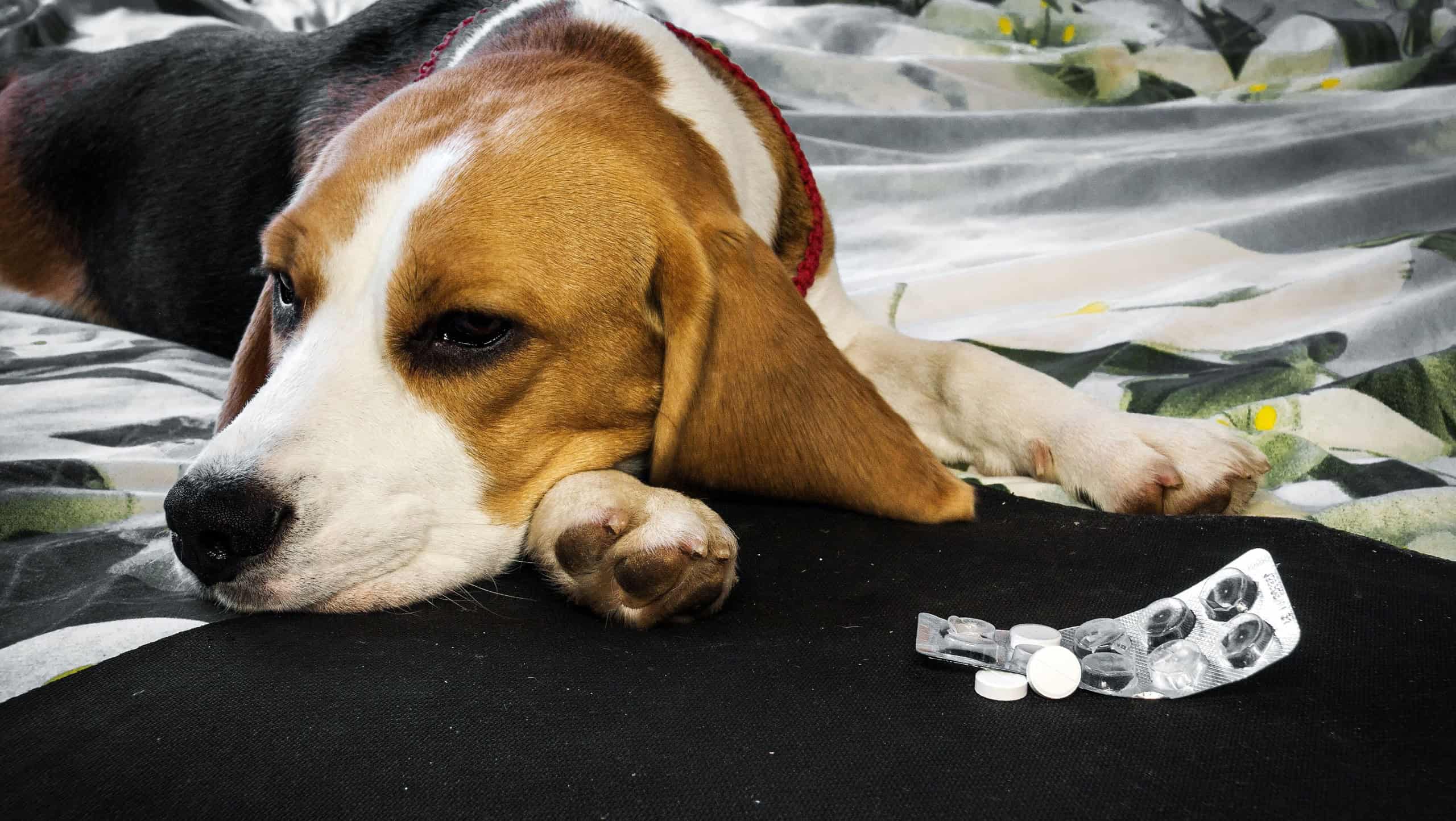
Despite being prone to good health and living long lives, Beagles have a rare genetic disorder known only as Chinese Beagle Syndrome.
Officially called Musladin-Lueke Syndrome (MLS), this disorder affects how their connective tissue forms in their bodies. The affected dog’s skin, bones, and joints become unnaturally stiff, rigid, and thick.
Dogs with MLS walk on their tip-toes much like a ballerina. They have tight skin on their face and their eyes sloped making them appear almond-shaped. They have large, wide eyes which give them a flat facial expression.
As Chinese Beagle Syndrome is so exclusive to Beagles, responsible breeders today use compulsory DNA health testing to eliminate the disease from their breed.
225 million scent receptors
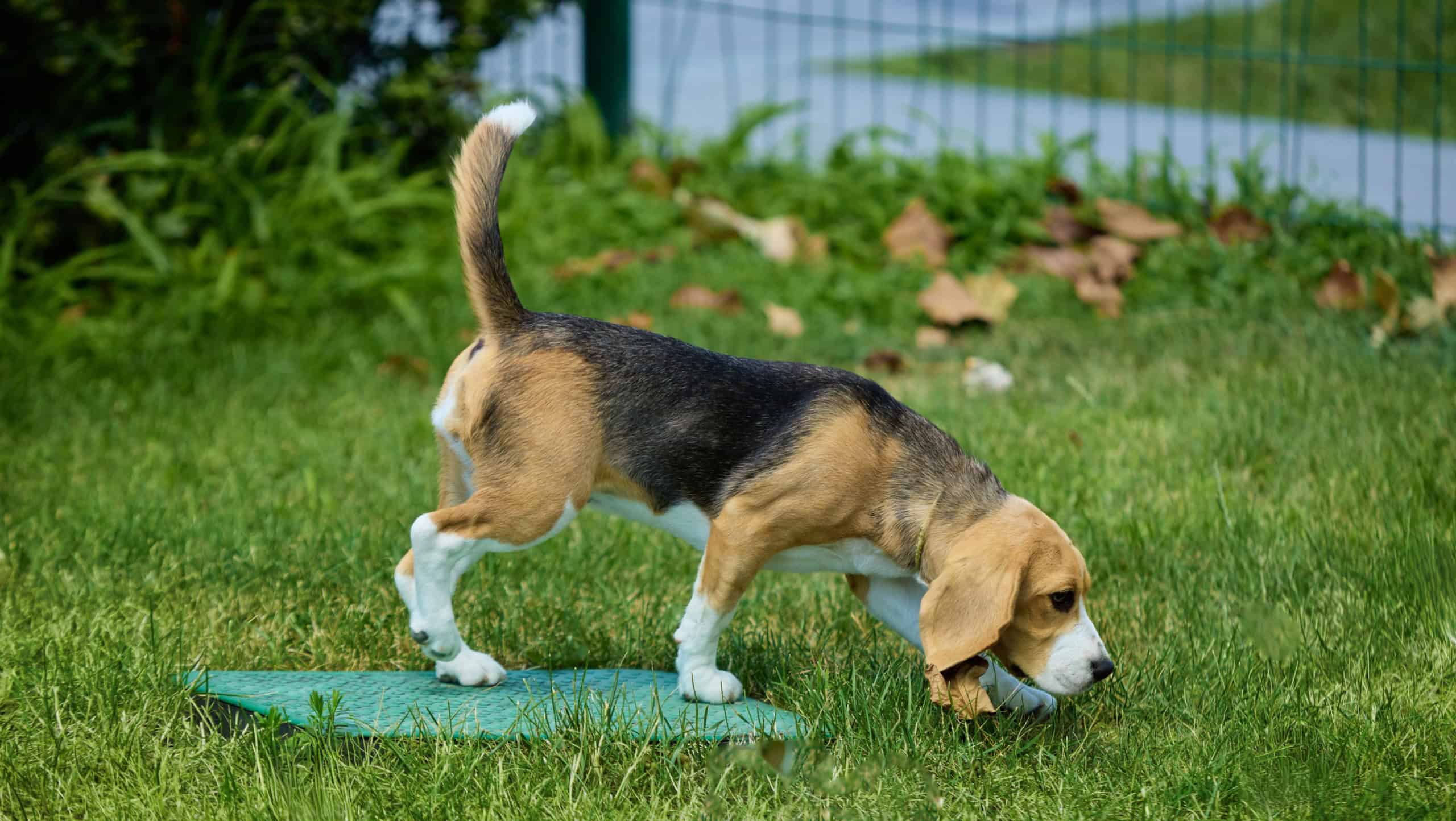
Seriously, you need to grasp that a dog’s sense of smell is exponentially more advanced than ours, and it all comes down to their brain’s structure.
The human nose has approximately 5 million scent receptors; your average Beagle nose however has 225 million scent detecting receptors.
It’s thought that their olfactory capabilities far surpass our own, by a factor of 10,000 to 100,000. Meaning they can smell things we can’t even detect.
There are particles all around us transmitting chemical signals that the average human nose will never know exist. These particles however create a world for your dog that we cannot even imagine.
The Beagle brigade
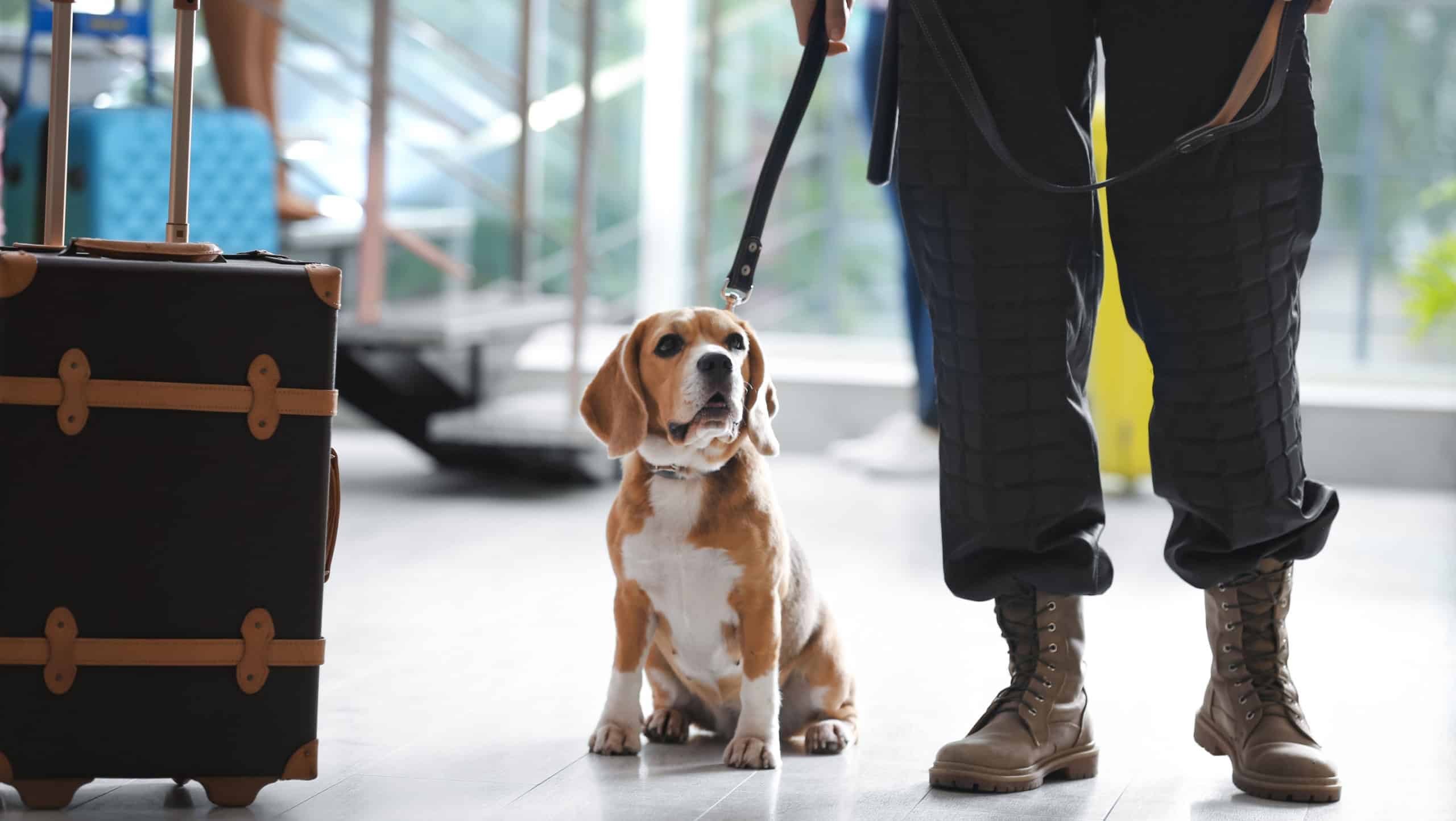
Known as the Beagle Brigade, since 1984, The United States Department of Agriculture has employed a highly trained, passive military force of detector dogs at major international airports.
Their job is to find undeclared agricultural products, contraband meats, and stowaway invasive plant pests buried within the darkest corners of travelers’ international baggage long before they reach our shores.
Made up entirely of Beagles, they were chosen over attack dogs such as German Shepherds because their appearance is unlikely to alarm tired passengers.
These rescue-turned-working dogs’ key job happens daily, and with 90% accuracy, these dogs protect our country’s billions of dollars in agricultural resources from foreign pests and disease.
Polar bear pregnancy breakthrough

Thanks to their keen olfactory capabilities researchers trained Elvis, a rescue Beagle, to sniff out polar bear pregnancies.
Elvis taught the world that a Beagle’s nose could detect pregnant polar bears by scent alone. Elvis achieved a remarkable 97% success rate in detecting pregnant polar bears, all thanks to analyzing fecal samples that arrived via FedEx from zoos across North America.
Zookeepers have had a difficult time in the past predicting polar bear pregnancies due to what’s called pseudopregnancies. A pseudopregnancy is where the female experiences all of the symptoms of being pregnant, minus the fetus.
By simply employing a live biological sensor, zoos could now detect polar bear pregnancies before they were physically apparent.
Remarkable eyes
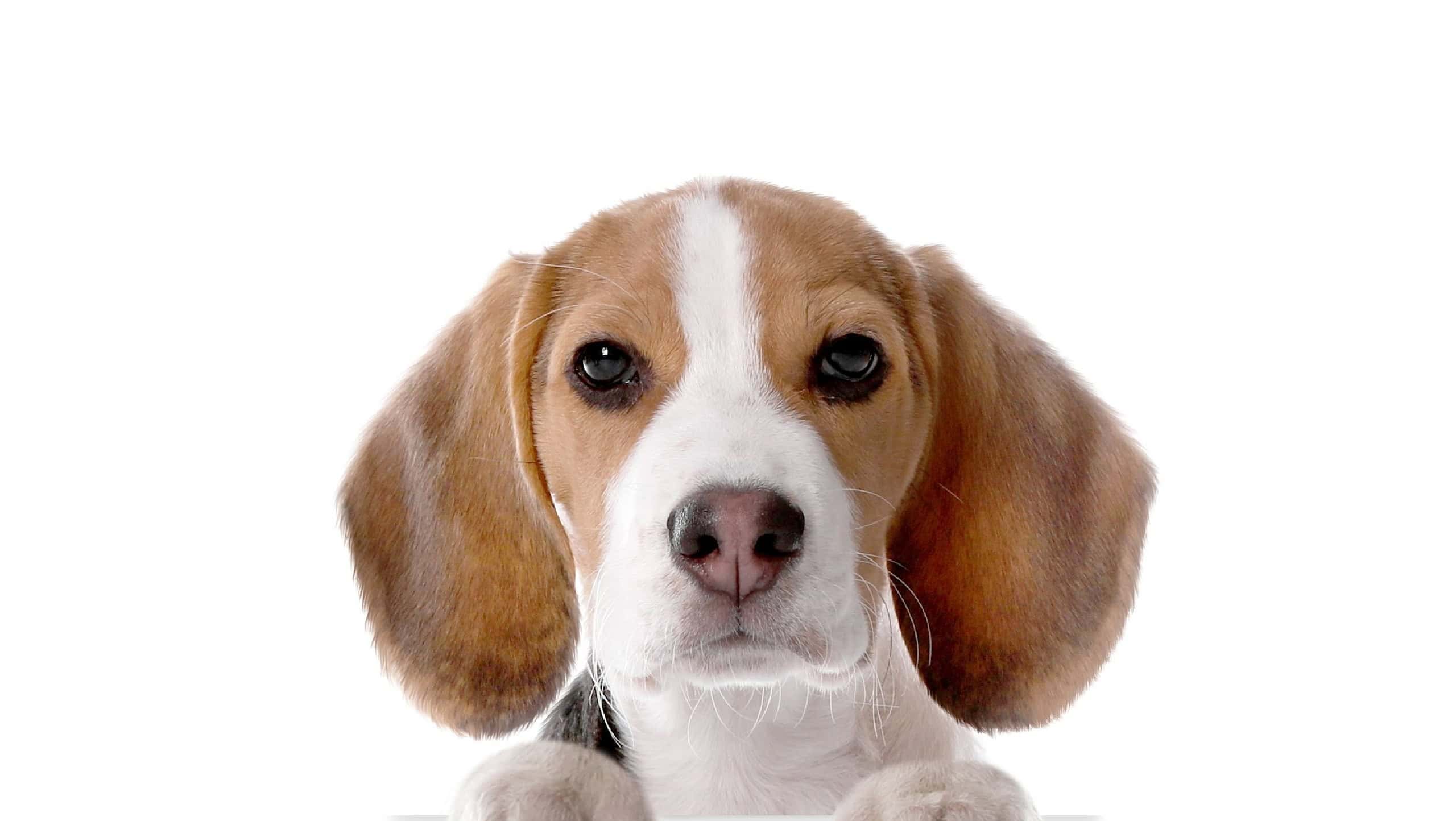
While their soulful eyes may seem to have depth beyond this world, did you know there is also an advanced layer of reflective tissue in the choroid of a Beagle called the tapetum lucidum. It is embedded with some of the highest concentrations of zinc crystals found in nature.
And since a Beagle’s fundus is similar in size and structural orientation to that of a human’s, Beagles have been used as the gold-standard species for decades to ensure safety of human ophthalmic medications.
This testing allows human medical professionals to see how drugs designed for our delicate retinal tissues react before they are used in human trials.
Remember that every time a new eye drop or glaucoma medication is developed, there’s a very good chance it was first tested on a Beagle’s eyes.
Nose over commands

Many owners mistake a Beagle’s selective hearing for a lack of intelligence, but this stubbornness is actually a neurological byproduct of intense, hyper-focused sensory overload.
That intense concentration when your dog catches a scent? It’s way beyond just hyper-focused. Their brain literally filters out all auditory distractions and they become temporarily blind to your requests while analyzing the chemical signals.
The breed was developed so they wouldn’t require close supervision from a handler. Their instinct from generations of breeding tells them to pursue that scent until they’ve solved the puzzle, no matter whose voice they hear.
To get a Beagle to listen, you’ll need to do more than just basic commands; you have to figure out how to use their strong food drive to pull them out of that scent-induced fog.
The ancient blend
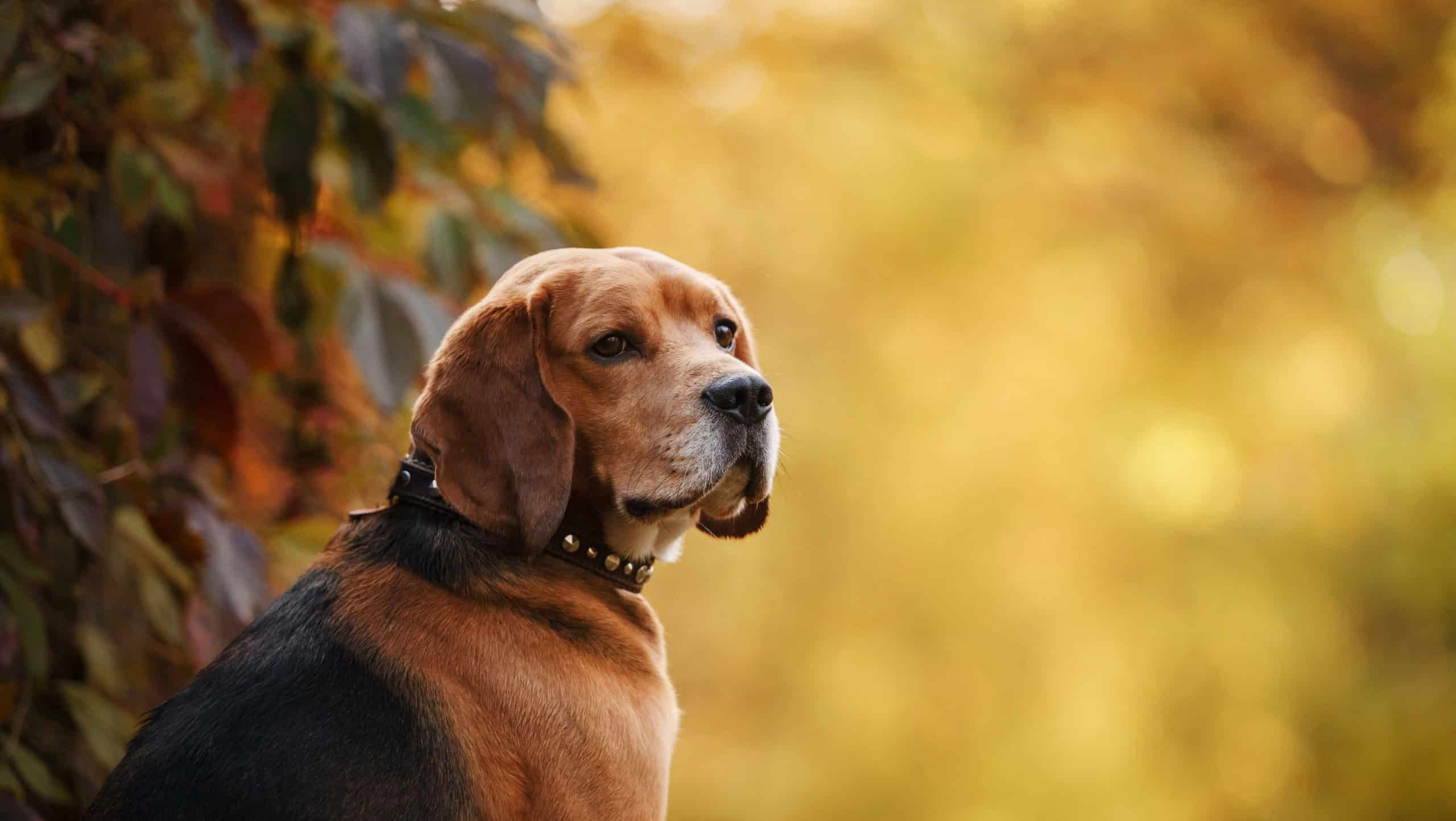
They weren’t created overnight.
Beagles, as we know them today, were deliberately created and developed in England in the 1800s by mixing several types of now-defunct hounds.
The blood of the slow-going but giant Southern Hound was used to create the low-angled tracking nose, while the smaller and lighter North Country Beagle was used to give the Beagle speed.
Traits from the Talbot Hound and the Irish Kerry Beagle were incorporated to refine their compact, deep-chested stamina for long hunts.
Sources: Please see here for a complete listing of all sources that were consulted in the preparation of this article.

