

Presidents sometimes push the boundaries of their power in ways most Americans will never hear about. Some actions end up rewriting history, others are completely forgotten. From creative financing to military deployments, here are 13 times presidents bent the rules when they felt the need.
Featured Image Credit: Shutterstock.
Midnight regulations
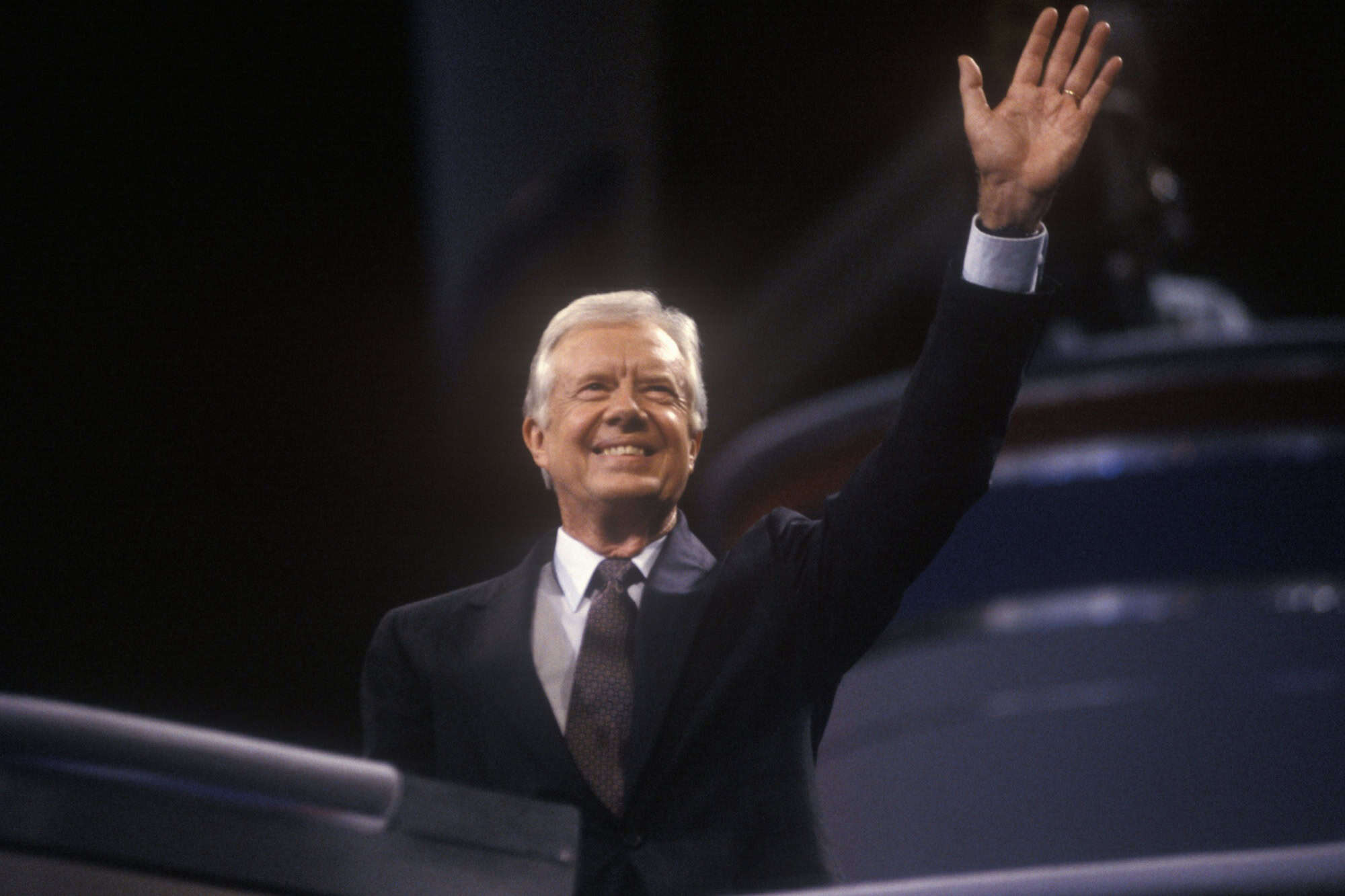
Toward the very end of Jimmy Carter’s presidency, his administration enacted over 10,000 pages of regulations. Reporters called them “midnight regulations,” as if they were passed in secret at the stroke of midnight. Carter’s supporters argued he was merely trying to preserve his legacy; others suspected he was deliberately hamstringing his successor.
Presidential signing statements
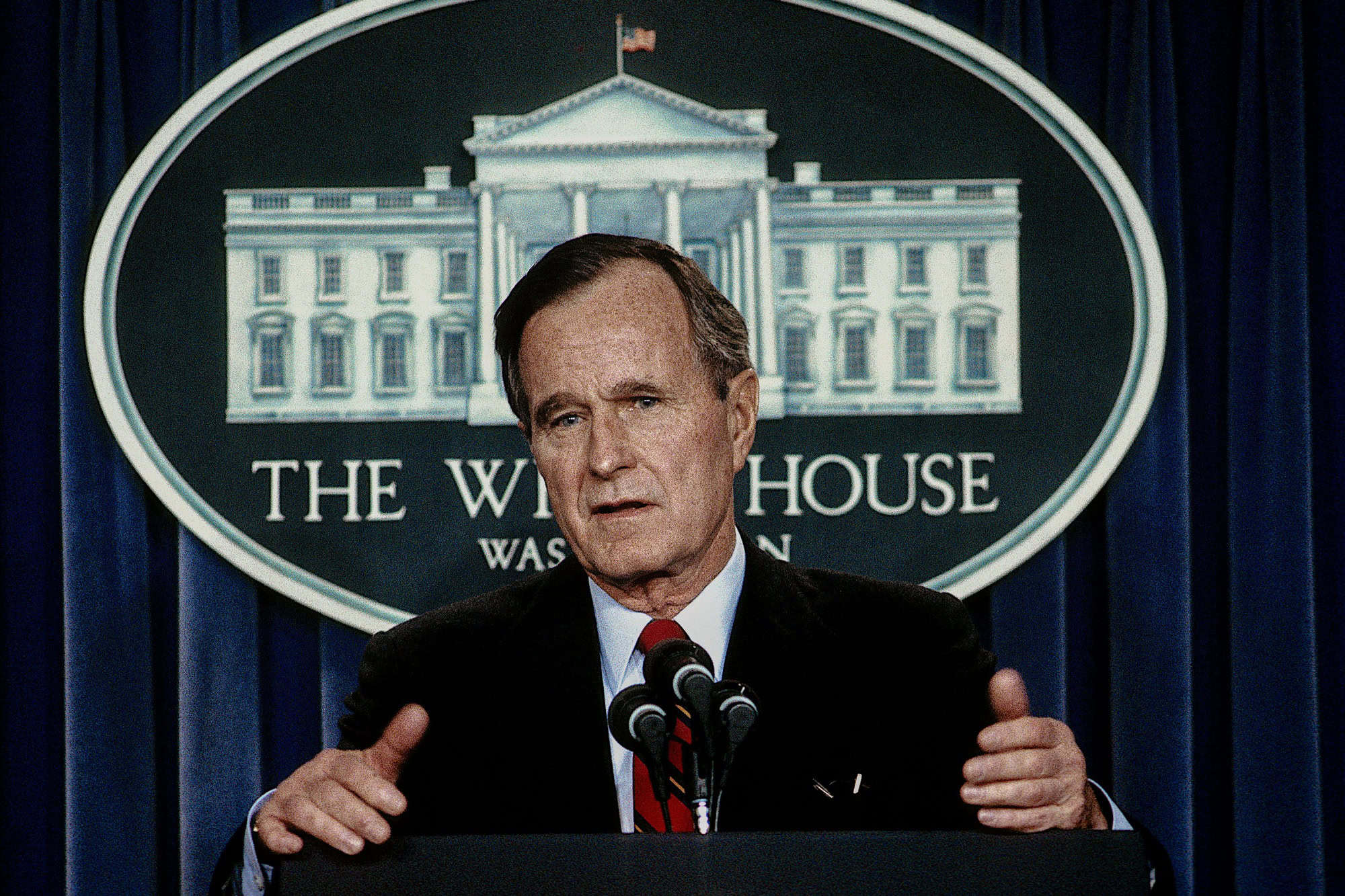
Signing statements give presidents the chance to interpret legislation and to call attention to provisions they will not enforce. The use of signing statements became an issue in the George W. Bush administration, because it appeared to erode Congress’s power. Critics charged it upset the balance of power.
The Unitary Executive theory

Unitary Executive Theory holds that the President should be the sole person in charge of the executive branch. Advocates have seen this as providing clarity and accountability, one person making the tough decisions. During George W. Bush’s presidency, this theory was used to justify restricting Congress’s role in military and national security issues post-9/11. Critics, however, feared it gave too much unchecked power to one individual.
Reversing post-Watergate ethics reforms
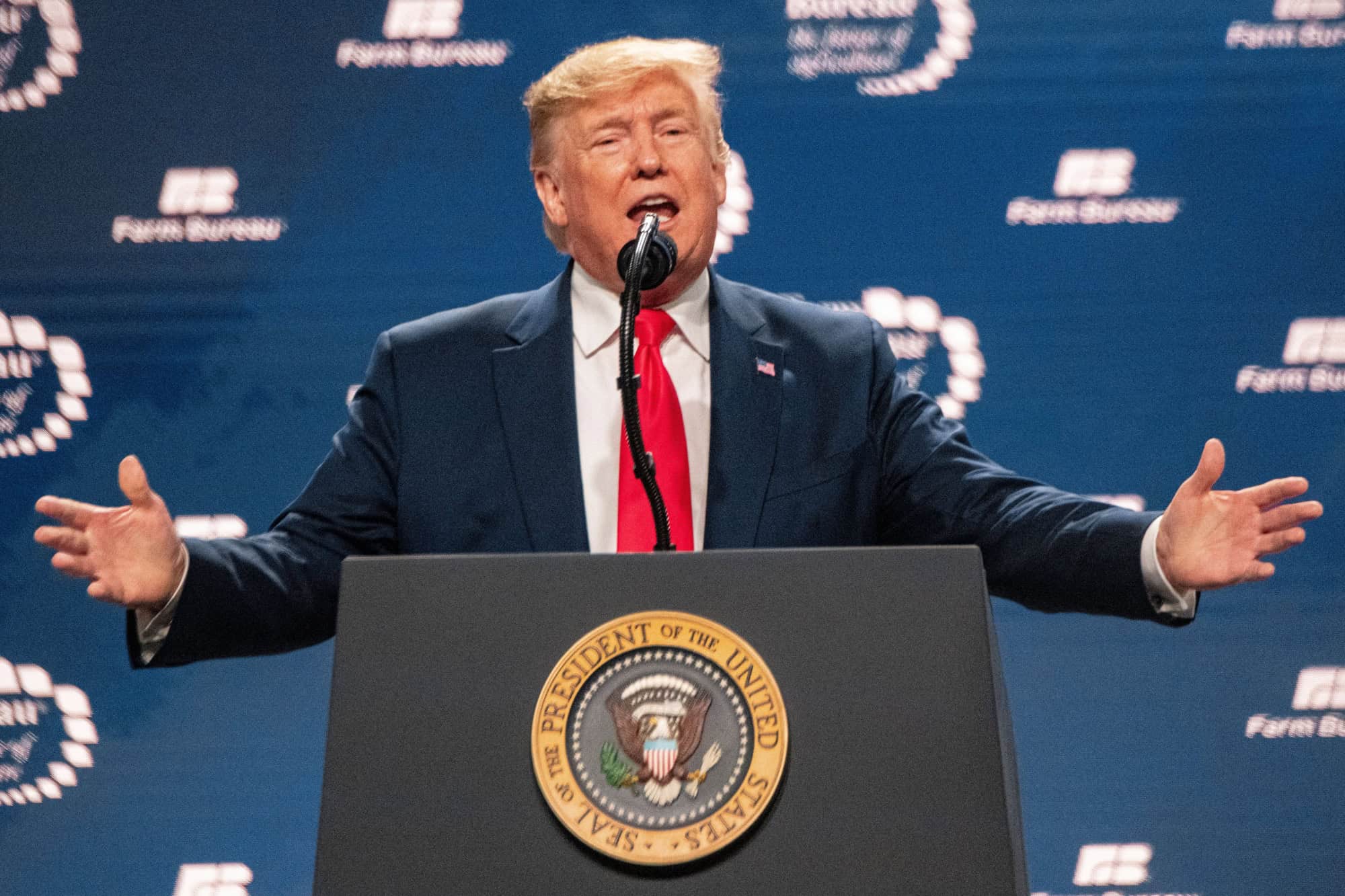
The Watergate scandal forced Congress to tighten the rules around presidential power, adding watchdogs and spending limits to keep things fair. But those rules only hold if presidents respect them. When Donald Trump fired inspectors general and ignored the Impoundment Control Act, it showed that even the strongest laws can lose their force if the will to follow them fades.
Military interventions without Congressional approval
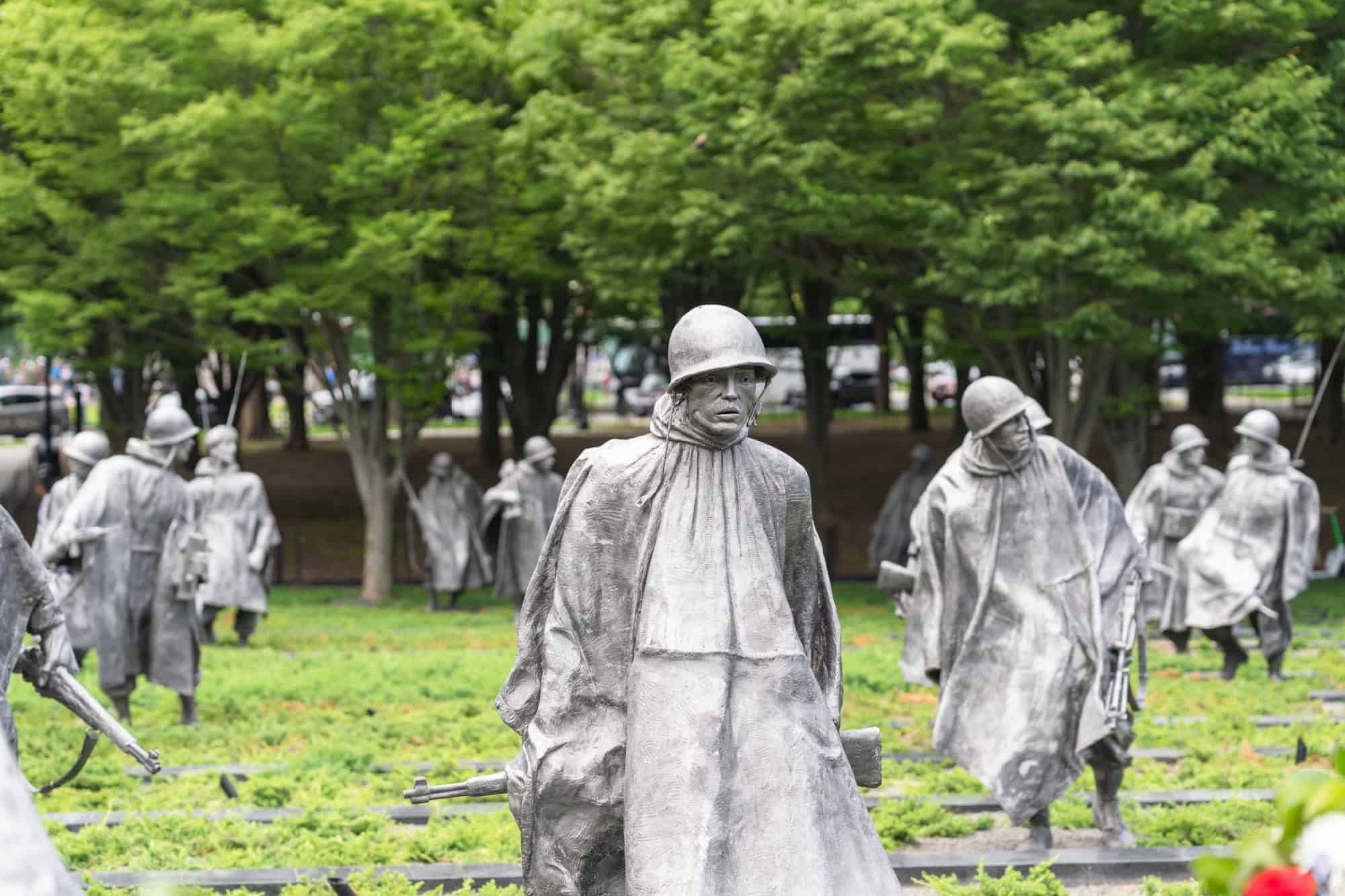
The Constitution requires the president to consult with Congress before taking military action, but many presidents have not. For example, President Truman sent troops into Korea without Congressional approval, justifying his action as a requirement of his Commander-in-Chief role. Such military actions by presidents generally trigger discussions about the boundaries of presidential war powers.
Controlling information
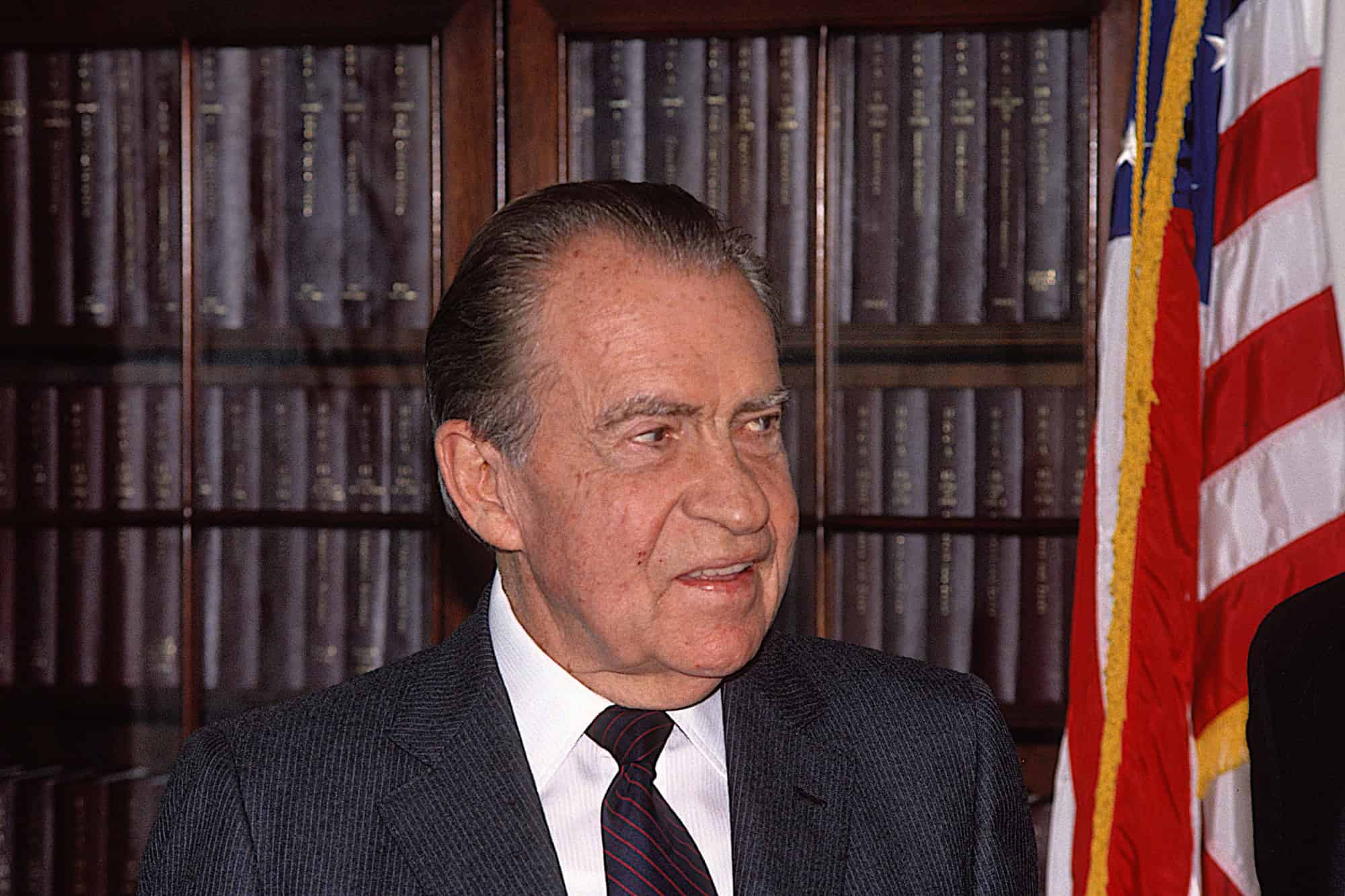
Presidents can classify documents to keep information secret. It’s usually for security reasons, but not always. Nixon used the information classification system during Watergate to keep recordings secret for political cover. It’s complicated: this power can protect the nation, but it can also protect the president.
Strategic vetoes
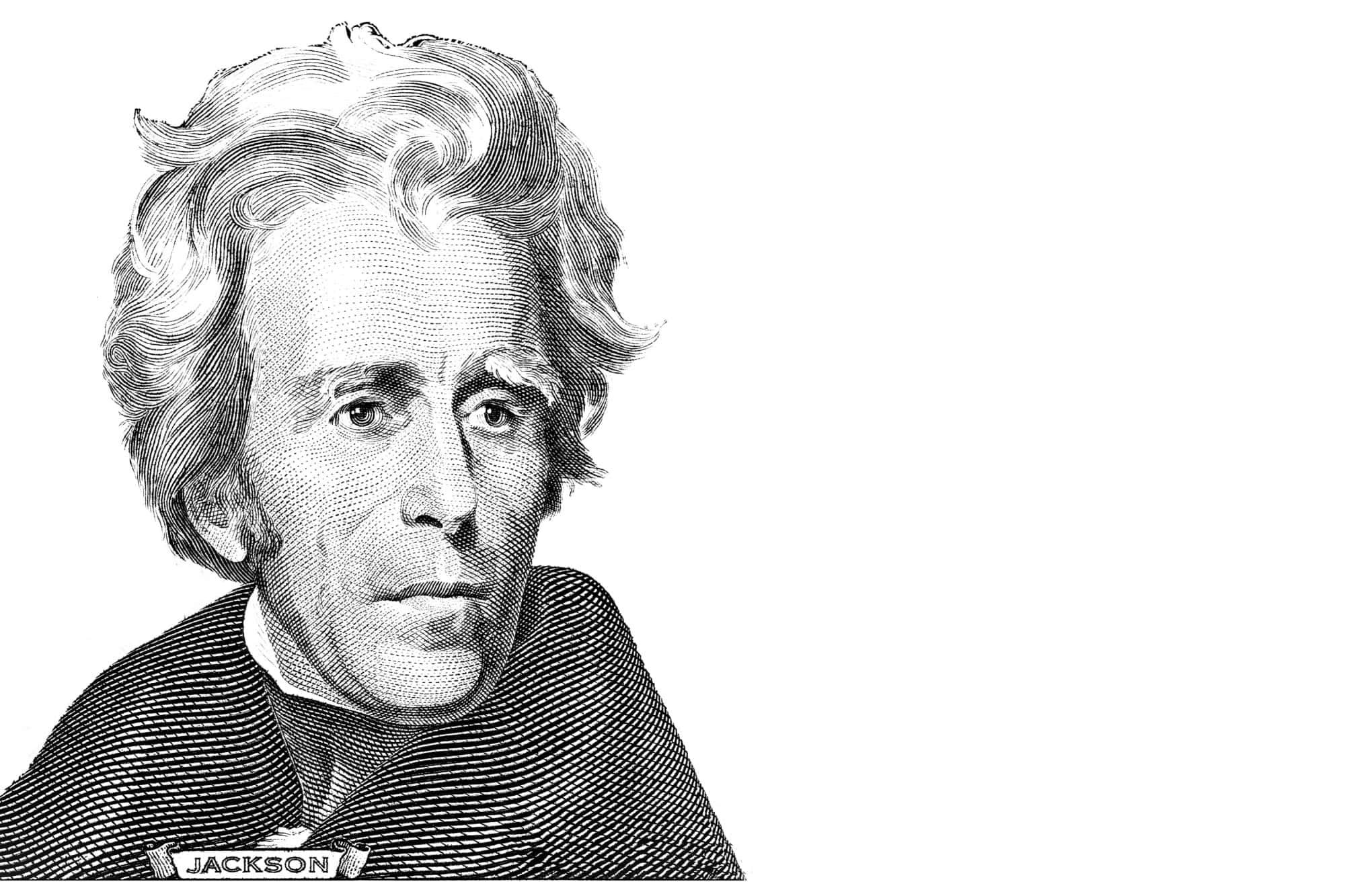
A president doesn’t always have to actually use a veto. For example, Andrew Jackson used the threat of vetoing legislation as a means of pressuring Congress into compromise. He used this tactic particularly on bills which funded public works projects. In a way, then, a veto can also be an indirect show of power.
Imposing tariffs
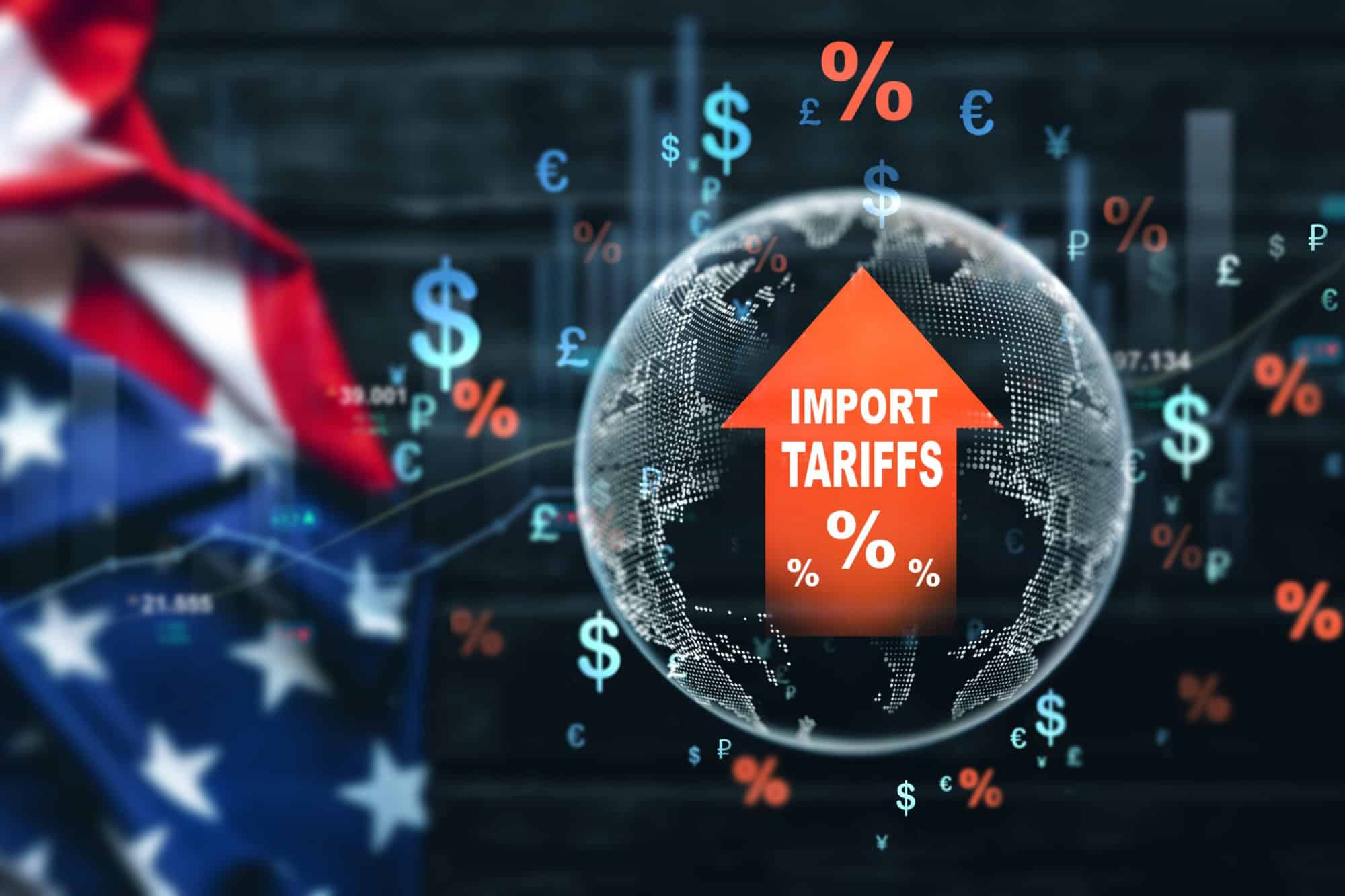
A president has the ability to act unilaterally and quickly on trade matters by imposing tariffs, rather than having to wait for Congress to take the initiative. For example, Donald Trump imposing tariffs on China to level the playing field for U.S. companies. But this has come at a price. Other countries retaliate with their own tariffs, and the delicate act of balancing domestic interests and international diplomacy is never easy.
Influencing judicial appointments

Judges are supposed to be impartial, but a president’s picks can swing the courts a certain way. Reagan’s appointment of Scalia is a well-known example, an appointment that changed the Supreme Court’s approach to laws for years. It’s within a president’s prerogative, of course. But it does beg the question of politics in the courtroom.
Family appointments
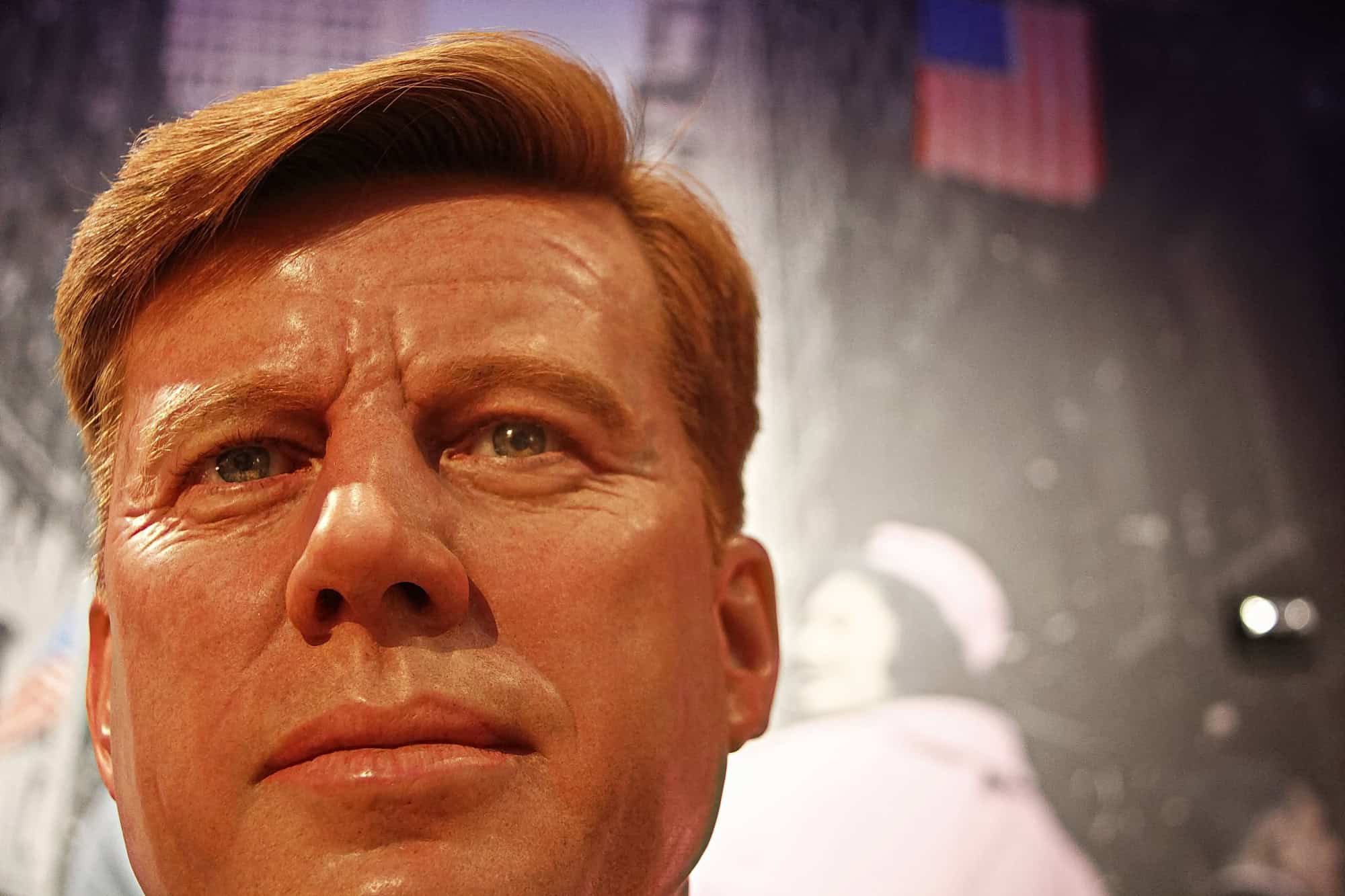
Appointment of relatives to positions of power can look shady, and Kennedy’s appointment of his brother Robert as Attorney General was no exception. The nomination was criticized as overextending the power of the Kennedy family. Despite his Senate confirmation, the appointment demonstrated the delicate balance between trust, nepotism, and good governance.
Emergency powers
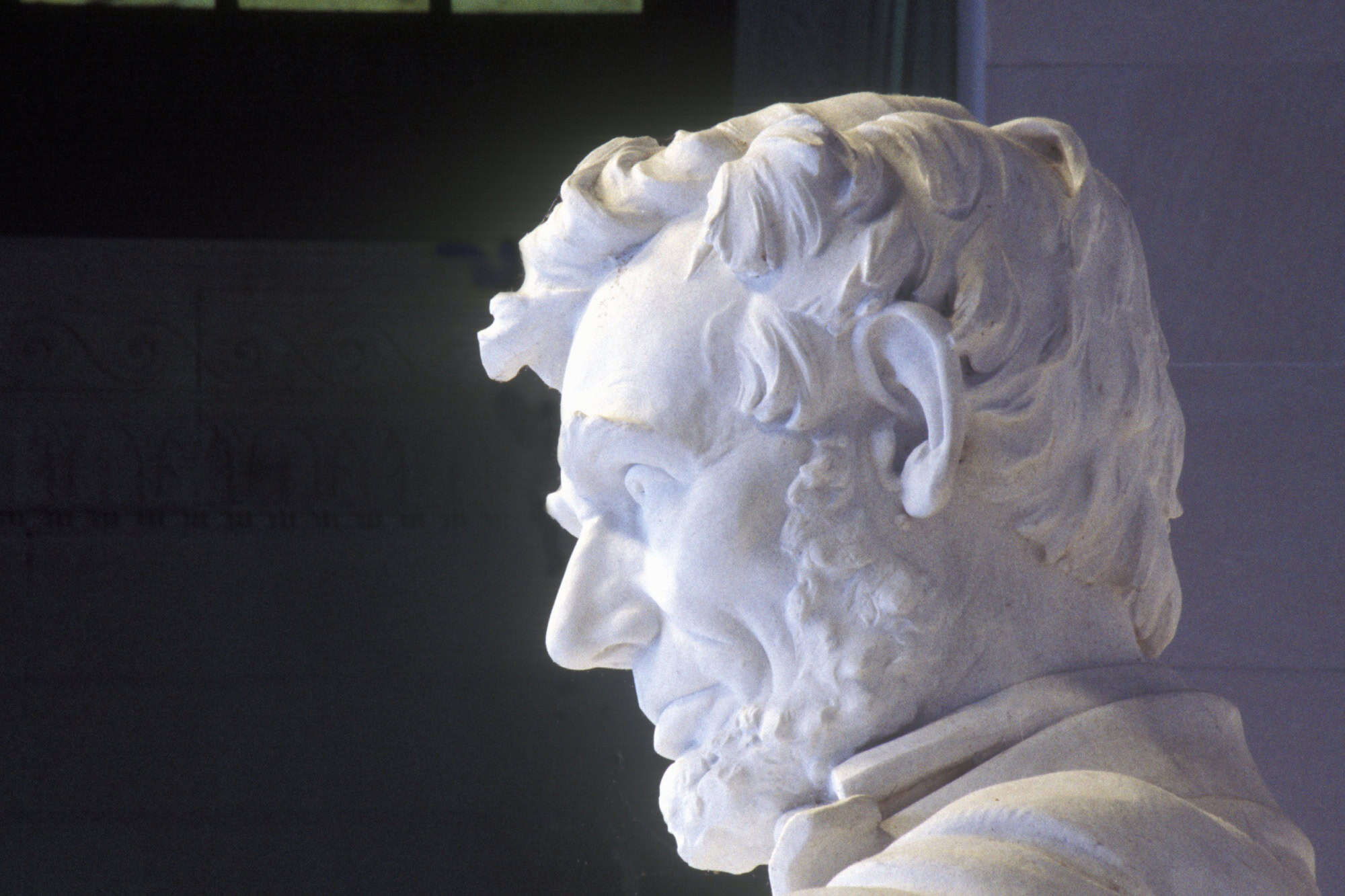
Emergency powers are something the president can use quickly in a time of crisis. These powers allow him to act on his own without having to wait for Congress. Abraham Lincoln suspended the civil liberties of many during the Civil War. He said he had to do this in order to keep the Union intact. It was effective for the time being, but is a clear example of how these powers could be abused if overused.
Use of executive orders
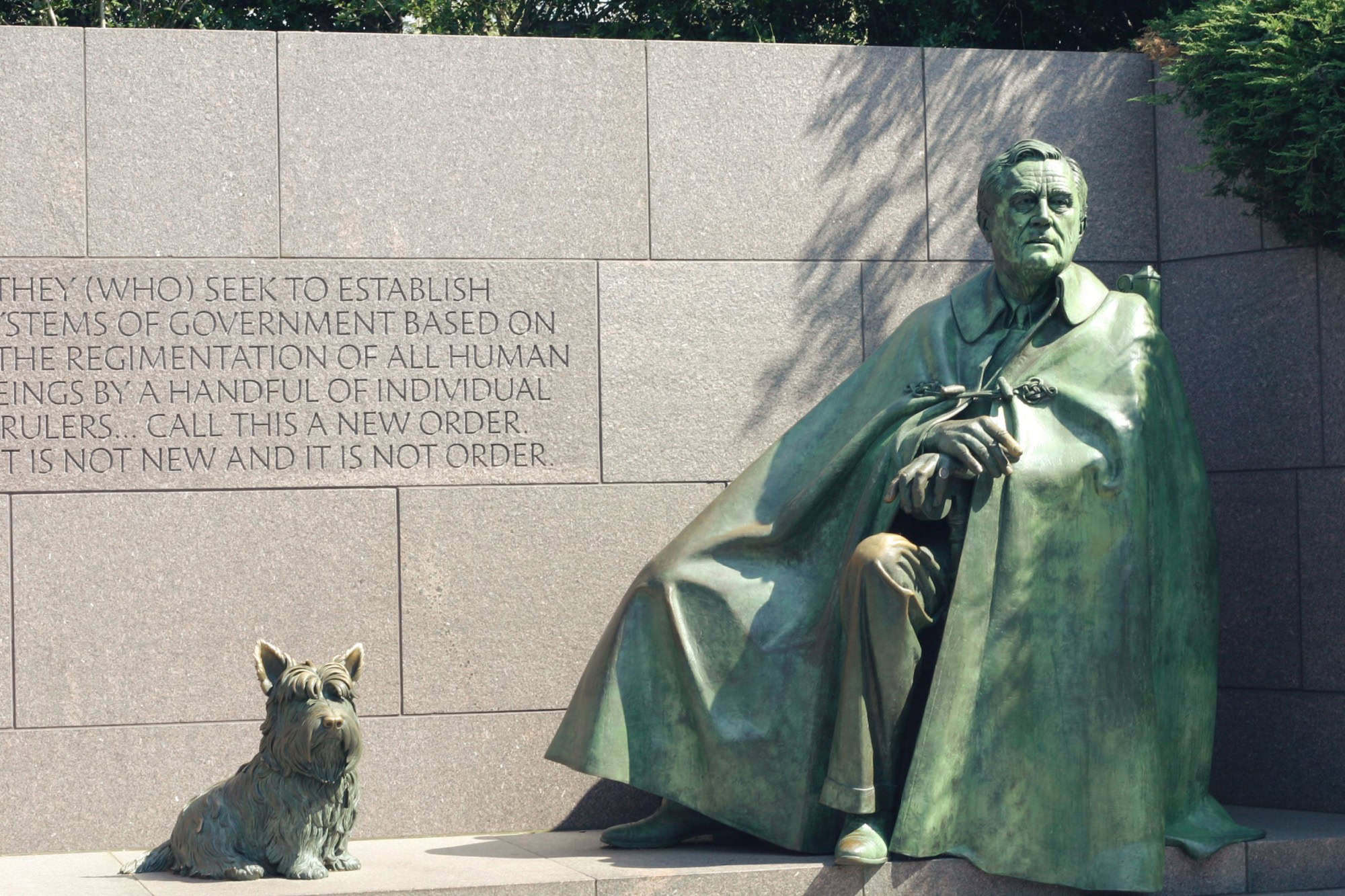
Presidents can also issue executive orders, which allow them to act unilaterally without Congress. Roosevelt’s New Deal programs were an example of this approach in practice. Executive orders are completely legal, but can be abused to extend presidential power at the expense of the traditional balance between the branches of government.
Use of pardons
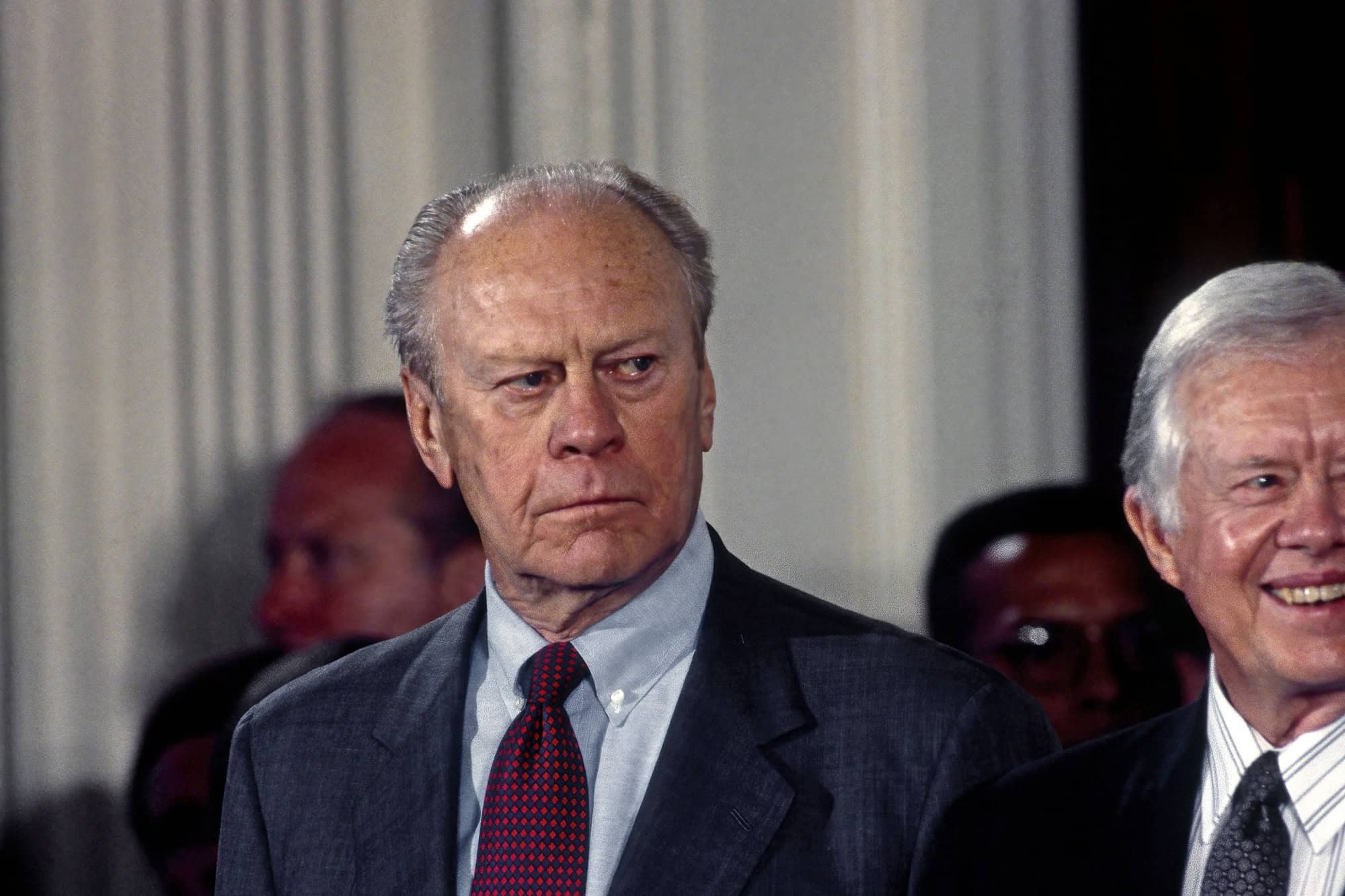
A president can wipe out a federal crime with one signature. Gerald Ford did just that when he pardoned Richard Nixon, stunning the nation. Legal as it was, many wondered if justice had been done.
Sources: Please see here for a complete listing of all sources that were consulted in the preparation of this article.
Like our content? Be sure to follow us.

