

Loads of people don’t realize how unusual their childhood was until they’re adults, and that’s when they tell stories about their past that make the entire room go quiet.
The loud part

Every argument sounds like a police raid. At least, that’s what some kids grew up thinking. Each debate involved plates banging and people yelling across the room. Someone would be crying in the kitchen. Kids thought that was how normal families were supposed to argue.
But then they went to a friend’s house. They saw their friend’s parents arguing in completely normal voices and being civil with each other. It confused the kid. Sadly, lots of children don’t realize until later that screaming matches aren’t normal childhood behavior.
The tiny mistake
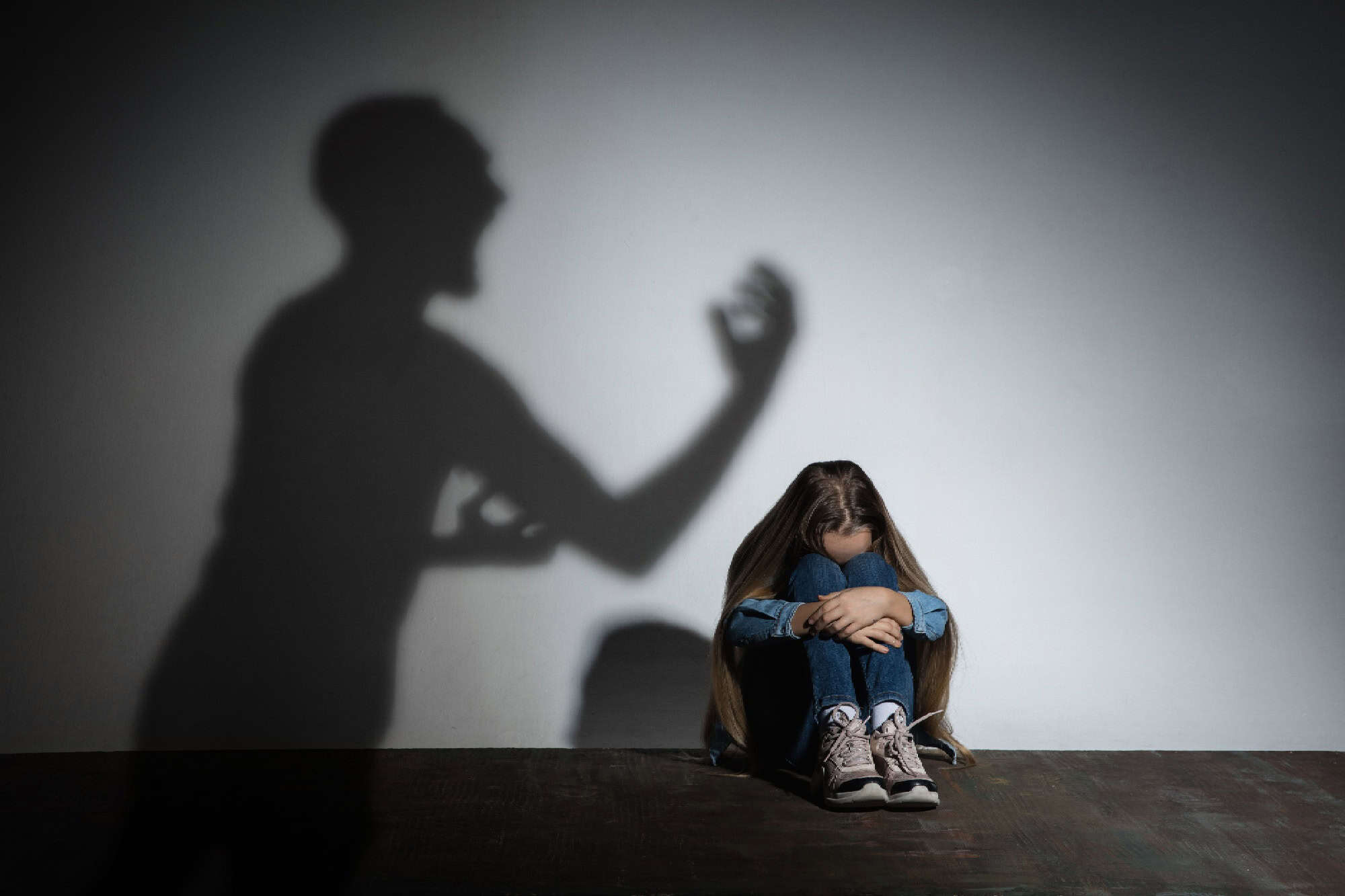
Spilling juice was a full evening disaster. Forgetting homework would get you yelled at. Kids in those sorts of homes became skilled at hiding little mistakes because they were so worried about the consequences. Bad test papers? Stuffed into backpacks. Broken toy? Thrown away.
The mistake itself wasn’t the issue, no, it was more the reaction that scared them. Kids figured it was better to lie. But later, they met people who could openly admit their errors without panicking. It kind of felt fake, at first.
The grown-up words
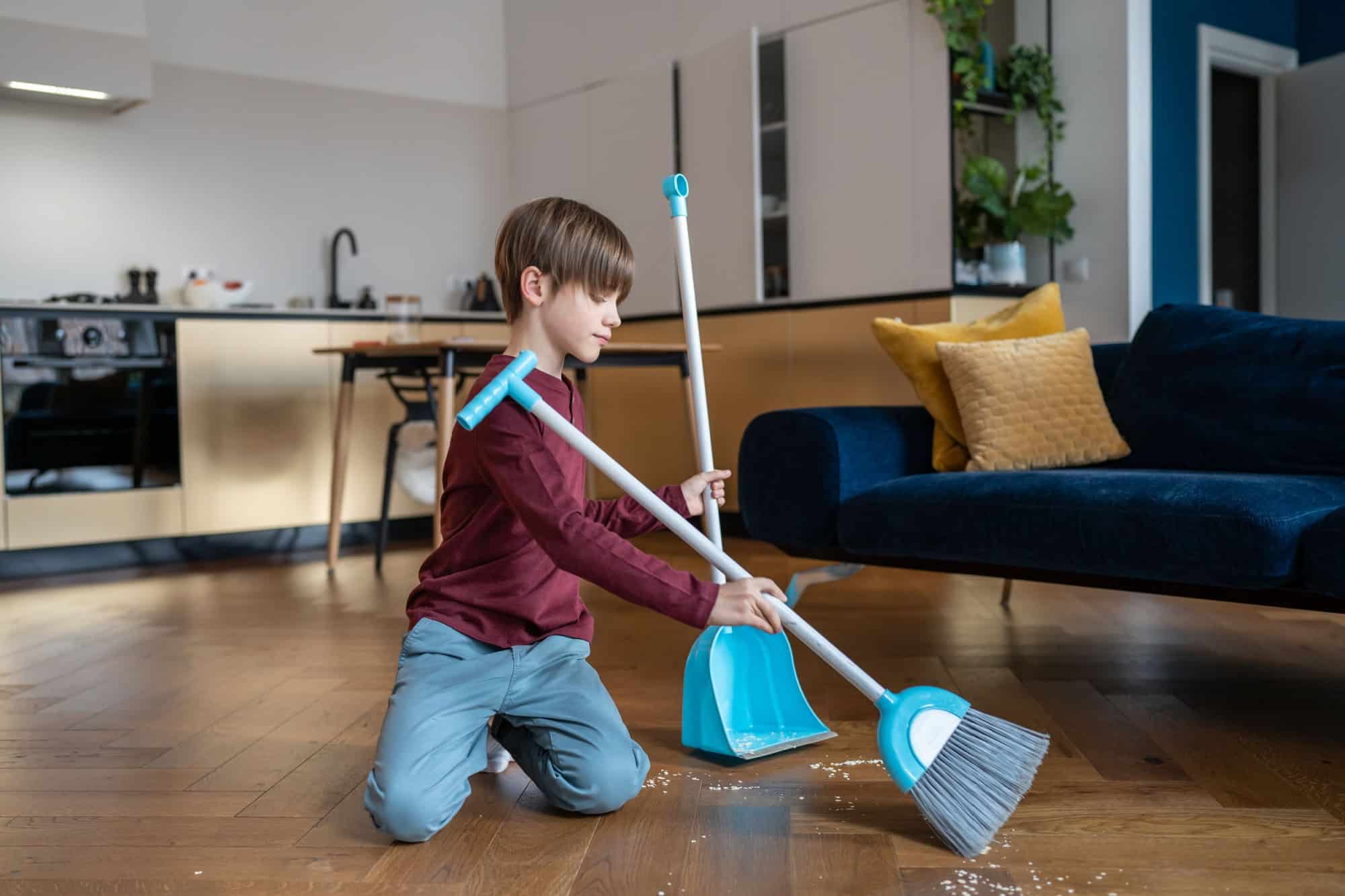
Some kids already had a job by age nine. They’d become unpaid service workers. Yes, they’d translate medical appointments and argue with internet companies. They’d explain school forms to their parents. They’d handle tense phone calls.
At the time, their parents praised them for being smart or mature. They thought it was okay. It wasn’t. Kids shouldn’t have to do a parent’s job because it puts way too much pressure on them.
The mood watch

The sound of a car door shutting outside told certain kids everything. It’s not an exaggeration. They’d know exactly how their parents felt, like what ‘good’ footsteps sounded like, and ‘everyone disappear for a while’ footsteps. The kids also had routines to calm down.
They’d crack a joke. They’d stay quiet. Anything, absolutely anything, to chill their parents out before something bad happened. But that’s not right. Children aren’t meant to emotionally stabilize their parents. That’s their parents’ job.
The closed door
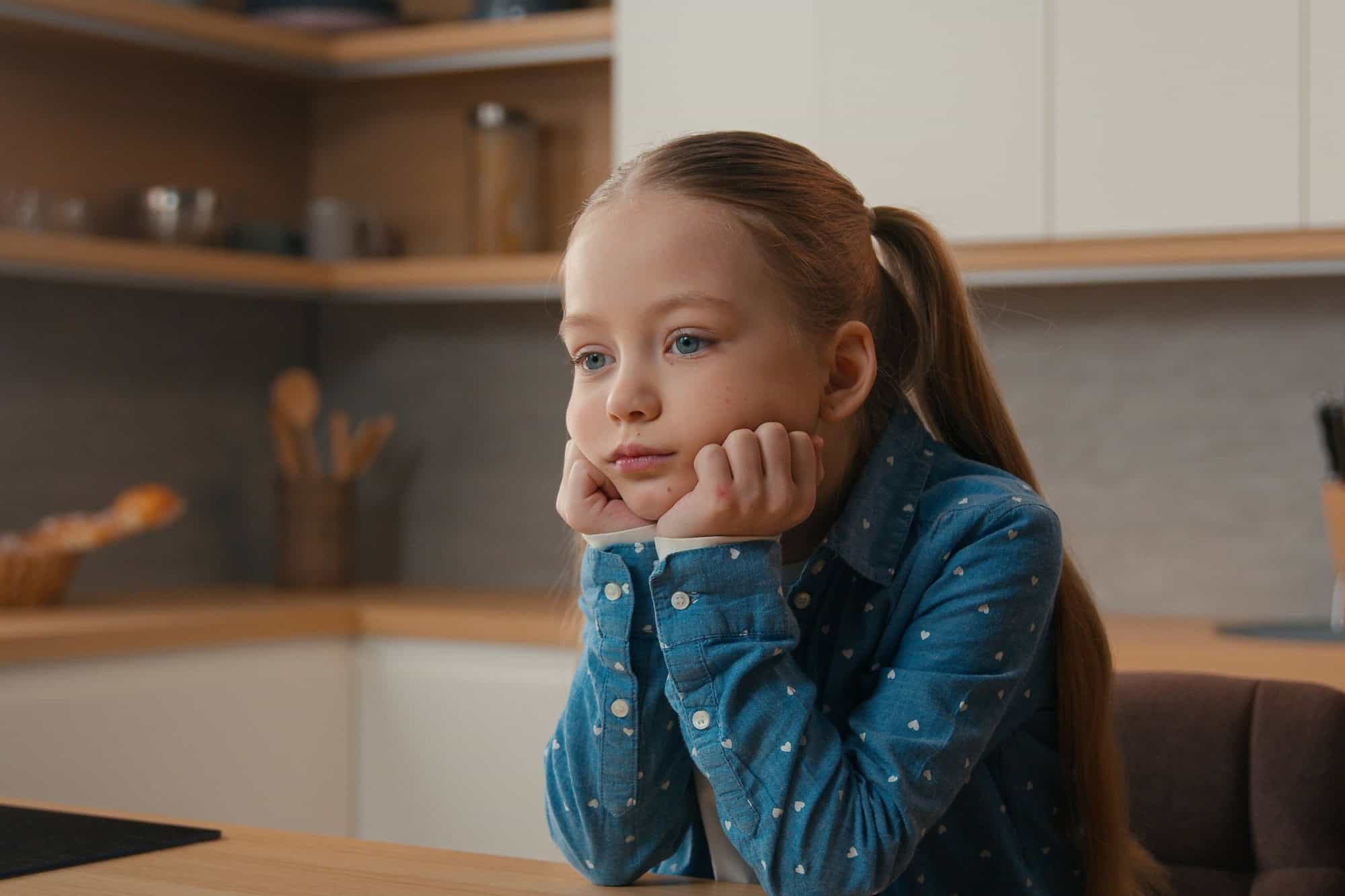
Many kids spent years inventing reasons why their friends couldn’t come over. They were repainting one week. Their parents were sleeping the next. But the truth is, they were afraid of inviting their friends over because they didn’t know what kind of home they’d walk into.
It could be screaming. It could be strange comments. Kids don’t realize until adulthood that, no, isolation isn’t supposed to be normal. You’re meant to have friends.
The sheer quiet

The silent treatment is confusing. Kids don’t get it at first. Technically, nothing’s happening, but an emotional disappearance replaced yelling. It replaced punishment. They grew up thinking the silent treatment was a normal way for parents to react.
They’d work hard to earn eye contact again. It takes years before they realize the truth. Healthy adults are meant to explain problems to their kids, instead of acting like the children don’t exist anymore.
The little adult
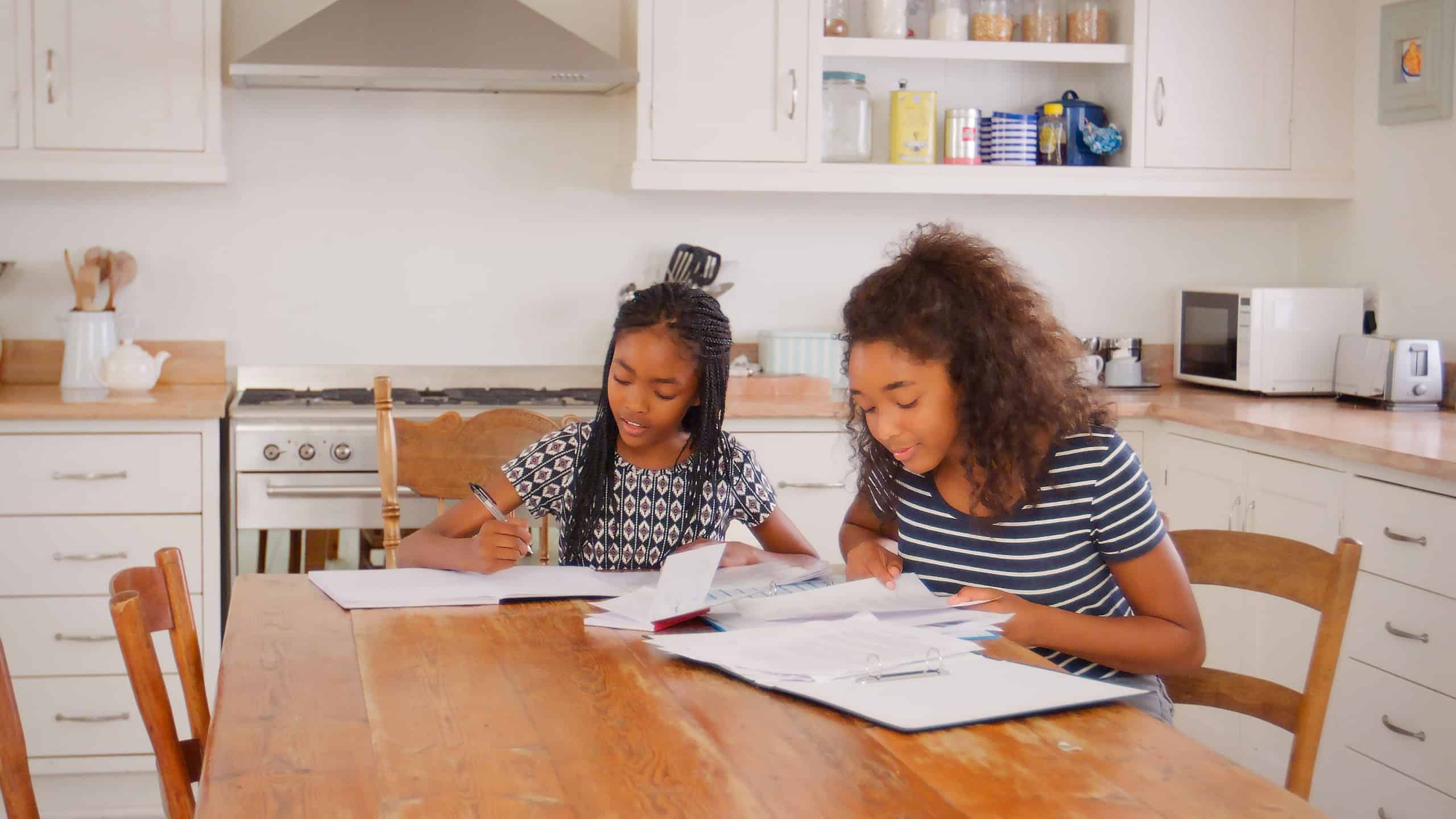
You’d be surprised at how many older kids were responsible for their younger siblings. They’d be the ones making dinner. They’d be the ones getting everyone dressed. Checking homework, calming toddlers at night, packing lunches, it was all normal.
They couldn’t hang out with their friends. They had to look after their sibling. It made them think that they were being responsible, and sure, they were. But ten-year-olds shouldn’t be responsible for someone else. These sorts of role reversals aren’t right.
The joke at home

There are some parents who roast their kids for having human emotions. A crying kid was being dramatic. A scared child was being a baby. Happy emotions weren’t good either, since they’d get told to ‘calm down already.’ Kids learned to hide their reactions.
But then they’d find out later that their parents are meant to comfort them. They’re not meant to mock them. It’s genuinely shocking for some kids who didn’t grow up in a comforting environment.
The thing that never got fixed

Constant tooth pain and headaches are way too normal for some kids growing up. They’d mention their problems once. Their parents would brush them off. The kids thought that they should tolerate the pain, tolerate not seeing properly, and tolerate the breathing issues.
It wasn’t until adulthood that they began seeing dentists regularly. They then realized the truth. They didn’t need to normalize their discomfort. It wasn’t an inconvenience, and actually, their parents were neglecting them.
The inspection
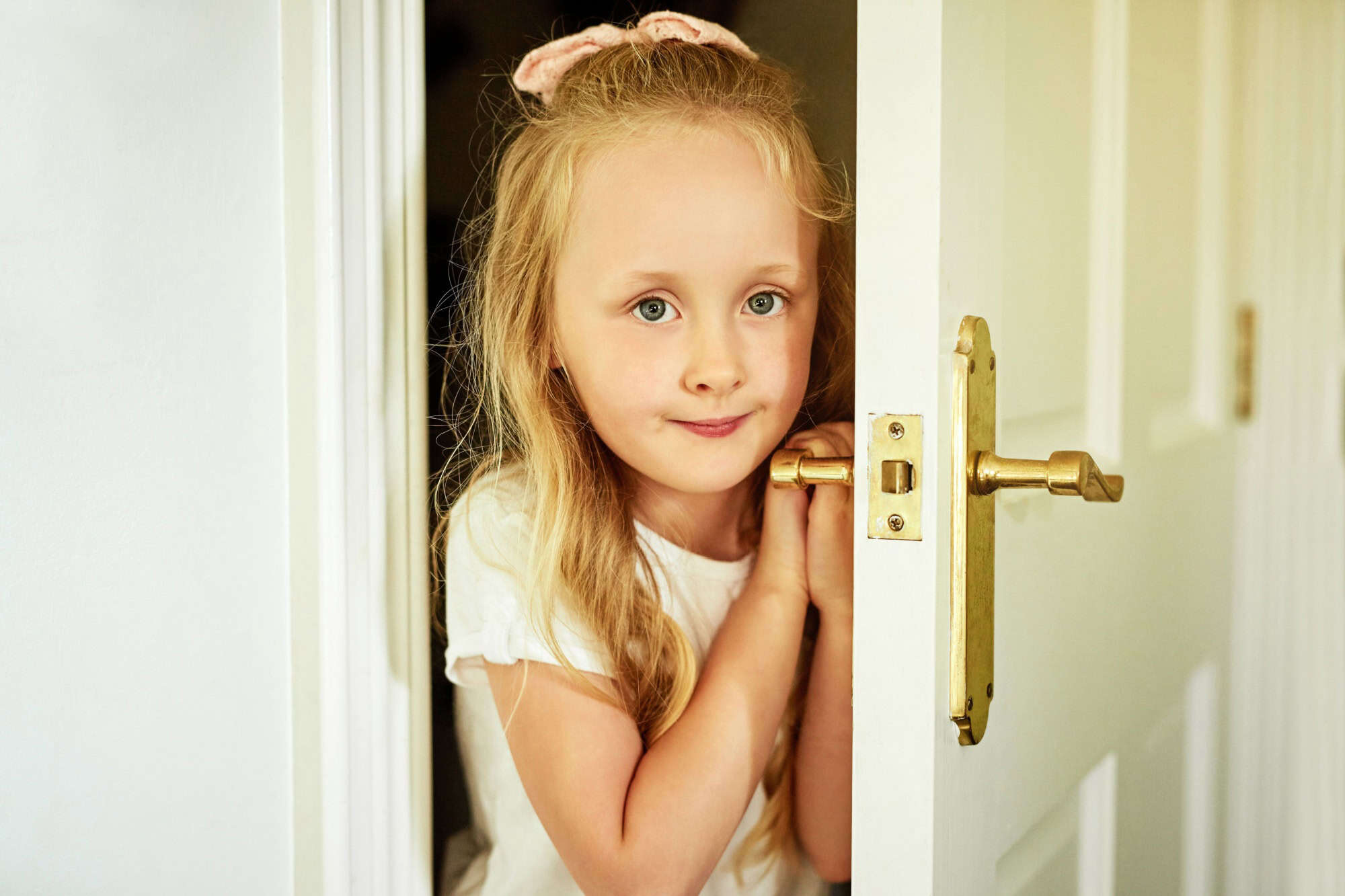
You’ll see some adults doing it now. They’ll instinctively hide their phones, even when nobody’s trying to read them. Childhood taught them that. They grew up with their parents randomly searching their backpacks and inspecting their bedroom drawers.
Privacy? It didn’t exist. Having a locked door was enough to start an argument. But later, they understood that other teenagers were allowed to have their secrets. They weren’t forced to spill the beans constantly.
The locked box

These kids knew one thing. They had to protect the family storyline out in public, and that started with knowing what to talk about. Change the topic when Grandma asks questions. Laugh it off when a teacher notices something.
Their parents would actually coach them before an event by telling them, ‘Don’t say anything stupid today.’ A lot of kids saw forbidden topics as a kid’s responsibility. They’re not. You’re not supposed to be dealing with your family’s reputation as a child.
The missing question

A few adults freeze up when someone asks them what they want to do. They never had a choice growing up. Every dinner was chosen for them, and every activity was out of their hands. They stopped thinking they had preferences.
However, then they went to a friend’s house. Their friend’s parents asked them what they’d like to eat, and they couldn’t believe it. They had an actual choice?
The small ask

Stretching basic supplies more than normal was, ironically, normal for many kids. They’d deal with tiny pencils and ripped backpacks. They’d fake being sick so they never had to ask for money for a field trip. It shocked them to find out that’s not normal.
Their friends would ask their parents for new things like it was no big deal. Because it wasn’t. Having that sort of confidence was rare for these children. They didn’t grow up around it.
Sources: Please see here for a complete listing of all sources that were consulted in the preparation of this article.
