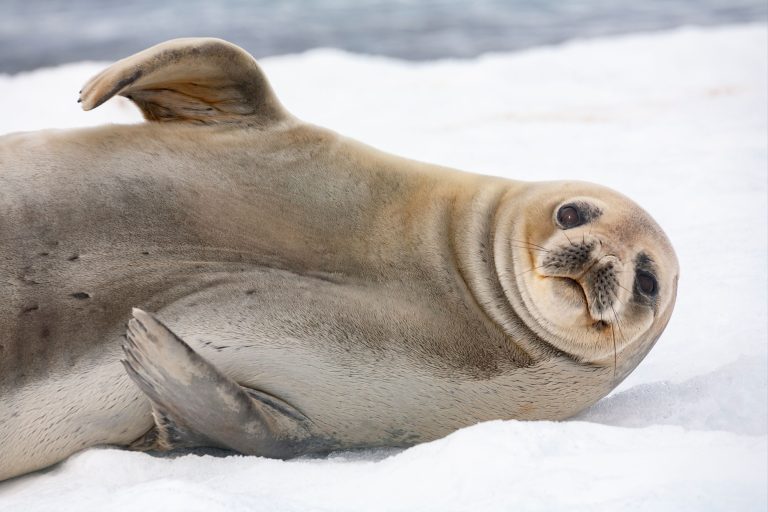

In America, there are some places that feel like the animals got there first…and never gave up. We have islands packed with seals & caves stuffed with bats. We even have remote parks where moose are able to roam freely without any neighbors. Here are thirteen places where animals outnumber people. Would you spend a week in any of these places?
Featured Image Credit: Shutterstock.
St. Paul Island, Alaska
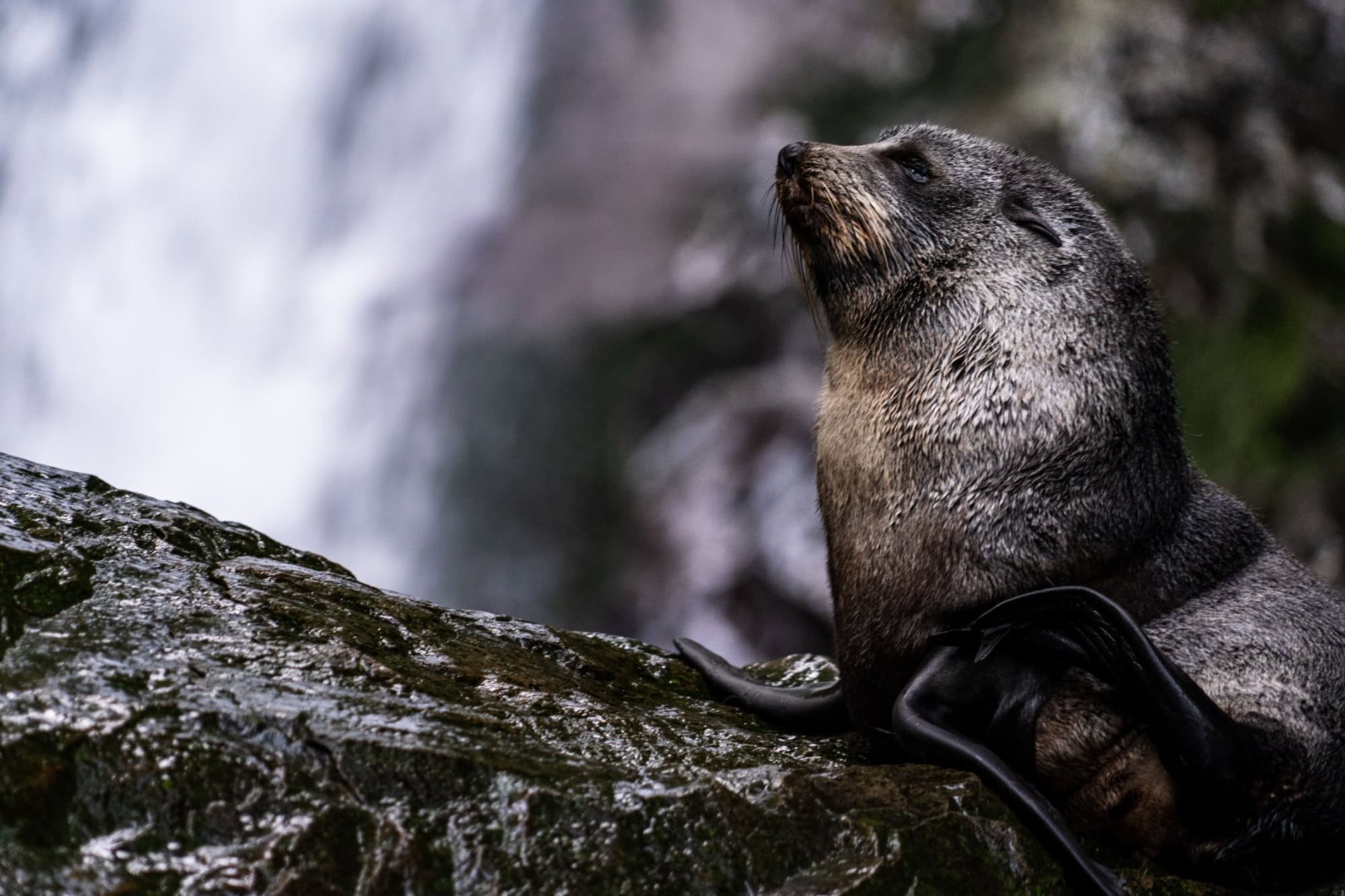
Every summer, St. Paul Island’s shoreline turns into a popular place for seals. Northern fur seals haul out in the hundreds of thousands & the National Oceanic and Atmospheric Administration (NOAA) tracked nearly 180,000 pups in 2022. But the local town only had 532 people at the last census. That means that during breeding season, the island feels far more seal than human.
St. George Island, Alaska

But seals don’t just stop at St. Paul, as the neighboring St. George Island gets its fair share of these creatures, too. There were approximately 50,000 pups there in 2022, compared to only 67 people. Even with such a small population, the island still has a tiny airport & school, as well as places to go fishing.
Nunivak Island, Alaska

Nunivak Island is out in the Bering Sea & is better known for its prehistoric-looking muskox. There are approximately 500 to 550 of these animals, but only 200 human residents in the Cup’ig community of Mekoryuk. Living here means living in tundra country…built for oxen.
Admiralty Island, Alaska

There’s a saying in Southeast Alaska that there are more bears than people, and Admiralty Island is a place where that’s true. The town has around 1,560 brown bears roaming the salmon streams & rainforest. Meanwhile, the island’s only city is Angoon. It has around 500 people, so running into bears while berry-picking is part of living here.
Bracken Cave Preserve, Texas

Anyone who drives north of San Antonio may hit Bracken Cave, a cave where 15 million Mexican free-tailed bats live each summer. It’s the largest known bat colony on Earth. Nobody lives in the preserve itself, though, as it’s run by Bat Conservation International. But you’ll see the skies fill with rivers of bats every dusk.
Congress Avenue Bridge, Texas

Austin’s downtown Congress Avenue Bridge looks ordinary…until sundown. There are around 1.5 million Mexican free-tailed bats living here, which sleep through the day & pour out over Lady Bird Lake at night. That’s slightly higher than the human population of roughly 993,000 by the 2024 census.
Monomoy National Wildlife Refuge, Massachusetts

Monomoy National Wildlife Refuge in Massachusetts is another seal resort. According to scientists, around 30,000 to 50,000 gray seals live near the sandy spits & shoals, while there are no humans living on Monomoy. It’s all refuge land. As such, for months of the year, seals practically own the shoreline.
Southeast Farallon Island, California

You’ll find Southeast Farallon Island just 30 miles from San Francisco, and it’s a place that belongs to the birds. Literally. More than 300,000 common murres live on the cliffs with other seabirds & elephant seals, too. Interestingly, only a handful of researchers stay on rotation. There are no grocery stores or neighborhoods.
Santa Cruz Island, California

Santa Cruz Island is the largest of the Channel Islands & it has no town at all. But it’s crawling with life, namely foxes. Biologists counted over 2,900 of these animals living there in 2023, while campers & researchers rotate in and out. The only permanent residents are foxes.
Assateague Island, Maryland/Virginia

Assateague Island is split between Maryland & Virginia. But don’t let that fool you, as it’s the wild horses that run this island, with herds totaling a couple hundred animals across the island. Now compare that to the fact that there are zero permanent neighborhoods. There are only visitor centers & ranger stations, as well as seasonal campsites.
Isle Royale National Park, Michigan

You won’t find any towns or villages on Lake Superior’s Isle Royale. Instead, you’ll only see moose. Researchers counted around 840 of them in 2024, along with a few dozen wolves, while ferries only bring in campers for summer. It’s moose country again as soon as they leave, especially during the winter.
Round Island, Alaska

Round Island is little more than a rocky bump in the Bering Sea. However, it’s world-famous for its walrus population that numbers around 8,000 to 12,000 during the summer. Any visitors here will need permits & can only stay in designated blinds since nobody lives there year-round. It’s just walruses most of the time.
Dry Tortugas, Florida

Once the sooty terns move in, you’re not allowed to visit Bush Key in the Dry Tortugas. Roughly 80,000 pairs nest there every year & take control over the island. So much so, in fact, that the National Park Service closes the area until they’re done, with no houses & no hotels. Only birds, covering every bit of sand.
Sources: Please see here for a complete listing of all sources that were consulted in the preparation of this article.
Like our content? Be sure to follow us.


