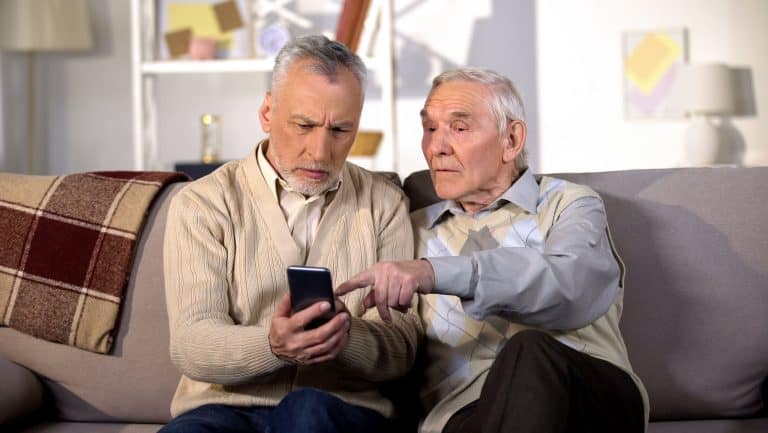

Surprisingly, many of those ingrained habits your grandparents have aren’t a sign of stubbornness; they’re just doing things the way they used to.
Just keep it

Step into the garage or basement of an older person’s home and you will find piles of empty television boxes, blender boxes, shoe boxes, and neatly organized paper instruction manuals stored in folders.
In the past, you needed the original box to return something broken to a store, and necessary machinery instructions came in physical booklets you had to flip through.
Now retail stores accept returns with just a barcode on your phone, and every instruction manual in existence can be found within two seconds on Google PDF.
Guarding luggage

The second your luggage belt starts moving at the airport, elderly people will crowd their bodies up against the railing until there’s no possible way to see the conveyor behind them.
They do this because back in the day bags used to get stolen from baggage claim and there weren’t tracking systems.
Even though airports now have security cameras, airline apps ping your phone when your luggage makes it to the carousel, and bags have computerized luggage tags, their ancient fear of losing their bags compels them to form a human blockade around the conveyor belt.
The finger jab
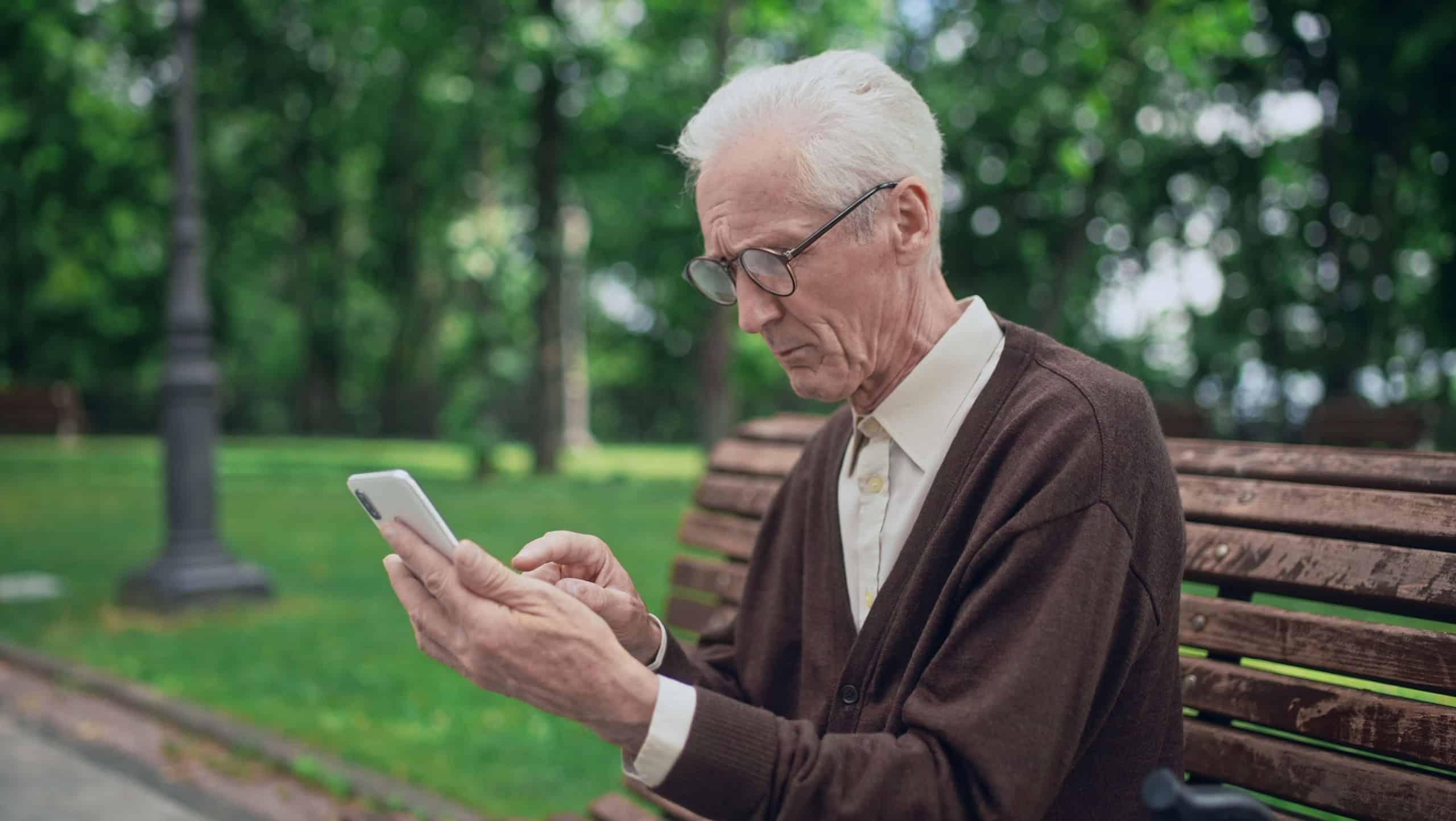
Hold a phone or tablet out to your grandma or grandpa and watch as they tense up their pointer finger like a sword, jabbing hard down on the glass.
Your modern touchscreen doesn’t need pressure to accept commands like the old screens did back in the early 2000s; it simply responds to the electrical charge already present in your skin with a gentle swipe.
Since no one intervenes, your elders will put unnecessary stress on their hands cursing at phones that seem not to listen when a gentle touch is far more effective.
One last click

Did you just shut down your desktop computer? Old people will 100% reach for the button on the front of the monitor to turn that off separately too.
Back in the day, this was necessary because CRT monitors risked screen burn-in or drained a ton of energy when left active. New monitors go into an instant black screen “sleep mode” the second your computer shuts off.
They continue pressing the off button out of habit even though it does nothing.
The pre-scrub

You’ll see it quite often, older people spending a good ten minutes meticulously scrubbing grease and bits of food off a dinner plate with soap and a sponge before even thinking about putting it in the dishwasher.
The first domestic washers released in the ‘70s and ‘80s were pretty feeble and would quickly clog up or burn food onto the glass plates if not pre-rinsed.
Newer models have powerful turbidity sensors which detect how dirty the water is so they can optimize for how strong to make the cycle.
Pre-washing your plates actually fools these sensors into believing you’ve run a rinse cycle already, causing it to do a weaker wash.
Paper backup

Despite having a smartphone on the dashboard with live GPS, plenty of elderly people will still print out multi-page, physical maps complete with turn-by-turn directions before driving somewhere new.
They are used to paper maps or early internet mapping services where losing cellular signal or battery life meant getting stranded with no help at all.
They find a kind of psychological reassurance in paper that online maps can’t provide, which is why they print out pages of directions they’ll never consult.
The full signature

Despite already knowing that their child/grandchild surely has their contact info saved in their phone, an elderly person will consistently sign off at the end of even the shortest text conversation with “best regards” and their first and last name.
They’re essentially taking the customs of snail mail and old-school business dispatches and fitting them into a format built for speedy, back-and-forth chats.
Because no one told them their name is already permanently displayed at the top of the conversation window, they continue to address each message as if it’s a letter.
Battery panic

Observe someone elderly use an iPhone and you’ll notice they repeatedly swipe upwards to close every app they opened that day.
They believe keeping apps open in the background consumes battery and performance, which was necessary back in 1990s PC computers.
Mobile operating systems have progressed past this; background apps are completely frozen with zero processing and battery impact unless visible on screen.
Maximum volume

Rather than taking advantage of accessibility features such as closed captions or high speech audio profiles, many older adults will just set the volume level on the TV to maximum.
They grew up learning to accommodate outdated stereo systems that required you to turn the whole thing up just to hear quiet dialogue over music.
No one has taught them how to adjust the audio balance or activate subtitles so they keep blowing out everyone else’s ears in the room.
Logging out

Whenever an older person is done reading their email or checking their bank account online, they will scramble to find the “Log Out” button before minimizing the browser tab. In the era of dial-up and public computer labs, neglecting to log out would leave your personal data exposed for anyone to pilfer.
Modern personal devices, like smartphones and computers, utilize encrypted tokens for secure sessions, automatically logging out safely the instant an app or browser window is shut.
Polite Googling

Searching for a local business or weather forecast, an older person will type out a complete courteous question such as “Where is the closest hardware store located near me please?” into a search engine.
They act as if the search box is another human being, clinging to outdated web behaviors from the early days of internet portals that couldn’t index keywords properly without situational context.
Now search uses raw keywords and geodata, so the extraneous filler words only crowd their search results, yet they continue to behave this way.
The milk sniff

Ask an older person to open a carton of milk. Half the time they’re going to sniff it before pouring a glass. They just automatically do it. Most don’t think twice about giving the milk a quick sniff.
It’s a deeply ingrained habit from a time when milk spoiled much more rapidly. Refrigeration and transportation systems were poorer years ago. So it was second nature to smell milk before drinking it back then.
Thanks to better packaging and refrigeration, milk lasts longer these days. But that instinct never went away for most older folks.
First wash ritual

You’ll find that many seniors are reluctant to sport a new blouse or skirt until it’s been thoroughly rinsed and worked around in cold sink water.
Years ago, manufacturers would treat clothes with starches and strong formaldehyde sizing to prevent wrinkles on display, and this stuff could really chafe the skin.
Still, even though today’s clothes aren’t loaded with those nasty chemicals, seniors keep treating their perfectly clean new outfits as if they’re toxic.
No one has explained to them that stores don’t use those chemicals like they used to, so they spend hours scrubbing laundry that doesn’t need it.
Sources: Please see here for a complete listing of all sources that were consulted in the preparation of this article.


