

Winning an Oscar is obviously a big achievement, but some of the movies that bagged one come with ideas and real-life issues that make them really hard to watch today.
Kenya stays in the background

One thing that Out of Africa gets right is how it shows the landscape of Kenya. There’s a lot of long grass and beautiful mountains, plus gorgeous sunsets and planes gliding over huge stretches of land. But the Kenyan characters themselves don’t really get to exist.
You see a romance between Blixen and Denys Finch Hatton, yet the African characters themselves get nothing. They’re servants or workers. They’re around the edge of the story, without having real parts in it. Kenya at the time complained about it, but still, it went on to win seven Oscars.
A very different Old South
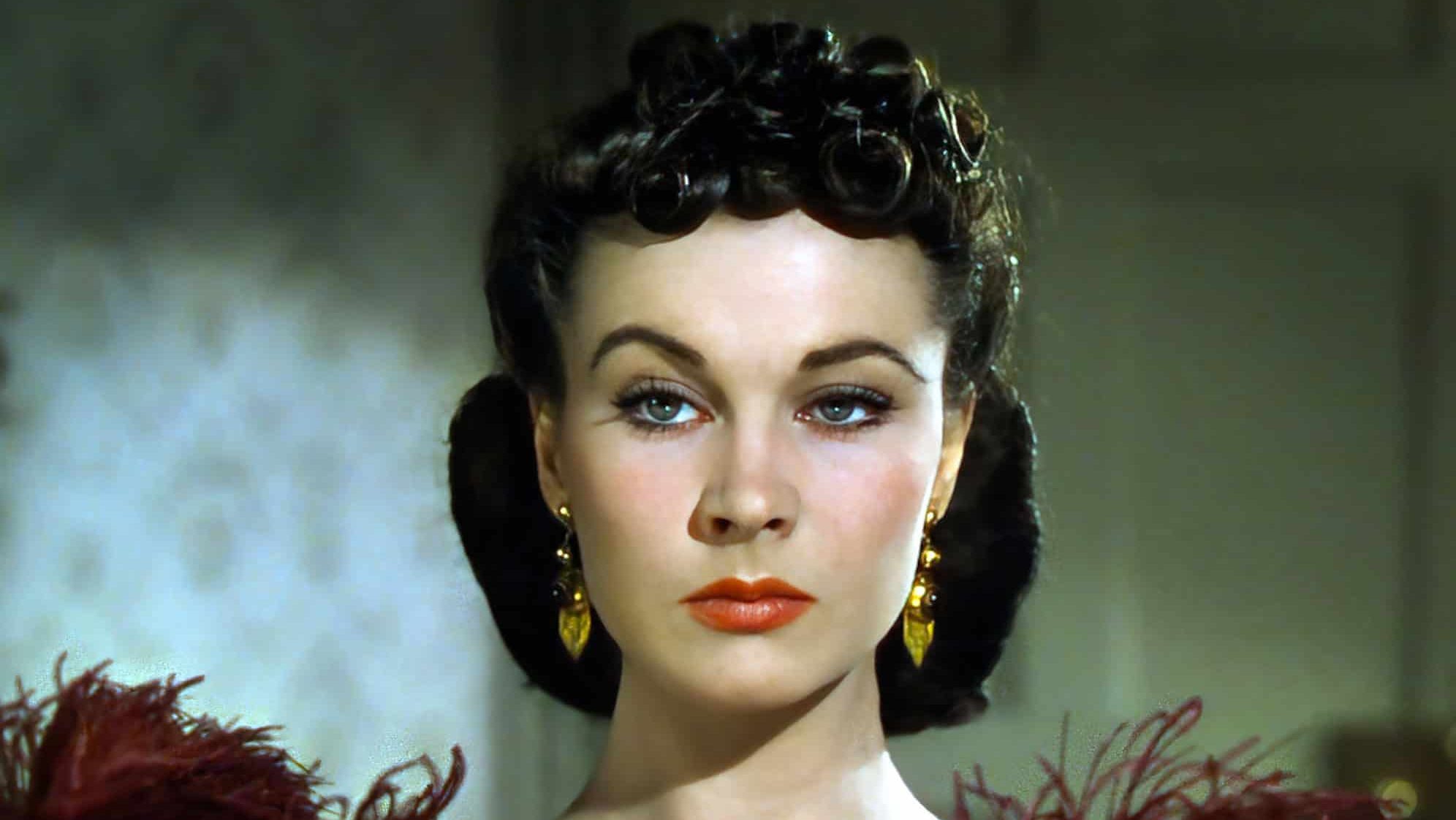
There’s no denying that Gone with the Wind is just as huge and glossy as it was when it was first released. The problem is, the plantation world at its center is a little hard to sit with now. The movie pushes slavery so far into the background that Tara, the plantation house, feels more like a lost paradise.
It doesn’t seem like a place built on enslaved labor, but it absolutely was. Mammy and other Black characters in the film are mostly shown as loyal servants, too, rather than the slaves they would’ve been in real life. The film still managed to win eight competitive Oscars, including Best Picture and Best Actress for Vivien Leigh.
Lessons for Gigi
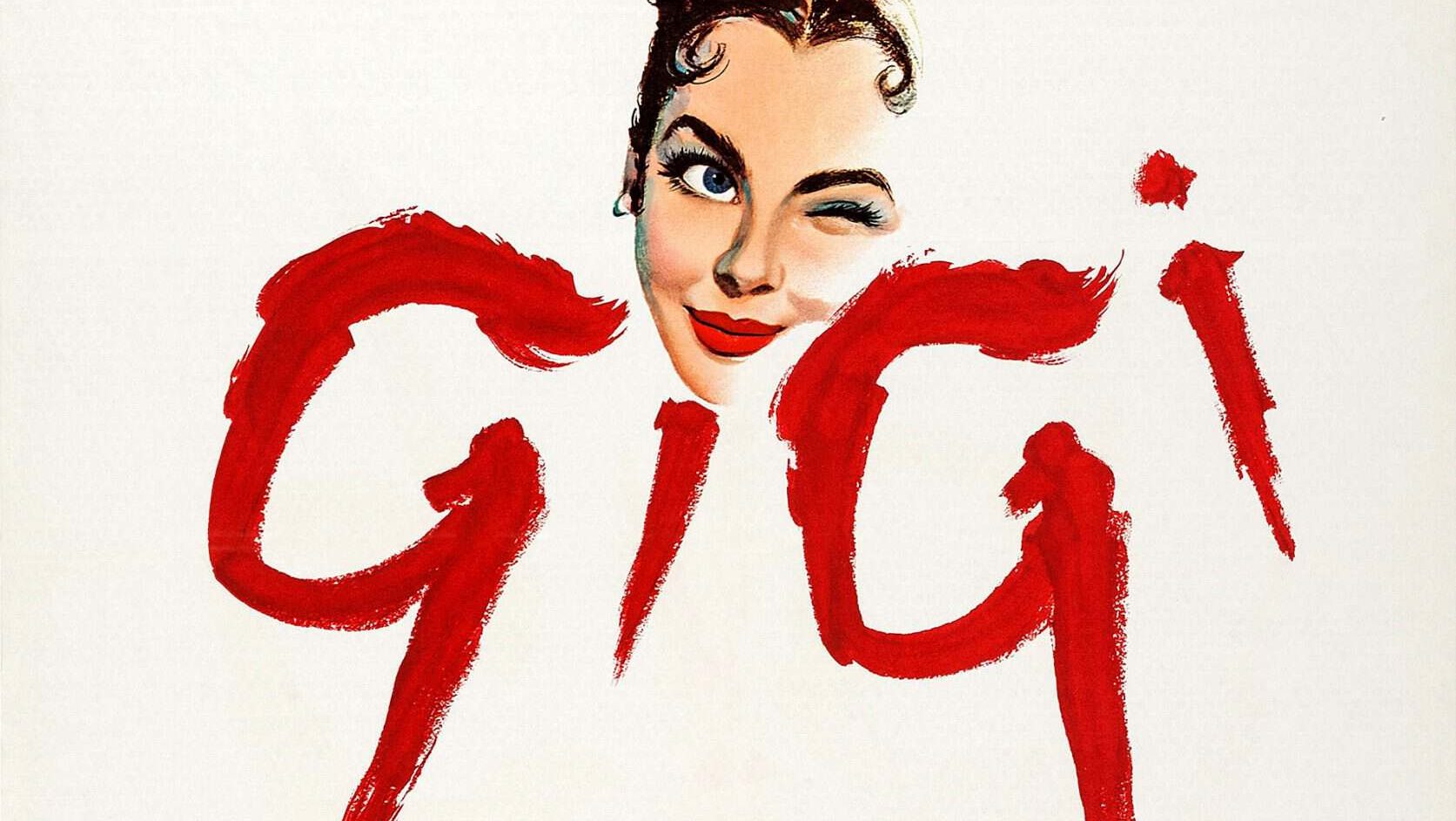
Gigi features a lot of champagne and pretty dresses. It also features the main character, Gigi, essentially being groomed to become the mistress of a wealthy man. She’s only a young girl. But older women give her lessons covering jewels, dining, manners, and how to behave around men.
It’s pretty hard to sit through something like that nowadays. The film itself won all nine Oscars it was nominated for, including Best Picture, Best Director, and Best Adapted Screenplay. Yet the opening song by itself, ‘Thank Heaven for Little Girls,’ makes it feel uncomfortable.
A trip into the mountains
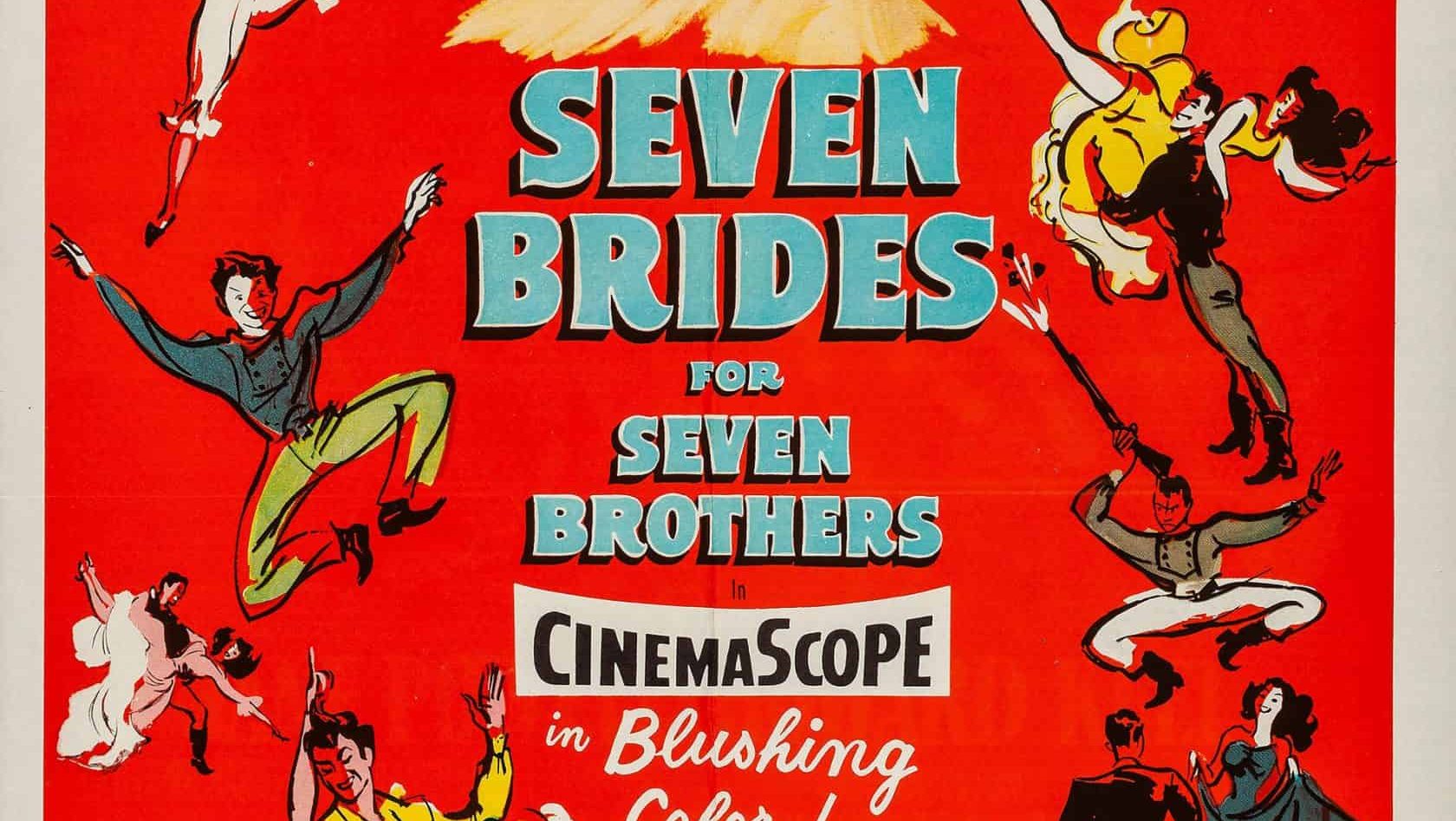
One of the strangest parts about Seven Brides for Seven Brothers is how quickly they make kidnapping into part of the ‘fun.’ Adam tells his brothers about the Sabine women, so they all head off to town to abduct the six women they want to marry.
An avalanche causes the women to be stuck with the men until spring. That’s when romances develop between the men and women, although it all seems rather uncomfortable by modern standards. It’s not something that would fly today. The film earned five Oscar nominations and won for its musical scoring.
Anna knows better
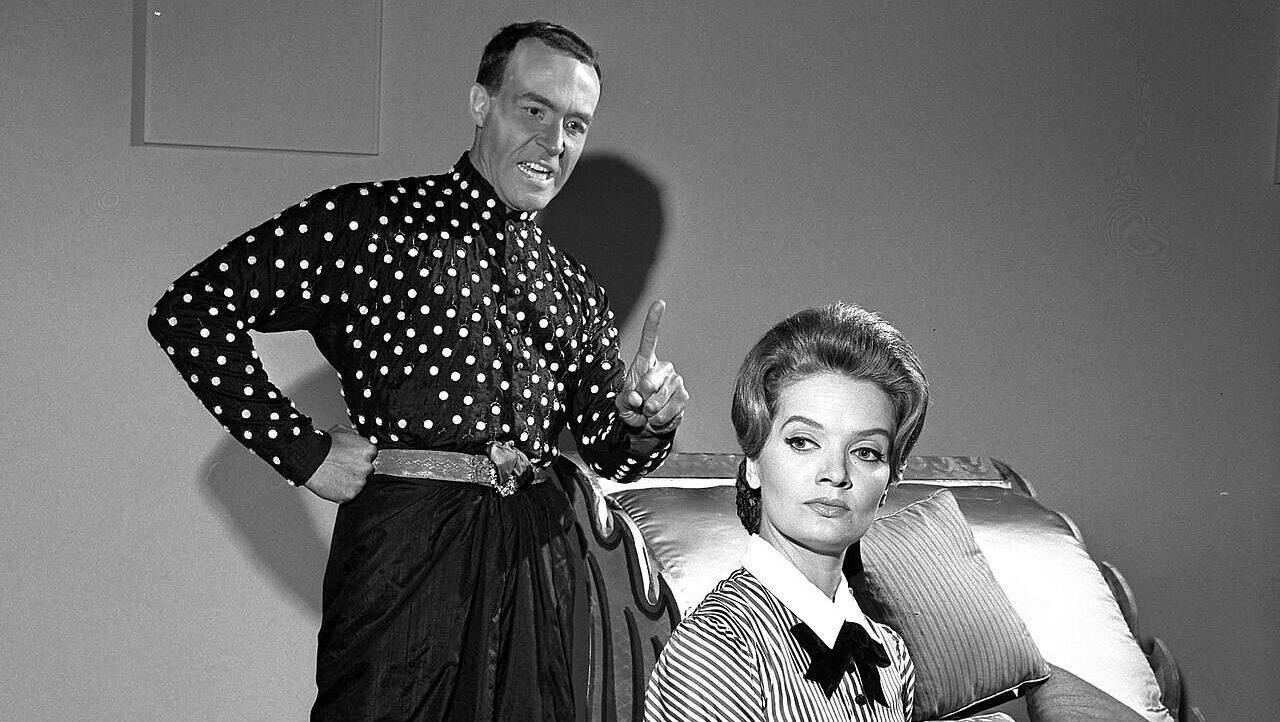
There’s a real cultural problem in The King and I. The film won five Oscars, but there’s a lot to be said about Anna and how she ‘teaches’ King Mongkut. She arrives in Siam, modern-day Thailand, and is constantly correcting King Mongkut to make him seem more proper and Westernized.
Thailand took the film so badly it actually banned the movie, especially over its portrayal of the king. It’s still a lavish musical, of course, but it’s hard to look at how it treats different cultures.
Popeye plays by his own rules

It’s not hard to see the problem in The French Connection. The film features police officer Popeye Doyle, who’s openly racist and violent. He’s utterly reckless, yet the movie expects viewers to see him as the hero and someone to support.
The film is a thrilling piece of filmmaking. That’s still true. It’s just that the way that it deals with race and police prejudice seems a little questionable in today’s world. Still, the movie won five Oscars, including Best Picture and Best Actor for Gene Hackman.
The plantation Disney left behind
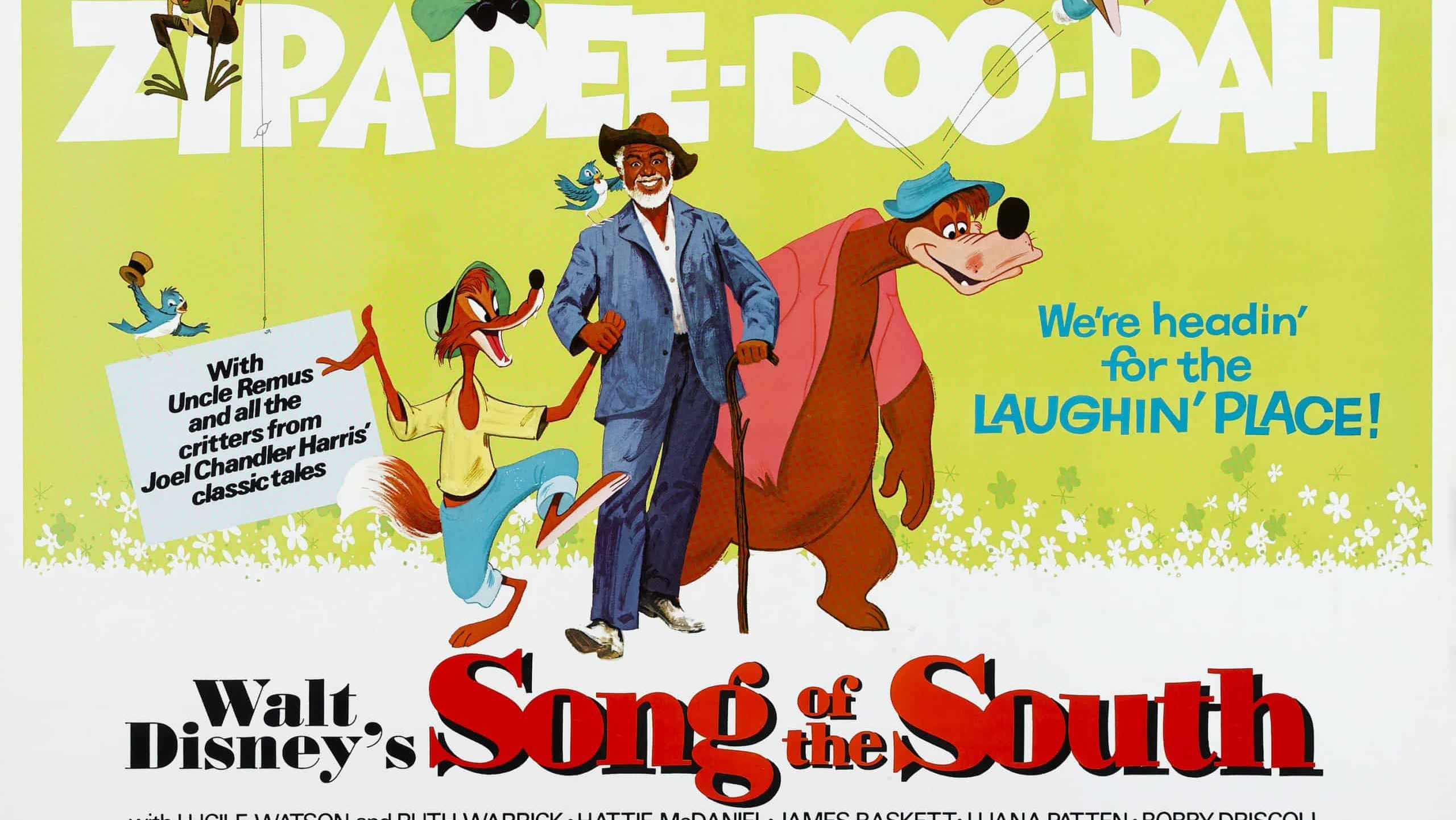
Don’t bother looking for Song of the South on Disney+. You won’t find it there. The film takes place in the post-Civil War South, and treats plantation life in a very warm and positive way. The real, brutal history behind slavery doesn’t seem to really exist.
Uncle Remus, one of the Black characters, spends a lot of the movie happily telling stories to a white boy on the estate, and speaking about his memories of plantation life positively. Disney has never released the full film on home video in the U.S., or on streaming. It’s easy to see why.
The story behind the camera

Chinatown was never exactly a popcorn flick as it deals with some rather difficult topics. But it’s what was happening behind the scenes that makes it even harder to watch. The final part of the film reveals that Evelyn Mulwray’s daughter, Katherine, is also her sister. Evelyn’s father, Noah Cross, abused Evelyn, and she gave birth to her daughter/sister.
That was horrible enough in 1974, but the movie is now harder to watch when you think about the director. It was Roman Polanski. He pleaded guilty in 1977 to unlawful intercourse with a 13-year-old girl, so it’s almost like the story was a reflection of his own life. Truly disgusting stuff.
Lester’s fixation
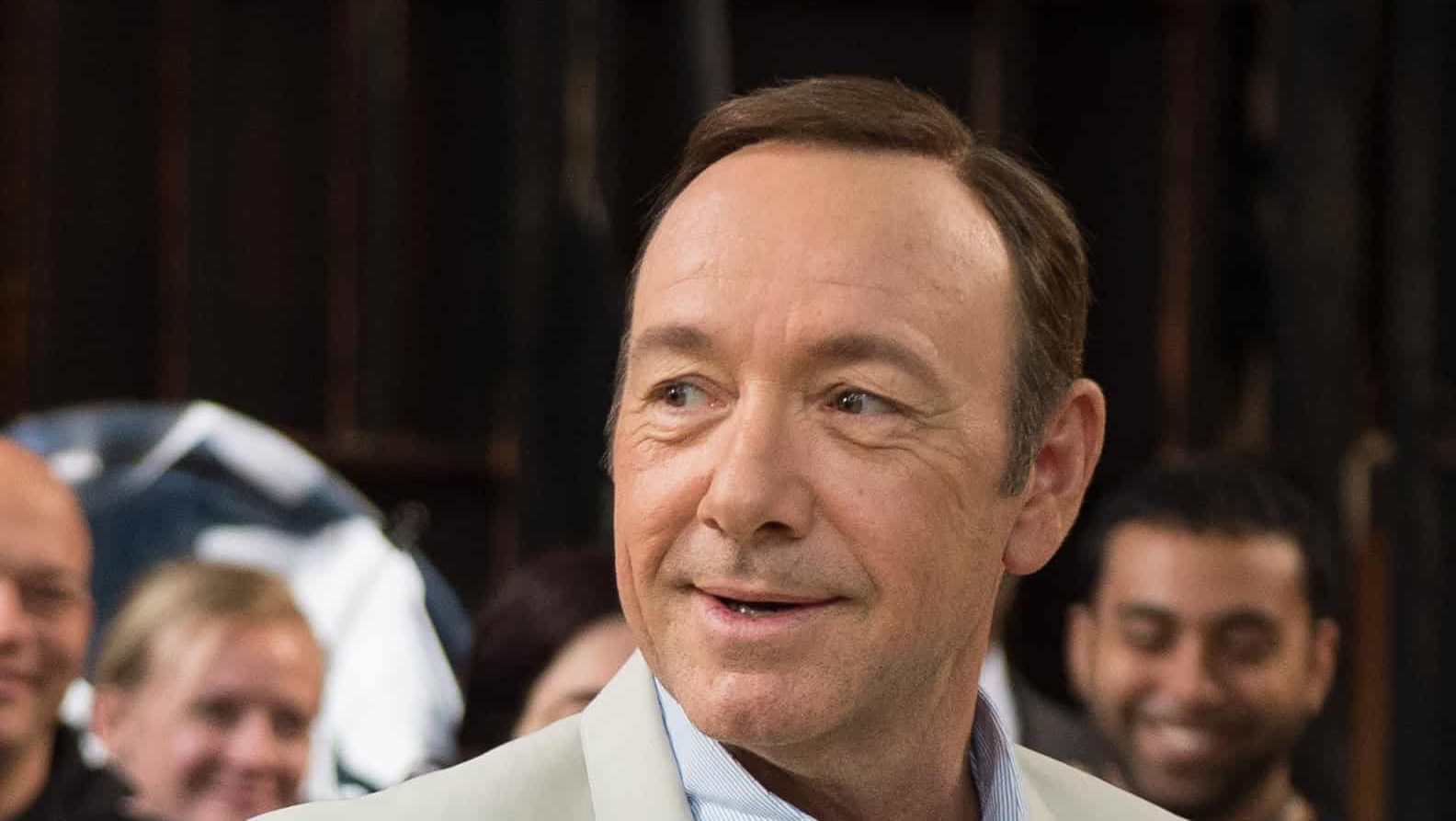
A lot of American Beauty revolves around the father character, Lester Burnham, fantasizing about Angela, his teenage daughter’s high-school friend. The movie returns to those fantasies repeatedly in a dreamlike way, until Lester nearly sleeps with her. Lester is played by Kevin Spacey.
Yes, that Kevin Spacey. Multiple men accused him of misconduct years after the film was released, and that has made a lot of those scenes even more uncomfortable. The movie won five Oscars.
The adoption at the center
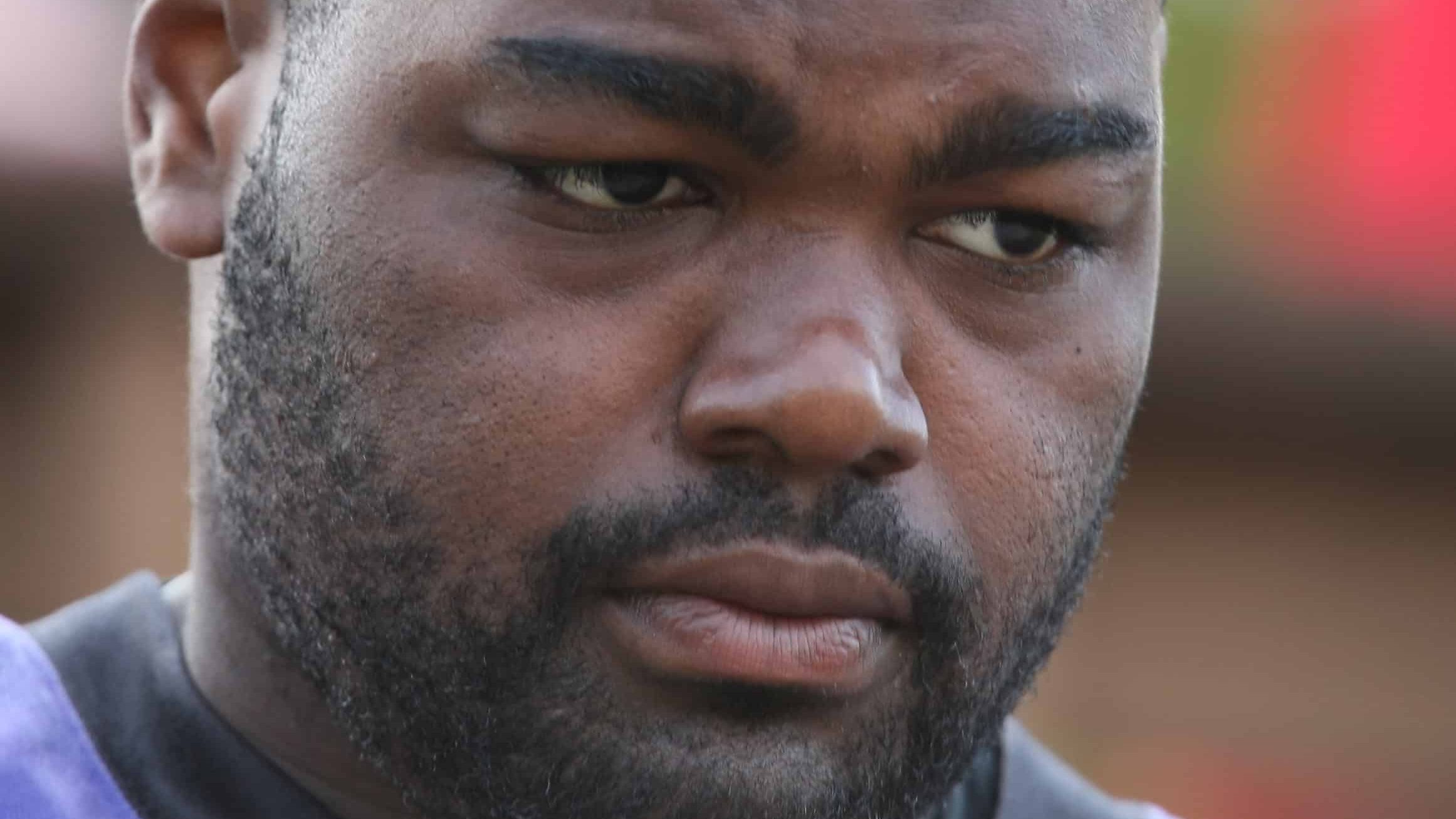
The Blind Side tells the story of the Tuohy family adopting Michael Oher and giving him a permanent home before he became an NFL star. Except, that’s not what happened. Oher later filed a lawsuit against the Tuohys, claiming they’d put him under a conservatorship.
Oher said it gave the Tuohys legal authority over parts of his life and finances, leading to a Tennessee judge ending it in 2023. That fact makes the film’s several feel-good scenes seem a lot less positive.
Life after the cameras stopped

The story of Slumdog Millionaire sure is heartwarming, and that’s one of the reasons it won eight Oscars. The reality of it certainly isn’t. Two of the young actors, Rubina Ali and Azharuddin Mohammed Ismail, played children in poverty in the film.
They were still living in slum housing after the movie became a worldwide success. Then, local authorities demolished their homes and left the children homeless. The filmmakers did help arrange housing afterward, however. Even so, it’s kind of hard to accept that the film’s portrayal of poverty hit a bit too close to home for some of the actors.
Dorothy gets the job

Getting the part is just the start of Michael Dorsey’s problem in Tootsie. He pretends to be a woman named Dorothy Michaels and keeps the act going everywhere, including around women who think they’re talking to another woman. That includes sharing private spaces with them.
He also forms close friendships under a false identity and gets pretty involved with Julie, but without telling her who he really is. It might be funny in the broad 1982-comedy sense, yes. But it also makes for some pretty uncomfortable viewing now.
Loretta grows up fast
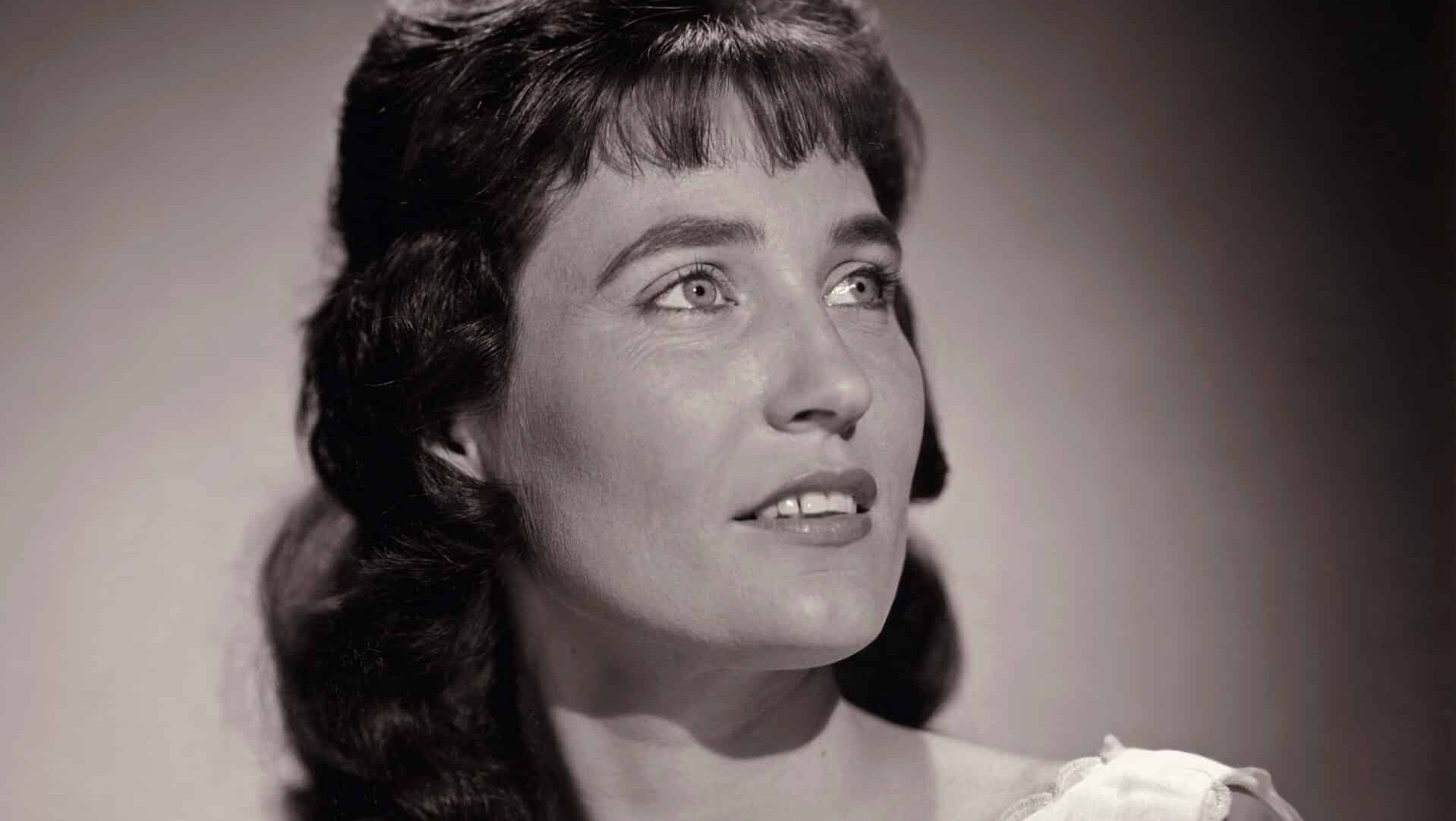
There’s a detail in Coal Miner’s Daughter that’s sometimes easy to miss, but it’s pretty important. It shows Loretta Lynn as only 13 when she marries Doolittle ‘Doo’ Lynn. In reality, she was actually 15, while Doo was 21, but that doesn’t exactly make the age gap better.
It’s a pretty difficult watch in some places. All that drinking and those affairs make it clear that this wasn’t a happy marriage, yet the film went on to receive seven Oscar nominations. Sissy Spacek won Best Actress for playing Lynn.
Sources: Please see here for a complete listing of all sources that were consulted in the preparation of this article.
14 famous women frequently ranked among the world’s most beautiful
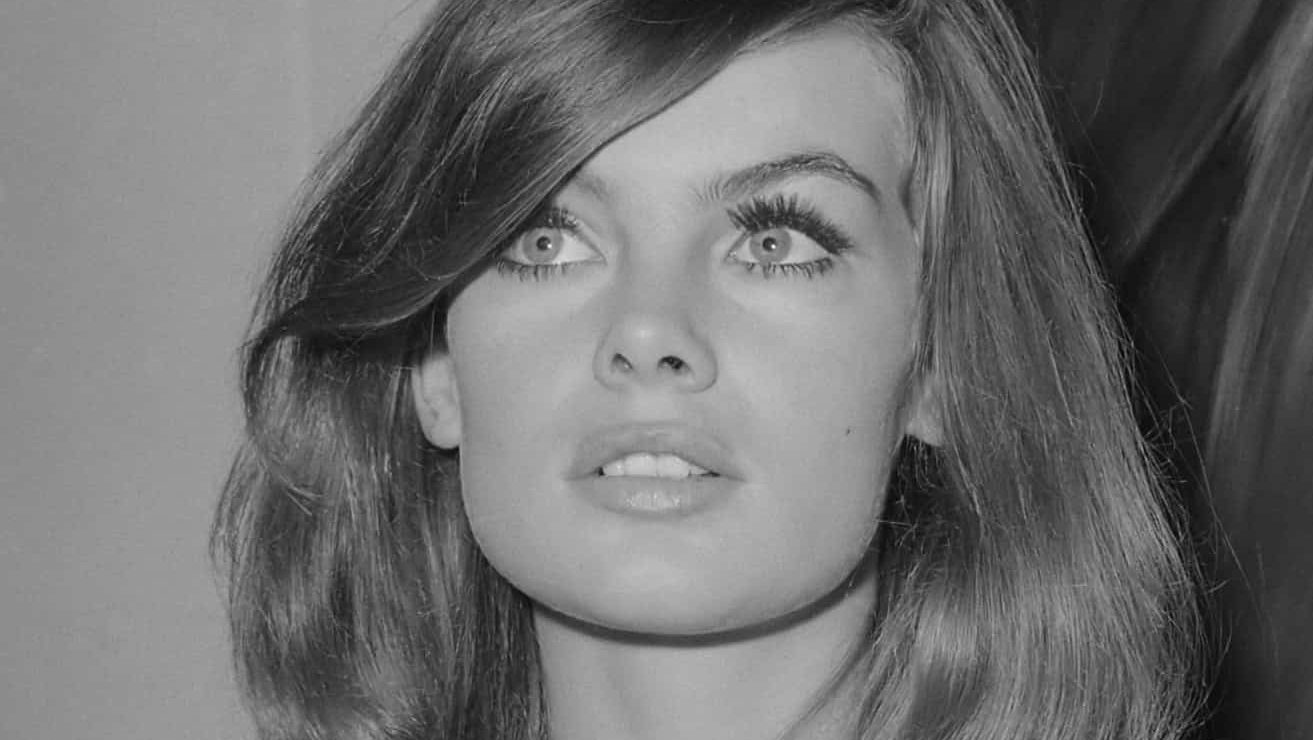
While beauty lists come and go, there are some famous faces that keep turning up again and again, no matter how many decades have passed.
14 famous women frequently ranked among the world’s most beautiful

