

The brightest minds I’ve encountered were often trying their hardest not to stand out.
Quiet sync

Rather than bulldozing through conversation with big words and fast-paced rhetoric, they subconsciously pace themselves with you.
This goes beyond trying not to sound pompous; they are operating on such a high level socially that they can sense fluctuations and sync up with you without even thinking about it.
You’ll find they never dominate a conversation, yet effortlessly follow even your most out-there thoughts.
Deeper angle

Of course, everyone wants to know more, so they ask questions when something’s unclear.
But the strategic genius will ask questions that begin to break down the operating system of the topic being discussed.
They’re more likely to ask why a step goes wrong, rather than what the step is.
Basically, they’re already mapping things out in their heads, even before others catch up.
Mental trash can
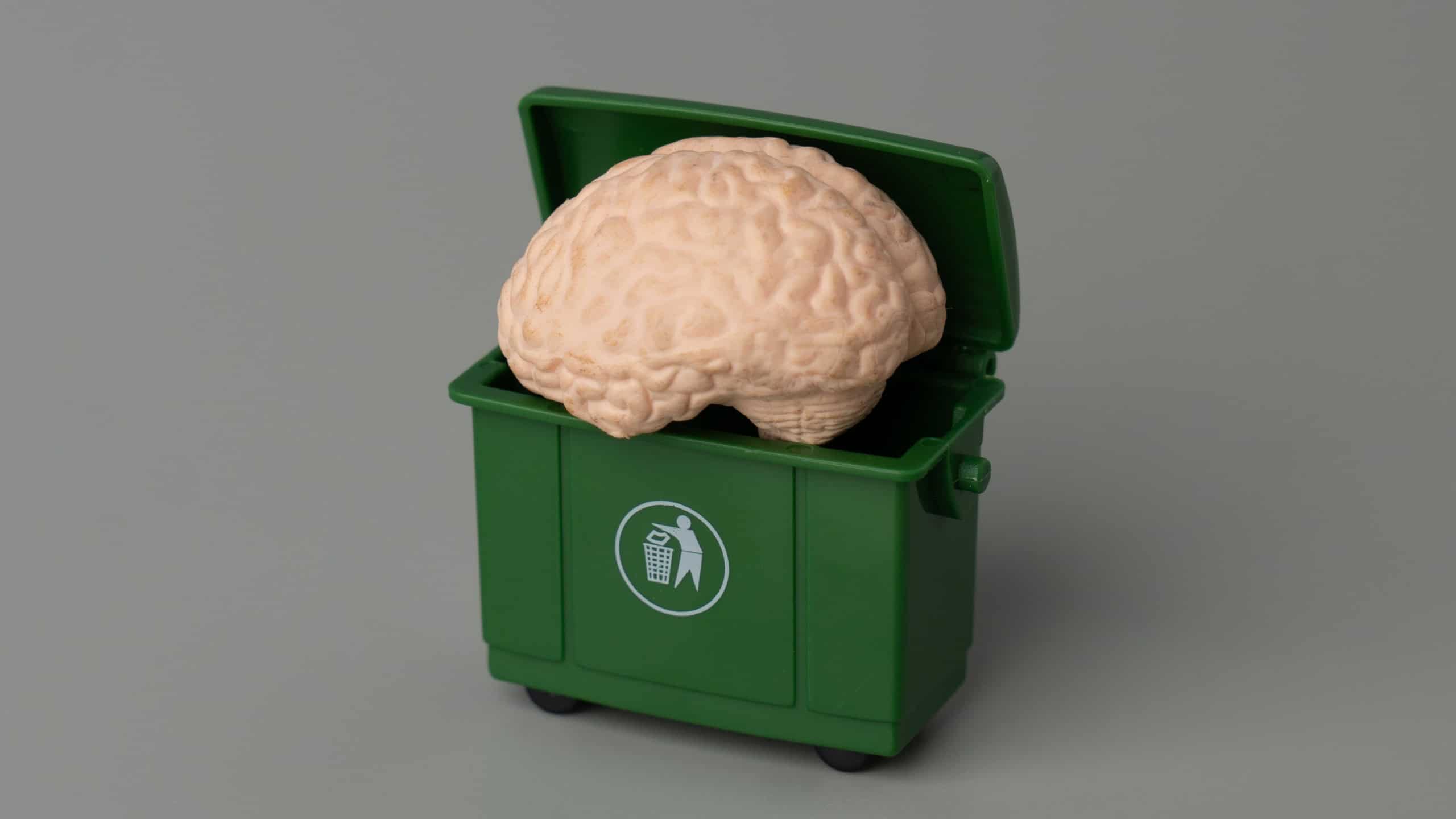
They don’t store life in their brains. They’ll forget some trivial celebrity scandal, yet remember that weird thing you said a decade ago.
It’s not like their memories are better across the board. They’re just particular about what they store.
If it serves no purpose, they delete it without remorse.
Strange links

You ask them a question, and they don’t answer right away. Instead, they tell you how cultivating basil gave them an epiphany, or how making a soufflé helped them understand an entire system.
It sounds crazy, even tangential. But if you stick with them for a moment, you realize it kind of makes sense.
They see the world in patterns, not straight lines of cause and effect. So they’ll take an idea from one place and apply it to something completely different.
That pause

They wait a fraction of a second after you speak when you say something complex. Others will interrupt immediately or pretend to understand. They don’t.
It’s only a second. Just enough pause to feel comfortable. You feel heard because they’re processing your words.
And then they reply, effortlessly and easily. You can tell they took a second to get it right.
Ego off

They don’t mind being the dumbest person in the room. They aren’t in any hurry to prove themselves.
If someone is telling them about something they already know, they just listen along.
They care more about understanding people rather than impressing them with what they know.
Inside detail

They don’t appear to be anything special. Plain clothes, modest setup and nothing flashy.
Then you notice their work or the intricacies of something they care about. It’s nothing like their plain exterior.
Edge awareness

They listen carefully in group discussions. They pick up things other people don’t hear.
That sarcastic remark, the throwaway joke, something muttered beneath the roar of the crowd.
They may smirk or react slightly while others continue to pay attention.
Puzzle mode

They don’t let themselves get rattled by big problems.
It’s not because they faux relax, but because they approach it as a problem to solve.
While others panic, they calmly orbit around the problem from various perspectives.
Guilty pleasures

One might stumble across a genius physicist who really loves watching professional wrestling or a great programmer who’s into trashy reality shows.
It’s not “messing around the gutter”; it’s needed contrast.
Their minds are always working with such intense abstraction that they need something completely raw and mindless for their prefrontal cortex to take a break.
Word swapping

Listen closely and you can almost hear them substituting that ten-dollar word with a different one mid-stream.
They have an expansive lexicon rattling around in their heads, but they opt for the most conversational diction they know.
Clarity is more important than sounding smart.
Hidden forecast

They’ll have a feeling about how something will turn out and be right nine times out of ten, even if they can’t put their finger on it immediately.
It isn’t mystical knowledge or crazy instincts.
It’s their brain subconsciously noticing small cues and comparing them to previous experiences.
Knowledge gaps

“I don’t know enough about that to have an opinion” will come out of their mouths far more frequently than you think is normal.
While most people will opine about everything, they will hold back if they know the foundation for their thoughts isn’t rock solid.
They realize how deeply topics can go and how shallow people take them.
Sources: Please see here for a complete listing of all sources that were consulted in the preparation of this article.
13 things people might say when trying to sound smarter

Sometimes, people try a little too hard to sound smart. Not because they have lots to say, but because they want it to seem that way.


