

Medical history has always been a little strange, but some of it involves such horrific human experiments that it’s hard to believe anyone thought it was a reasonable idea.
The cells they weren’t told about

Patients at Brooklyn’s Jewish Chronic Disease Hospital received an injection of skin cells in 1963. At least, that’s what they thought they were getting. Researcher Chester Southam actually injected them with live cancer cells to see how quickly sick patients rejected them compared with healthier people.
But he knew using the word ‘cancer’ would frighten them, and rightfully so. He chose to leave it out. The patients’ bodies rejected the cells. Some of the doctors Southam was working with refused to participate, as they saw the ethical issues of it all. They reported it, and Southam was put on probation for just a year.
Treatment went much further

Some human experiments are more mental than physical. Just look at what happened to patients at Montreal’s Allan Memorial Institute during the late 1950s and early 1960s. They checked into the psychiatric hospital for help.
Psychiatrist Donald Ewen Cameron’s program used heavy drug sedation and repeated electroshock treatments. He also forced patients to undergo sensory isolation. They ended up hearing the same recorded message, over and over again.
The goal was to see if he could break down patients’ existing behavior and rebuild it in a way that was ‘better’ for them. It actually led to some patients suffering from serious memory loss.
Mosquitoes became part of the prison routine
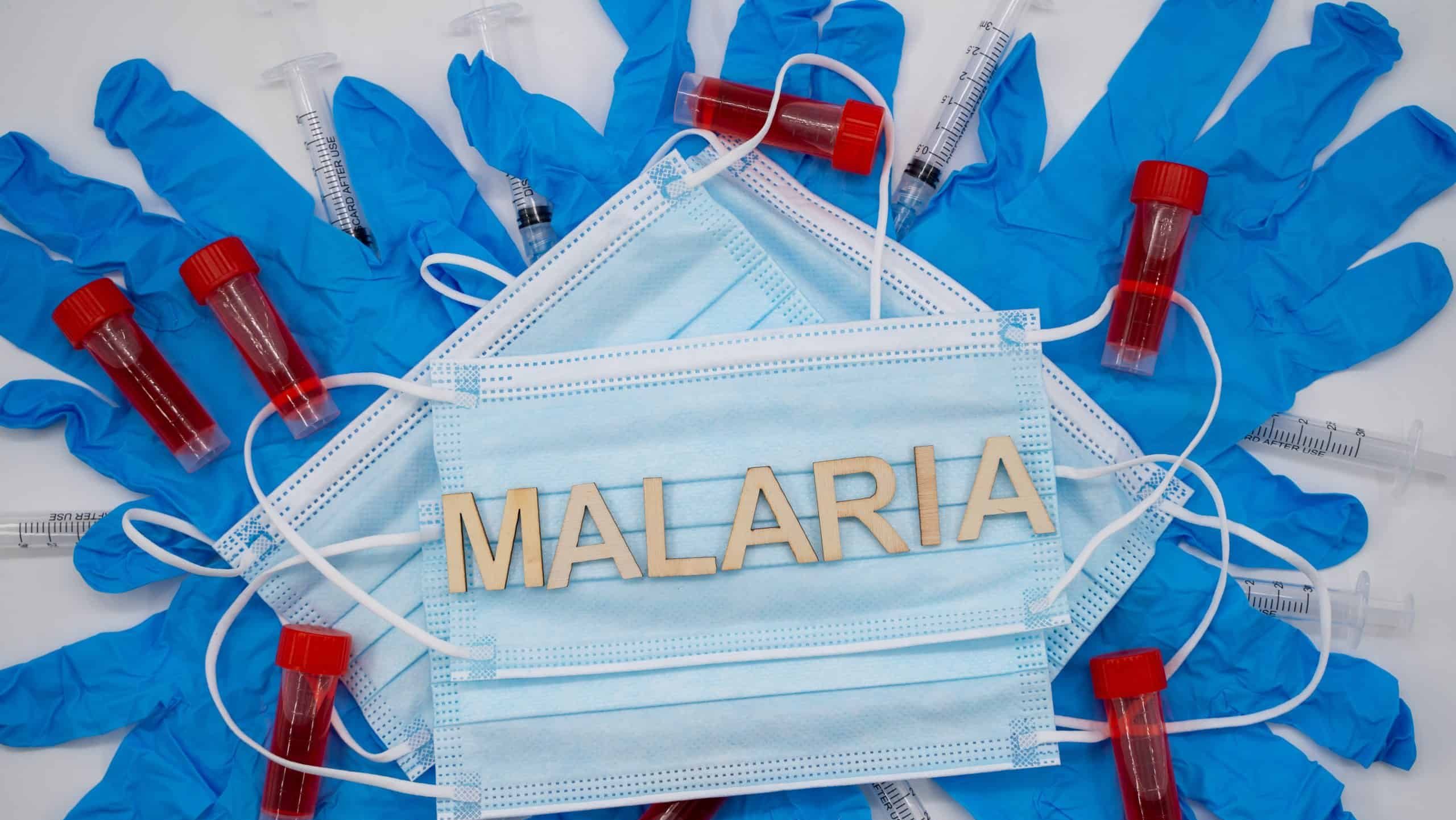
Malaria research was a big part of Stateville Penitentiary in Illinois during World War II. Prisoners volunteered to take part in experiments where they were deliberately infected with malaria, sometimes through bites from infected mosquitoes. The researchers then tested to see how antimalarial drugs worked on them.
The experiment lasted around two years and involved roughly 200 inmates. The patients did volunteer, yes, but some of the drugs caused severe reactions, and critics argue that the prison setting stripped them of their choices, anyway.
A radioactive dose arrived in the hospital

Ebb Cade was injured in a car accident in 1945 and was taken to Oak Ridge hospital. That was where doctors gave something that definitely didn’t help him. It was plutonium. He was the first of 18 hospital patients who were injected with the radioactive metal because the U.S. government wanted to research it more.
They wanted to see how the radioactive material moved through the body and how quickly it was excreted. Cade was never told what was going on. The scientists actually left his fractures untreated for twenty days before they started the experiment. He died in 1953 of heart failure.
The drink contained something extra

Pregnant women attending Vanderbilt University’s prenatal clinic in the 1940s received nutritional drinks while they were there. Except, they weren’t as nutritious as they thought. The Tennessee-Vanderbilt Nutrition Project ran secret tests by giving these women drinks laced with radioactive iron, just so they could study iron absorption during pregnancy.
The women weren’t told what the drink contained, and a follow-up study noted there were four cancer deaths among children in the exposed group. None of the children in the control group died. In other words, the Project had blood on its hands.
Speech lessons came with a hidden purpose

The experiments at an Iowa orphanage in 1939 later became known as the ‘Monster Study.’ It’s not hard to see why. The experiment divided 22 children into four groups. One group of stutterers and one group of non-stutterers were praised for speaking well and told they had no speech problems.
But then one group of stutterers and one group of non-stutterers were told their speech was getting worse. They were warned that they might become stutterers. The goal was to see if stuttering was purely sociological, but it went terribly. Many of the children became quieter and clearly uncomfortable about speaking. They later filed a lawsuit against the researchers.
The basement prison lasted six days

The 1971 Stanford Prison Experiment was supposed to run for two weeks, yet it was such a disaster that it only lasted six days. 24 male college students were given roles as guards or prisoners inside a fake prison. The guards were given control over the prisoners, but perhaps too much. They subjected prisoners to punishments and sleep disruption.
They humiliated the prisoners and became increasingly strict, to the point where they had to be removed because of how intensely emotional they were. The leader of the study, Philip Zimbardo, ended it after less than a week. It was widely criticized as both unscientific and unethical.
A loud noise changed the reaction

Psychologists John B. Watson and Rosalie Rayner were interested in the idea of conditioning people. That is, seeing if you can make people behave a certain way after changing their environment. They decided to test the theory on an infant named Albert in the 1920s. They showed him various objects and noticed he was fairly calm around them.
Then they showed him a white rat and made a clanging noise to scare the boy. They did it enough times that the boy began fearing the rat, even when there was no noise. He continued being afraid around other furry objects, too. They never tried to reverse the conditioning.
Disease became a military test

Unit 731 was presented as a normal research center. It was anything but. The Japanese military ran it in occupied Manchuria, part of China, and carried out horrific biological warfare research there. Some experiments involved deliberately infecting prisoners with plague, anthrax, or cholera.
Others involved them being subjected to vivisection, aka dissection on a living person. Some were also used to test biological weapons. A lot of the victims were Chinese, and researchers used their findings to support Japan’s biological warfare program in China. Truly dark stuff.
Twins were separated for measurements

It’s hard to know where to begin with Nazi scientist Josef Mengele’s experiments. One of his worst ones involved experimenting on twins at Auschwitz almost as soon as they arrived. He would measure and photograph the twins before injecting them. He subjected them to blood draws and X-rays, along with other procedures, just to see what would happen.
Sometimes one twin died, and then Mengele would have the other killed, simply so he could compare their bodies during autopsies. It took until Auschwitz’s liberation in January 1945 for the experiments to finally stop.
The water was kept near freezing

Auschwitz wasn’t the only concentration camp site for human experiments. Researchers at Dachau wanted to know how long German airmen could survive after crashing into freezing water. So, they decided to put camp prisoners into tanks of icy water and watch what happened.
Yes, really. They began these hypothermia experiments in 1942. Water temperatures sometimes went down as low as 36.5°F, or 2.5°C. They made prisoners either strip naked or dress them in flight clothing. Doctors tracked their falling body temperatures the whole time. To nobody’s surprise, some men died during the experiments, and researchers performed autopsies on their bodies later.
An implant was supposed to change sexuality
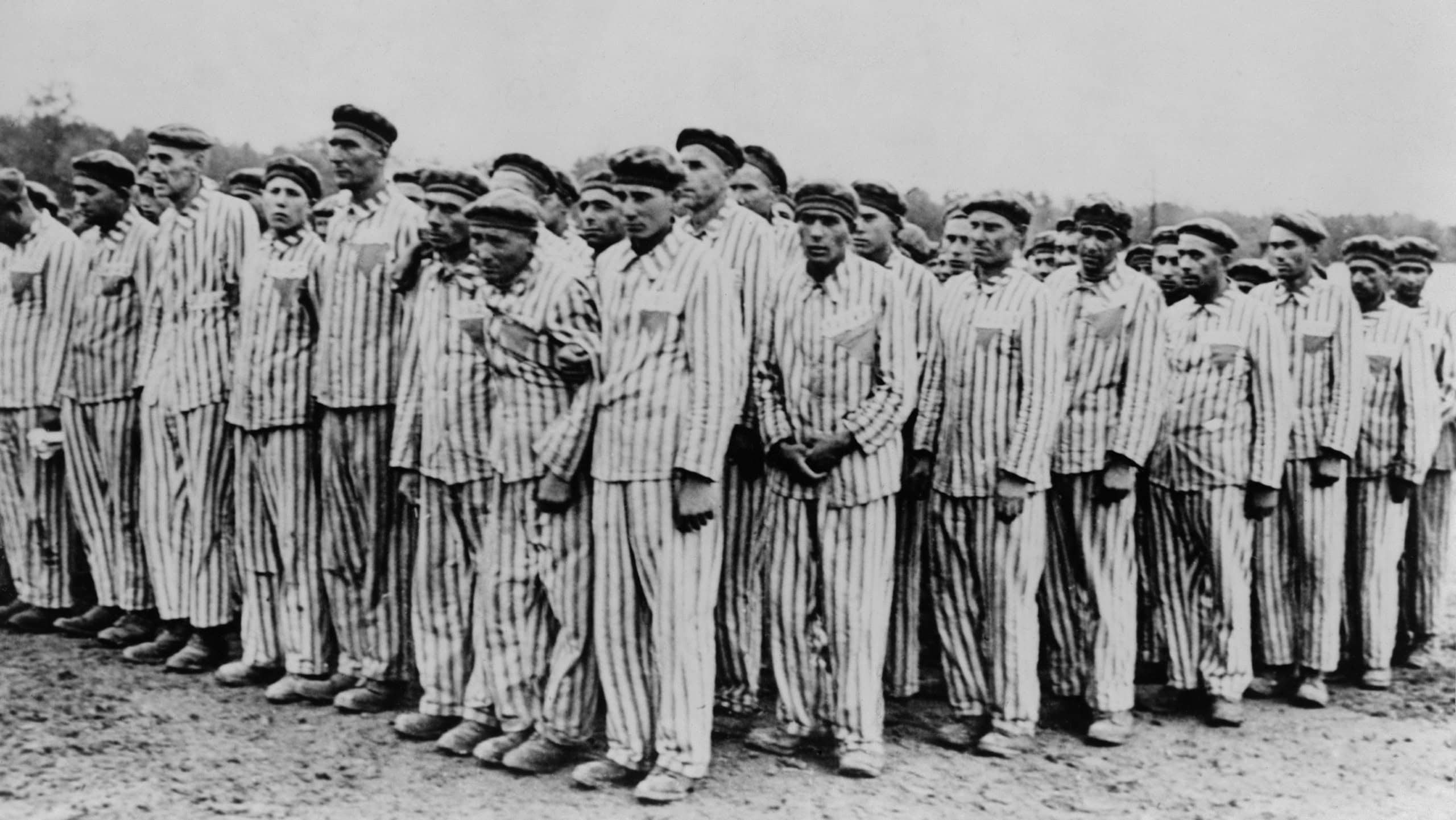
Danish doctor Carl Værnet had a theory. He believed that he could ‘cure’ homosexuality by changing a man’s hormones, so in 1944, the Nazi doctor began operating on gay prisoners at Buchenwald concentration camp.
He placed devices that he described as artificial male sex glands inside their bodies. He believed that these would release hormones that would change sexual behavior. It doesn’t take a genius to work out that it didn’t work. The results never came, and even Nazi officials stopped backing his work because they saw it was a failure.
Surgery became a survival test

Hermann Richter’s operations at Mauthausen concentration camp had nothing to do with medical care. No, he wanted to know how long someone could stay alive after losing an organ, or a large part of one.
He tested on prisoners. Richter removed the stomach, liver, and kidneys of various patients, then began timing them. It’s unclear what the ‘results’ were, if any. Richter committed suicide in May 1945.
Sources: Please see here for a complete listing of all sources that were consulted in the preparation of this article.
9 ‘unsolved’ mysteries where we’re actually pretty sure what happened

Podcasts love diving into unsolved mysteries, but these nine have answers the cops and historians already know.
9 ‘unsolved’ mysteries where we’re actually pretty sure what happened

