

Pets are rarely confused because they’re mischievous or lazy. It’s far more likely that we’ve been changing things, without being aware of it. To them, something we think is normal or harmless can seem chaotic and random when they’re watching routines and patterns all day.
Too many pet parents sheepishly confess to these things. Not because they were negligent, but because they were unaware. When lots of pet owners start talking about the same problems, it’s no longer coincidence. It’s something worth listening to.
Responding differently to the same behavior each time

You laugh at your dog one day for jumping. The next day you scold him for it. To your pet, the behavior remained the same. Only your response changed. Animals need consistency to learn cause and effect. If the reactions are different each time, the learning goes away and is replaced with confusion.
Penalizing behavior well after it occurred

The chewed shoes don’t come to light until hours later when you go ballistic. By this time your pet has long forgotten and moved on and has no memory of doing it. They can’t associate your response with their action. All they know is that people can randomly get angry for no reason.
Rearranging furniture without easing them into it

I learned this the hard way with our good old Jack. I moved some furniture one afternoon and forgot about it. When old Jack came padding in, he stopped to sniff. It was like he didn’t recognize the room. He knew that house inside and out. Every trail, every corner. He just stood there a moment, not knowing where it was safe to step or sprawl.
Homonyms (the same word meaning different things)

“Come” can mean snuggle time, or bath time, or nail trimming. The word becomes ambiguous when consequences are this varied. Animals learn words by their consequences, not by how often you say them. So it’s no surprise when pets get leery with inconsistent consequences.
Talking gently while your body is saying “back off”

You are talking softly, but your body is tense or turned away from them. Animals can see that immediately. Words can have little impact if the body is saying something different. They may remain distant until they feel the signals are in sync.
Trying to comfort fear in the middle of a trigger
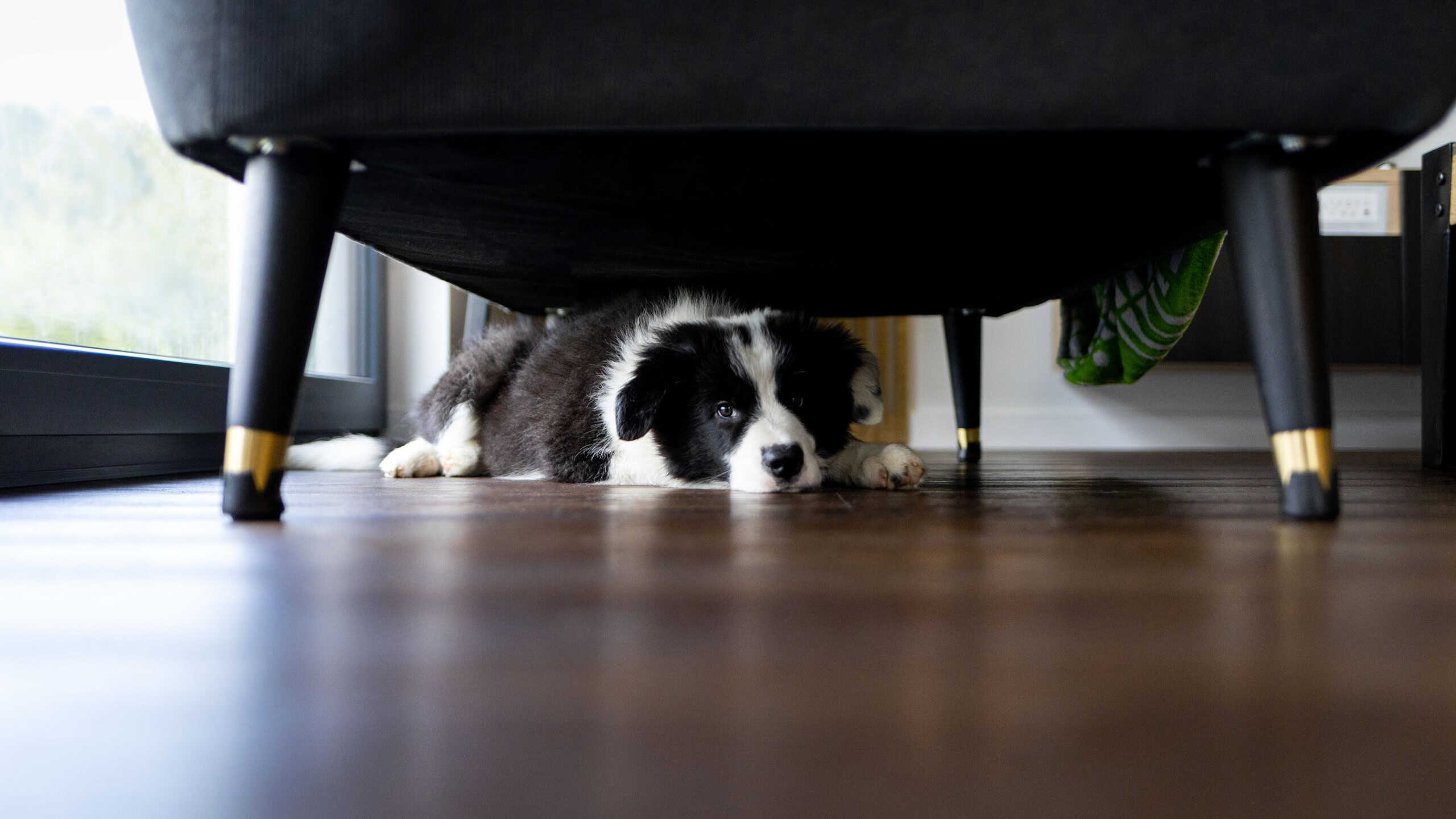
I have learned this personally with my own animals. If I try to comfort them in the middle of a trigger, it does not work. It’s because they interpret my attention as reinforcement that being scared is okay. This results in the fear staying rather than leaving.
Switching up feeding rules based on mood

Pet owners who overfeed or underfeed their pets when they are in a good or bad mood might think that this is no big deal. The animal doesn’t know that you are doing it because you are in a good or bad mood. Animals thrive on routine. Changing the rules constantly can lead to anxiety around food, food guarding, or the expectation of a treat all the time.
Using phones while giving commands

Scrolling your phone when you give a command shows your pet that you aren’t focused on them. Animals understand eye contact, tone and body language when following instructions. If you are distracted, it doesn’t make sense to them. They may even stop responding altogether if it’s a frequent occurrence.
Smelling different without realizing it

Pets use their noses first and eyes second. If something in your scent changes, (new soap, cologne, or a medicinal odor) they will stop or act aloof. It’s weird but to them, a new smell makes you feel like a different person for a little bit.
Expecting them to understand social rules they never learned

Pets don’t innately understand human social etiquette. They don’t know that begging, interrupting, or staring is inappropriate. Pets develop their own reasoning when left alone which leads to problematic household behaviors.
Ending play suddenly without a clear signal

Abruptly stopping play without a cue can be confusing and upsetting to your pet. Your pet doesn’t know what they did wrong or why you suddenly aren’t playing with them. Using a consistent cue to let your pet know playtime is over and to settle down will be much clearer to them.
Talking to them in a high-pitched or inconsistent tone

Pet parents can say the same word in a squeaky, teasing tone one moment and then in a monotone, serious voice the next. Pets pay more attention to the tone rather than the word. With such a wavering tone, they are unable to determine if you are angry, sad, or just kidding. This confuses them as to how they should react or if they should react at all, even with known cues.
Showing excitement for things they don’t understand

You cheer/clap when there’s a knock at the door, a delivery arrives, etc. Your pet notices that you’re excited, but they have no idea what for. You’ll get dogs who look very cautious in their approach/shy away or cats who bounce around and look bewildered. Constantly being excited about stuff they don’t understand can make them very confused about what you actually care about.
Like our content? Be sure to follow us.

