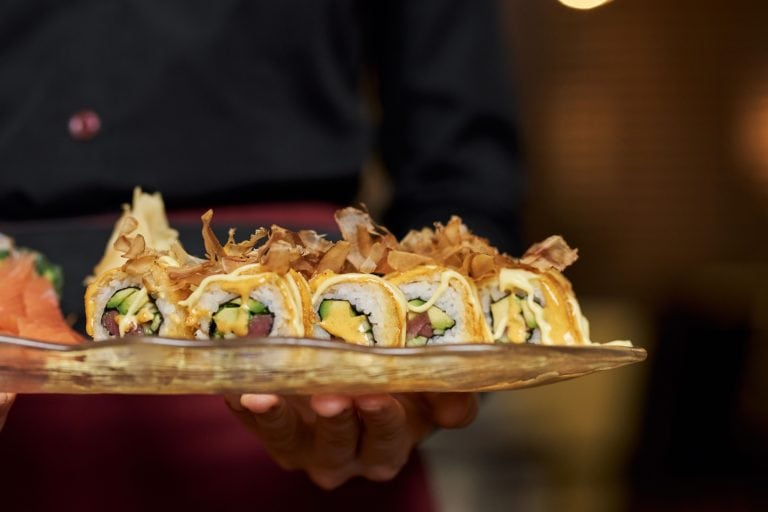

Picking what sounds tasty is important for a wedding menu. But behind the scenes, there’s so much more going on. Many caterers discourage a bunch of dishes that are too risky for weddings. We spoke to a few caterers, and here are thirteen dishes they would not want to serve. Would you miss any of these?
Featured Image Credit: Shutterstock.
Raw oysters at outdoor receptions
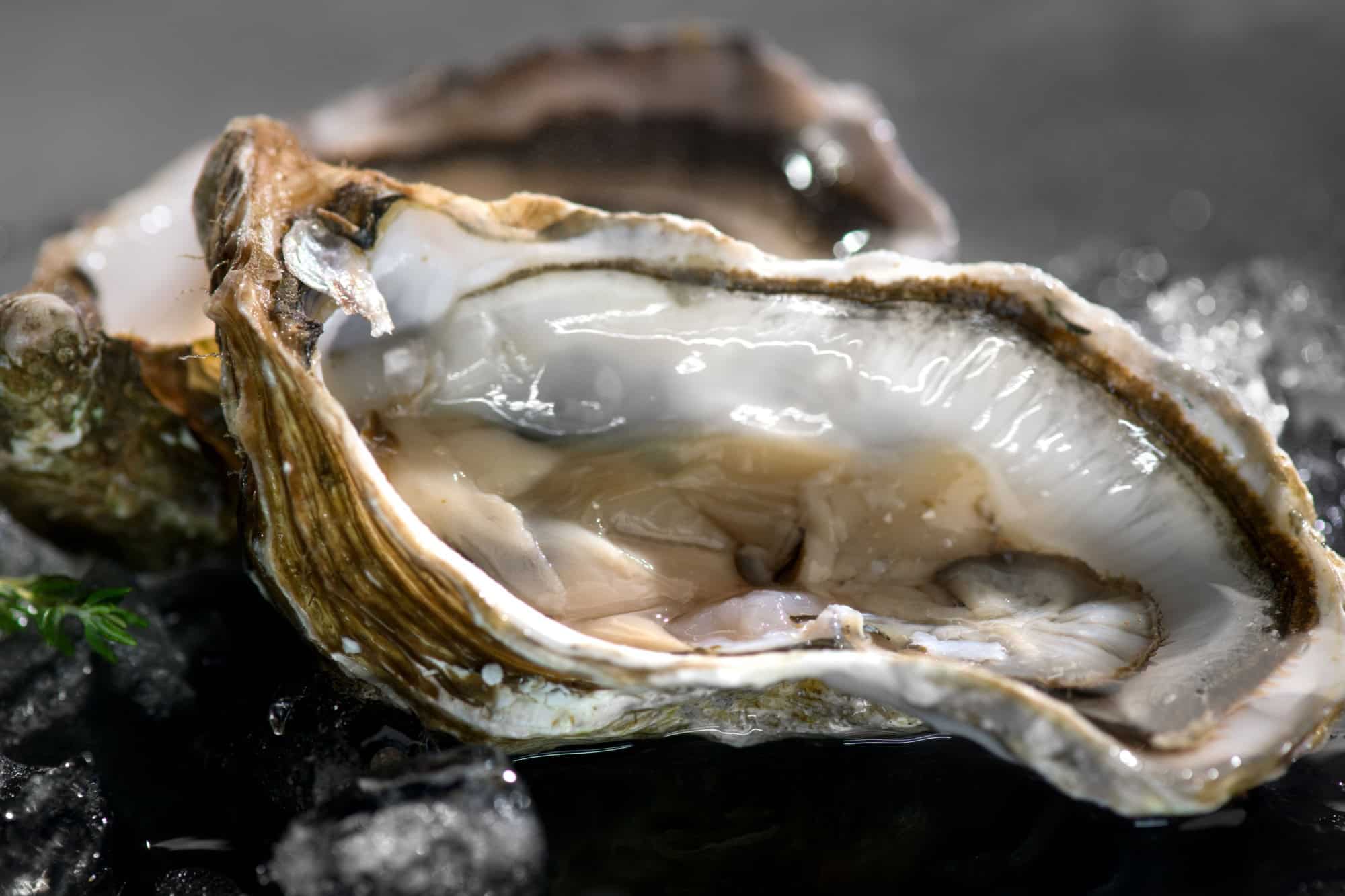
One of the fastest vetoes is raw oysters at an outdoor wedding. They spoil quickly when they’re not kept icy cold & no caterer wants to gamble with food poisoning. After all, Vibrio bacteria thrive in warm temperatures. Most catering crews will only ever serve oysters indoors with ice displays & strict time limits.
Sushi or sashimi without strict controls
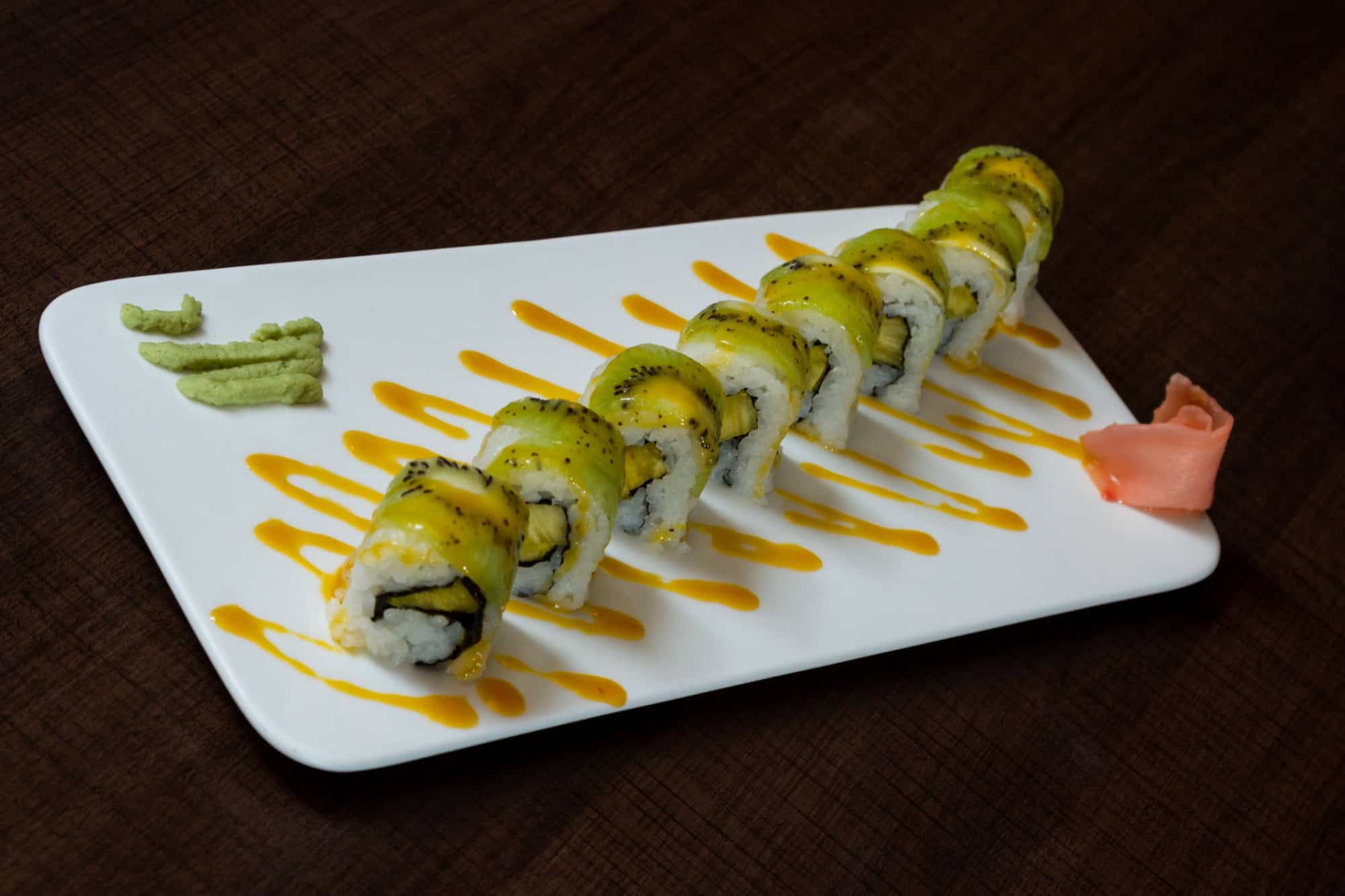
That’s not all for seafood. Most caterers would rather not bring trays of raw tuna rolls through a crowded ballroom since the fish has to be stored at a certain temperature. It needs to be frozen first to kill parasites & documented in logs. That’s a lot. And really, this sort of handling isn’t practical at a wedding buffet, so a lot of places switch to cooked rolls instead.
Unpasteurized soft cheeses on boards

Some couples ask for fancy raw-milk cheeses. But caterers usually push back. The FDA’s rules are clear that anything unpasteurized has to be aged at least 60 days. Softer styles don’t qualify & even legal imports can be tricky. To keep inspectors happy, most caterers stick with pasteurized versions of Brie or Camembert. It’s a lot easier.
Caesar dressing made with raw eggs
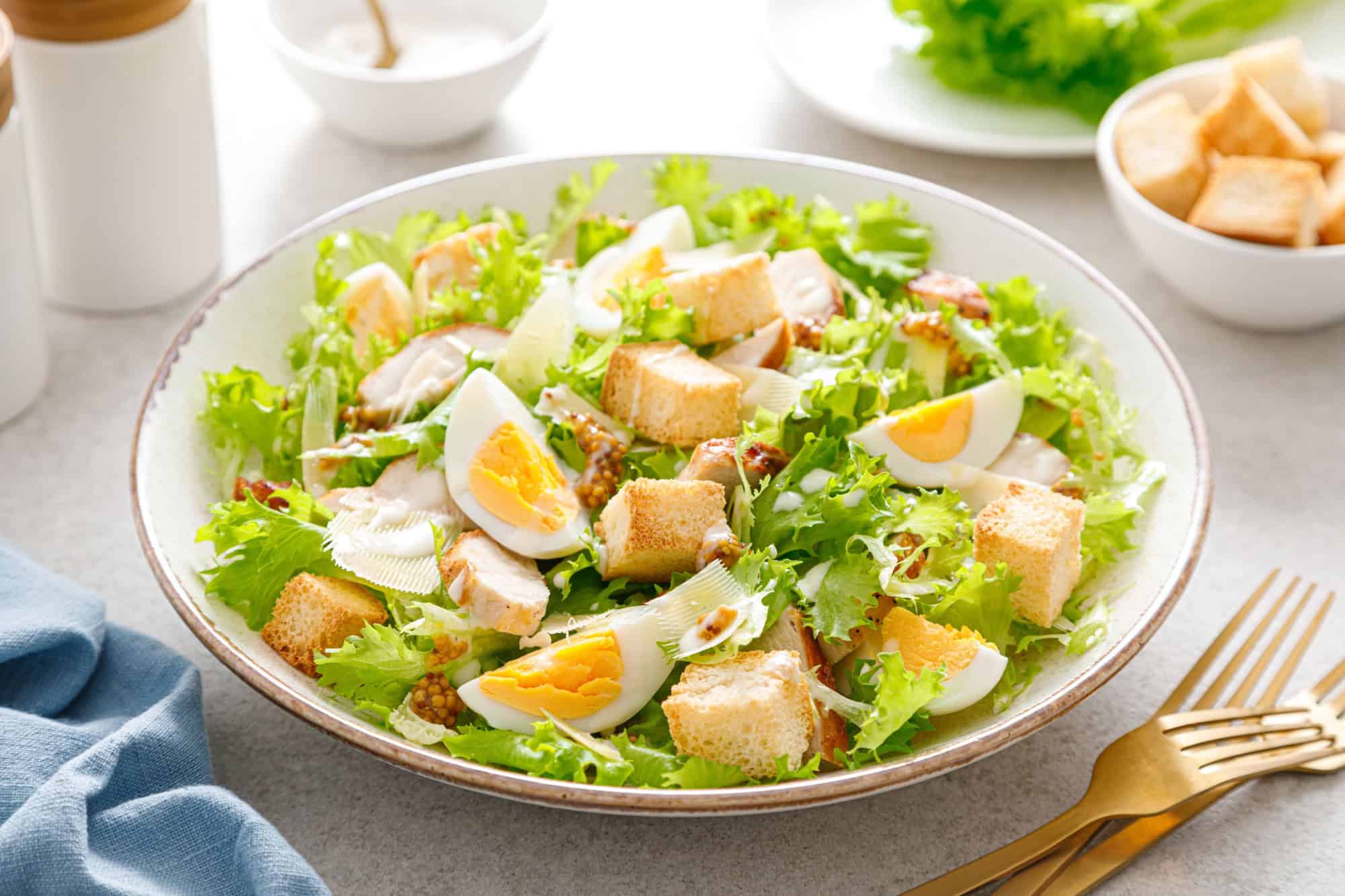
The classic Caesar recipe contains raw egg yolks, although caterers tend to avoid it. Health departments want pasteurized eggs or another safe method. But that’s not all. Carrying big trays of dressing sitting on a banquet line doesn’t exactly scream “elegant.” Instead, they’d prefer a pasteurized egg version. Or they might go for a lemon-Parmesan dressing swap.
Raw sprouts on sandwiches or salads
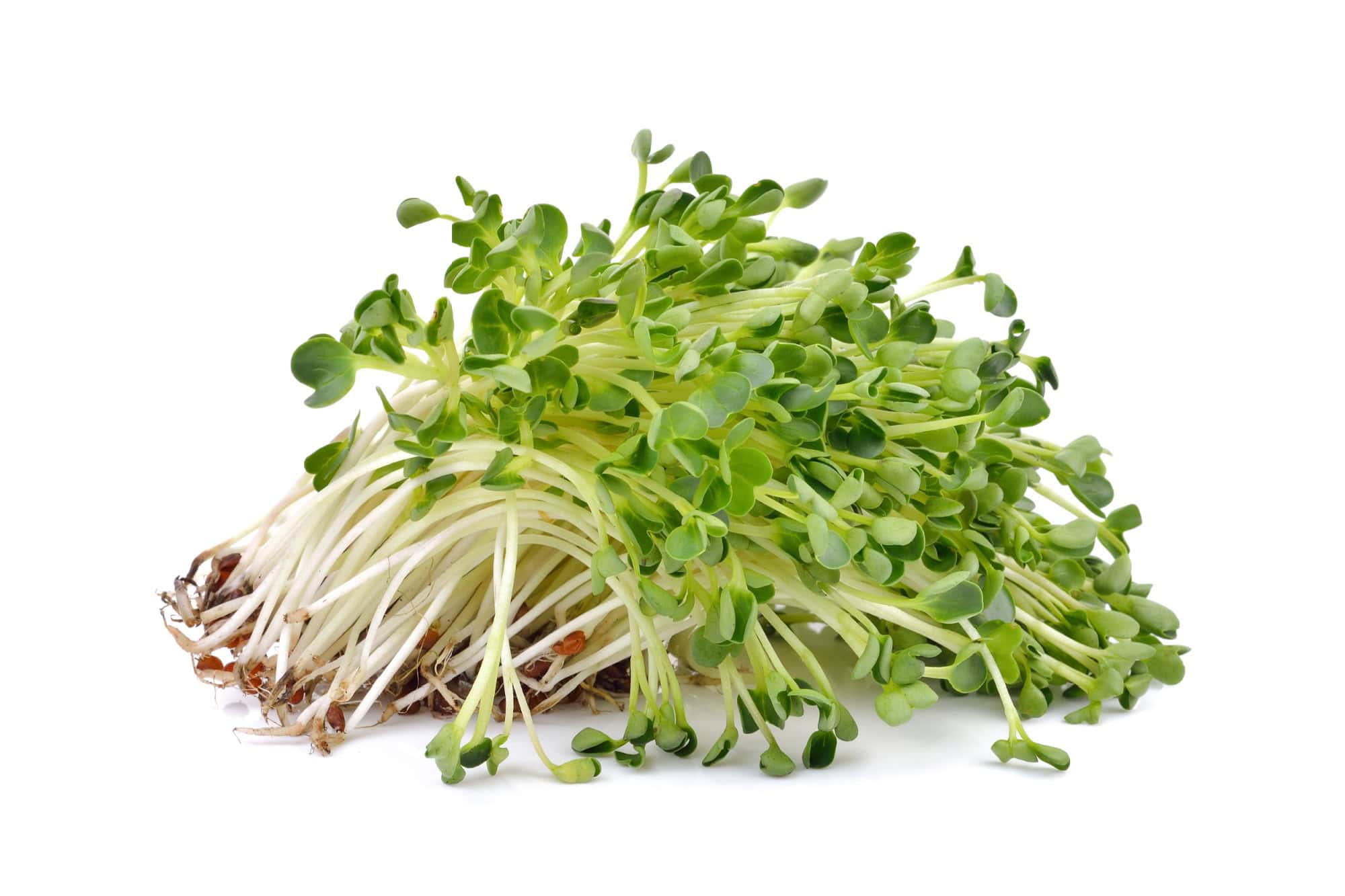
Sprouts seem innocent on the surface. However, they’ve been tied to multiple outbreaks of Salmonella & E. coli. Washing sprouts doesn’t really eliminate the problem. As a result, many catering teams won’t allow raw sprouts at all, and they’ll recommend microgreens. They might also recommend crisp cucumbers for that same crunch.
Rare burger sliders for large crowds
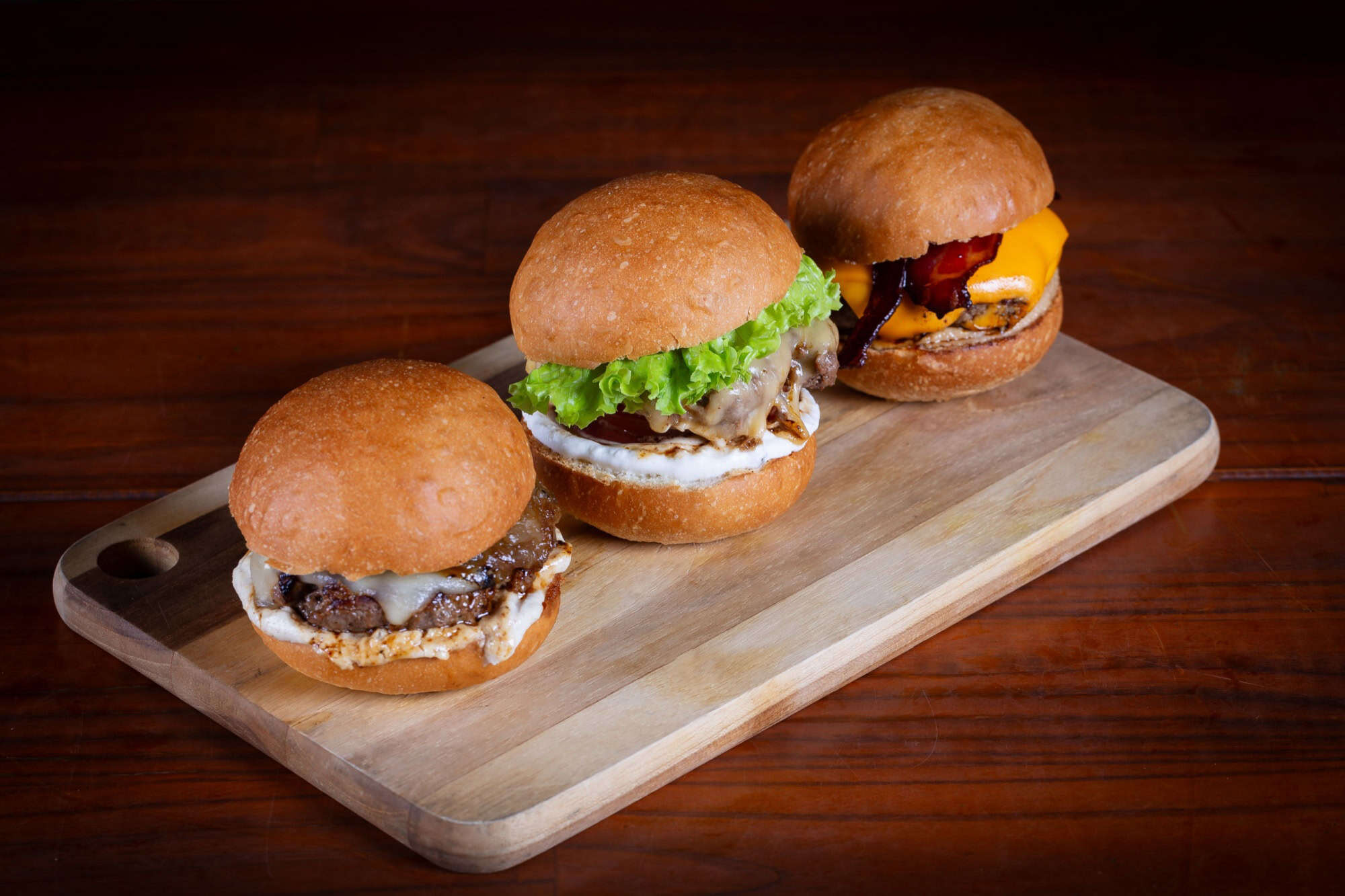
Medium-rare burgers for 200 people sounds fun in theory. It’s a nightmare in practice. The FDA requires ground beef to hit 160°F unless specific rules are followed, and that’s hard to guarantee with trays of sliders. Caterers would rather serve medium patties. They reheat far more reliably.
Ceviche on self-serve displays
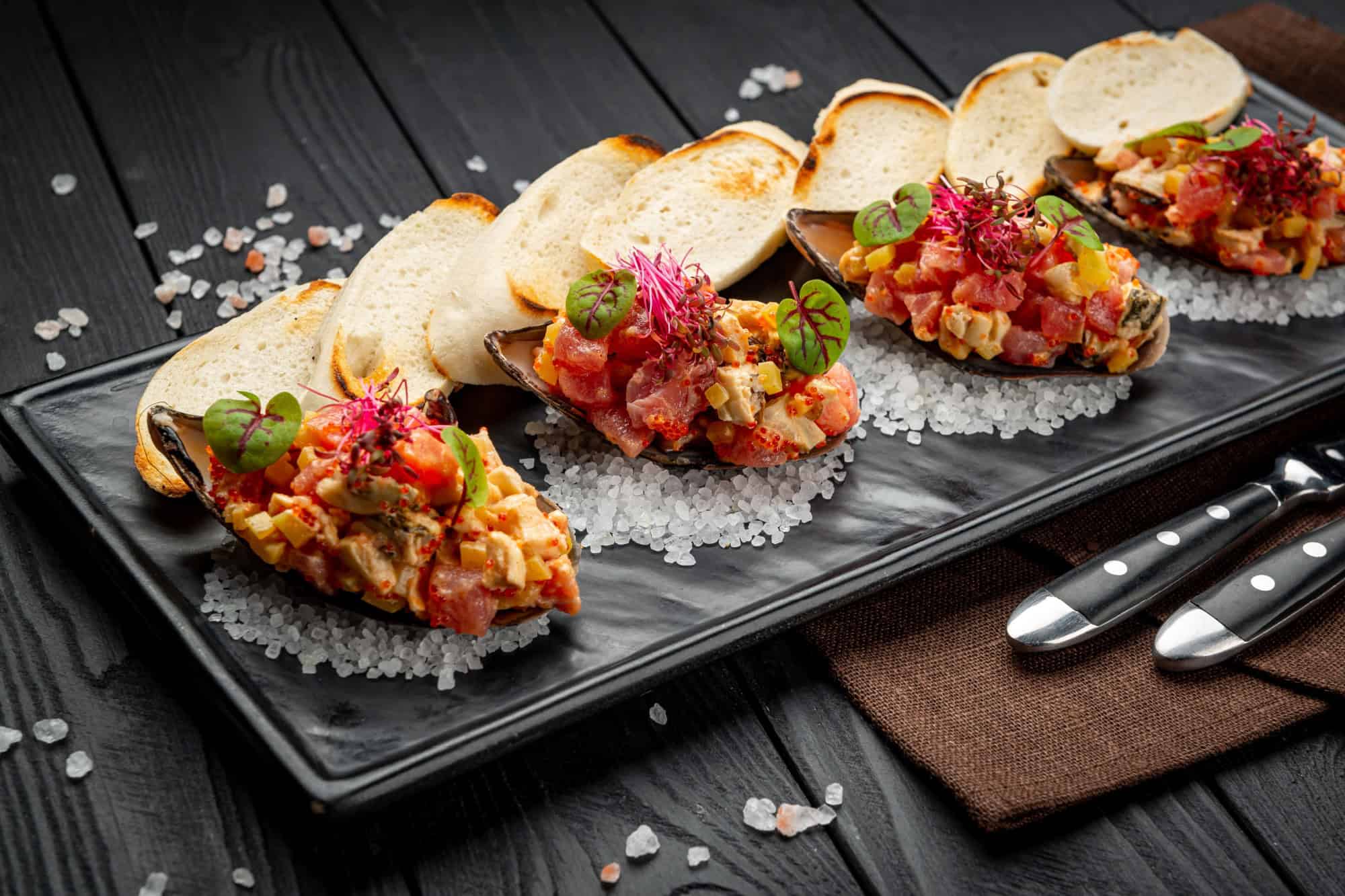
Sure, ceviche looks rather fancy lined up in little glasses. But most caterers would rather not make it. Citrus juice makes fish taste cooked, but the bacteria don’t really care about that. Leaving bowls of it out on a buffet is a huge mistake. Any caterers that offer them at all usually get them straight from an ice-packed station.
Soufflés for banquet service
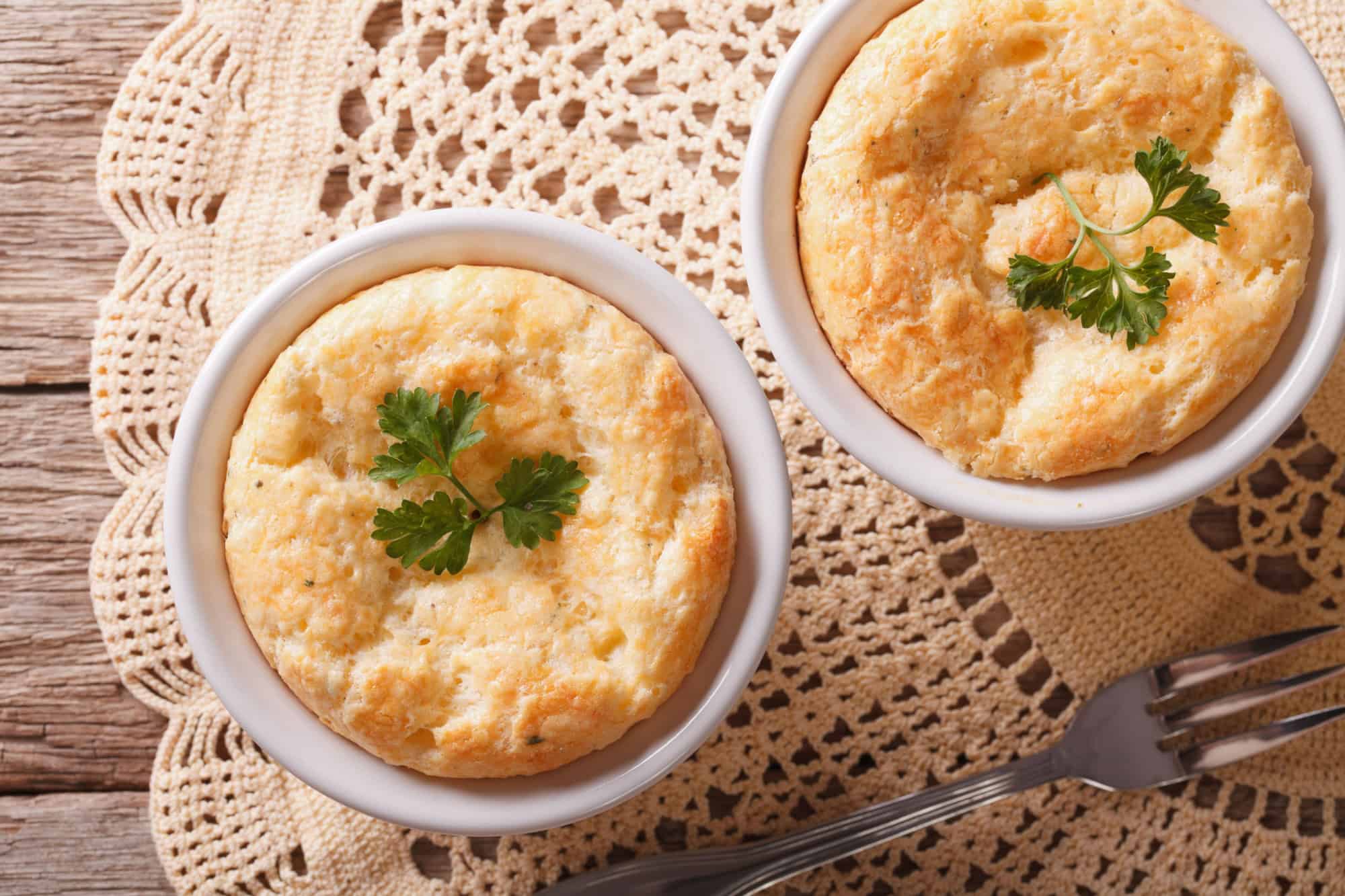
Soufflés and weddings don’t mix. They puff up beautifully & then they sink before you can blink. You might as well forget trying to time two hundred servings while the band’s warming up. Instead, chefs usually try to go for desserts that last a little longer. Think chocolate pots or custards that don’t collapse under pressure.
Chocolate fountains during dancing
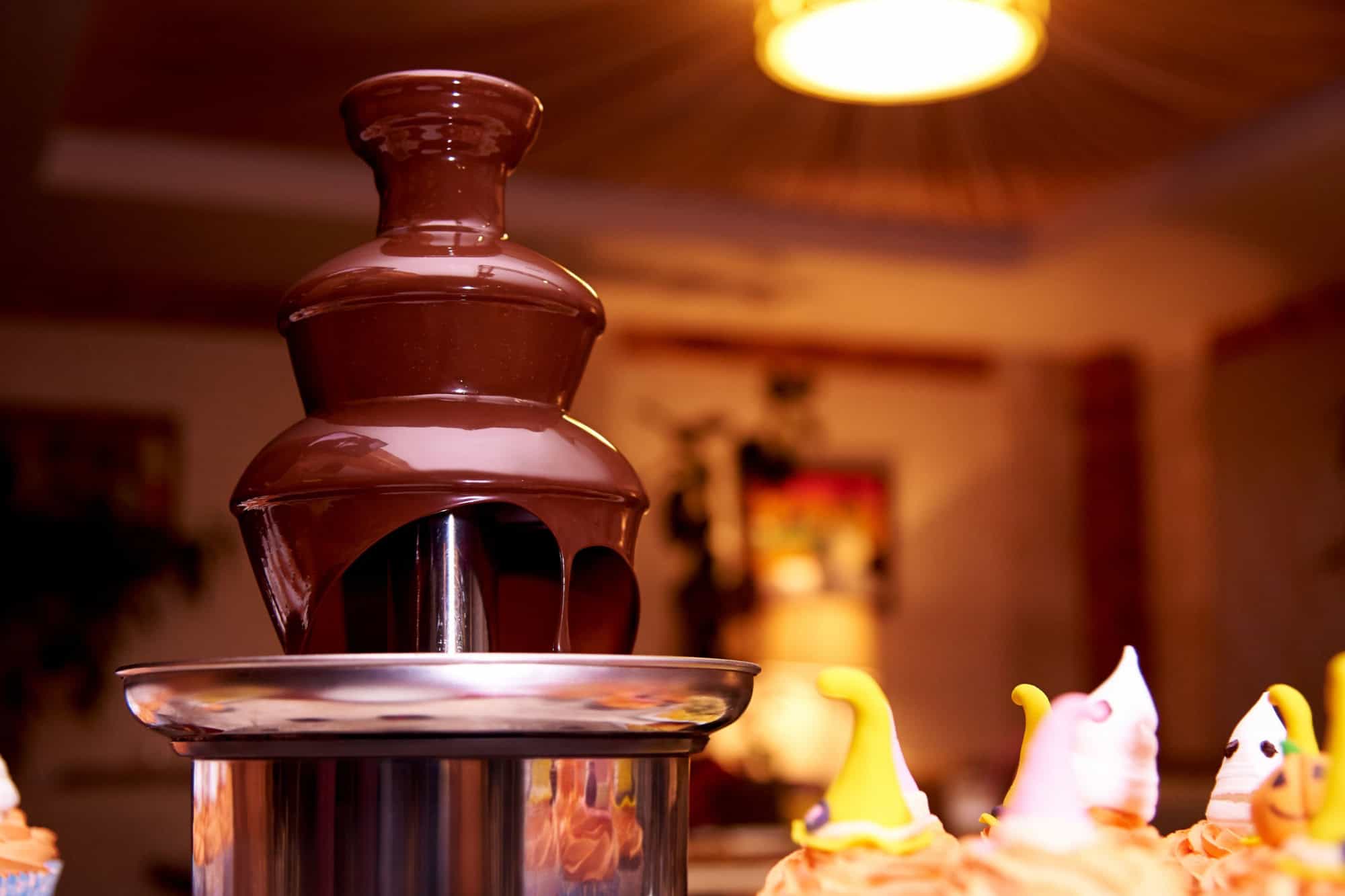
Chocolate fountains are a magnet for drama. Guests drop marshmallows in & dip the same strawberry twice, and then they knock skewers into the motor. Then there’s the floor. Once you drip a little chocolate onto polished tile, it’s guaranteed to trip up one of the guests. Most caterers would rather dodge the headache. They’ll offer neat little trays of dipped fruit instead.
Wild-foraged mushrooms from guests

Sometimes, couples show up with baskets of mushrooms they picked themselves. It’s a sweet gesture. But most caterers won’t touch them since they’re not usually from a certified supplier. Nobody in the kitchen can guarantee they’re safe. It doesn’t matter how much work they put into finding the mushrooms. Mix-ups happen.
Whole-animal roasts inside ballrooms
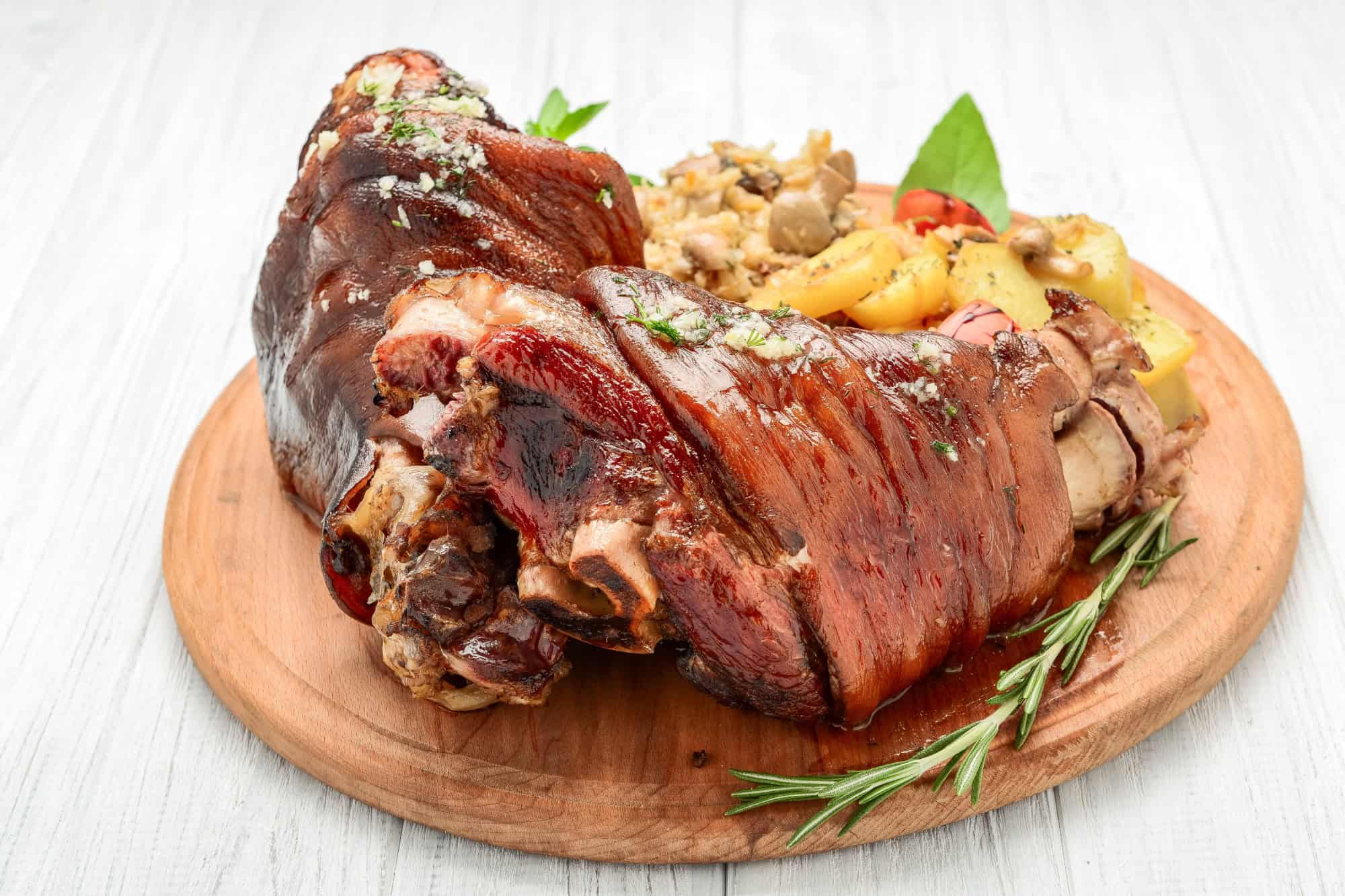
Big roasting spits belong outside, instead of under chandeliers. Open flames & heavy smoke are too much to deal with. And then there’s the grease dripping near the carpet, which is essentially every fire marshal’s nightmare. Ballrooms weren’t built for hog roasts. As such, caterers just say no to the whole thing.
Liquid nitrogen ice cream bars

Liquid nitrogen ice cream bars sound incredible. And they are. But liquid nitrogen makes insurance companies nervous since spills can freeze skin & staff need special gear just to handle it. Most caterers don’t want the liability.
Fresh-pressed unpasteurized juice bars
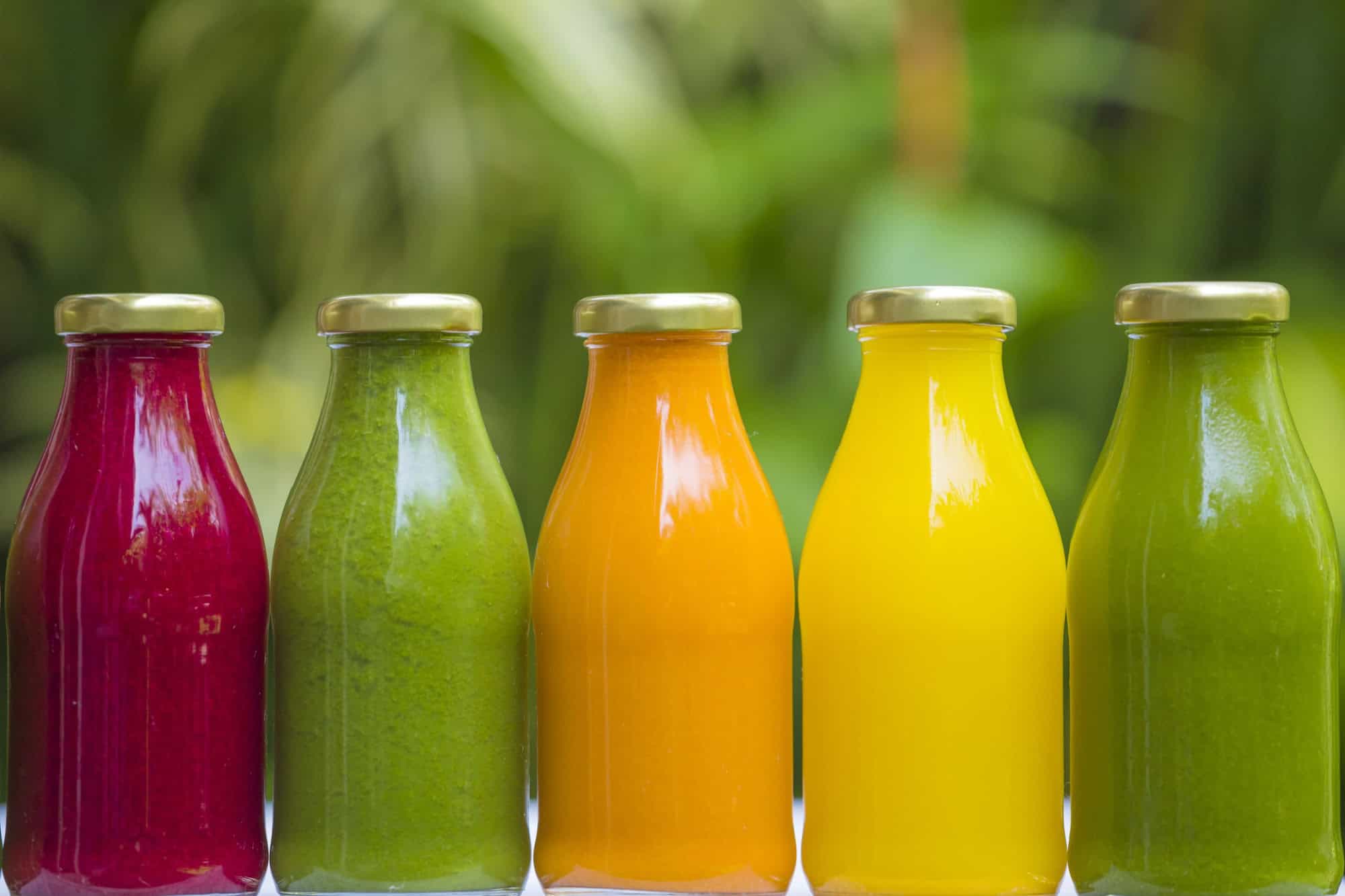
Fresh juice sure is healthy. However, squeezing raw fruit for hundreds of people is a messy business & it’s a bit too much work for most caterers. There’s also the fact that health codes in several states say unpasteurized juice needs warning labels & special paperwork. Is it really worth it?
Like our content? Be sure to follow us.