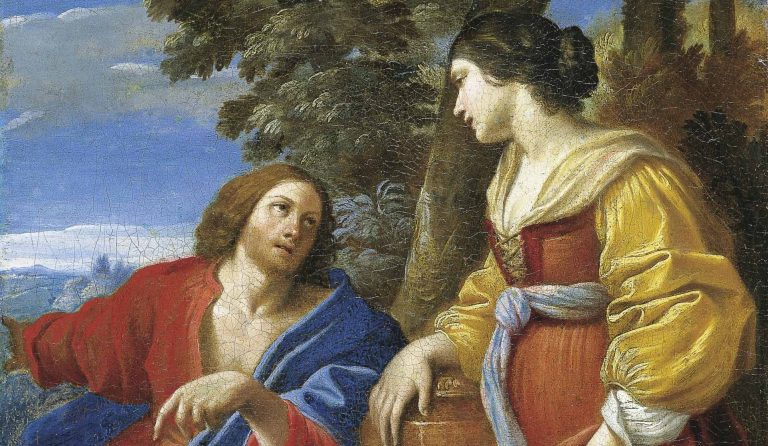

There’s no shortage of famous stories in the Bible, but when you take a closer look at some of them, you’ll see that they’re actually quite different from the versions we’re used to hearing.
The real temptation in Eden
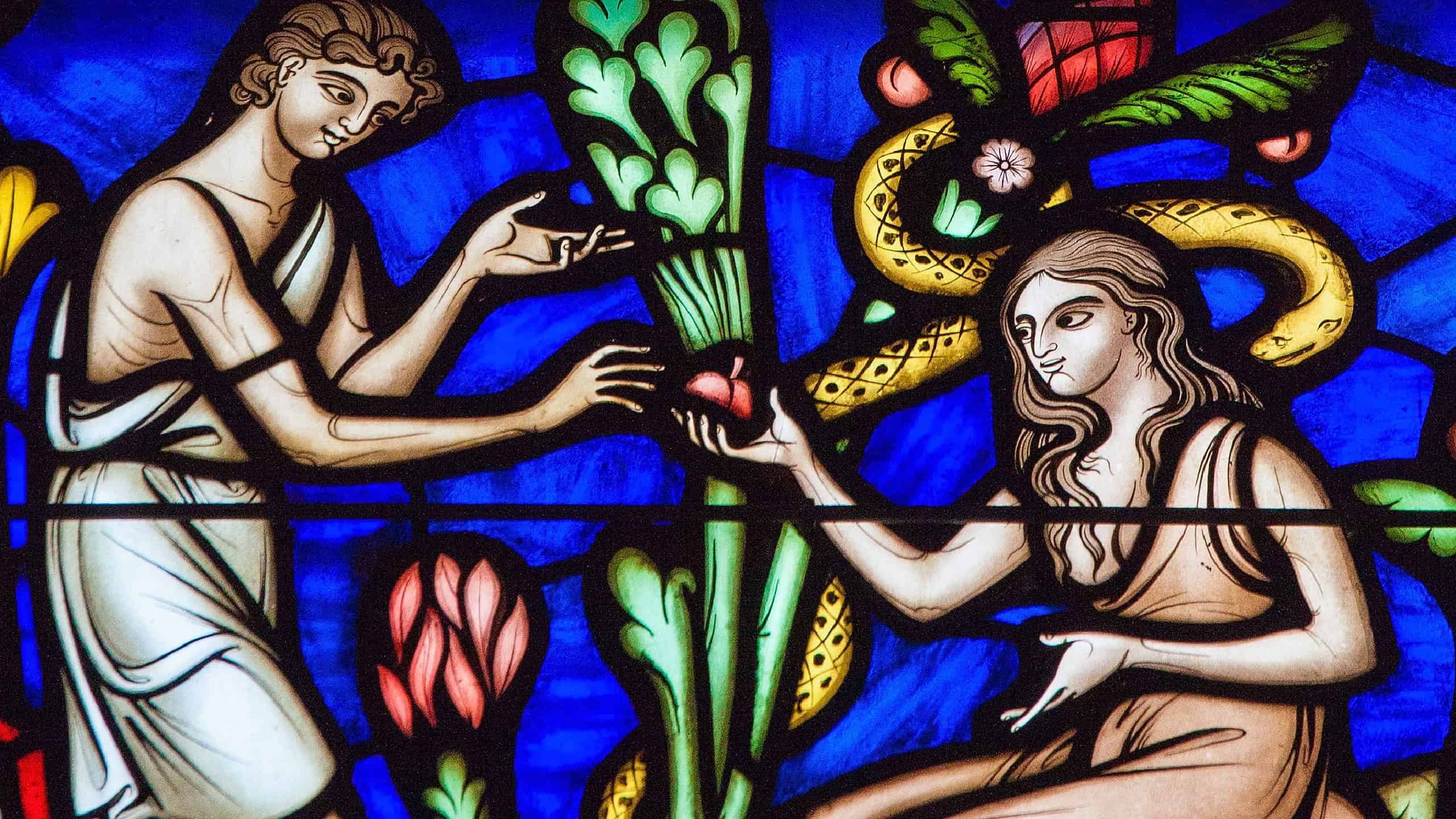
The story of Adam and Eve eating the forbidden fruit is hardly a secret. What people get wrong, however, is the reason why the pair ate the fruit, and people think they did it because they were too curious. Some people believe that the fruit represents **x.
But neither of those explanations quite fits with Genesis 3, as the serpent actually tells Eve that eating the fruit will make her like God. It’ll help her to know the difference between good and evil. Rather than asking too many questions, Adam and Eve are punished for breaking a direct command from God. Curiosity isn’t really part of it.
The ambition behind Babel
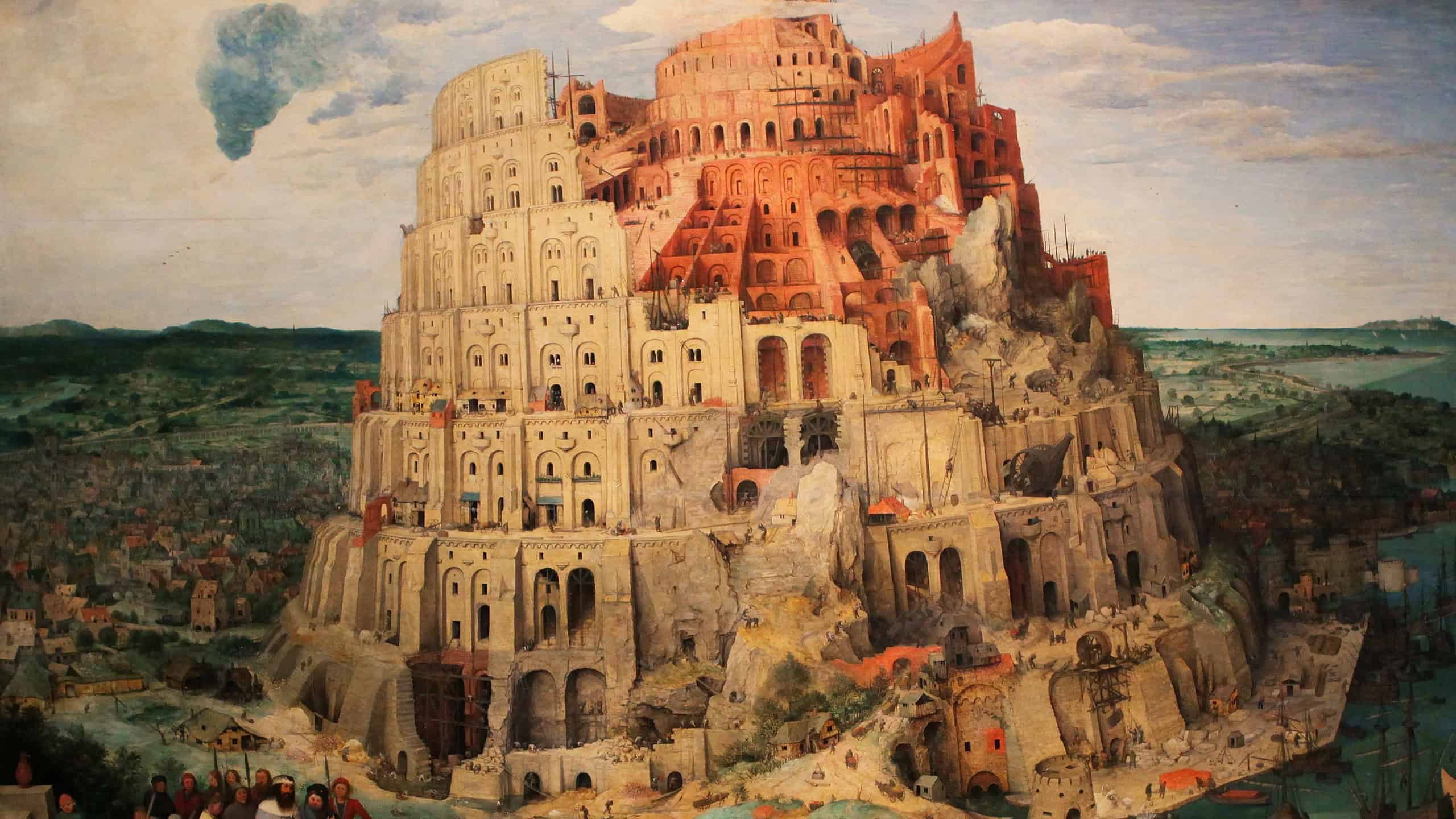
The way that people retell the Tower of Babel story, you’d think that God was completely against tall buildings and being ambitious. The builders were trying to reach heaven, after all, so God punished them for going beyond their means. But that’s not quite right.
The builders say in Genesis 11 that they want to make a name for themselves and stop themselves from being scattered across the earth. That’s the real issue here. Yes, they were trying to make themselves too great, and it’s this kind of pride that God doesn’t like.
What Sodom was accused of

Try asking someone about why Sodom and Gomorrah were destroyed, and they’ll probably tell you that it was because of homos***ality. Yet that kind of interpretation leaves out so much of the picture. Just look at Genesis 19, for example.
That’s where the men of Sodom threaten to s***ally assault the visitors who are staying with Lot. It’s a form of violence. Yes, this sort of action is what God is unhappy about, and Ezekiel 16:49–50 takes it further. The people in the city were arrogant, and they neglected the poor. The issues in Sodom and Gomorrah went far beyond homos***ality.
The surprising name at the altar
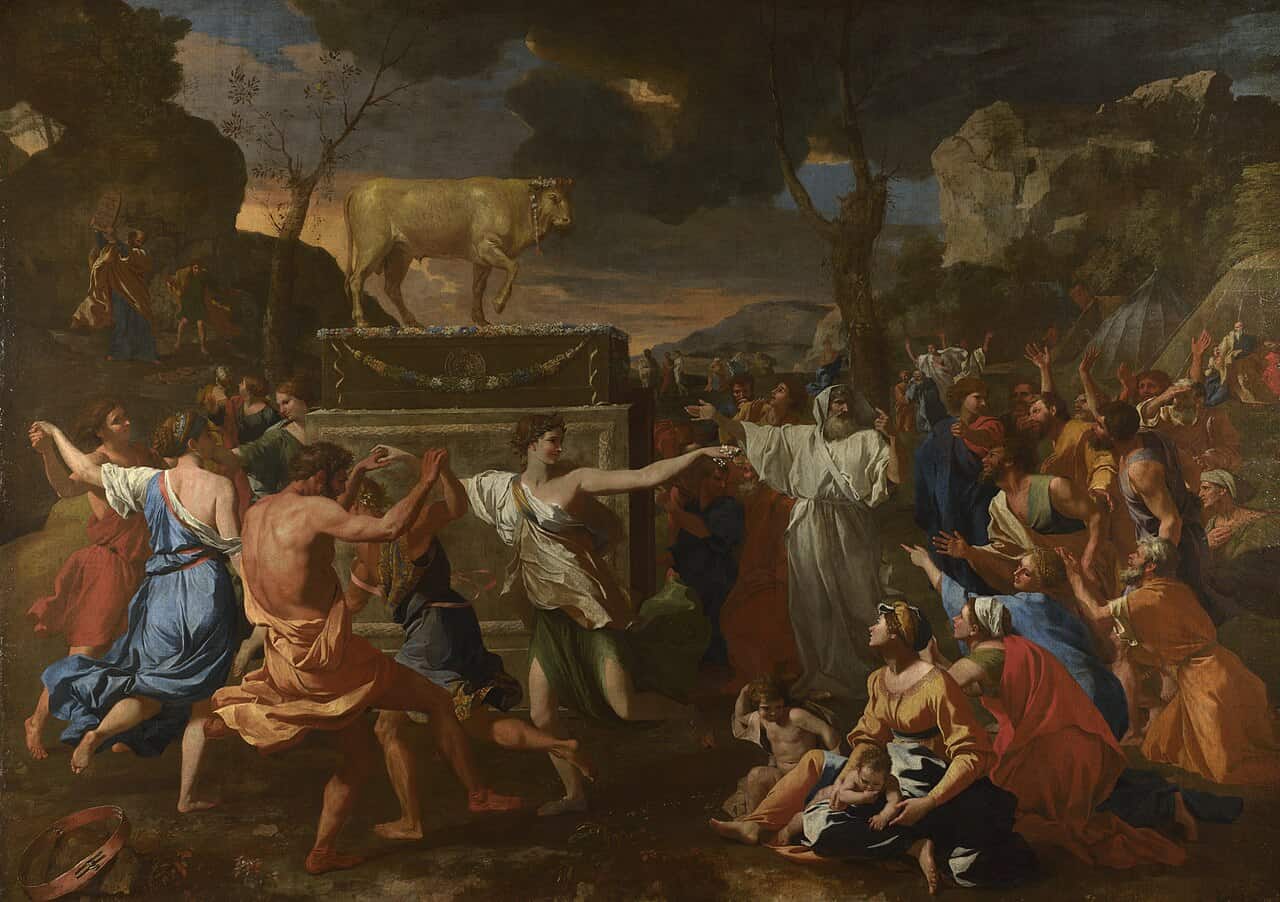
There’s a scene in the Bible where Aaron makes a golden calf while Moses is away. The Israelites start celebrating shortly after, and it seems like they’ve decided to ditch their God. People think the Israelites have begun to worship another god, and that’s the problem.
But it’s actually so much more than that. Really, the issue is that Aaron has announced a festival to the Lord and used the name of Israel’s own God. That changes things. It means the issue isn’t about abandoning Him, but rather, trying to worship Him through a golden statue.
The instructions outside Jericho

The fall of Jericho is often used in motivational speeches. It’s meant to show that, when you march around a problem for long enough, it’ll eventually disappear. It makes sense. The truth is, the story in Joshua 6 involves a lot more than mere persistence and positive thinking.
The point here is that God gave the Israelites specific instructions. He told them exactly what to do, and they did what he said, which is what made the walls of Jericho fall. Overcoming a difficult challenge is just a small part of the picture. Faith is a much bigger part.
Samson’s missing strength

Samson’s one of the most famous figures from the Bible, and he’s pretty well-known for his strength. There’s a scene where he reveals his secret to Delilah, and then she has someone shave his head while he’s sleeping. People think the shaving is a sign of his magical strength disappearing.
That’s not what’s going on, however, as his hair is meant to be connected to his dedication to God as a Nazirite. It’s even mentioned in Judges 16:20. Shaving his head represents the Lord departing from Samson, and this kind of broken dedication is a huge issue.
David’s confidence before the fight
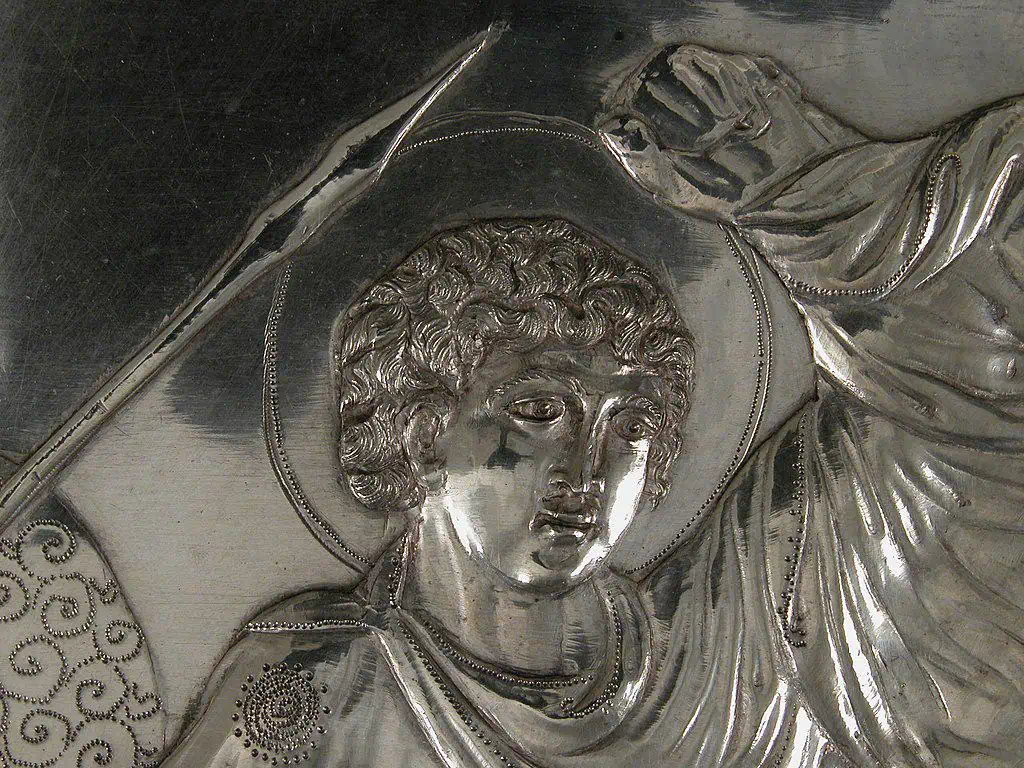
David and Goliath has become a popular story for many reasons, and mostly because it involves a young shepherd beating an enormous warrior. It’s a real underdog story. So, it’s no surprise that people turn it into a lesson about believing in yourself.
Yet David seems to give a different explanation for why he’s so confident, and he says that God had a lot to do with it. It was his trust in God that helped him to win. It was his belief in a higher power that helped him succeed, and that shows victory doesn’t come from self-confidence alone.
Why Jonah really ran away

Jonah tries to escape God’s instructions. Then he gets swallowed by a great fish. Three days and nights later, however, he’s back on dry land, and people interpret the story as a warning. It’s meant to tell people about the consequences of running away from God.
That misses out a big part of the story, as chapter 4 of Jonah explains why he originally ran away. It was because he knew God was merciful and might forgive the Ninevites. He hated that. Yes, the issue was that he disagreed with God and didn’t want them having another chance.
The misunderstanding behind Job’s suffering

Job was someone who just couldn’t catch a break. He first loses all his wealth and children, then his health takes a turn for the worse. Most people think he must’ve done something wrong to deserve all that, and that his suffering is a kind of punishment. But that’s not true. God allows Job to suffer after the accuser questions whether Job is genuinely faithful to Him.
It’s too simple to say that the whole thing is a test of his faith, with a reward for remaining loyal. No, it’s meant to question whether suffering can always be explained as punishment, a test, or the result of something someone has done. That’s the real purpose here.
The delay before Lazarus returned
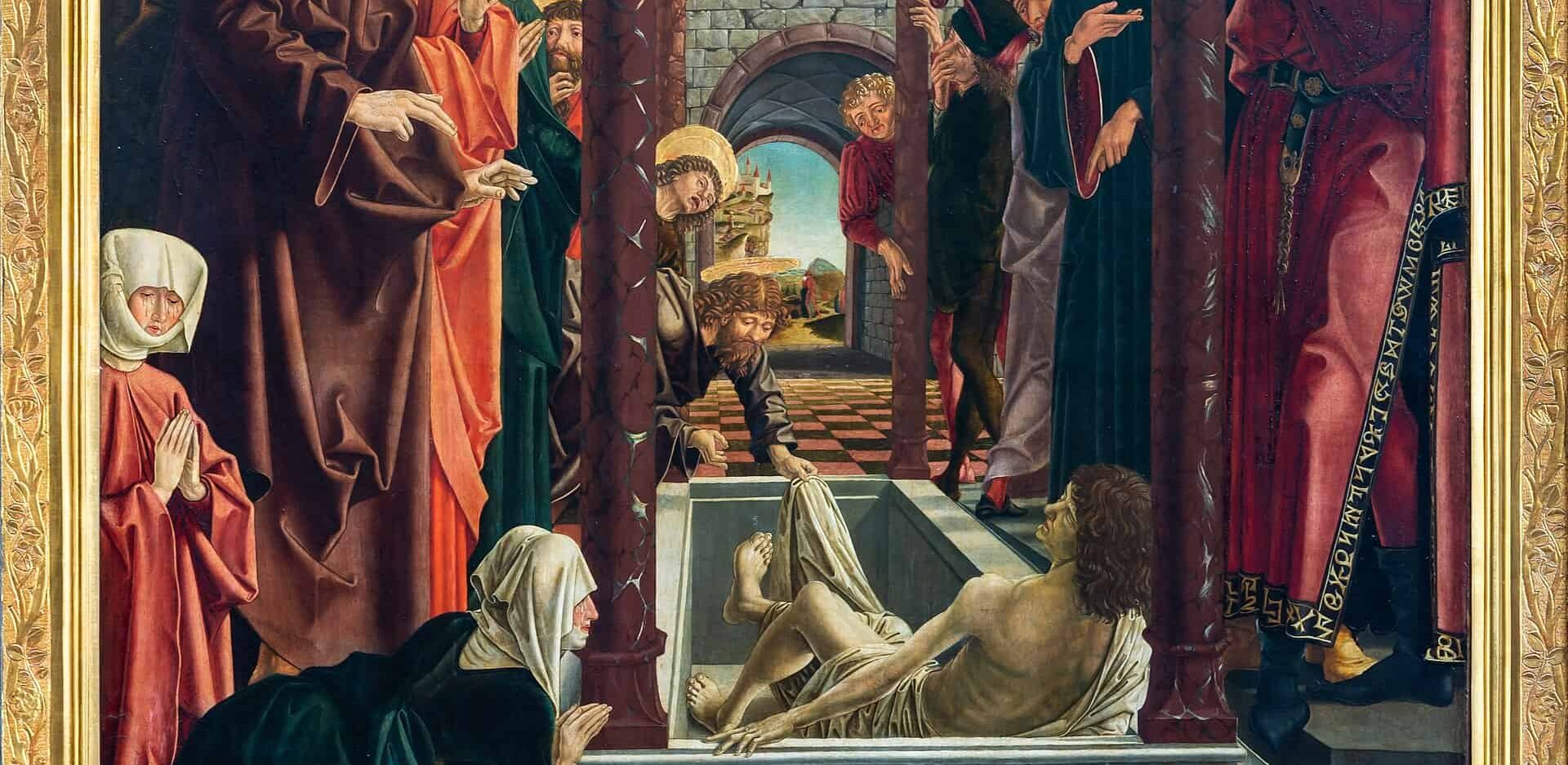
Healing comes from strong faith. That’s what many people interpret from the story of Lazarus, as they think his rising is a sign that faith will always give you good results. But have a closer look at what’s going on.
Jesus deliberately delays when He’s coming, even though He loves Lazarus and his family. The event itself is meant to be an example of how Jesus is the resurrection and the life. No, it doesn’t show that every believer is going to get a miracle. Life isn’t that easy.
The warning Cain ignored
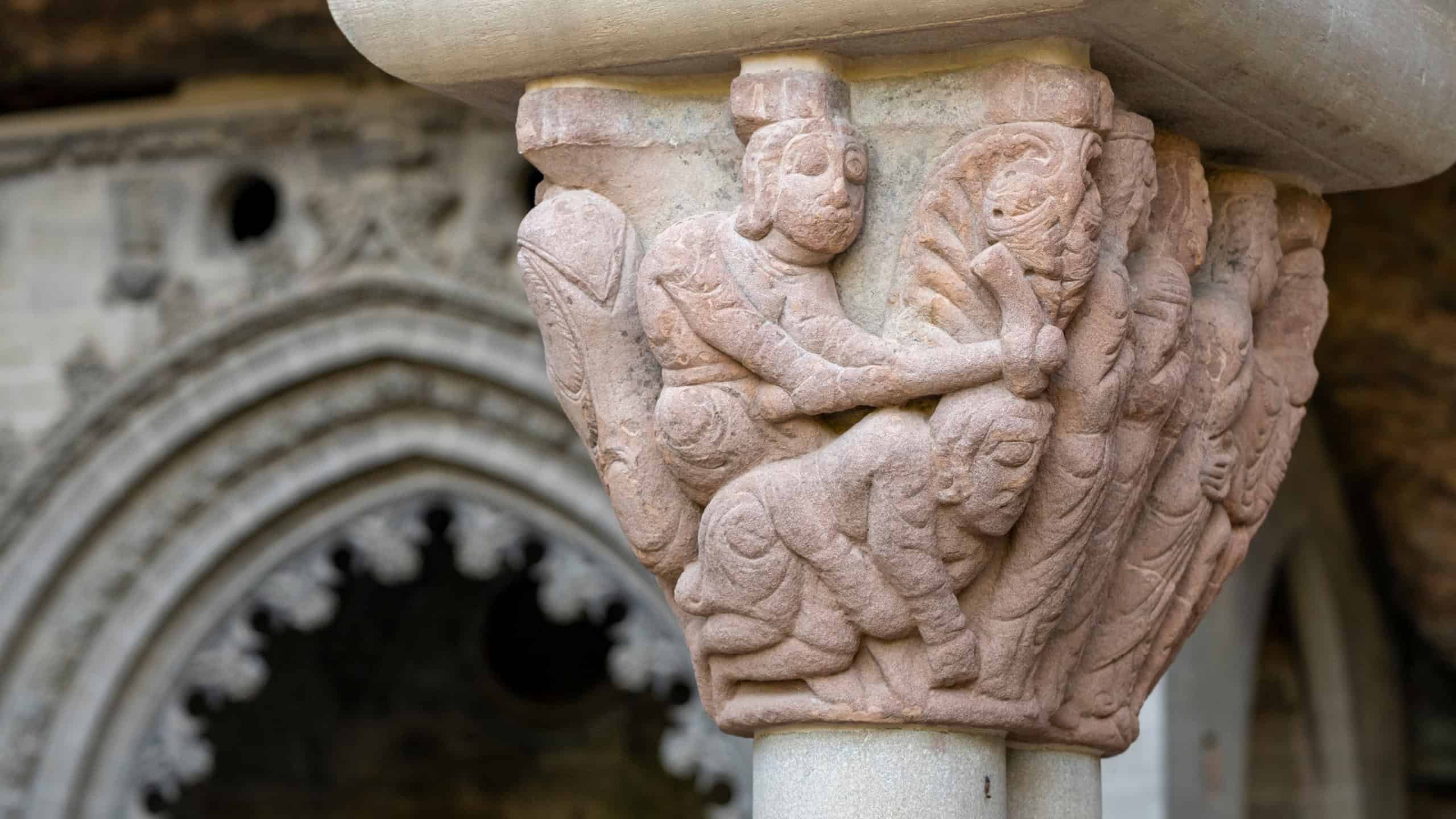
It’s true that Cain killed Abel because he was jealous of his brother. God preferred Abel’s offering, and Cain wasn’t happy about that, so it’s often seen as a warning against sibling rivalry. That’s not the full story, though.
Look at how God warned Cain about his anger and how He told him that sin was waiting to control him. Cain could’ve stopped himself, and he even had the chance to. He didn’t take it. It’s that choice to be violent and refuse responsibility for his brother that gets him in trouble.
The problem wasn’t the housework
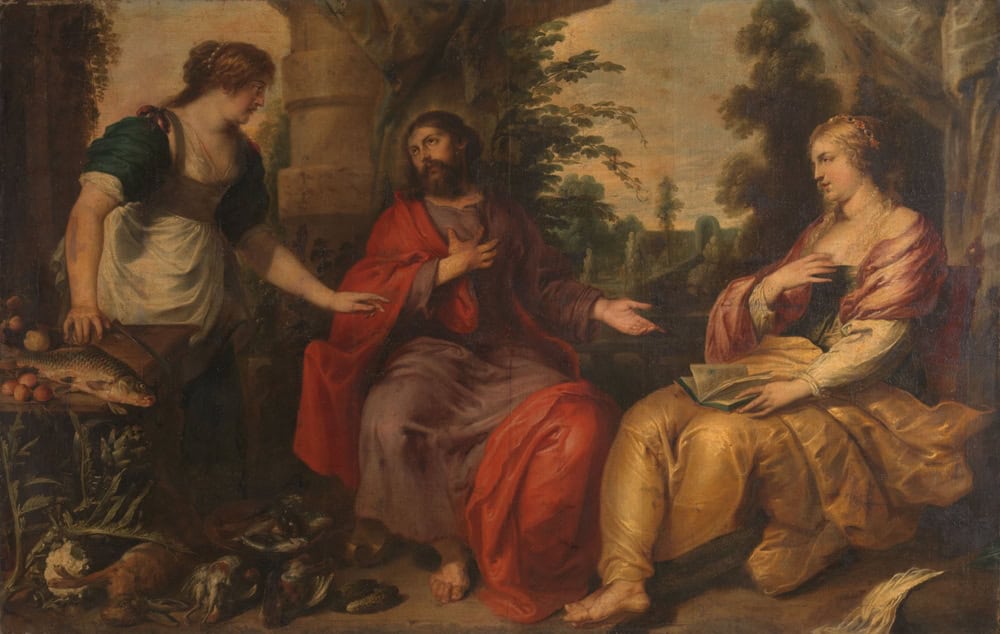
Most people feel at least a little sorry when they hear about Martha’s story in Luke 10:38-42. She’s looking after her guests while her sister Mary is sitting at Jesus’ feet, listening to him teach. Martha wants some help. But Jesus tells her that Mary has chosen the better part.
You might take that to mean that household responsibilities aren’t as spiritually important as prayer, but that’s not true. Jesus is actually addressing how worried and distracted Martha has become. He’s supporting the fact that Mary is learning, not rejecting Martha for doing her work.
The assumptions about the woman at the well
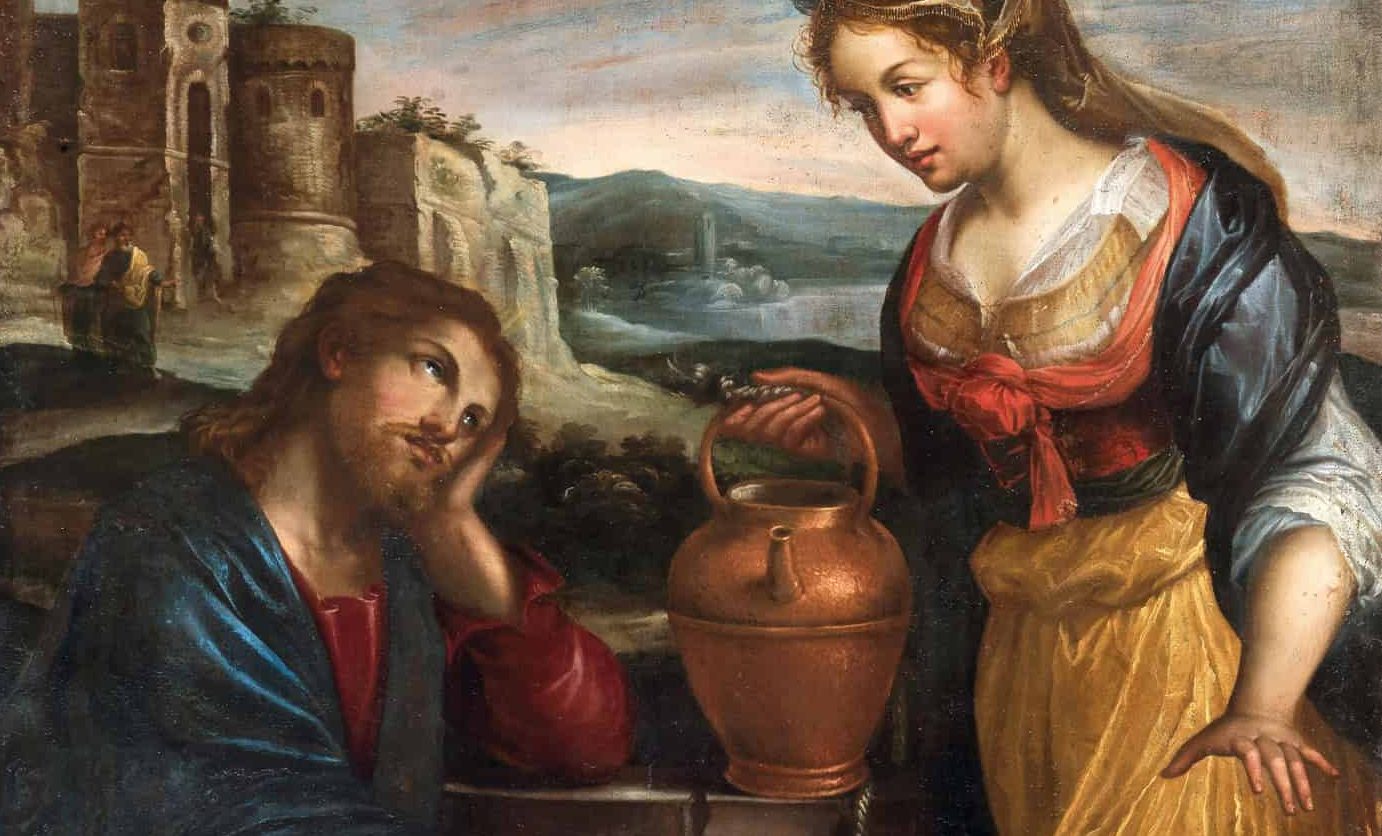
Being married five times is enough to get people talking, and the Samaritan woman in John 4 has certainly got a lot of attention. She has quite an unfortunate reputation for marrying so many times. Even Jesus addresses the matter, saying that her current partner isn’t her husband.
The whole scene has somehow turned into a story about him confronting a promiscuous woman. But that’s not what happened. It never tells us that she was promiscuous, and we never find out why her marriages ended either. In fact, Jesus spends most of this section talking about water, worship, and His identity as the Messiah.
Sources: Please see here for a complete listing of all sources that were consulted in the preparation of this article.
9 false gods of the Bible explained
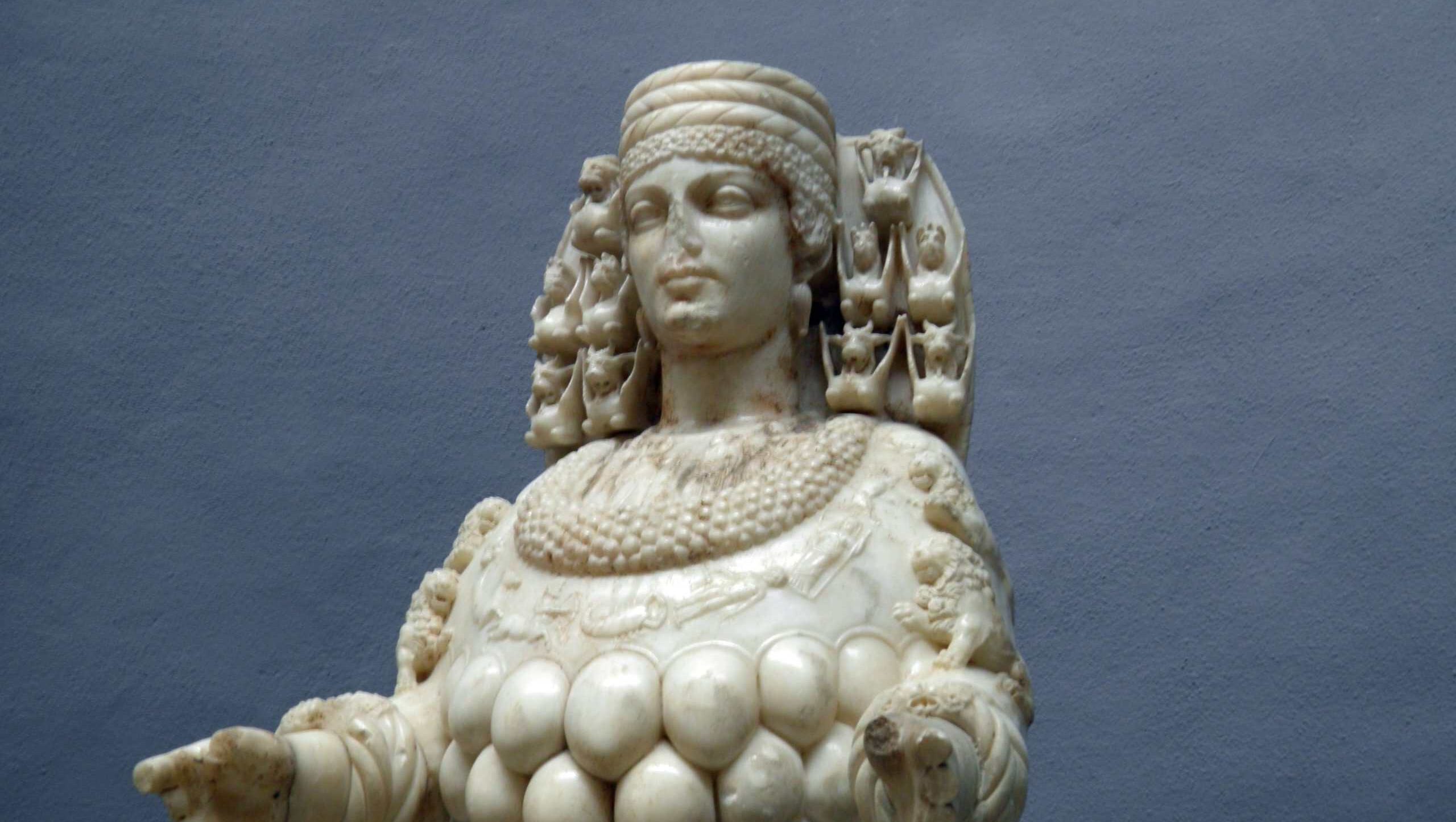
While Baal may be one of the most well-known idols of ancient Israel, there were plenty more which the Bible refers to as false gods.

