

When you’re king of the world and don’t have to play by any rules, your meltdowns can be legendary.
King John of England
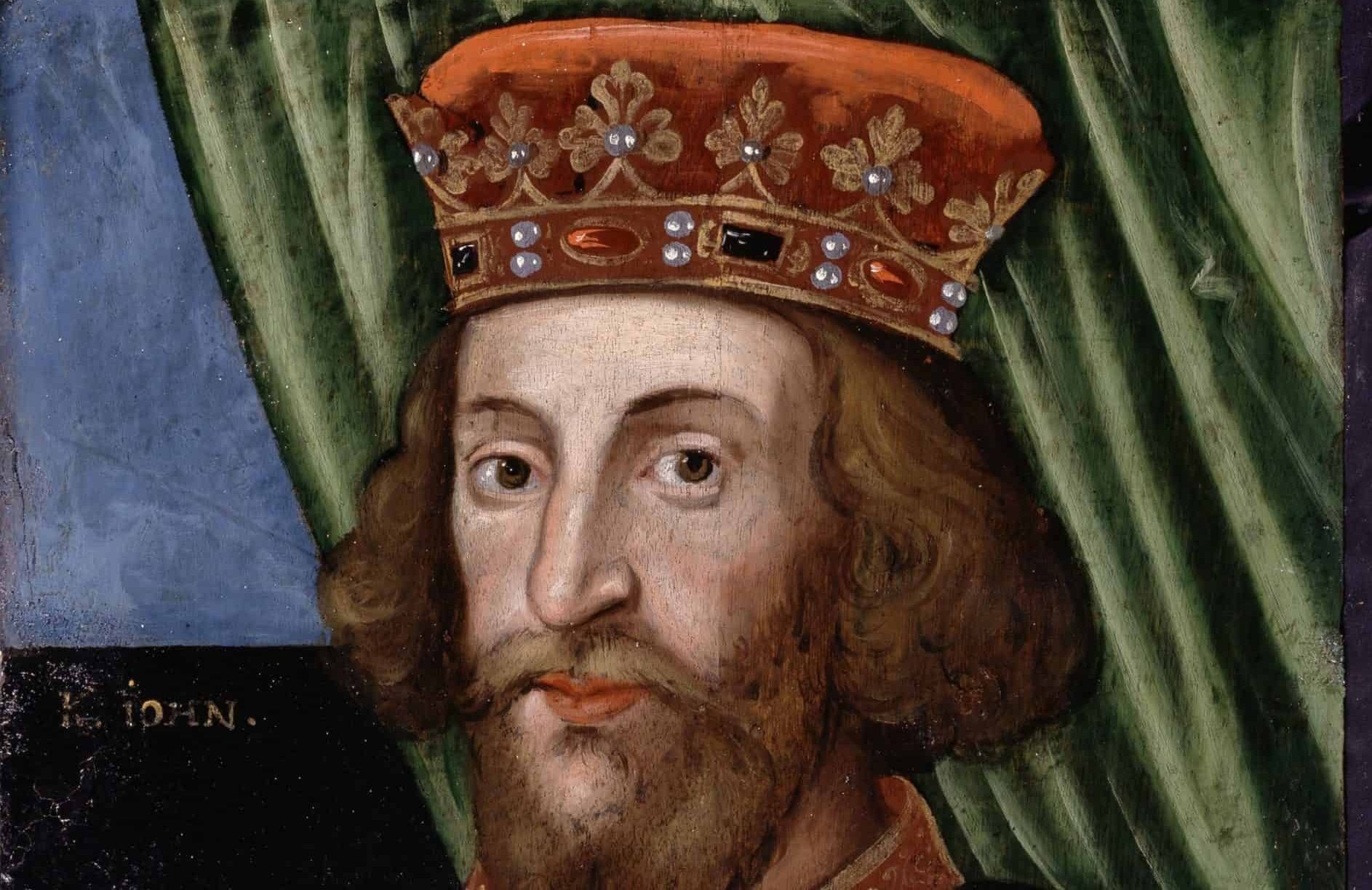
King John didn’t just raise his voice when angry. The medieval king would literally throw a tantrum on the ground.
If one of his barons, bishops, or foreign diplomats crossed him or bore him bad news, King John would slump dramatically backwards onto the floor.
From there, he would stamp his heels, shout at the roof, and gnash whatever he could get his mouth onto: be it carpets, rushes on the floor or chairs.
Those who saw it said the king might spend considerable time flailing on the floor, covered in dirt, before he’d eventually get up and plan bloody revenge.
King Farouk of Egypt

Egypt’s last king refused to return to sleep after waking up from a nightmare.
Farouk dreamt that he was running through the desert from a pride of lions. Believing that the dream was some sort of personal threat or prophecy meant to be taken seriously, he immediately got dressed, armed himself with a rifle, and drove to the Cairo Zoo.
There, he yelled at the keepers to open the gates until they complied. He then strode right up to the lion enclosure and murdered two lions that were in cages to show that he couldn’t be intimidated.
Queen Maria Eleonora of Brandenburg

Desiring a son who could someday inherit the throne of Sweden, Queen Maria Eleonora was furious when midwives brought her baby daughter (the future Queen Christina) into her room in 1626.
Screaming insults at the servants, she called her healthy newborn baby a monster and would not go near her or touch her.
Over the following years, her fury manifested as deliberate mistreatment, with nannies frequently letting the infant fall down stairs or allowing heavy items to crash near her crib. And this left Christina with a permanently injured shoulder.
When her husband died many years later, Maria Eleonora took Gustavus Adolphus’ embalmed heart and kept it in a small gold box that she wore hanging from her bed. She cried hysterically whenever someone tried to give the heart a proper burial.
Pope Stephen VI
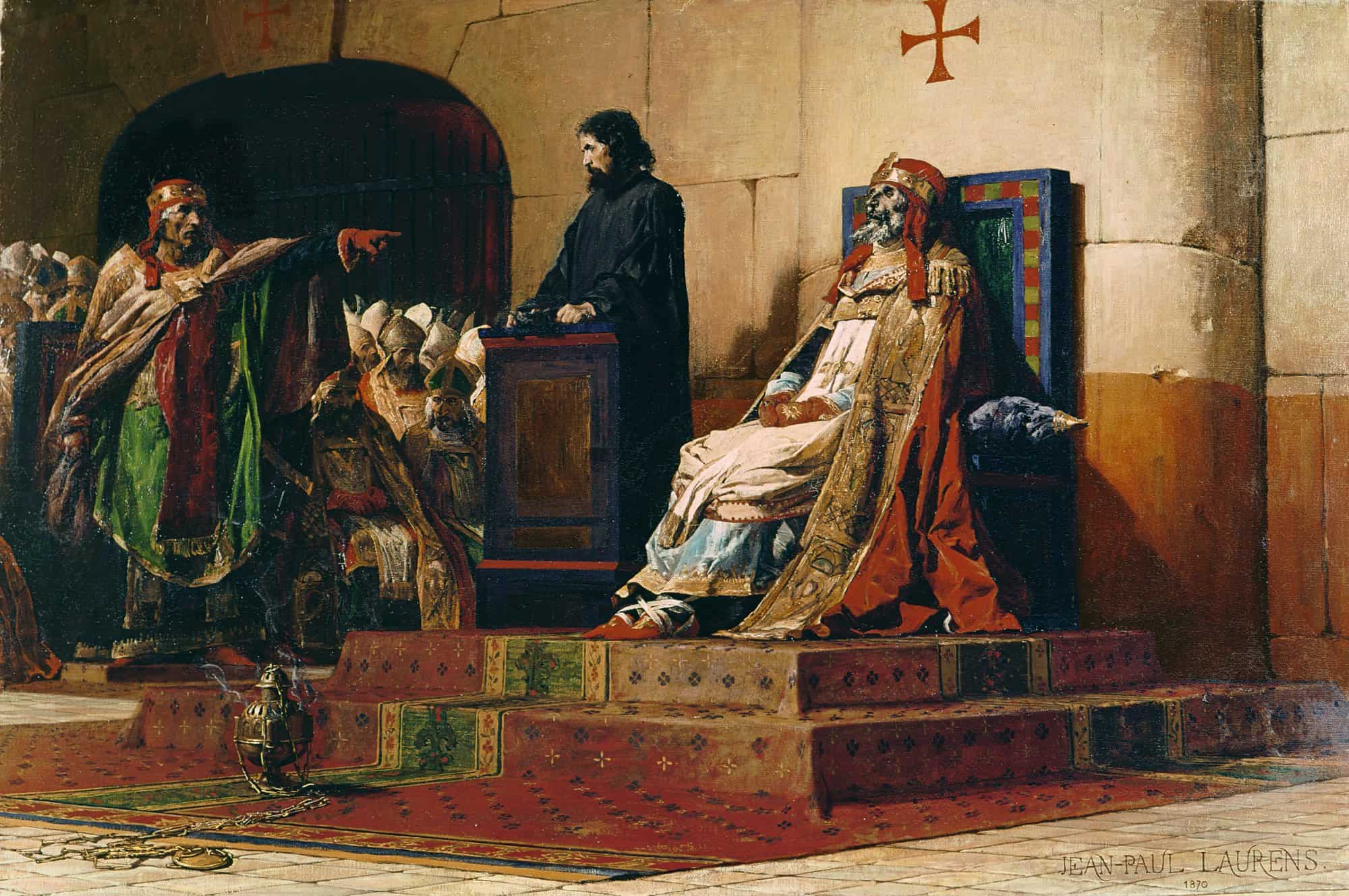
Angered by how his dead predecessor Pope Formosus ran the church, Pope Stephen VI decided death wasn’t punishment enough.
In 897 Stephen had Formosus’s nine-month-old corpse exhumed, clothed in papal regalia, and seated in a chair for trial.
Nicknamed the “Cadaver Synod,” Stephen paced around the church chanting accusations at the decomposing body while a deacon whispered responses to imaginary questions.
Following a few hours of this spectacle, Stephen pronounced Formosus guilty, had three of his fingers severed, and then ordered the corpse dragged through Rome’s streets before it was ultimately tossed into the Tiber.
King Eric XIV of Sweden
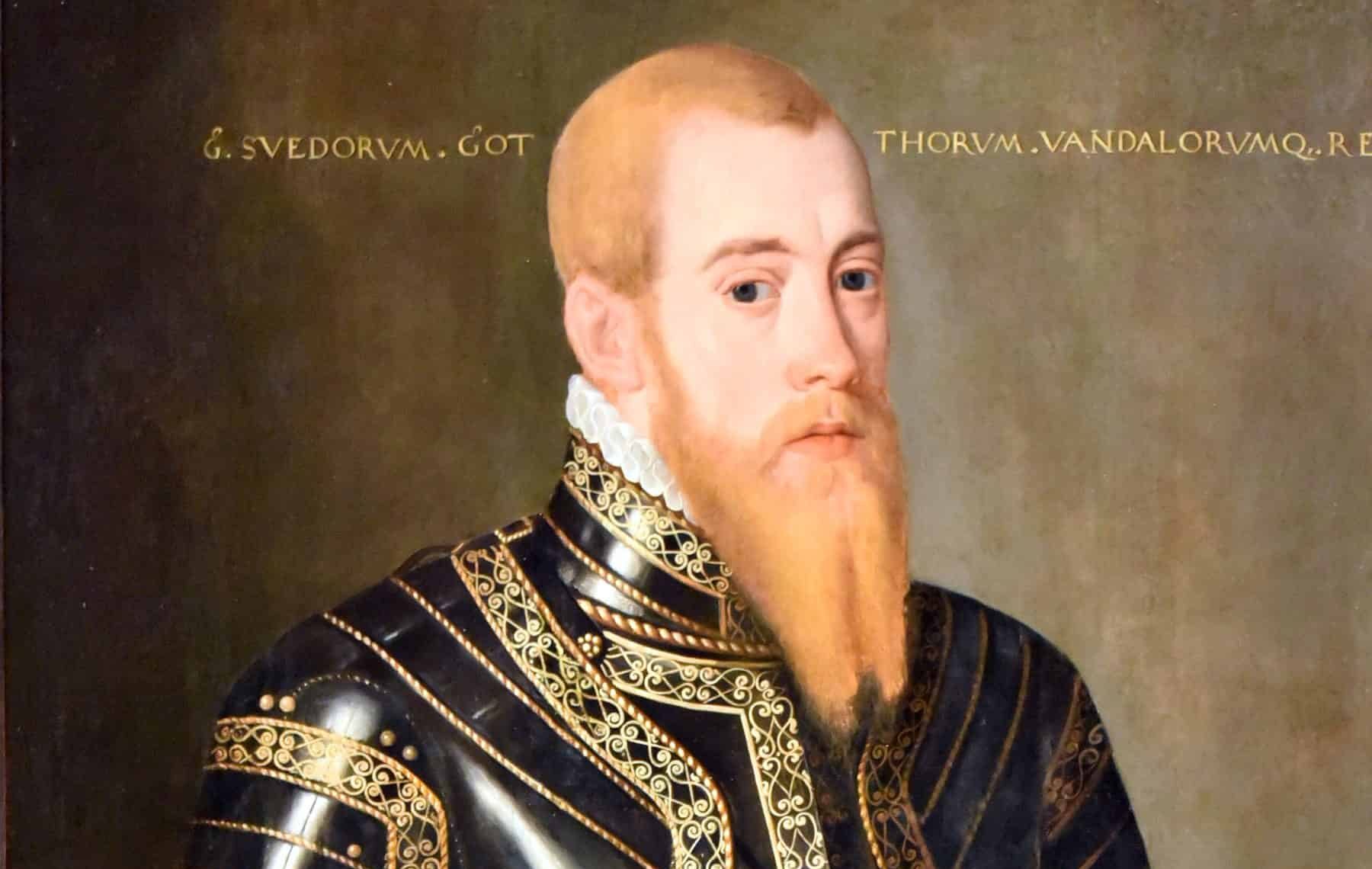
King Eric XIV of Sweden never fully recovered from his paranoid delusions that everyone at court was laughing at him behind his back.
If anyone did not greet him with enough pomp and circumstance, Eric viewed it as an act of treason.
In 1567, Eric suffered a psychotic break in which he believed that the powerful Sture family was conspiring against him, whispering and mocking him whenever he was not looking.
In the darkest part of Uppsala Castle’s dungeons, Eric confronted Count Svante Sture in his cell, stabbing him squarely in the chest with a dagger.
He then bolted into the corridor wailing that everyone was plotting against him, ordering his guards to slay the rest of the nobles there and then, before escaping into the woods in his undergarments, squawking like a maddened bird.
Emperor Zhengde of Ming China
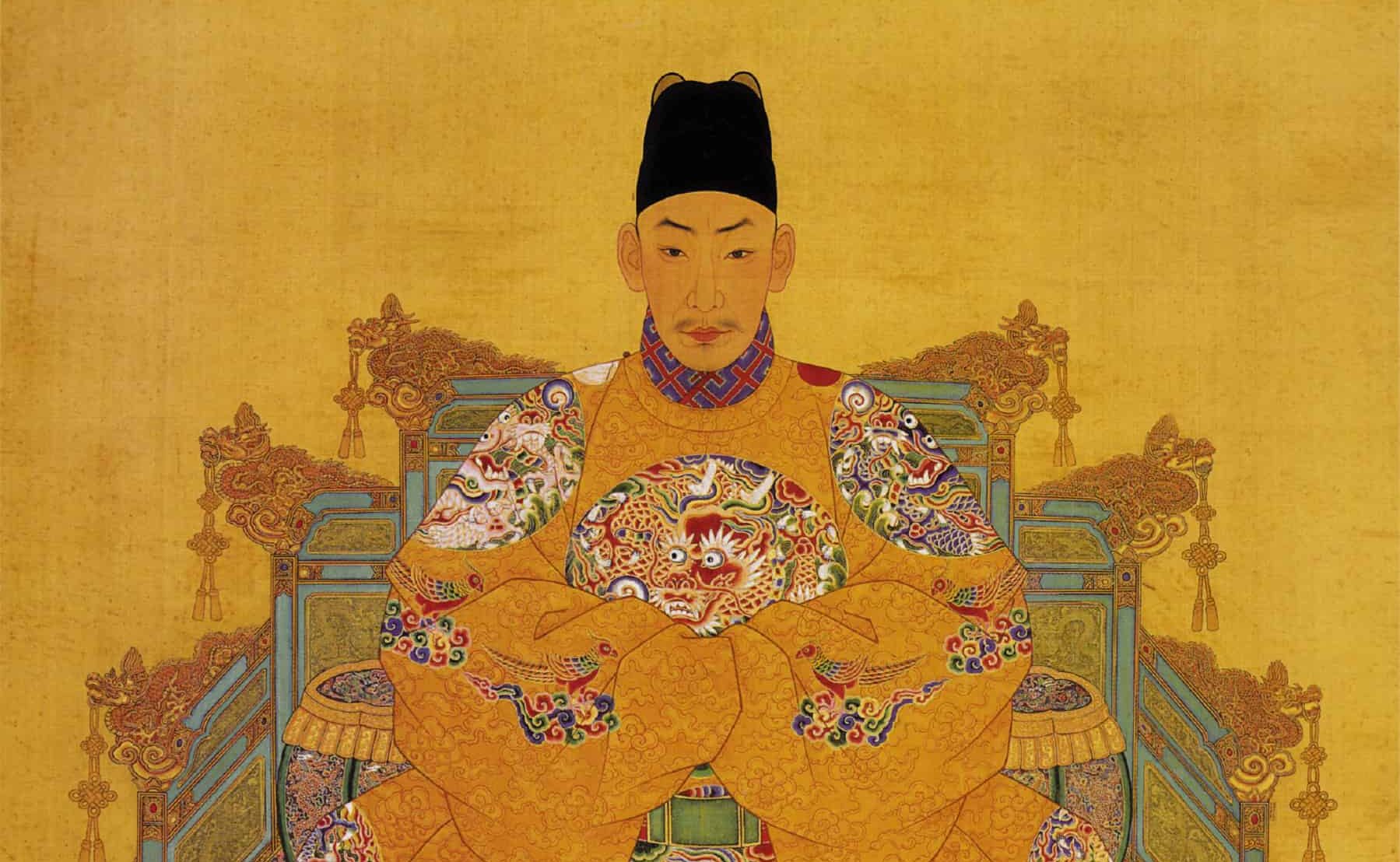
At just fourteen, Zhengde took the reins of the entire Chinese empire. He quickly became bored of administration and treated the royal palace like a playground.
On one occasion when Zhengde felt the imperial ministers weren’t indulging him enough, he erupted and had a faux commercial town built within the palace courtyard. He forced concubines, palace eunuchs, and senior officials to dress as merchants, bandits, and peddlers so he could pretend to sell them goods.
Zhengde even once decreed that pigs could no longer be raised, sold, or eaten throughout the country because the Chinese character for pig was pronounced the same as his family name “Zhu”.
People were regularly punished if found with a pig, causing a national shortage of pork until his advisors pleaded with him to end the mandate.
King Philip V of Spain
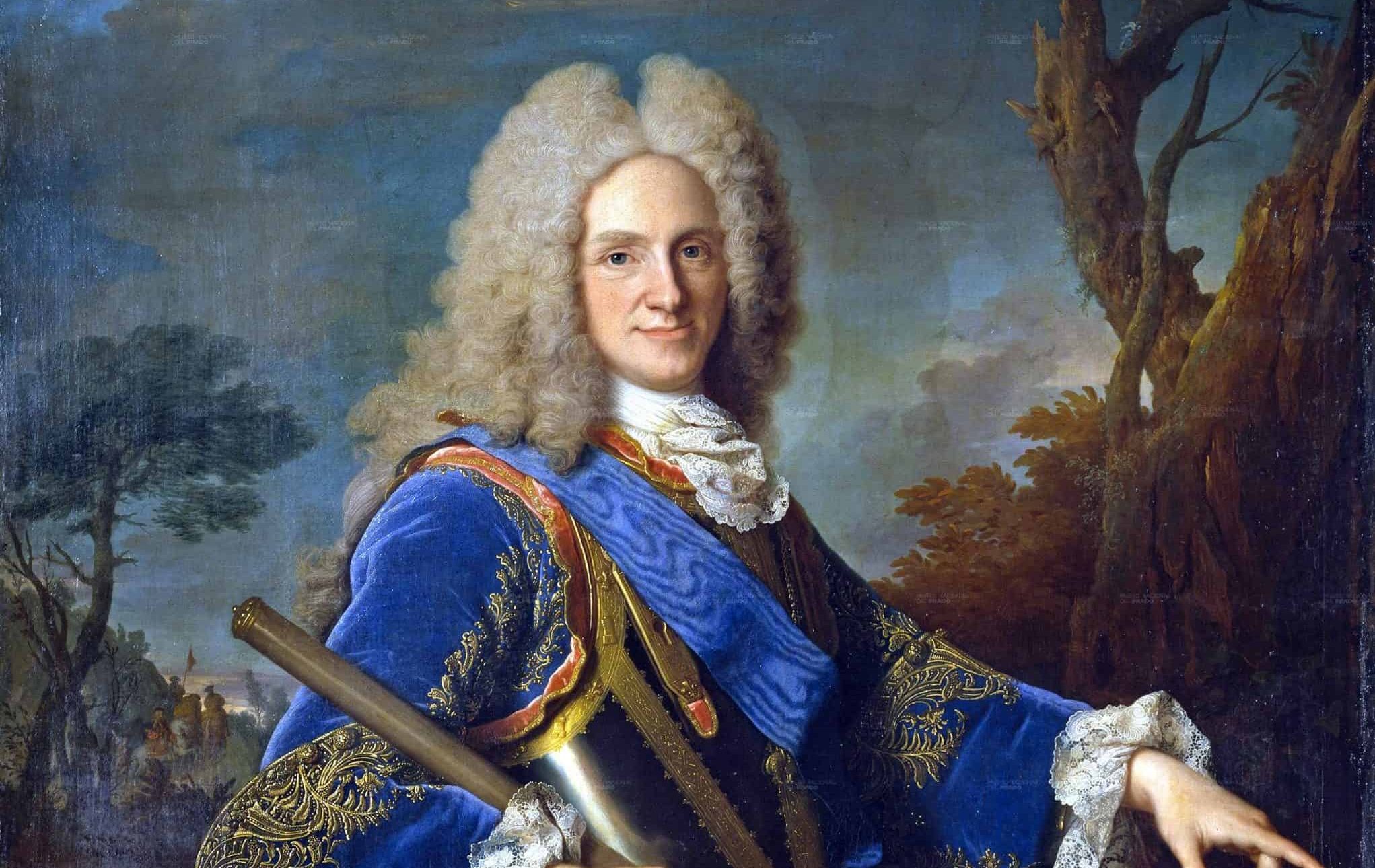
When the weight of being king became too much, Philip V would rebel by neglecting his personal hygiene and basic civilities.
For weeks or months on end Philip would refuse to bathe, shampoo his hair, or allow someone to trim his toenails when he fell into periods of prolonged rage or depression.
His toenails would grow so long and thick that he was unable to walk. He would scream at court physicians and bite at his own arms and legs down to the bone if anyone attempted to help him up from his bed.
On one occasion, Philip fell into a week-long frenzy where he told frightened courtiers that he believed he had been magically transformed into a frog.
The King refused to speak to anyone for seven days, but instead croaked at guests under his royal cloak.
Tsar Paul I of Russia

Tsar Paul took micromanagement to psychotic levels.
Making even the smallest of errors could get you killed in the span of five seconds if his icy-blooded mood happened to swing that way.
When attending one of his royal military parades in Saint Petersburg, Russia, a cavalier officer’s horse slipped on the pavement after incorrectly setting one of his hooves.
Furious at this disrespect towards his flawless army, Paul halted the parade and proceeded to give the horse 50 lashes with a military whip in front of the crowd.
On another occasion, when an army regiment became slightly lost during marching exercises, Paul screamed at the troops, grabbed his military baton, and ordered the entire regiment (amounting to thousands of men) to march themselves to Siberia.
King Christian VII of Denmark

Battling severe mental illness, King Christian VII of Denmark expressed his rage through frenzied episodes in his capital city.
Late at night, he would recruit a mob of courtiers and run through the streets of Copenhagen, hurling glass street lanterns to the ground, kicking wooden doors from their hinges, and assaulting any town watchmen who got in his way.
While sitting at state dinners inside the palace, Christian’ sense of entitlement came out during dinners with visiting diplomats; he regularly tossed plates of food in the faces of servants, slapped diplomats across the face during discussions, and crushed antique chairs into walls when he was bored.
His advisors ultimately hired guards to trail him constantly, tasked with making amends to townsfolk whose belongings the king had damaged.
King Ludwig II of Bavaria

King Ludwig II was well known for constructing lavish castles and using up his own fortune to do it.
He would terrorize people whenever the topic of finances came up. When his ministers denied him additional funds to manage his spiraling debts, Ludwig erupted in anger, ordering the head of the national bank thrown into a castle dungeon.
When his tea wasn’t quite hot enough or a courtier failed to bow sufficiently, Ludwig was known to hurl silverware and heavy decanters at his servants.
At his peak of anger, he had his top cabinet ministers whipped and embarrassed in public for suggesting that maybe he should stop spending money on castles he never finished.
Tycho Brahe
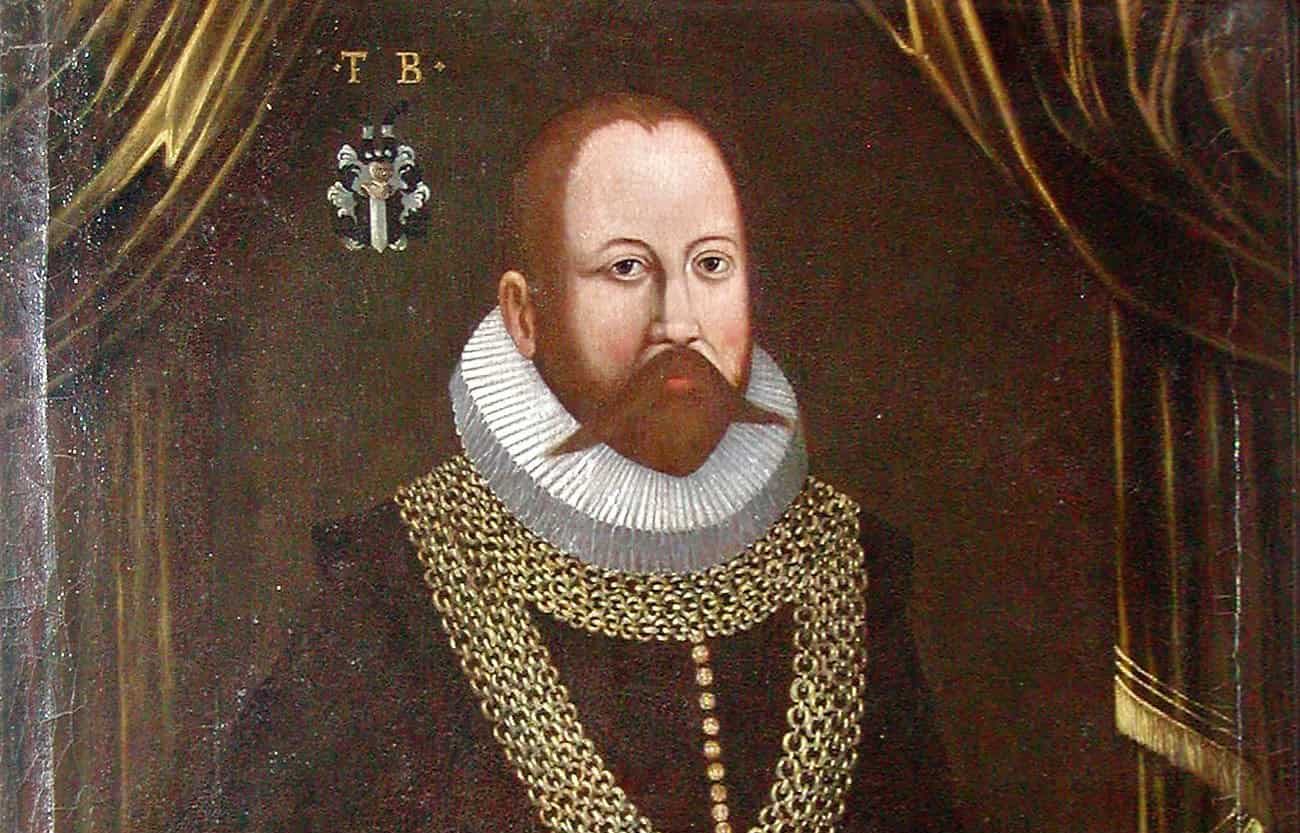
In his time, the Danish astronomer Tycho Brahe gained renown as much for charting the cosmos as for his aristocratic swagger.
While at a festive wedding reception in 1566, Brahe got into a quarrel with a fellow nobleman over a specific mathematical equation.
Brahe could not stand it when someone questioned his math, and began ranting and raving, cursing his opponent’s ancestors and insisting that they duel at once over what was supposed to be a friendly meal.
The darkness of the hour meant the duel took place without any light, and Brahe ended up with the entire bridge of his nose severed. And for the next thirty-five years, Brahe sported a nose crafted from gold, silver, and copper in place of his own.
Emperor Elagabalus of Rome
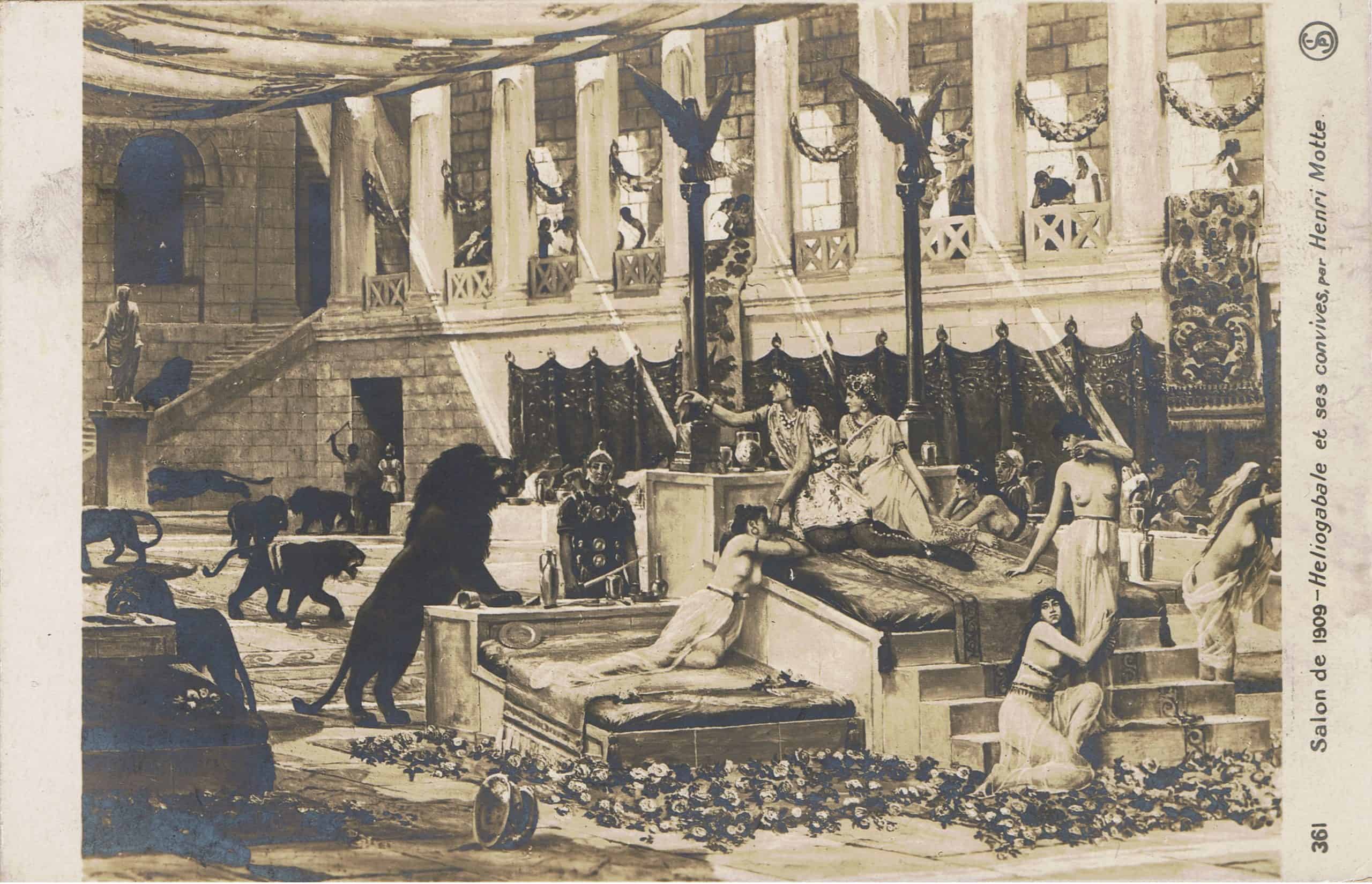
Ascending to the throne at age fourteen, Elagabalus expected everyone around him to entertain him at all times.
When his dinner parties felt a bit slow or his guests seemed weary, he’d lean into his regal bearing by resorting to nasty pranks and violent outbursts. He regularly had servants slip domesticated lions, leopards, and bears into his friends’ bedrooms at night to watch them panic and run for the exits.
During one feast, Elagabalus commanded his chefs to activate a ceiling grid that released tons of loose rose petals into the banquet room when he felt his guests weren’t awed by his extravagance enough.
While he sat giggling on his throne, a storm of flowers descended, burying and killing several guests.
Empress Elisabeth of Austria

Driven by her need to maintain her beauty and porcelain-like waistline, Empress Elisabeth of Austria imposed rigid rules on her entire household to calm her severe insecurities.
For up to three hours every morning, Elisabeth’s waist-length hair was brushed and styled, and the slightest pull on a loose hair by the brush sent her into a rage, yelling at her hairdresser and throwing the hair down.
Elisabeth would ban all clocks from her personal living quarters because she hated to be reminded that time was passing.
If foreign ambassadors or guests at court tried to look directly at her face when they were not allowed to, she would viciously snap her leather fan open in front of her face and storm out of the room, refusing to return that day.
Sources: Please see here for a complete listing of all sources that were consulted in the preparation of this article.
Like our content? Be sure to follow us.
15 marriage laws from history that ruined women’s lives

Besides teaching you a few history lessons, these 15 marriage laws from around the world will show you how a woman’s life was broken piece by piece in the name of marriage.

