
Some of the strangest parts of Christianity are the ones that go past the familiar Christmas-story version of it, and it’s because these beliefs sound almost nothing like what outsiders expect.
Two natures, one person
One of the strangest things about Jesus is the fact that he’s not God or human. No, he’s both. Traditional Christianity preaches that he’s both fully God and fully human at exactly the same time.
He has a real human body and a human mind with human emotions, yet he’s still divine. It’s an idea that formally became part of Christianity in 451. Many denominations of Christianity, including Catholicism and Protestantism, still teach it.
It starts much earlier than Christmas
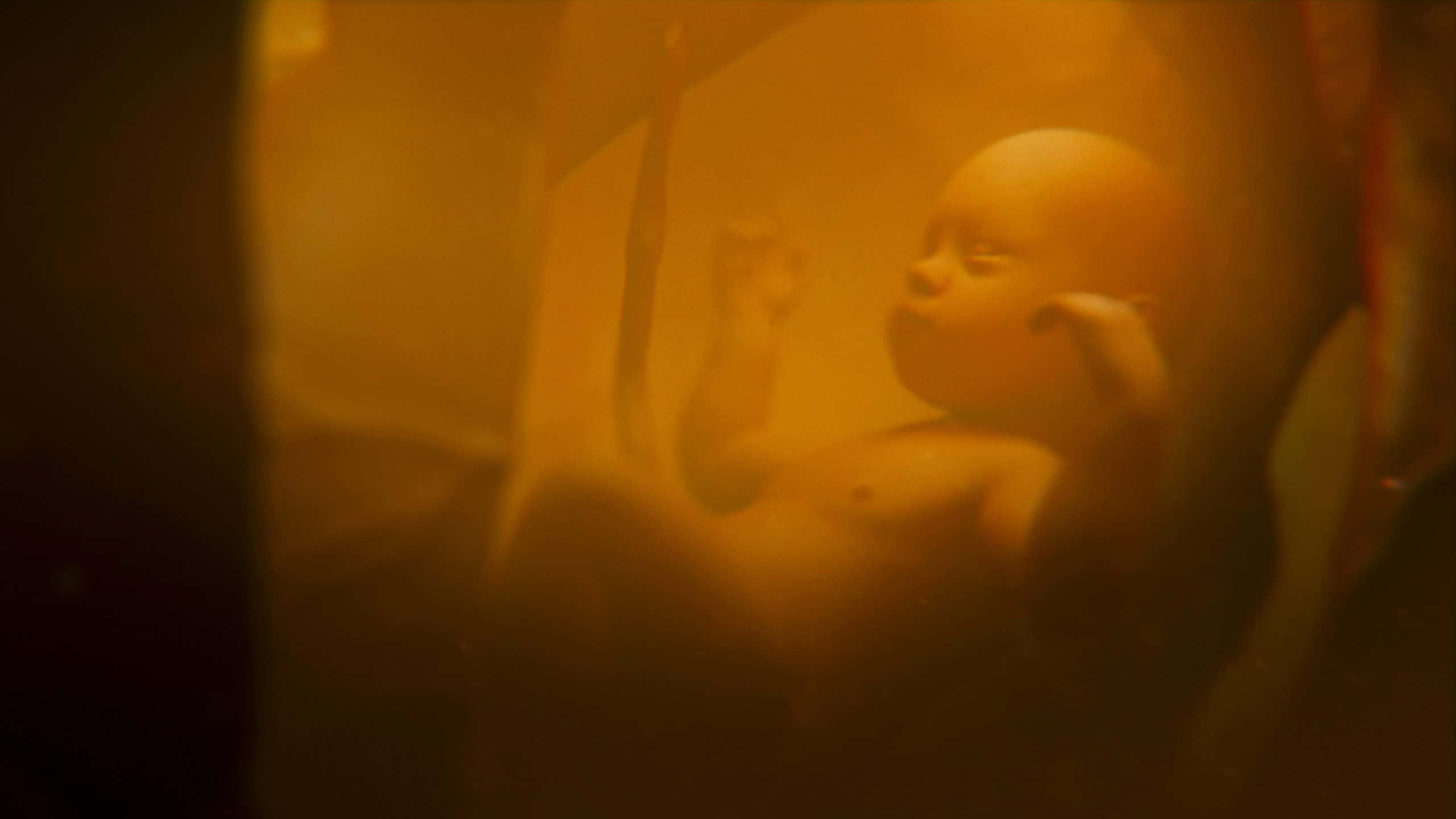
Most people are familiar with the Christ story of God becoming human in a stable. Only Christians know that it began in a womb. Christianity teaches that Jesus began life as an actual human embryo and went through the usual development in his mother’s womb before being born.
Christians don’t believe God simply appeared as a baby one day. They argue that God entered human life at its earliest stage and spent months developing before Christmas even happened. It’s such a human side to the divine that it surprises a lot of non-Christians.
Death doesn’t always end the prayer list
Death isn’t always the end. At least, not for Catholics, as they can keep praying for somebody after that person has died. They do a lot more than simply remember the deceased or ask God to comfort the family. They genuinely pray for the dead person.
It comes from the idea of purgatory, where people already headed for heaven may still have to be ‘purified.’ You’ll find many Catholics offering prayers and Masses for them. You can’t exactly pray somebody out of hell at the last minute, but still, you can help the dead through prayer.
Bones can have a religious role

Practically any body part from a saint can become an important Christian relic. It could be a tooth or a bone, even a fragment of bone. Catholics and Orthodox Christians believe that these objects are religiously important, although they don’t worship them as gods.
They will still display them and put the items beneath altars. There’s a Catholic law that actually says that they can’t sell any sacred relics because they’re that important.
A language can appear without lessons

By far one of the most surprising Pentecostal Christian beliefs is about speaking in tongues. This group of Christians thinks the Holy Spirit can make people speak in tongues, and they often teach that it happens while being baptized in the Holy Spirit.
The speaker might start talking in a language they haven’t learned. It’s pretty odd to witness. It’s not something that every Christian believes, of course, and plenty don’t practice it at all. But the fact that some people do believe it is surprising enough.
Exorcism isn’t limited to people

Horror movies have made exorcisms seem like they involve possessed people and priests. That’s only part of the story. Catholics have exorcistic prayers to expel evil from places or objects affected by it.
Yes, that means they believe evil can possess non-living things, too. A full major exorcism is a lot more tightly controlled than the movies would make you believe. Still, the idea of an object becoming the source of an exorcistic prayer is kind of surprising.
Some worshippers pick up rattlesnakes
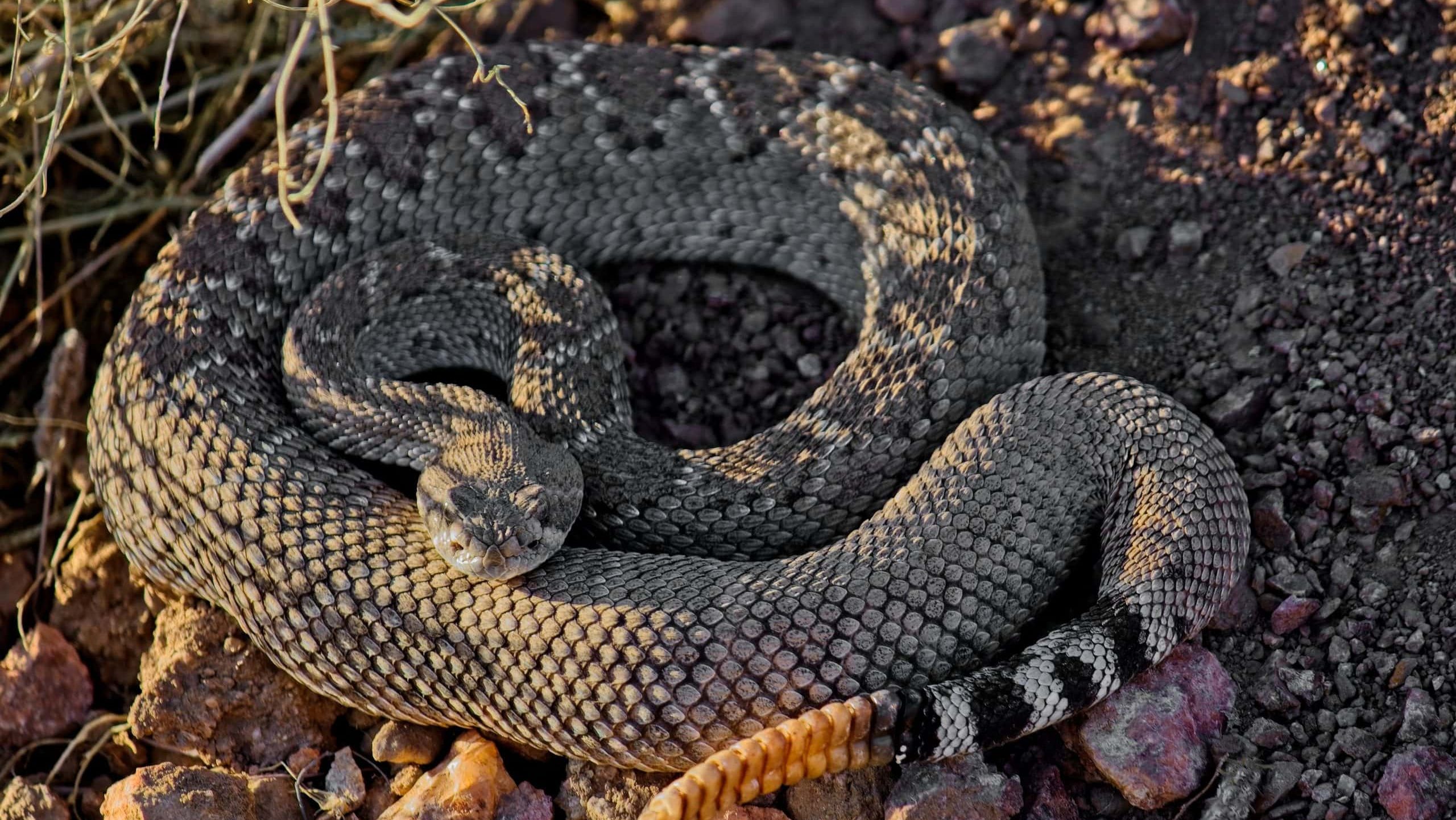
There are some Appalachian churches that take worship very seriously, maybe a little too seriously. Worshippers will handle rattlesnakes and copperheads during services as part of a very literal reading of Mark 16:17–18. This verse says believers will ‘take up serpents.’
It’s not something very widespread and only something people in parts of West Virginia, Tennessee, and Kentucky will do. But it’s a belief for some Christians, anyway, and some states have even tried to ban it.
Faith with a dangerous edge
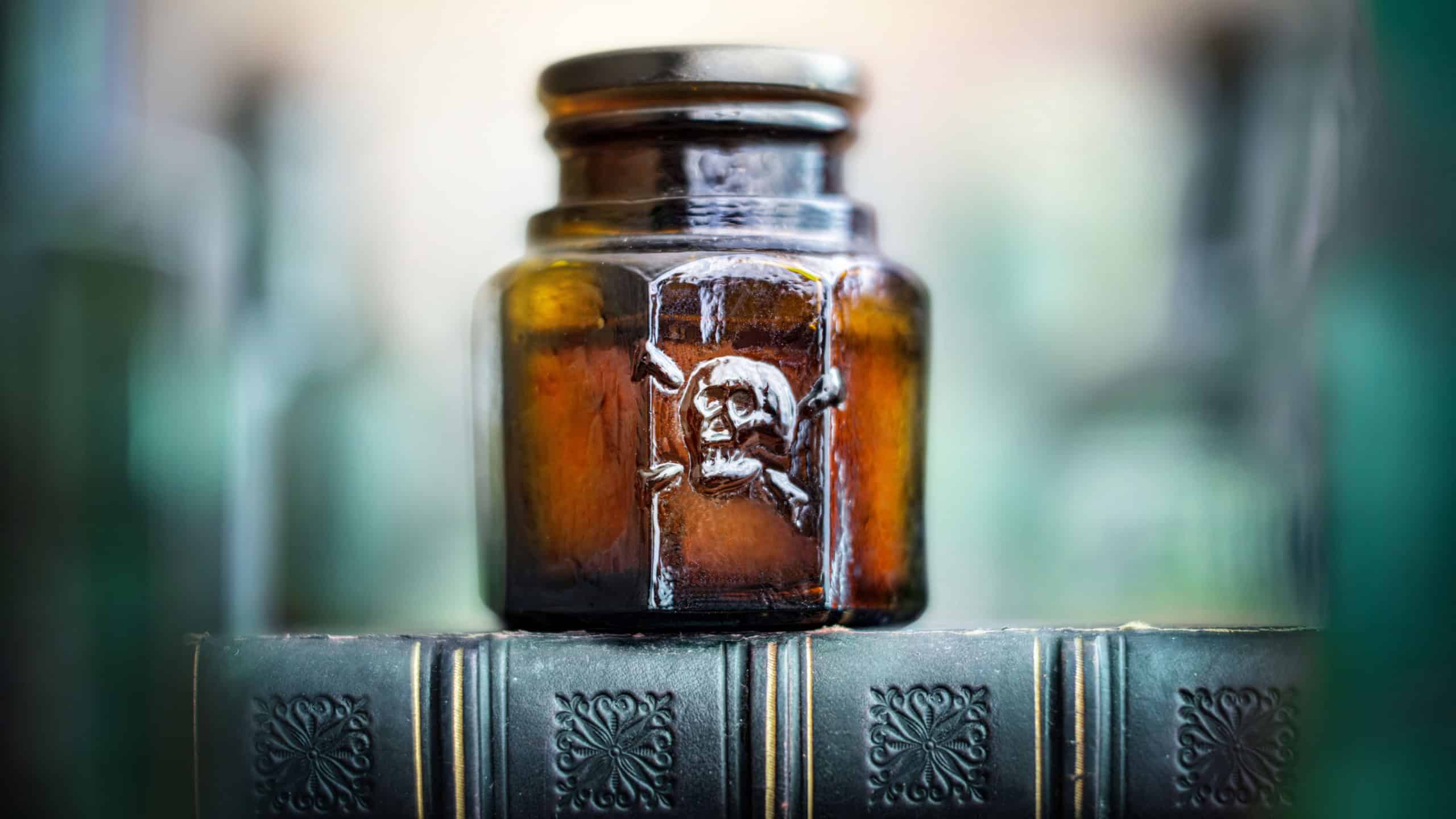
These same Appalachian churches also take another verse from Mark 16:18 quite literally. The verse states that believers may ‘drink any deadly thing’ without being harmed, so some Signs Following Holiness and Pentecostal worshippers have tried testing that idea. They’ve swallowed poison.
They often consume a chemical called strychnine. It’s definitely a rare practice, even within Pentecostal Christianity, and most churches want nothing to do with it. But you’ll still find some congregations that practice it and believe that drinking poison is an act of faith.
More than bread and wine
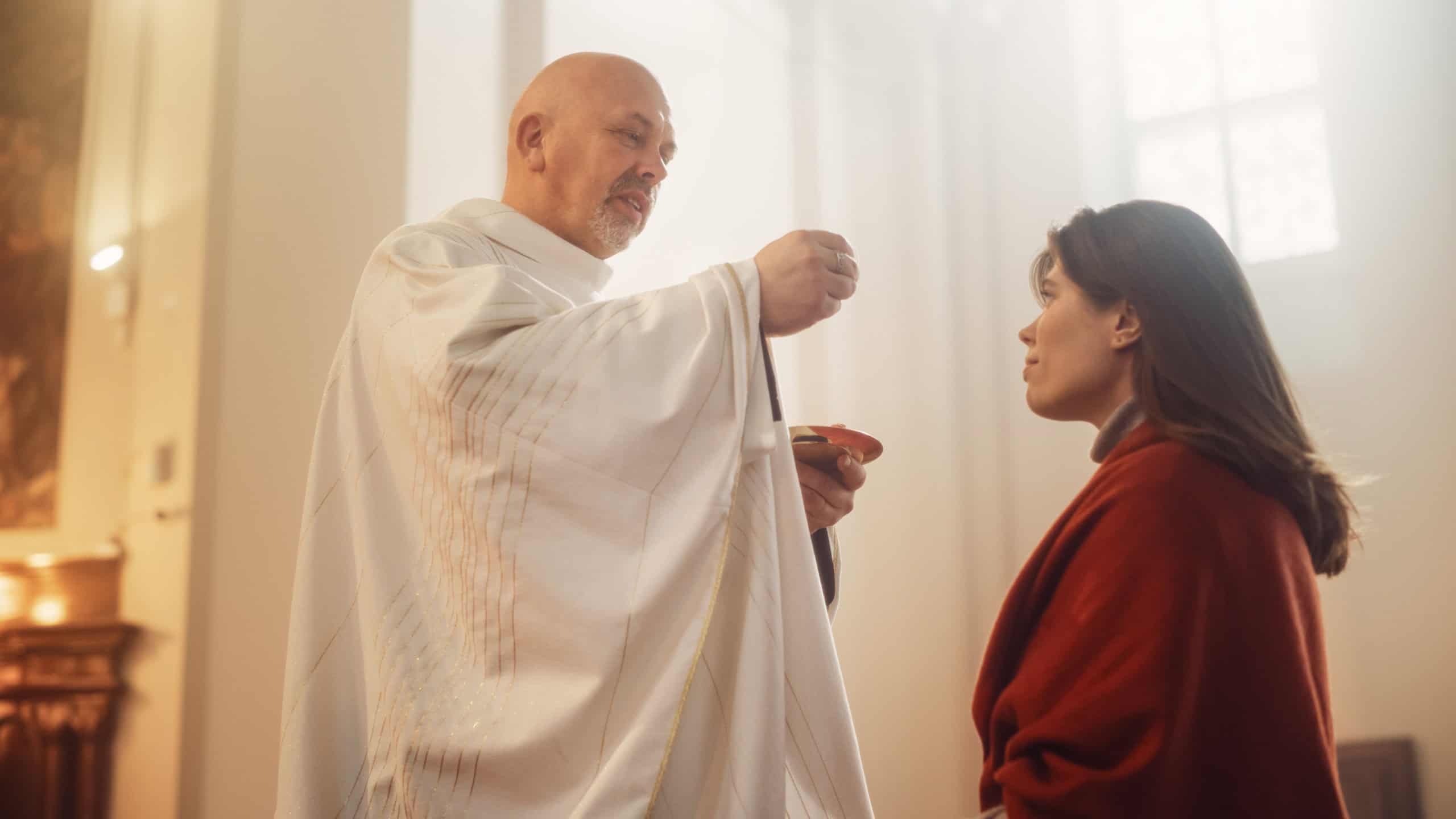
Communion can look quite simple to an outsider, since it seems to only involve bread and wine, along with a prayer. But Catholic teachings take it much further. They believe that, after the priest consecrates them, the bread and wine have actually become Jesus’s body and blood.
They still taste and feel the same, but they’ve become Jesus’s body and blood. It’s not even in a metaphorical way, either. A lot of non-Christians are surprised because, well, the communion still looks the same to them.
An unexpected part of baptism
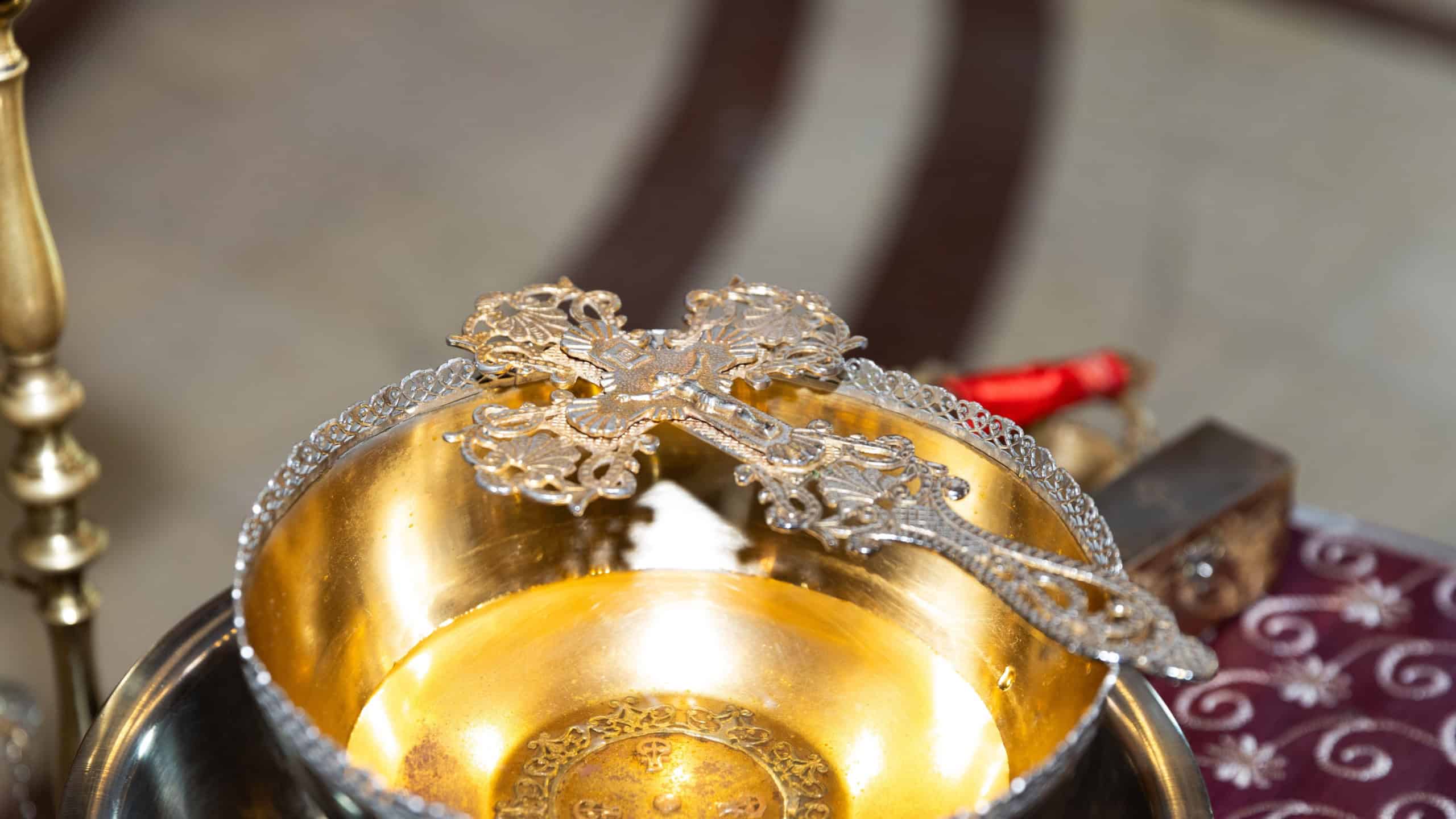
The general idea of a baptism isn’t that unusual, and many non-believers are familiar with the idea. What makes it a little unusual is the fact that a baby is exorcised when this happens. Yes, Catholic baptism includes something that the Church calls a minor exorcism.
The priest says a prayer that asks for the child to be freed from sin and protected from the power of evil. It doesn’t mean the baby is possessed, thankfully. It’s also nowhere near as dramatic as the exorcism from horror movies, but technically, it’s still an exorcism.
Life before Earth

Latter-day Saints teach that your story didn’t begin with your birth, and it didn’t even begin with conception. These people believe that humans existed before coming to Earth as spirit sons and daughters of heavenly parents. They believe humans lived with God in a premortal life.
They also took part in His heavenly council where God presented His plan. According to Latter-day Saints, it was only much later that humans got their physical bodies on Earth. The thought of humans existing in another form is a little odd for most non-Christians.
Heaven gets much bigger
That’s not all for Latter-day Saints. They generally believe in something called exaltation, and that involves humans eventually becoming like their Heavenly Father. Joseph Smith, founder of the Latter-day Saints, used language that described people learning to become gods.
Most people in this denomination only see God as their Heavenly Father, however. The change is supposed to be something that continues far beyond this life, and they don’t teach heaven as the ultimate finish line. That’s pretty different from what many non-believers think about Christianity.
Matter isn’t the whole story

‘Reality’ has a very different meaning for some Christians. Christian Science teaches that God is infinite Spirit and that true existence is spiritual, rather than something material. They believe that our physical world isn’t reality.
Yes, we can see it, and yes, we can touch it, but this is apparently a mistaken human way of seeing things. Our real, spiritual existence supposedly lies underneath it all. Even with that belief, Christian Scientists are still going to walk around chairs instead of through them.
Sources: Please see here for a complete listing of all sources that were consulted in the preparation of this article.
10 things Christians are tired of hearing from outsiders
Talking about faith is made so difficult when you have to explain away the same distracting, overbearing caricatures before any real discussion can even start.
