

There are a few names that survived for years, centuries in fact, without trouble, but then one famous person came and took them over almost completely.
Adolf

You might be surprised to know that, actually, Adolf used to be a normal German name. It wasn’t exactly fashionable everywhere, but it was ordinary enough that families used it without anyone really caring. It was just a name. Then came Adolf Hitler.
His horrific crimes against humanity became so connected to the name that the use of ‘Adolf’ collapsed across German-speaking Europe. No, it’s not a banned name, despite what people might say on social media. It’s just that it’s hard to come back from that association.
Myra
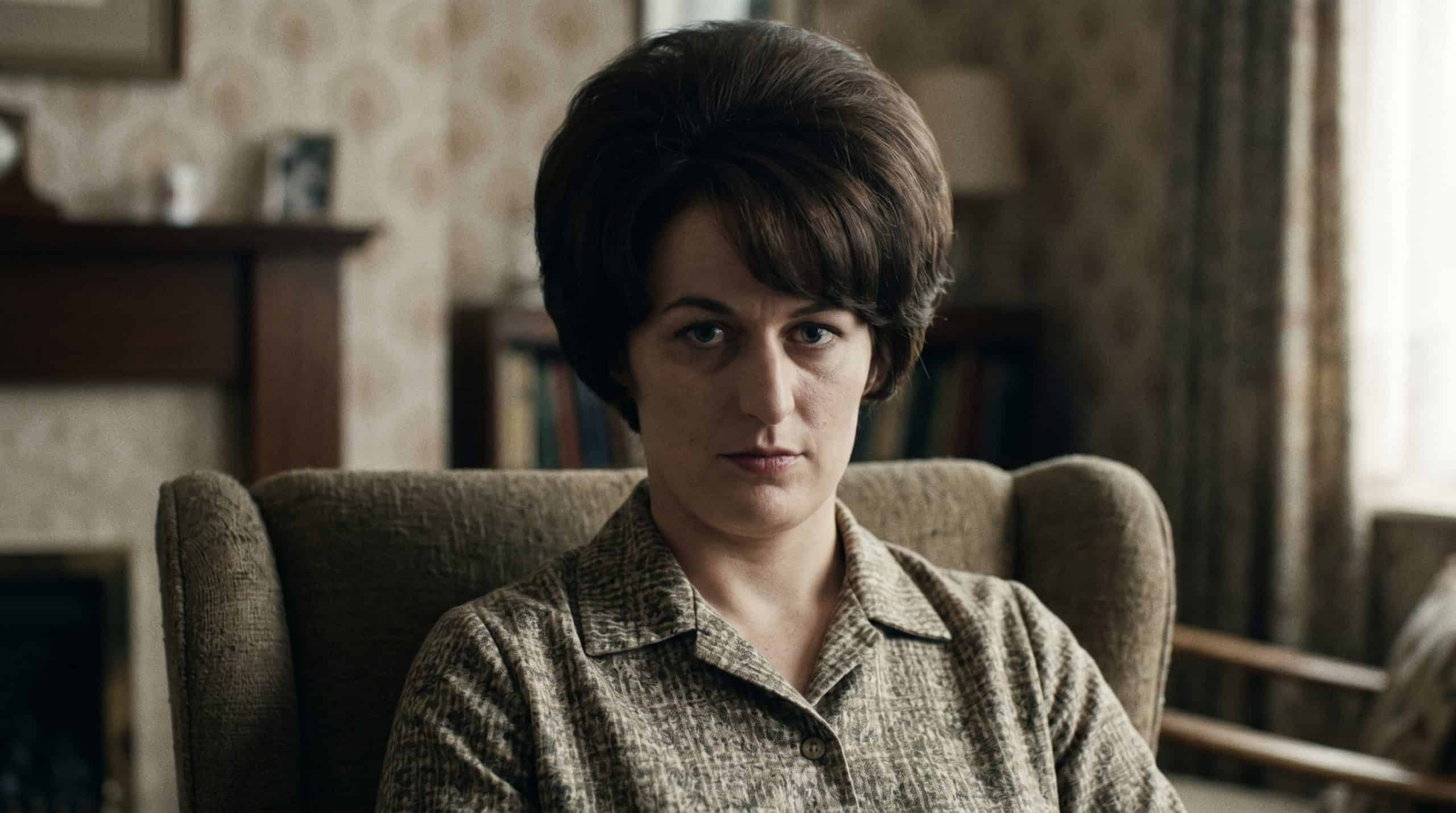
Myra used to be one of those names that sounded kind of old-fashioned in Britain. At least, it was before the 1960s. There were so many actresses and famous figures with the name, including pianist Myra Hess. But Myra Hindley ruined it all.
She was convicted in 1966 for her role in the Moors murders, in which at least five children were killed and buried in the English moors. Myra’s name was printed beside her mugshot for decades, and after that, British parents stopped using it. They had a good reason to stop.
Napoleon
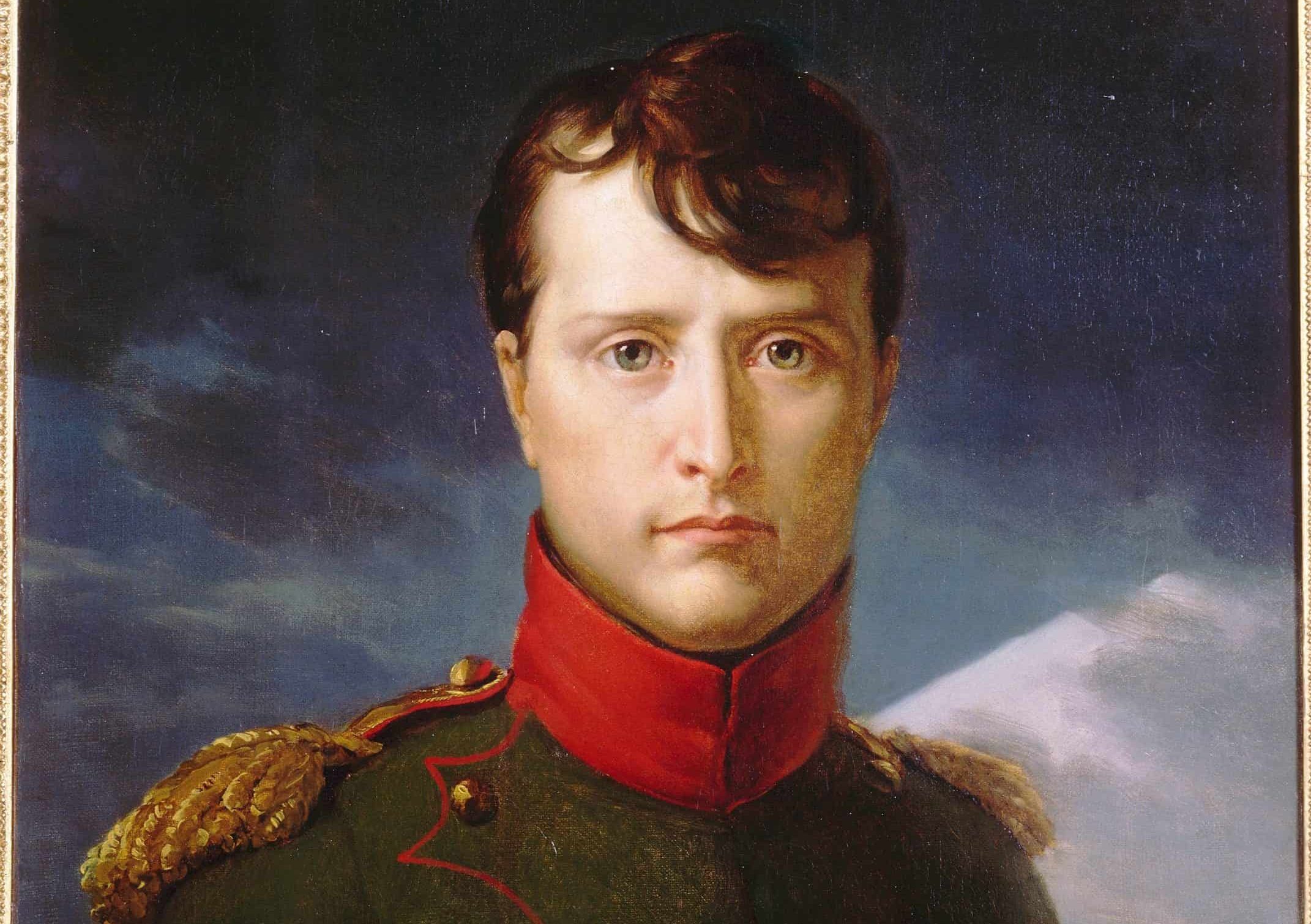
The thing with Napoleon is that it’s not like the name became associated with any crimes or anything. It’s more that the figure himself became so big that you simply can’t give anyone the same name without sounding pompous.
Napoleone existed before Napoleon Bonaparte. In 1804, he became emperor, and that’s when the name stopped sounding ordinary and became more of a title than anything. You’re not going to find many French parents giving their kids this name, it just sounds so pompous.
Judas

Judas. It’s hard to think of it as a name instead of a person, but it really is one. Or, it used to be one, there’s barely anyone called ‘Judas’ today. Most people think of betrayal when they hear it, and it’s all because of Judas Iscariot, the disciple who handed Jesus over.
Funnily enough, the name has actually become another word for ‘traitor’ in English. It’s not exactly something you want to name your kid after. There’ve even been cases where German officials rejected it cause they thought it’d cause the child to be bullied. Ouch.
Ahab
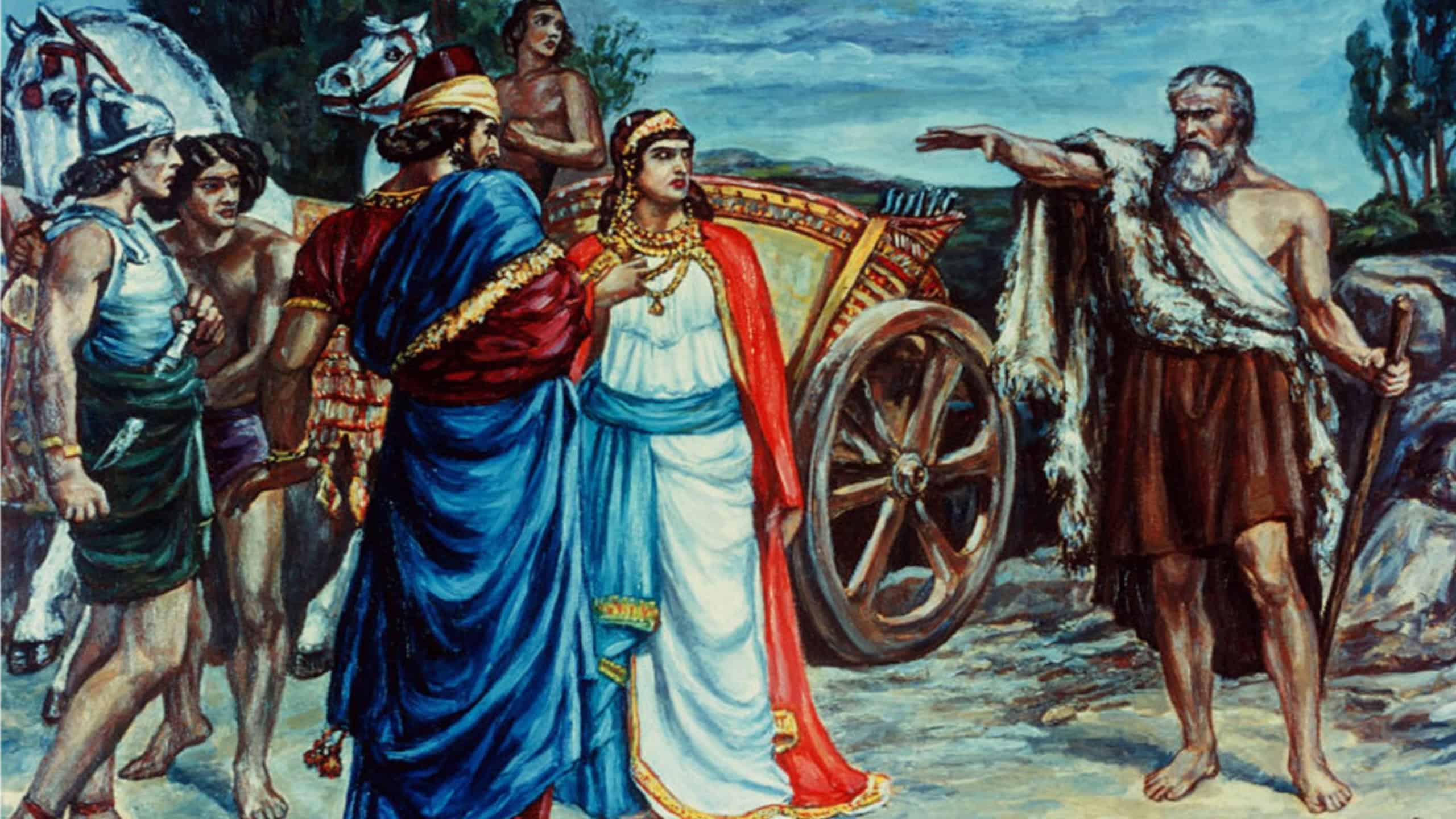
Ahab is a name that just can’t catch a break. It started with biblical King Ahab, who’s shown as being a ruler who supported the worship of the false god Baal. He also kept fighting with the prophet Elijah, just to make things more difficult.
Writer Herman Melville borrowed the name for Captain Ahab in Moby-Dick. Ahab, to put it simply, was an obsessive man chasing a whale across the ocean. So giving someone the name suggests they’re an argumentative or obsessive person. Neither of those is good.
Enoch
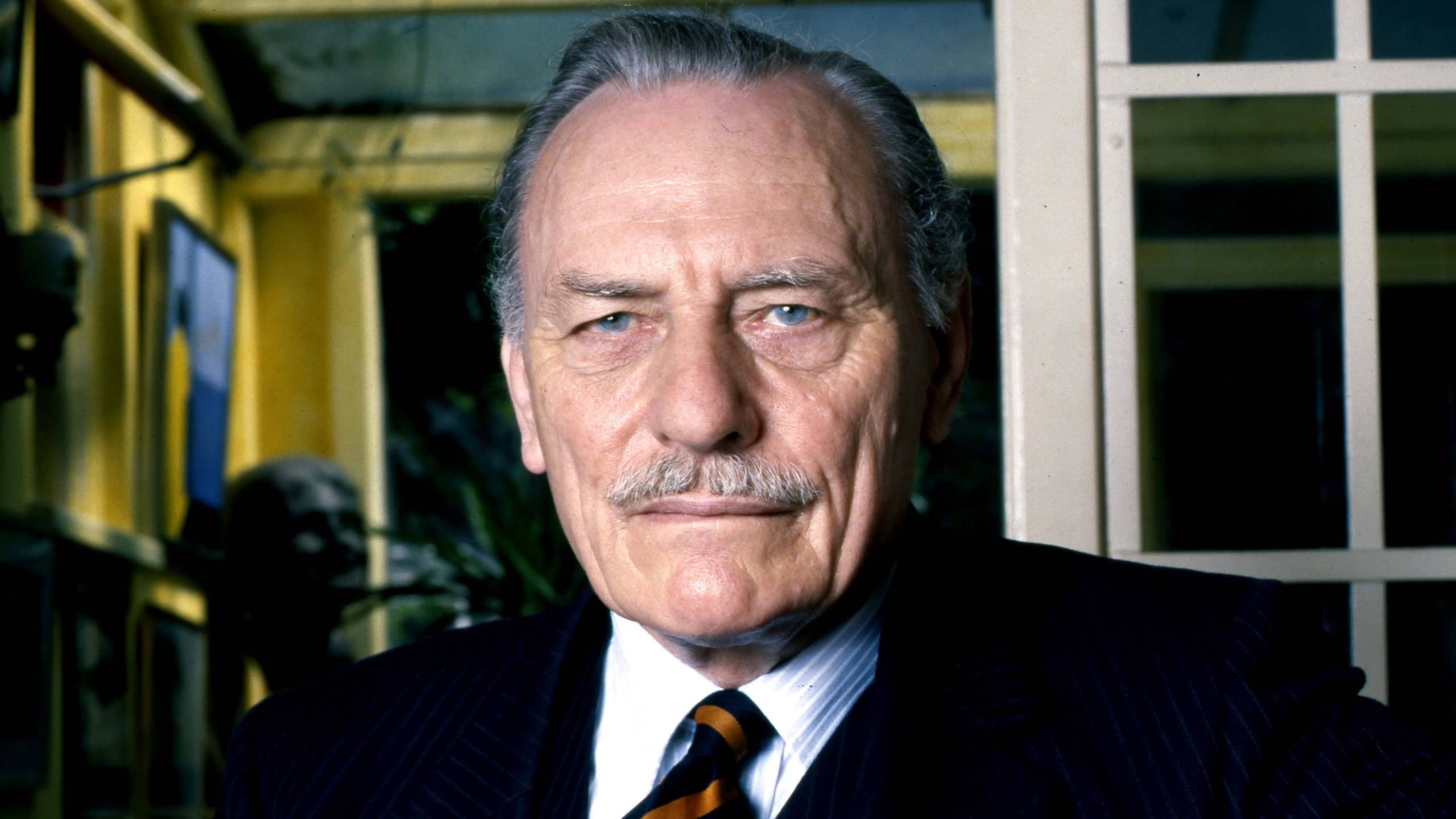
It started peacefully enough. Enoch is described in Genesis as a man who ‘walked with God,’ so it’s no surprise the name hung around in Britain for centuries. It all changed when controversial politician Enoch Powell gave his infamous 1968 Birmingham speech.
He attacked immigration and race-relations laws in his speech, and it became known as the ‘Rivers of Blood’ speech. It’s thanks to that speech that the name Enoch stopped being so popular. It’s not like it was majorly common before, but that speech definitely killed it entirely.
Radovan

Time for one from further afield. The name Radovan came from Slavic roots linked with joy or gladness, and plenty of ordinary men had it in the Balkans. But it changed during the Bosnian War when Radovan Karadžić became known as the political leader of the Bosnian Serbs.
He was later convicted of genocide and several other crimes. Persecution, murder, deportation, you name it, he did it. That’s why the name Radovan has become associated with evil across most Slavic countries, even though the historical meaning is happiness.
Fidel
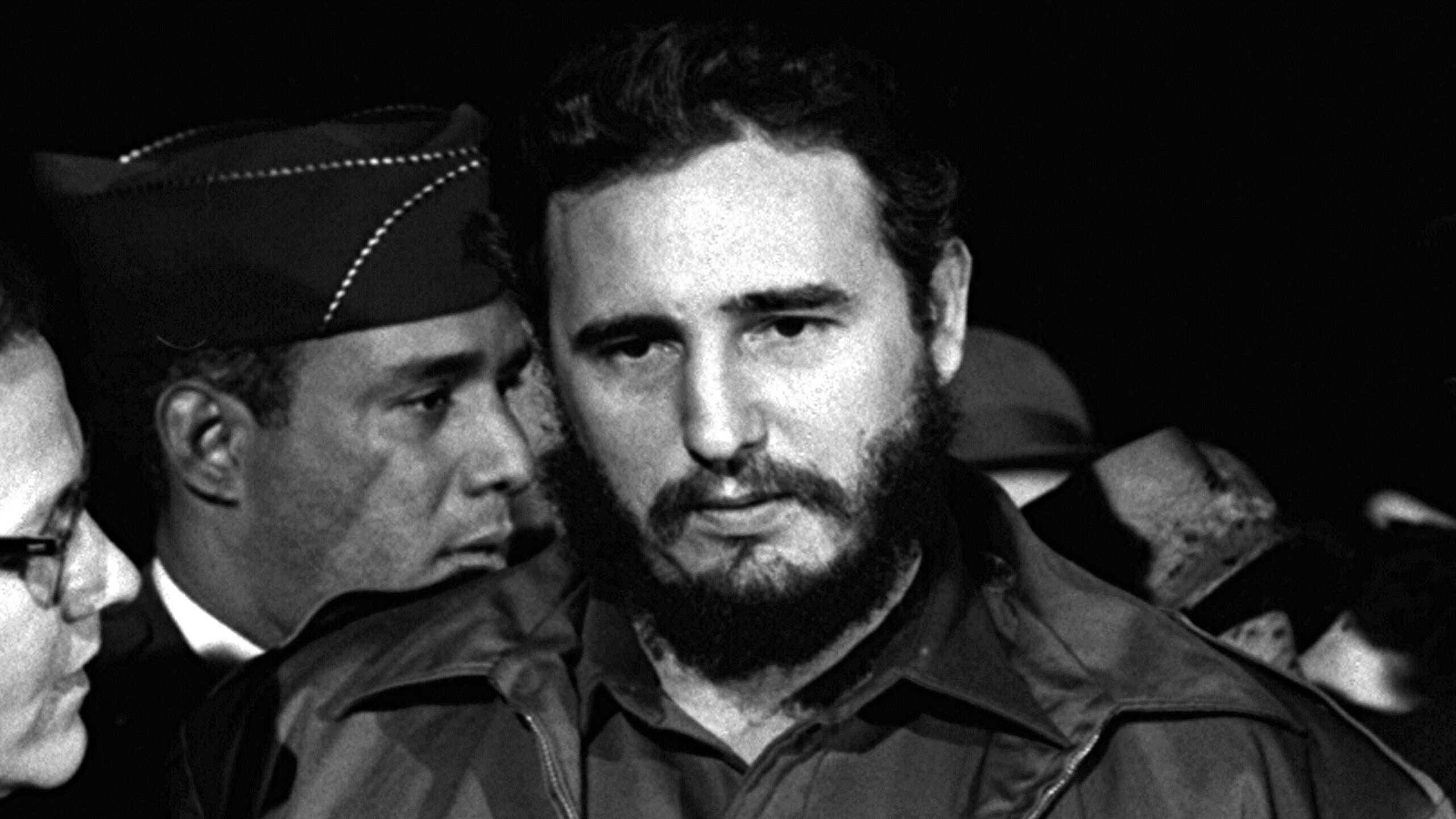
Most people only think of Fidel Castro when they hear the name Fidel. Interestingly enough, however, there was a time when it was genuinely a popular name, especially in Spanish-speaking Catholic families. The name comes from the Latin fidelis, meaning faithful.
But once the famous Fidel took power in Cuba in 1959, he became forever linked to the name. It makes sense. He was the country’s central political figure for almost 50 years and appeared in all sorts of places. That’s why, today, the name isn’t neutral. It has a political message.
Idi

Short and simple. That’s how Idi used to be seen as a name, but then dictator Idi Amin changed how people saw the name. He seized power in Uganda in 1971 and ruled until 1979. His government was responsible for mass killings and torture, among other crimes.
Estimates suggest that hundreds of thousands of people were killed under his regime. So, it’s no surprise then that the name has fallen out of fashion. It’s not like there were many other famous men named Idi, anyway.
Vladimir
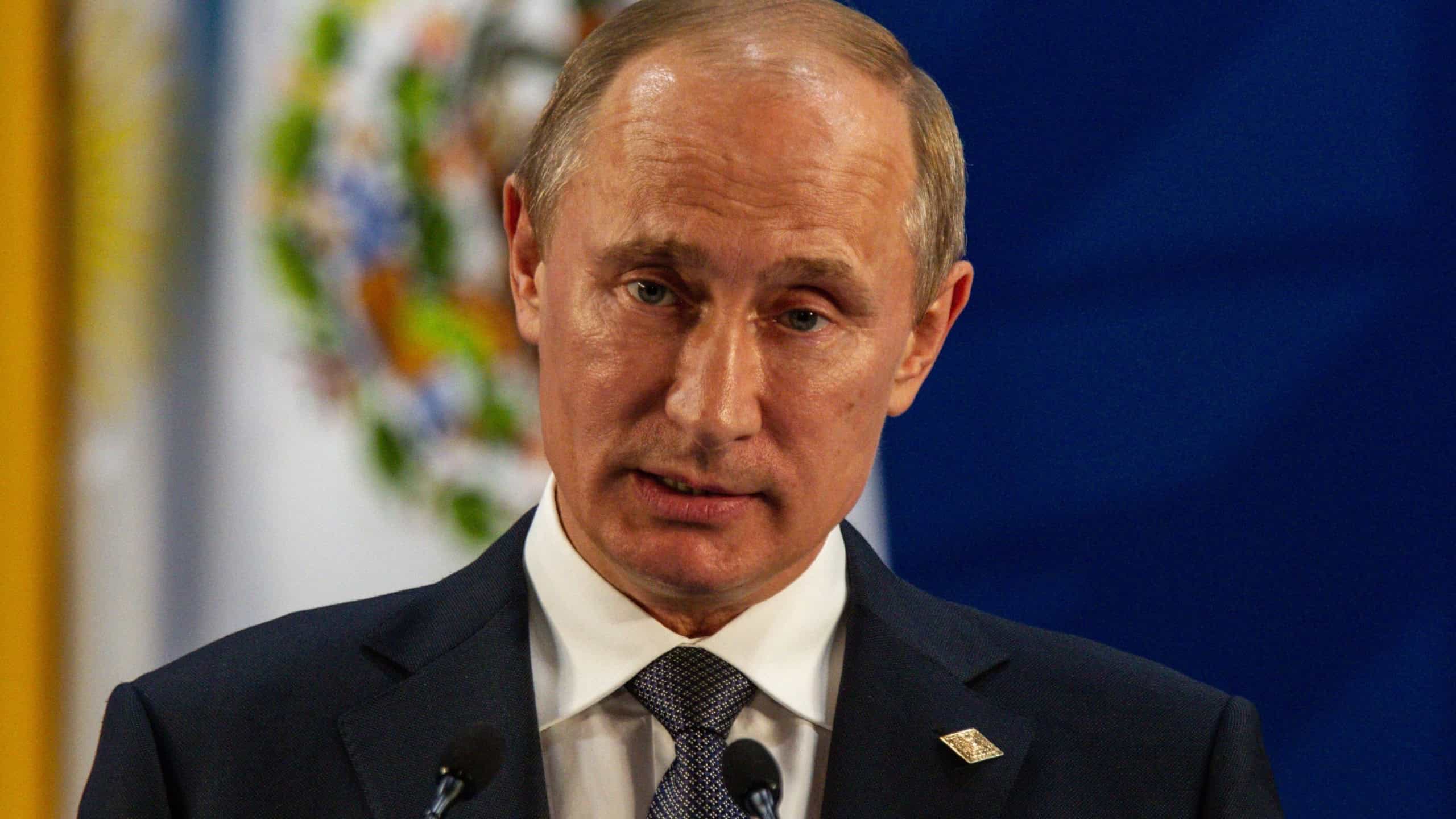
Let’s get one thing straight, there are still some people called Vladimir, so the name isn’t completely dead. But it sure has changed in popularity. Most people associate it with the current Russian leader, Vladimir Putin, and his numerous controversies.
Russia’s full-scale invasion of Ukraine in February 2022 didn’t exactly help things, either. The name has become immediately political. Parents can still use it, sure, but they shouldn’t be surprised if people hear ‘Putin’ before anyone sees the baby.
Evita

Evita didn’t use to be a name by itself, and it was actually the affectionate version of Eva. It became closely linked with Eva Perón, Argentina’s first lady in the 1940s. She was a woman who spoke to huge crowds and worked closely with labor groups.
She also backed women’s voting rights and ran a foundation before dying in 1952. She was only 33 years old. The musical Evita helped spread the nickname far beyond Argentina, but most people aren’t going to name their children after her. It’d feel more like a tribute, honestly.
Jezebel

You might not realize that Jezebel was once a name. But it’s true. It became linked with Baal worship in the Bible, as well as the killing of religious opponents, because of Queen Jezebel. The name only got a worse reputation over the years.
English eventually made ‘Jezebel’ into an insult used for immoral or manipulative women. It’s quite a big change for a single name, and many people know the insult without knowing much about the queen at all.
Kaiser
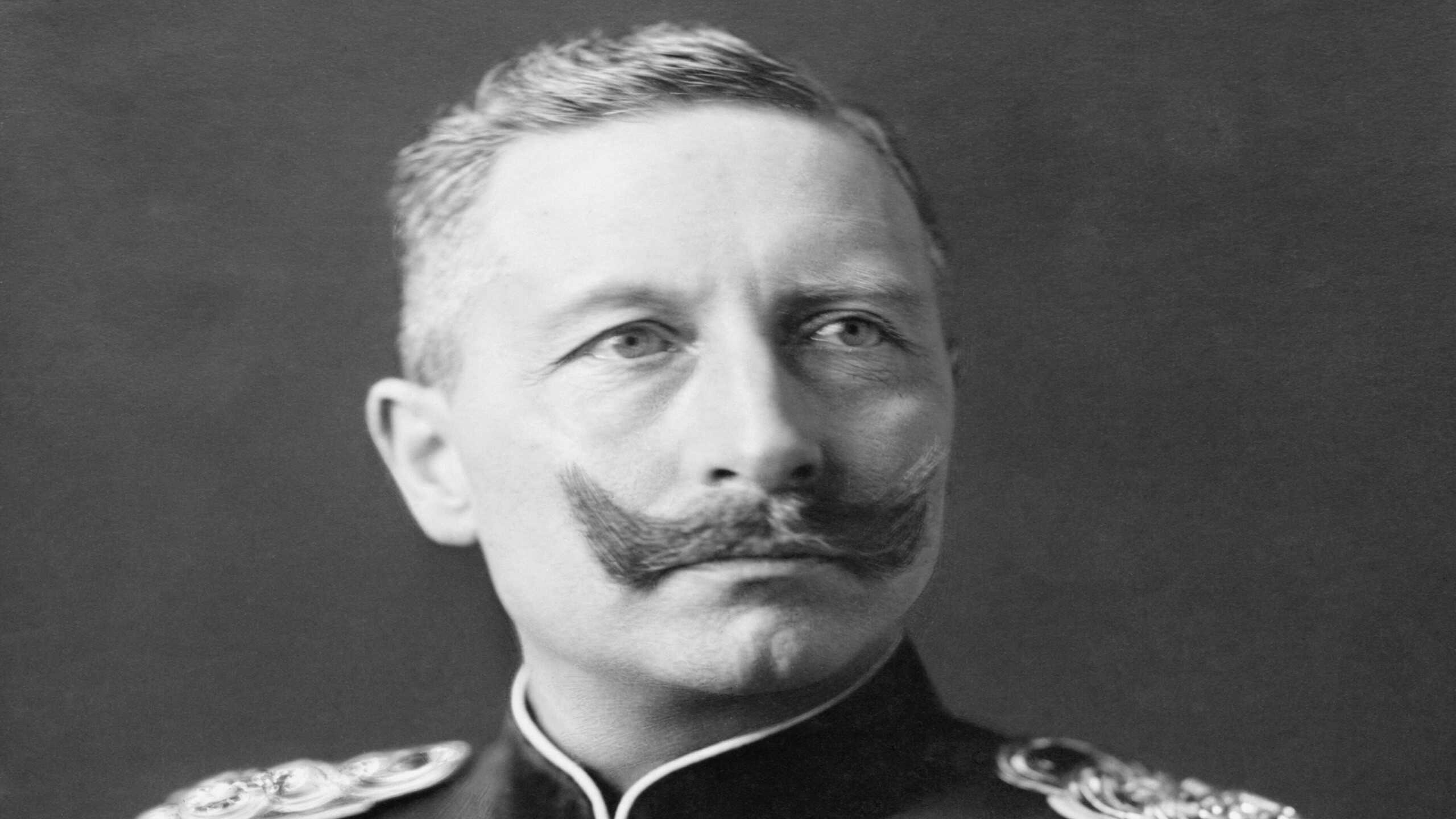
Kaiser began as a title that came from the word Caesar, and became ‘emperor’ in German. Then it became a name. During World War I, English-language newspapers and propaganda used ‘the Kaiser’ so often to talk about Wilhelm II that the title became associated with him.
It was actually a boy’s name in America in the late eighteenth century and during the early twentieth century, before the war. Then, anti-German feeling during the First World War made the Kaiser an enemy figure. The name itself became a sign of German militarism, too.
Sources: Please see here for a complete listing of all sources that were consulted in the preparation of this article.


