

As more people lose jobs and worries about AI replacing humans ramps up, let us take a look at 12 ways artificial intelligence already rules our lives.
Social Media Feeds
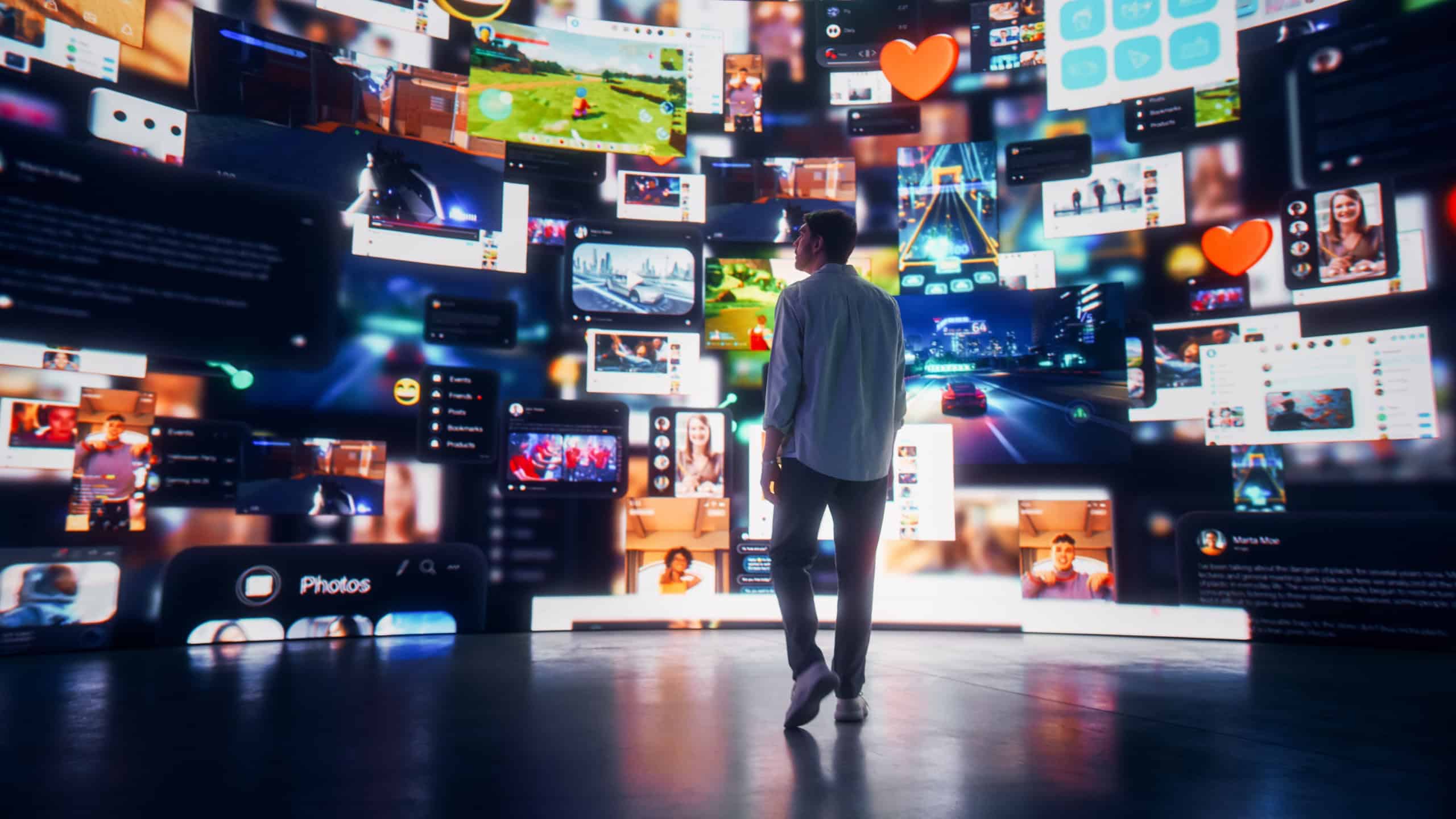
Platforms like Facebook & TikTok use AI algorithms to keep tabs on what we like, share and comment on. This way, they’ll build a detailed profile of our interests so they can decide what to display when we open the app. Essentially, AI is choosing which friends’ updates we see & which we don’t. We might not see what’s going on with people we care about, just because AI doesn’t think it’s important.
Personalized Advertising

All the ads we see online are eerily specific; AI is the reason why and this process is called retargeting. It uses all the data we’ve handed over to it and then gives us ads tailored to our interests because we’re more likely to buy these products.
For example, if you’ve been looking at sneakers on Amazon, don’t be surprised when ads for shoes start popping up on Facebook. They’re there for a reason.
Recommendation Systems

Even streaming services & platforms use AI and they’re able to suggest exactly what we might want to watch or listen to next.
Netflix analyzes our past viewing to recommend new shows & movies we’ll like, while Spotify checks your listening history to create personalized playlists like “Discover Weekly” and “Daily Mix.”
In doing so, AI influences our entertainment choices. It keeps us engaged and on the platform longer.
Email Filtering

Our email inboxes stay organized thanks to AI working behind the scenes and email providers use AI-powered spam filters to analyze billions of emails.
Then, they’ll determine what’s junk & what’s important. This involves looking at things like sender reputation, message content, even past user behavior. As a result, AI controls which emails we see first & which ones get buried.
Virtual Assistants
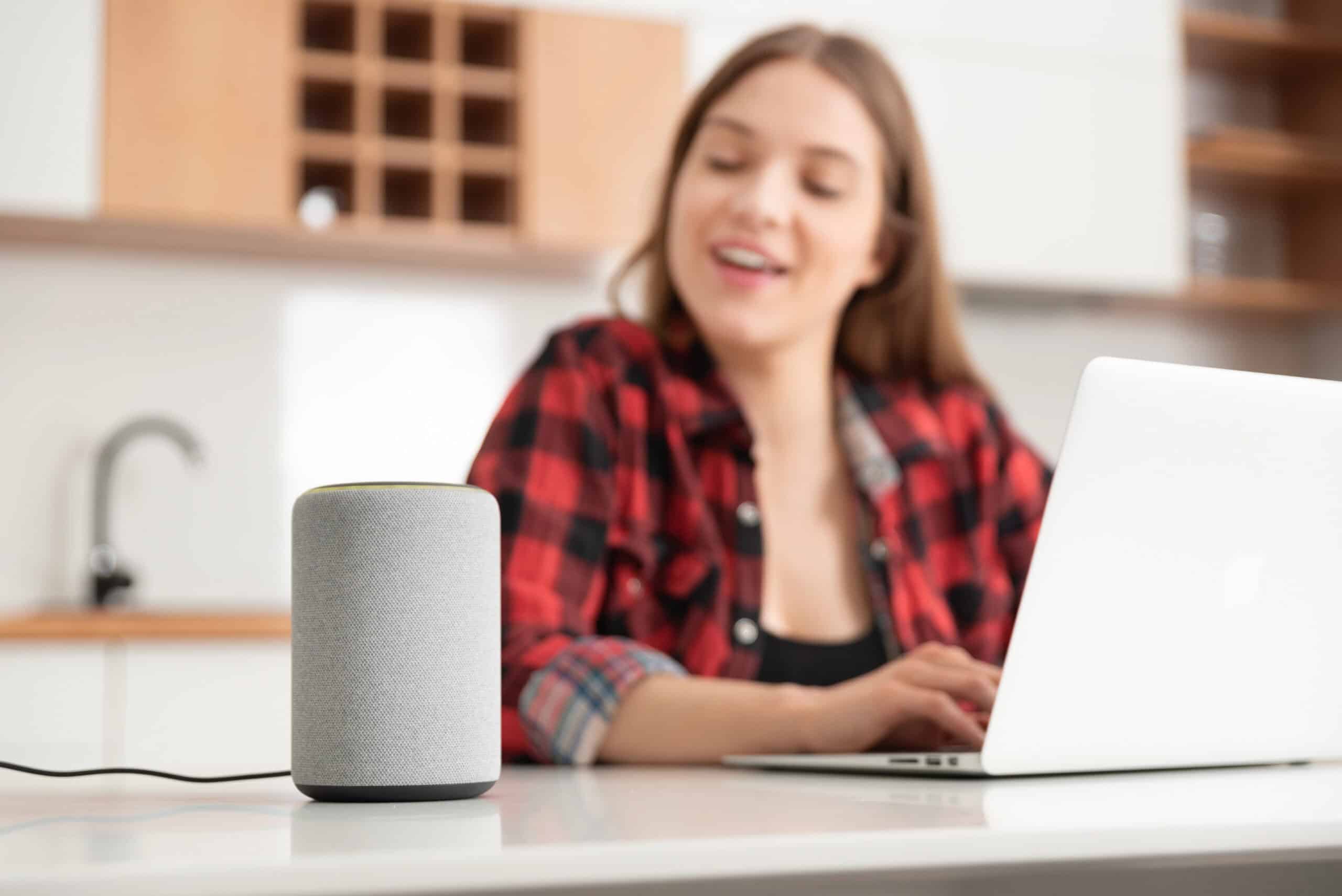
Devices like Siri on the iPhone & Amazon’s Alexa have become part of our everyday routines. All virtual assistants use AI to interpret our voice commands and understand what we’re asking for.
Over time, they might start recommending us things to do or buy. And since they sound like a person, we might start trusting them.
Facial Recognition Technology

Facial recognition technology is powered by AI and it’s practically everywhere. For example, we use it to unlock our phones with features like Apple’s Face ID or to tag friends in photos on Instagram.
Airports are also using it for security screenings. However, AI now has copies of our faces which it can use to track us, often without us realizing.
Smart Home Devices

Our homes are becoming smarter each day because of things like the Nest thermostat that learns when we’re away & adjusts the temperature to save energy.
Some refrigerators even keep track of what’s inside and suggest recipes. And while this does make our lives more convenient, it also means AI is making decisions about our living spaces. It controls our houses.
Credit Scoring

Banks and lenders are turning to AI to decide who gets approved for loans. AI models analyze heaps of data (including our credit history & employment history) to generate credit scores that reflect our creditworthiness.
Of course, this has always happened but it’s AI doing it now, not people. If it denies your application, you might not know exactly why. There’s often no human to explain the details.
Automated Hiring Tools

Looking for a job involves interacting with AI because companies use applicant tracking systems (ATS) to screen resumes & applications. These AI-powered tools scan for specific keywords to filter out applicants who don’t match the job description. Unfortunately, qualified candidates are overlooked because their resumes don’t have the right keywords.
Navigation Apps

When you’re driving, you’re likely relying on apps like Google Maps which uses AI to process real-time data from other users. It’ll analyze what’s happening on the roads & then calculate the quickest or shortest route to our destination.
Essentially, it’s steering your car for you. However, with so many drivers following the same advice, AI unintentionally causes traffic in residential areas or smaller roads.
News Recommendations

AI algorithms also choose the news we read online on almost every platform based on our previous interactions. They’ll use this information to share similar content they think we’ll find interesting.
Unfortunately, it creates an “echo chamber.” We only see news that aligns with our existing beliefs & we lose exposure to other perspectives.
Predictive Text and Autocorrect

Don’t get us wrong, we’re definitely grateful for predictive text & autocorrect. They make the way we communicate a lot faster since they fix spelling mistakes or typos on the fly.
Yet it’s not all good news. Such software also subtly influences the words we choose & how we communicate because they might put a word that you’d never use. This can change the whole meaning of your message.


