Waiting rooms are almost like their own ecosystems. Everyone’s stuck together, half-bored & half-alert, and they’re just waiting for their name to get called. And there are some rules on how things should run. Here are twelve unspoken rules of waiting rooms. What’s the one rule you notice people following without talking about it?
Featured Image Credit: Shutterstock.
Share armrests without spreading out
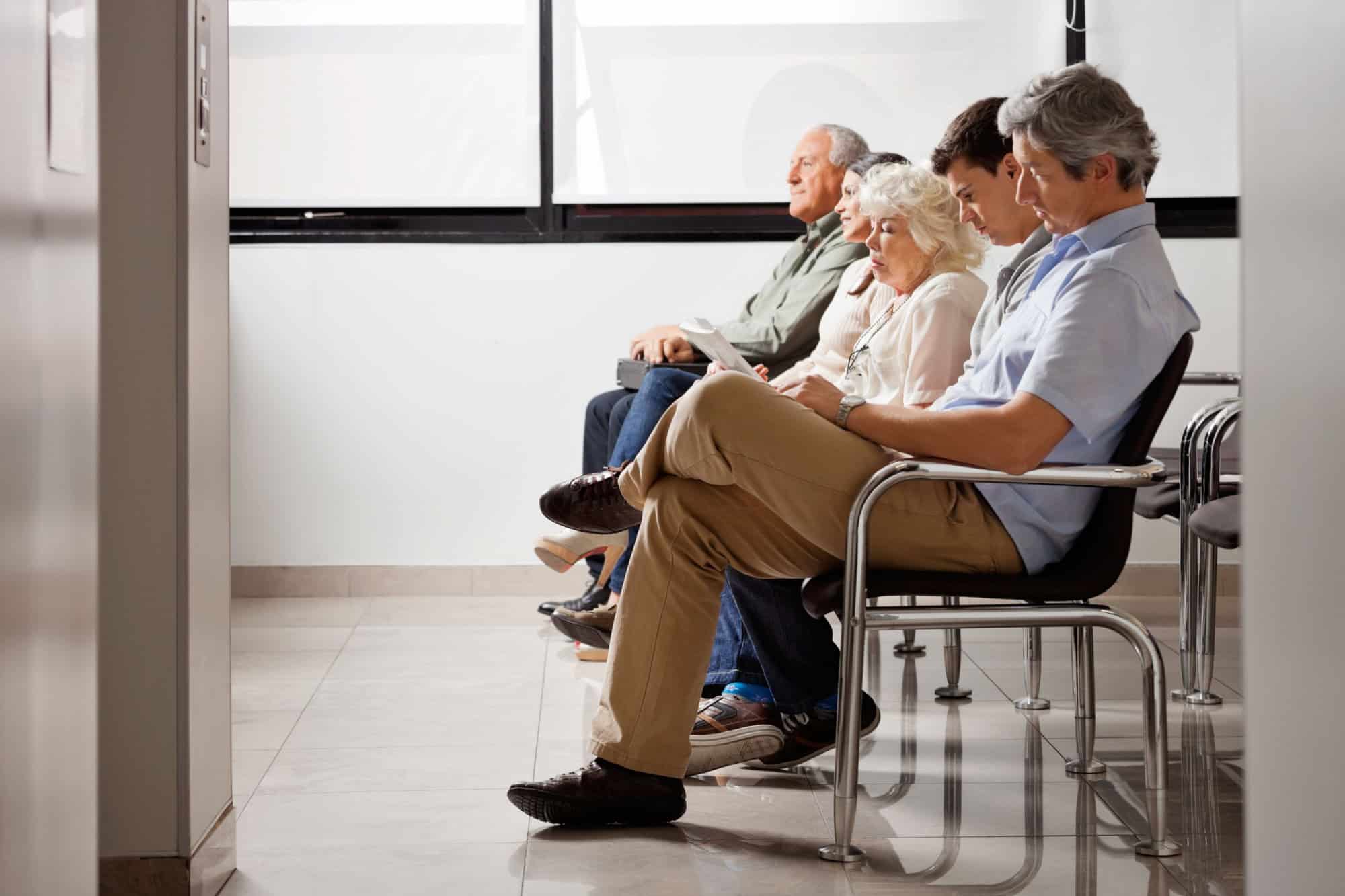
Those chairs in rows aren’t recliners. People keep their elbows close when they’re sitting on them, and anyone sitting on the aisle takes the outside armrest. Coats? They usually stay on laps or behind backs, not draped over the next chair. It’s a simple idea that one seat equals one person & one small footprint. Nothing more.
Choose seats that keep the aisle and doorway open
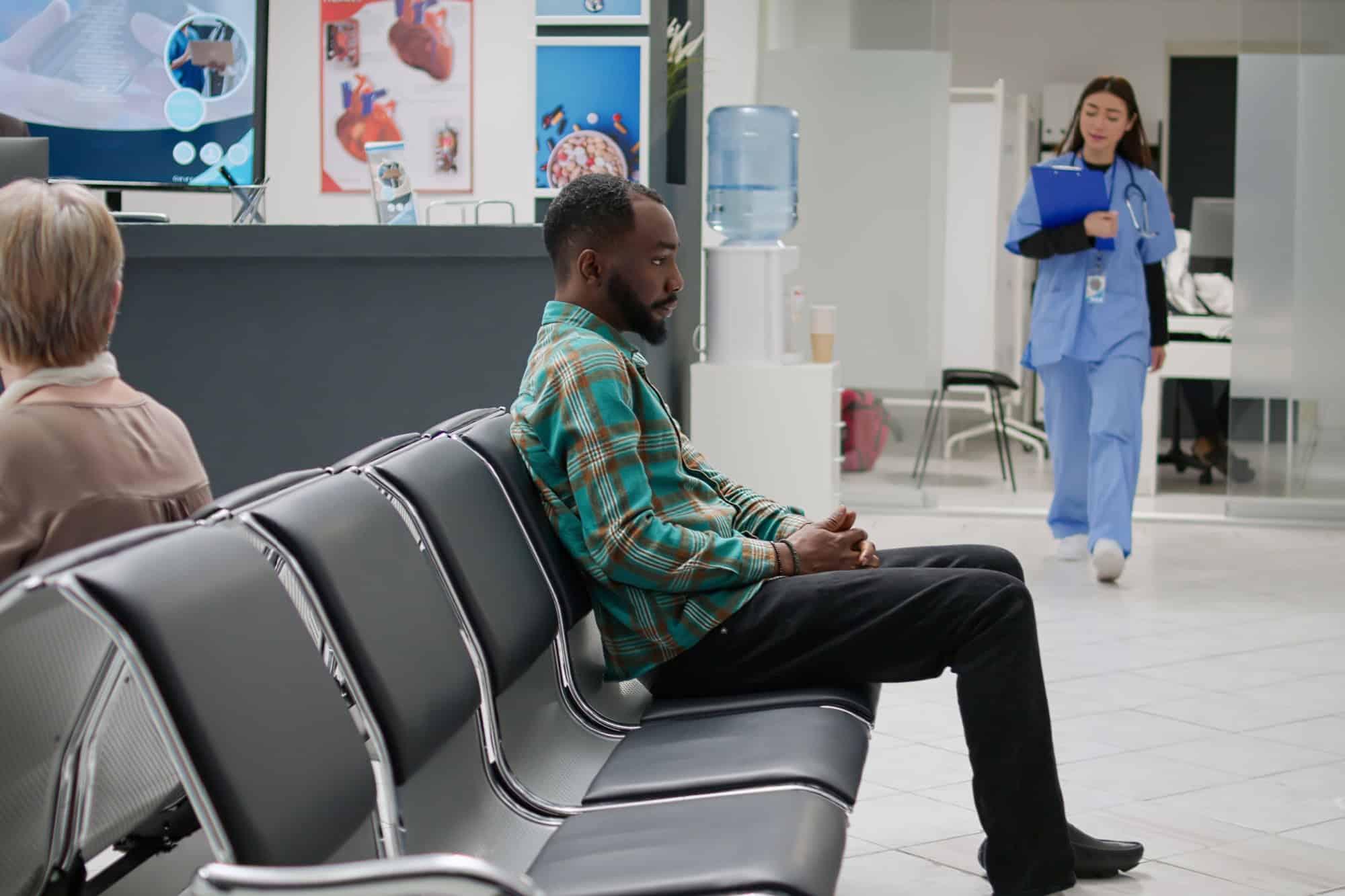
Waiting rooms always have a front row of chairs right by the door where nurses pop out. Most people leave those spots open unless they need the extra space for a walker or cane. As such, anyone walking fine will naturally head toward the middle or back rows. That also means your bags should be tucked in & your feet pulled back.
New arrivals leave a gap seat if possible
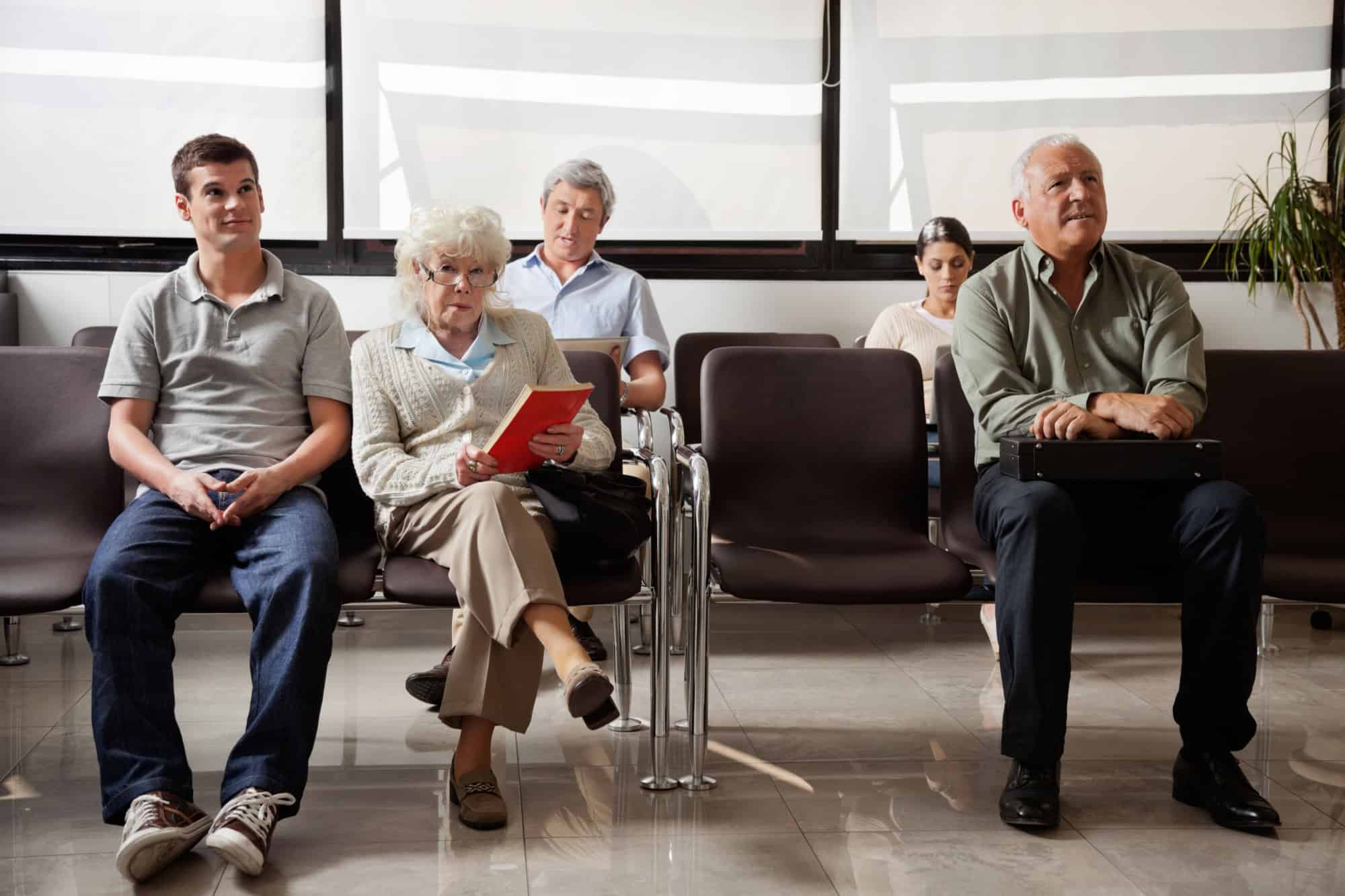
People rarely sit down right next to someone when the room isn’t full. They’ll simply leave a seat between, although not necessarily because they’re trying not to be unfriendly. It’s just what people do. Essentially, that empty chair works as a buffer until things get crowded, and then, sure, someone eventually takes it, but until then, the bubble stays in place.
Don’t grab a magazine if you’re about to be called

As soon as somebody finally gets their hands on a magazine, their name gets called two seconds later. It’s how things work. Then, they have to do that awkward shuffle of setting it back & grabbing their coat while trying not to slow the line. That’s exactly why people avoid picking one up if they know they’re next. It’s better to just sit ready.
Step outside for long calls

Nobody cares when you whisper to someone on the phone that you’ll call them back. But staying on the line for five, ten minutes? That’s not happening. Waiting rooms are quiet, and even a soft voice will carry across the room, which is exactly why this unspoken rule exists. Otherwise, everyone else has to suffer through the call, too, and that’s not fair.
Don’t hover near the nurse’s door
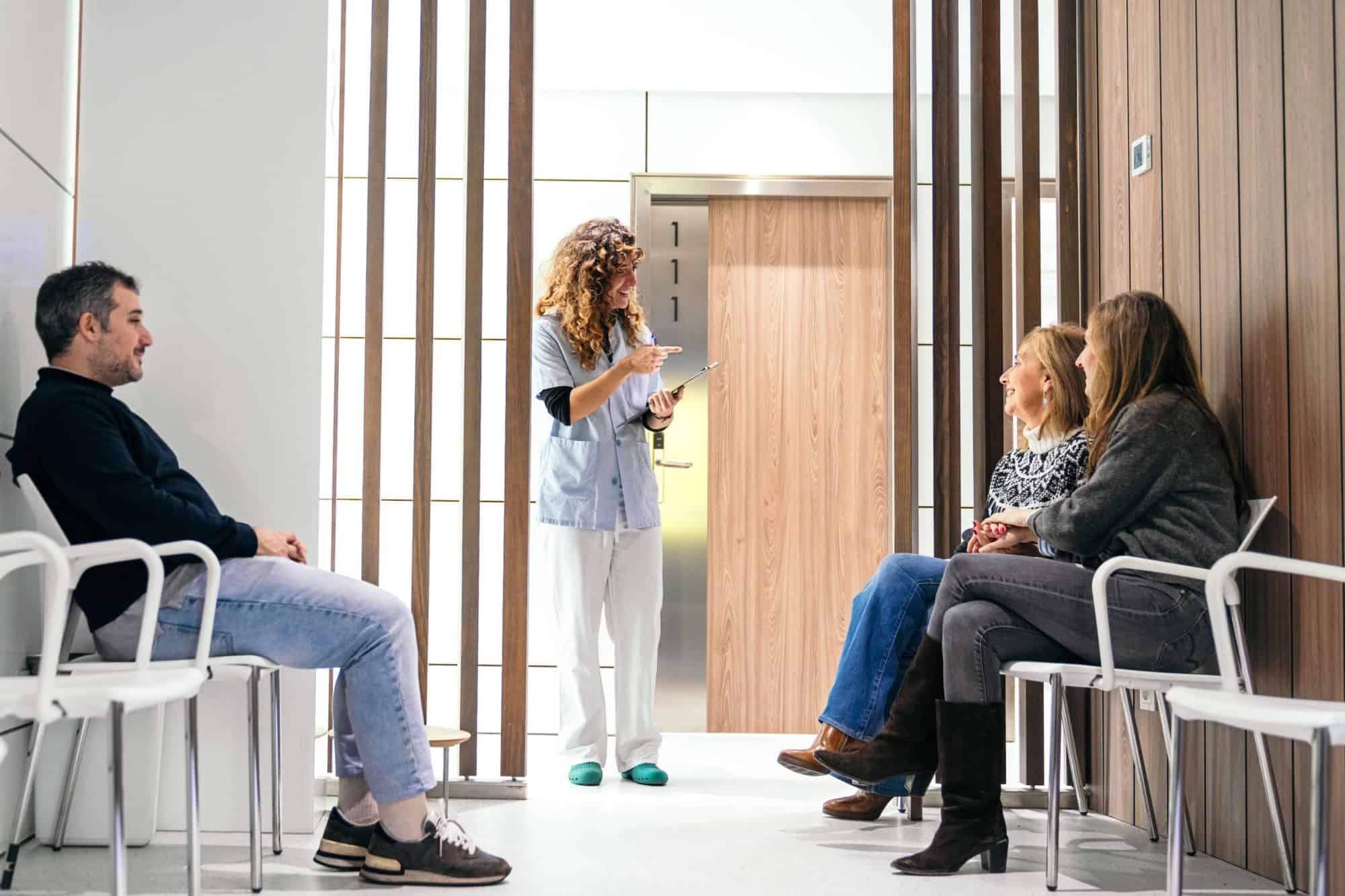
There’s always one person who thinks standing right by the door will get them called faster. It doesn’t. In fact, doing so just clogs up the space because nurses prefer to see the whole room when they call names, rather than having someone already leaning halfway into the hallway. Do what everyone else does and stay put until it’s your turn because it’s far more polite this way.
Don’t rearrange the chairs
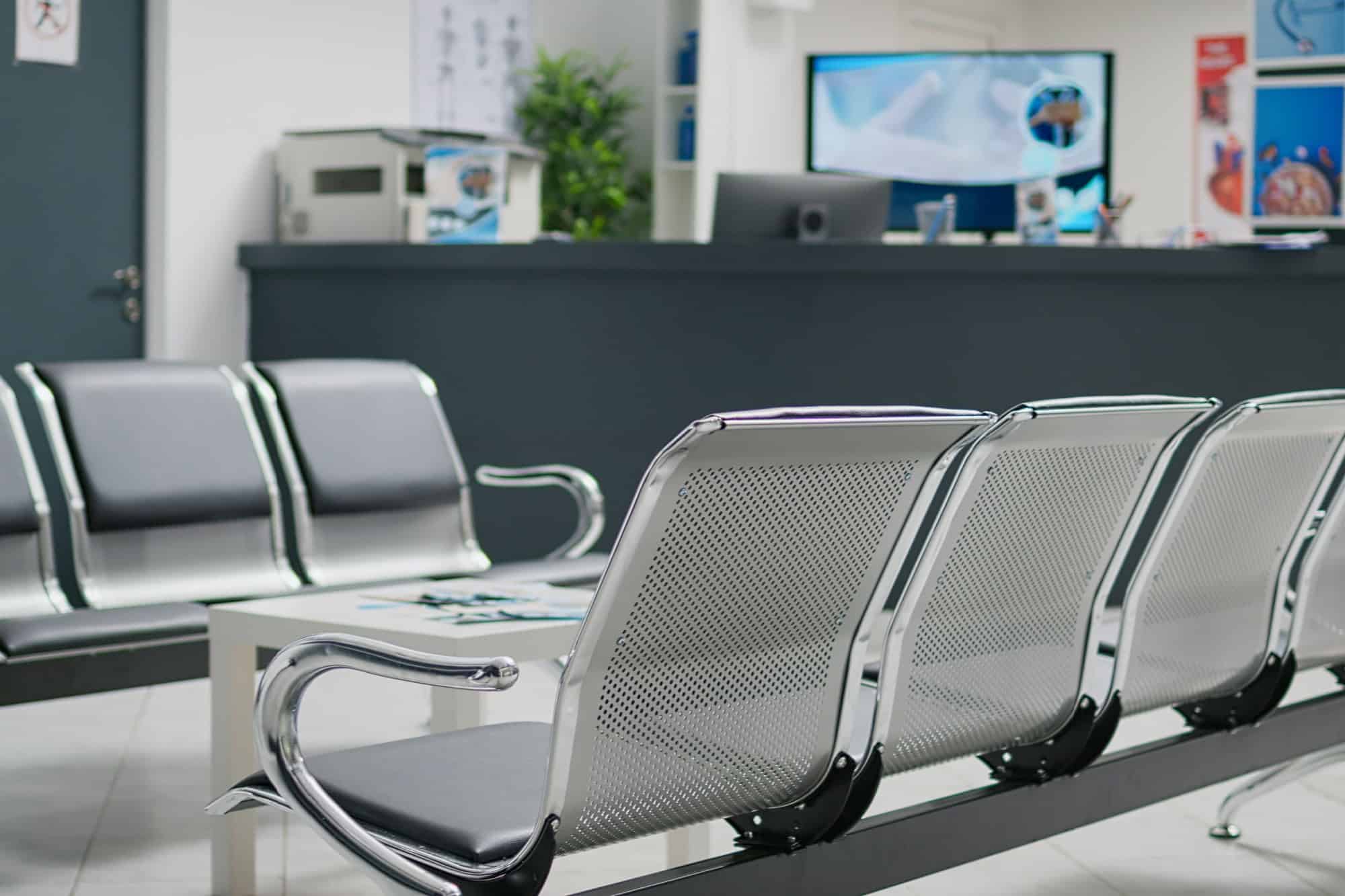
The chairs are set up in rows for a reason in a waiting room. Sure, it doesn’t look special, but shoving one to the side or turning it around so you’re able to talk with your family will ruin the layout of the entire waiting room. This is why people don’t touch them. Anytime that you need more seating, you leave the staff to handle it & leave the setup exactly how it is.
Keep food smells out of the room

Coffee cups with lids or bottled water are one thing. But a burrito or fries? That’s a hard no, as hot food smells linger & make the waiting room rather unbearable for everyone else in there. The rule is not to bring any takeout with you. For those that do, they’ll usually stash the bag under their chair, still closed, because nobody needs lunch in there.
Don’t spread across multiple seats

Of course waiting rooms get crowded. As such, throwing your coat on one chair & your forms on another doesn’t go down well, because the rule is to keep your belongings in your lap or neatly on the floor next to you. It’s okay to stretch a bit when the place is empty. But once other people come in, etiquette dictates that you clear off the extras without being asked to do so.
Wait until called before walking to the desk again

After check-in, you’re on pause until your name comes up. Marching back to the desk every few minutes to check whether you’ve been called yet doesn’t make the line go faster, and while staff are used to it, it slows them down. The majority of people know that they should wait. Yes, when it’s been a really long stretch, then it’s okay to politely ask.
Follow the unspoken order of arrival

Most waiting rooms don’t have an official ticket system in place. But that doesn’t stop people from keeping track of who came first, and you’ll get noticed if you cut the line to check in before someone else who’s clearly been waiting. This kind of flow runs on trust. Whoever walked in earlier usually gets called earlier, and everyone else just sticks to the silent order.
Return the clipboard the same way you got it

Those clipboards with forms are a necessary part of being in a waiting room. You get one & fill it out, then hand it back neatly clipped with the pen attached. Leaving loose papers on a chair or carrying the pen with you? That’s how you make things messy. You’re supposed to return everything exactly as it was handed to you.
Like our content? Be sure to follow us.