
We buy a lot of little things these days that are actually just a waste of money, and it’s something a lot of older families knew not to bother with.
The fridge that got crowded
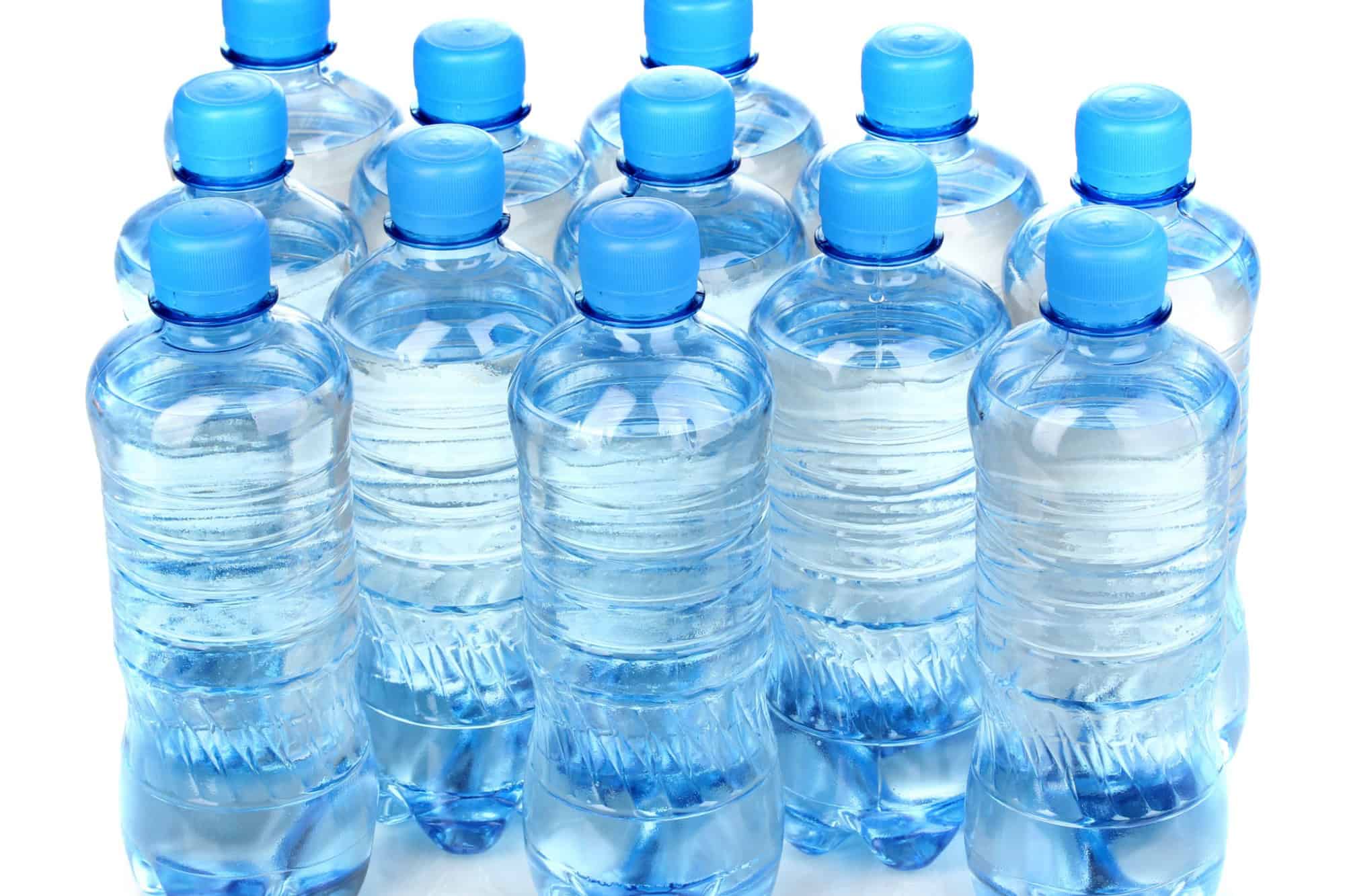
You’ve probably got a plastic-wrapped case of water sitting by the fridge. It feels so normal to buy by the caseload. However, a lot of older families never bothered with it because they knew they could get it straight from the tap whenever they wanted, no purchase necessary.
They might’ve also just kept a pitcher in the fridge. But these days, we waste so much of our hard-earned cash on individual bottles that are also destroying the environment. Are they really worth the cash?
The stop before work

Coffee. It’s the drink quite a lot of us swear by in the mornings, and our grandparents were the same. But the difference is that they didn’t go to Starbucks to pick up a cinnamon-spiced Grande iced vanilla latte every day. They just made it themselves.
That’s not to say nobody makes coffee today, but so many of us spend a lot of cash on buying drinks from our local coffee store instead. A percolator or drip pot at home would be much cheaper.
The chopped-up shortcut
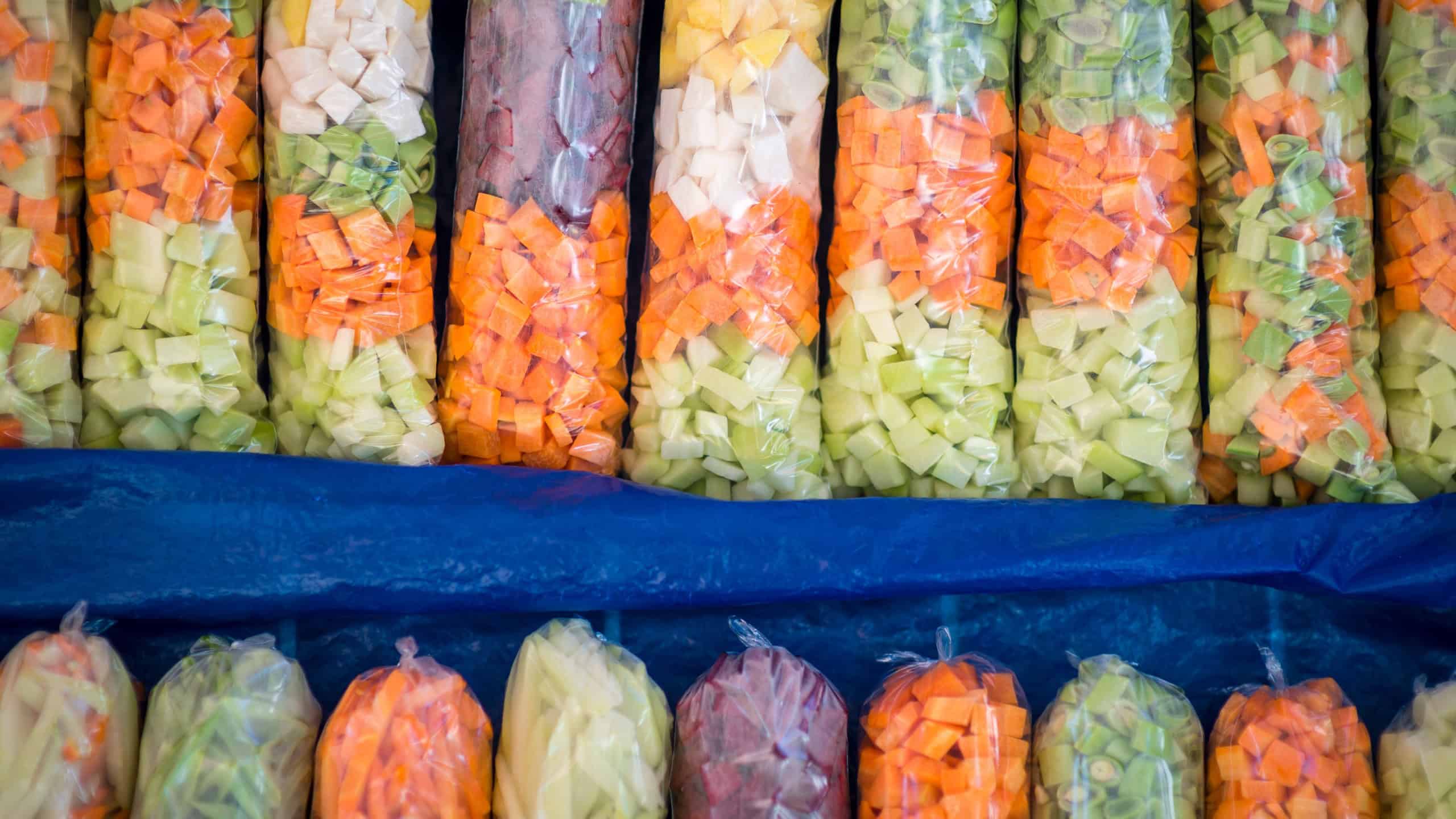
You’ll notice something in every produce section, and that’s little tubs of pre-cut stuff. Tubs of melon, boxes of diced onions, it’s all sold to us as a convenient way of cooking and eating. But the cost just isn’t worth it. Our grandparents understood that.
They’d buy fruit and vegetables whole because they knew they’d get much more bang for their buck when they cut them all themselves. It might take a little longer, sure, but you almost always got a lot more food, and somehow, that felt worth it.
The cabinet with no room
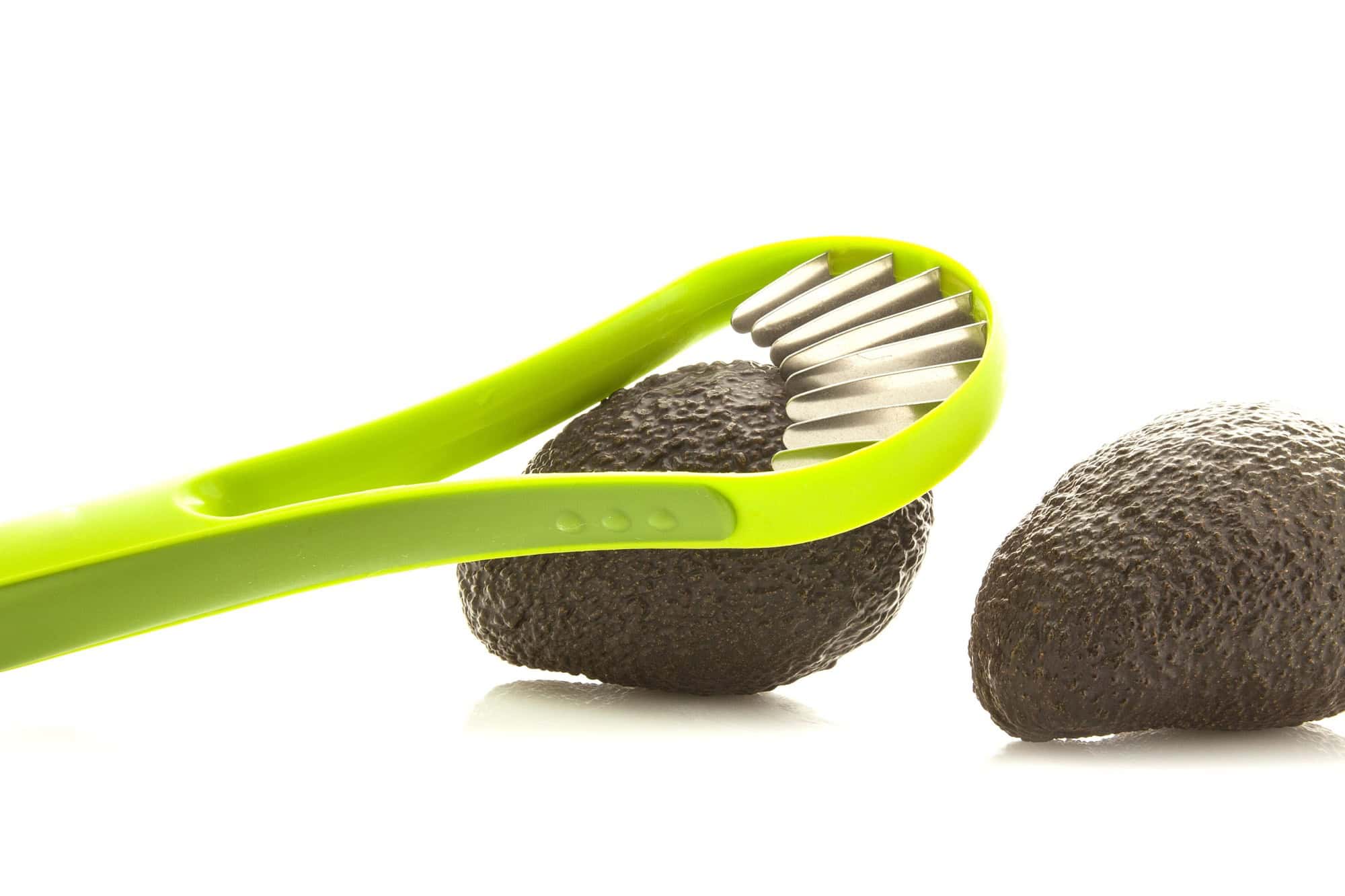
Even the way that we cut our food is different. We’ve got banana slicers and avocado cutters, electric egg cookers and strawberry hullers. If it needs to be cut, there’s a tool out there for it. Some of them do work fine, but the majority of them are purely wasteful.
You can use a knife for cutting basically anything, and older people understood that. They had some tools in their kitchen. However, their tools had to earn their space because they weren’t going to waste money on buying every single one.
The ride that barely started

It’s convenient being able to get a taxi to take you only a few blocks. Doesn’t mean it’s a good idea, though. Taxis existed in the past, of course, but the difference was that older people only used them when they actually needed to. Being lazy wasn’t an excuse.
They’d save any errands for a bigger trip, or maybe simply run them on foot. The idea of spending fifteen bucks on a trip you could walk in thirty minutes? That was utter foolishness.
The tray in the freezer

TV dinners existed in the past and, in fact, our grandparents were some of the first generations to try them. But that didn’t mean they’d eat them for every meal. No, they’d only have a frozen tray when there was literally no other food left, or when they had no time to cook.
They certainly weren’t buying them every week. They cooked meals themselves instead because they understood that having a freezer packed with single-person trays was kind of silly, really.
The bag before the party

It makes sense. Buying bagged ice works when you’ve got the space for it and you need a lot of ice for a party. However, our grandparents wouldn’t regularly buy it because they knew they could simply use an ice tray.
We do still have ice trays these days, it’s just that we keep buying packaged ice instead of using them. The average American buys around four bags of the stuff annually. That’s a lot of wasted cash for something that you could quite literally get yourself at home for free.
The smell in the outlet
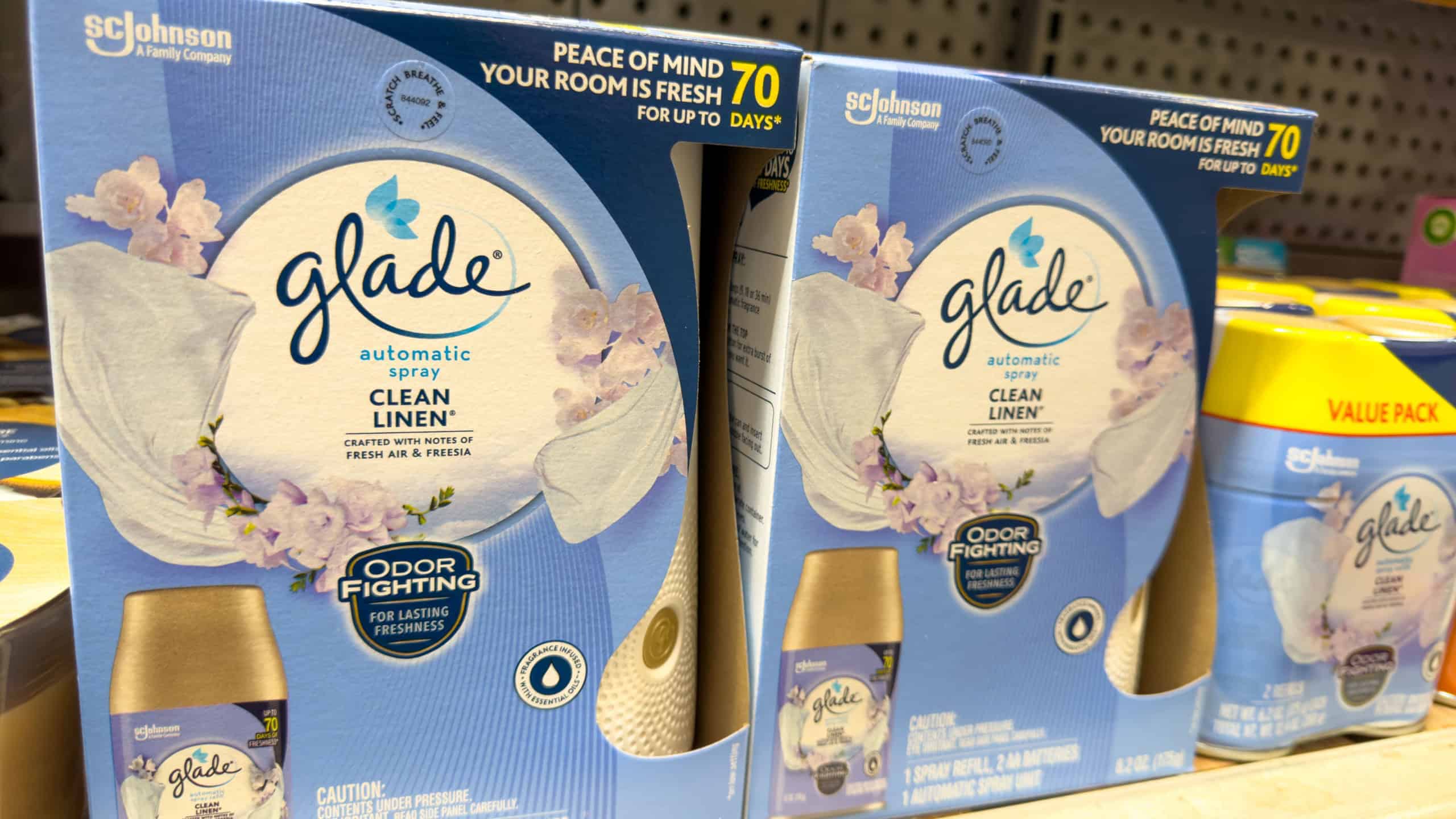
Everybody likes having a nice-smelling home, nobody’s denying that. But you have to admit that we’re a little excessive these days. A spray for the bathroom, as well as a plug-in for the hallway, and don’t forget the wax on the warmer, too.
Older generations didn’t bother spending so much on products to make their homes smell good. They did other things instead. You know, like putting out flowers and making their own fragrances at home. You get the satisfaction of having made something yourself that way.
The new keys again

It’s perfectly normal to buy a new car every few years. At least, it is in some circles. Leases and trade-ins make swapping out your car so easy, although older families didn’t see it that way. They bought cars for the long haul.
They’d get any issues fixed, and they focused on buying vehicles that’d serve them for decades, not a few years. They understood that upgrading your ride too often was just money down the drain.
The shirt for one season

Let’s get one thing straight. Cheap clothes have existed forever, and even as early as the late nineteenth century, people could buy mass-produced clothing. But what has changed is the scale at which we buy these clothes.
We buy a shirt to wear twice and then throw it away because it’s ripped or because it’s from last season. Older people didn’t do that. No, they bought clothes to last and spent a little more on them, since they knew buying a lot of cheap clothes was wasteful.
The faster box

You used to have a reason to pay for faster shipping, and it wasn’t simply because you wanted the item faster. People would pay extra when they needed a document or medicine to arrive quickly. These days, though, people spend money on faster shipping like it’s completely normal.
We spend more to get our Amazon parcels the next day. We spend more to qualify for faster delivery options. It’s silly, really, and our grandparents recognized that. Why pay for overnight shipping for something that doesn’t need it?
The better one somehow
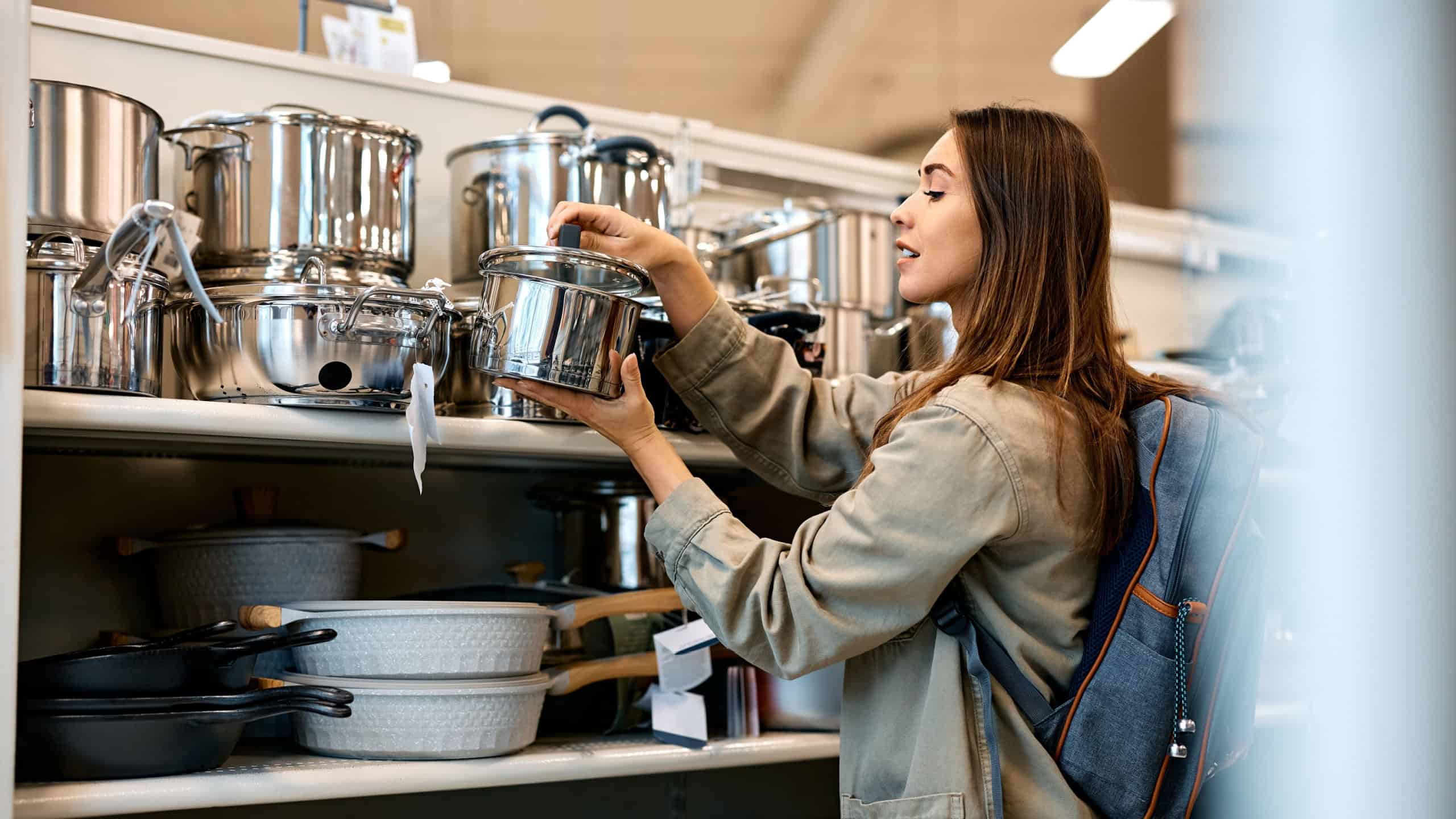
We replace almost everything these days, even when it still works, because we think there’s a better one out there. The mug’s fine, sure, but there’s one with a softer handle. The pan cooks eggs, fine, but there’s one that’s flatter and apparently cooks better, too.
Everything gets an upgrade. It’s not like our grandparents were against having better stuff, it’s just that they only bought the upgrade when there was an actual problem with it. The key phrase there being ‘actual problem.’
Sources: Please see here for a complete listing of all sources that were consulted in the preparation of this article.
