

No two generations parent children in quite the same way. Grandparents silently note this as they observe their sons and daughters raising little ones. The most striking thing to them isn’t that things are “better” or “worse.” It’s that they’ve changed.
They’ve raised families themselves and much of what they see doesn’t feel wrong, it just feels new. At times they’re impressed, at times unsure, but they always notice.
I’ve spoken with both older grandparents and ones raising grandkids today, and many of them shared similar feelings. Let’s look at 12 real things they often pick up on in the way their children parent.
Featured Image Credit: Shutterstock.
The constant scheduling of kids’ lives

Grandparents can’t help but notice that children’s calendars are filled with sports, lessons, clubs and tutors. They remember endless hours spent playing in the neighborhood or roaming the woods. Now children are driven from activity to activity and grandparents wonder if they have enough unstructured time to use their imaginations and explore.
The reliance on baby gadgets

Grandparents often pause when they see how many machines and appliances are dedicated to a new baby. Instead of hearing an adult rocking the baby to sleep, a quiet swing whirs in the corner. Bottles don’t simply rest in a bath of warm water, they are heated in electric bottles warmers. It’s efficient, but also seems a bit too cold for them.
Strict screen time rules

Some grandparents shake their heads, half amused and half perplexed at all the boundaries for devices. They remember childhoods when screens were background noise, not something to fight over. Now they see children diligently obeying timers or being denied access altogether. They can’t help but wonder if this rigid control will make life easier or just cause friction down the road.
Food rituals at mealtimes

Something as simple as eating can stand out to grandparents. Many of them note that their kids put so much emphasis on “organic,” “sugar-free,” or “allergen-free” food. Grandparents get it, but they also remember that their kids grew up on whatever was available with little to no choice. They won’t say it, but they question to themselves if kids will grow up being picky or flexible with food.
Negotiating with kids

Grandparents are surprised by how much parents negotiate with children, rather than giving clear directions. “Why?” is heard frequently in response to every “no.” Parents provide options rather than direct orders. And they negotiate about household chores and bedtime. Discipline seemed simpler in the olden days and grandparents silently question whether they’re allowing children to have too much power by reasoning with them.
Over-documenting childhood

Grandparents are amazed at how much of childhood is photographed and videoed on cell phones and tablets. Every milestone, every field trip, and even daily meals. In the past, there might have been one family camera and a few photo albums. Grandparents grew up with one family camera and maybe an album or two. They quietly ponder how it feels for kids to grow up with so much recorded, and often posted, about their lives.
Parents avoiding neighborhood trust

Kids used to be able to roam around outside with the loose supervision of the neighbors and older siblings. However, now their parents refuse to let their kids out of their sight, even in the safest of neighborhoods. Grandparents notice this right away and see how this dynamic is affected by the media and an overall feeling of insecurity. They then reflect on how different childhood freedom used to be.
Talking openly about emotions
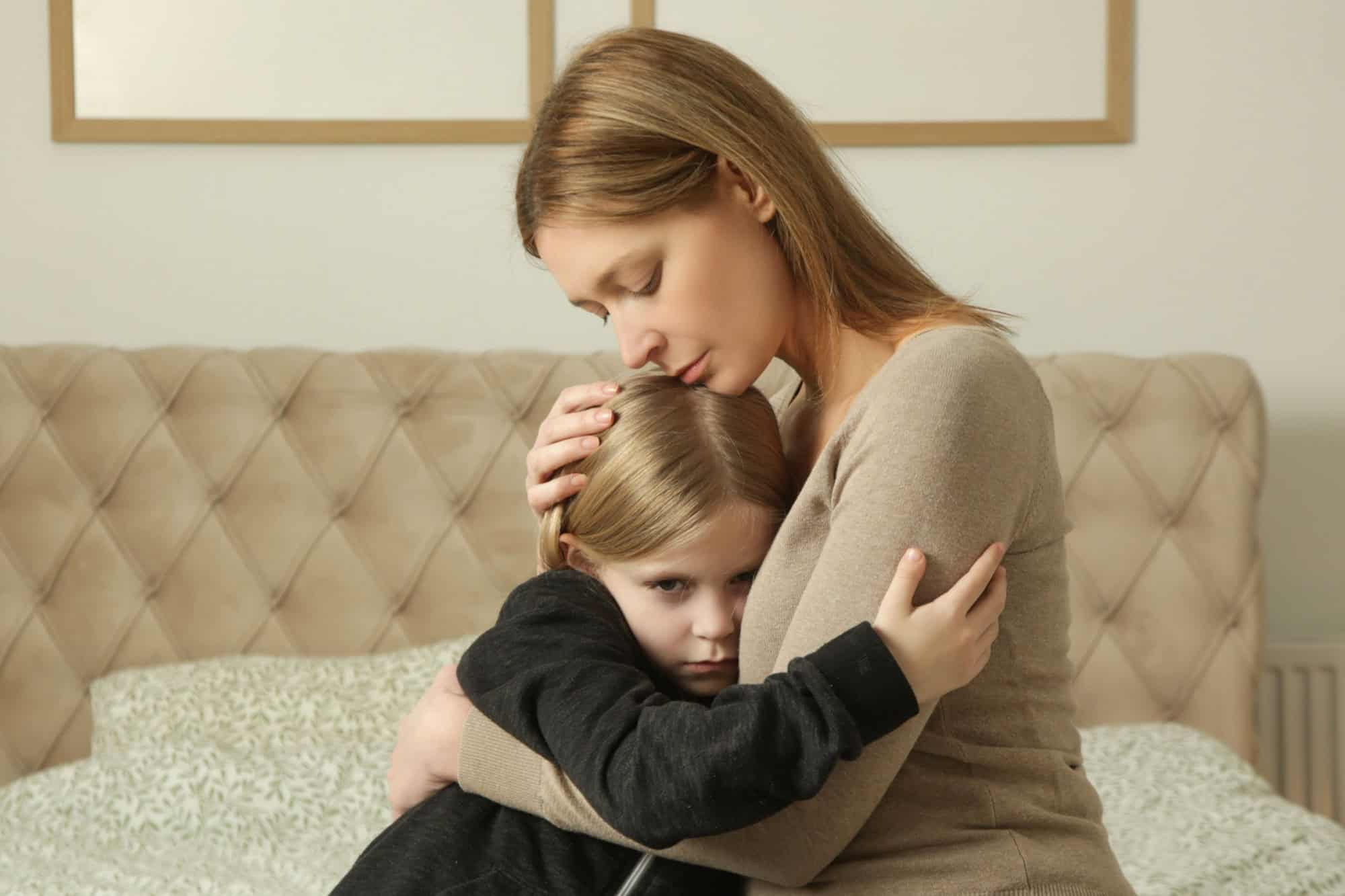
Modern parents often say things like, “How did that make you feel?” which the grandparents rarely, if ever, heard growing up. Grandparents might admire this emotional openness or quietly consider whether it will cause the kids to be too sensitive when they encounter difficulty.
Using parenting books and online advice

Parents today use baby and parenting books, blogs, websites and forums to guide their parenting choices. When grandparents were raising their families, they may have relied on aunts and uncles or their own instincts for advice and feedback on how to parent their children. Grandparents take note of the fact that their children are reaching for others’ knowledge more than relying on their own experiences.
How rarely kids do chores
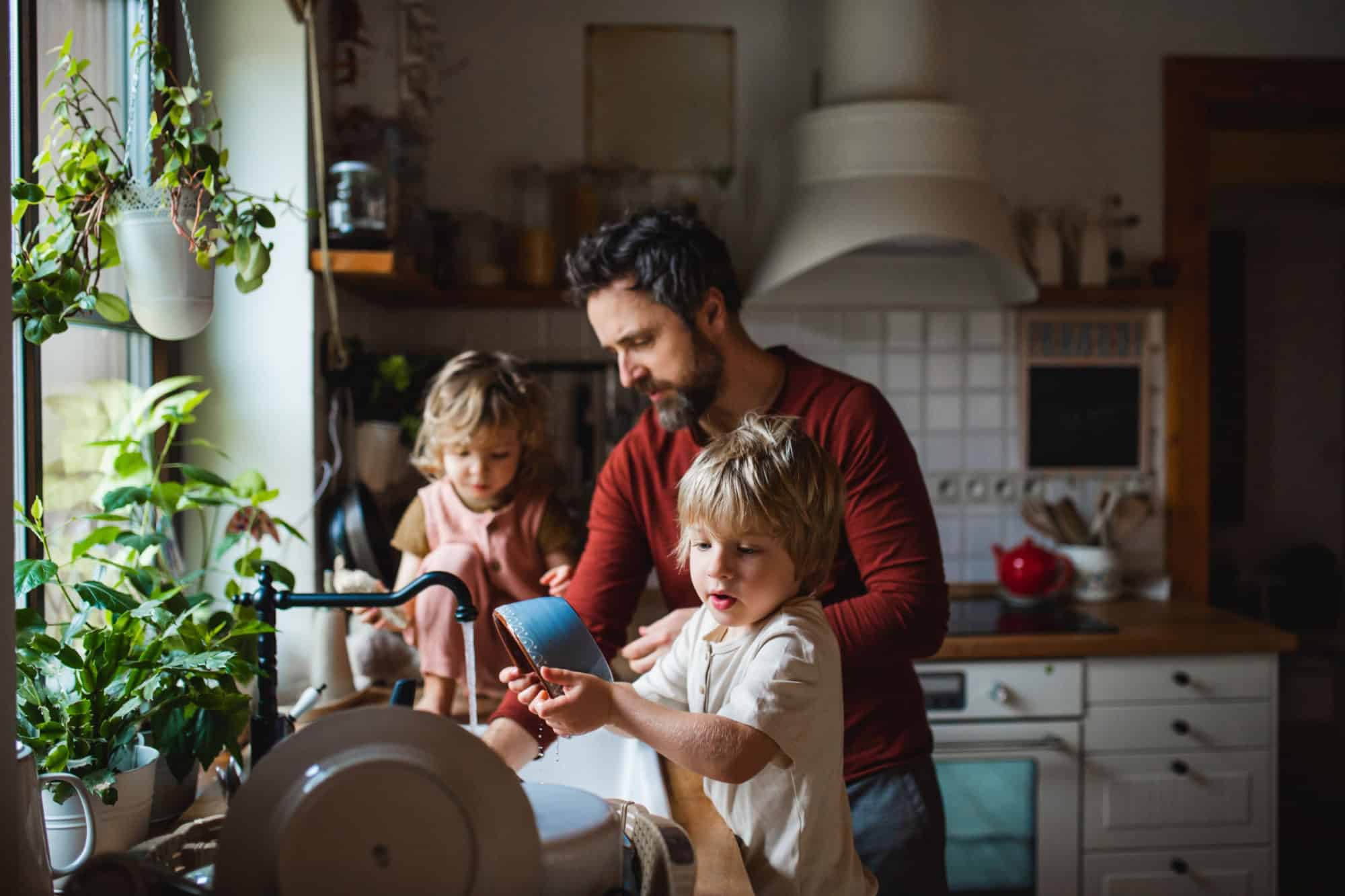
Kids were expected to help out around the house in years gone by. Doing dishes, sweeping floors, or feeding livestock were all part of everyday life. Grandparents see that those little duties have somehow vanished from most homes today. They don’t usually say this, but they suspect that avoiding chores robs kids of a chance at responsibility.
Like our content? Be sure to follow us.

