Old times have changed. Technology and modern life have replaced many of the skills our parents and grandparents had during the good old days. These small everyday skills aren’t passed down much anymore. And most young people today wouldn’t even know they ever existed. Here are 12 everyday skills that are quietly disappearing.
Featured Image Credit: Shutterstock.
Using a slide rule for calculations
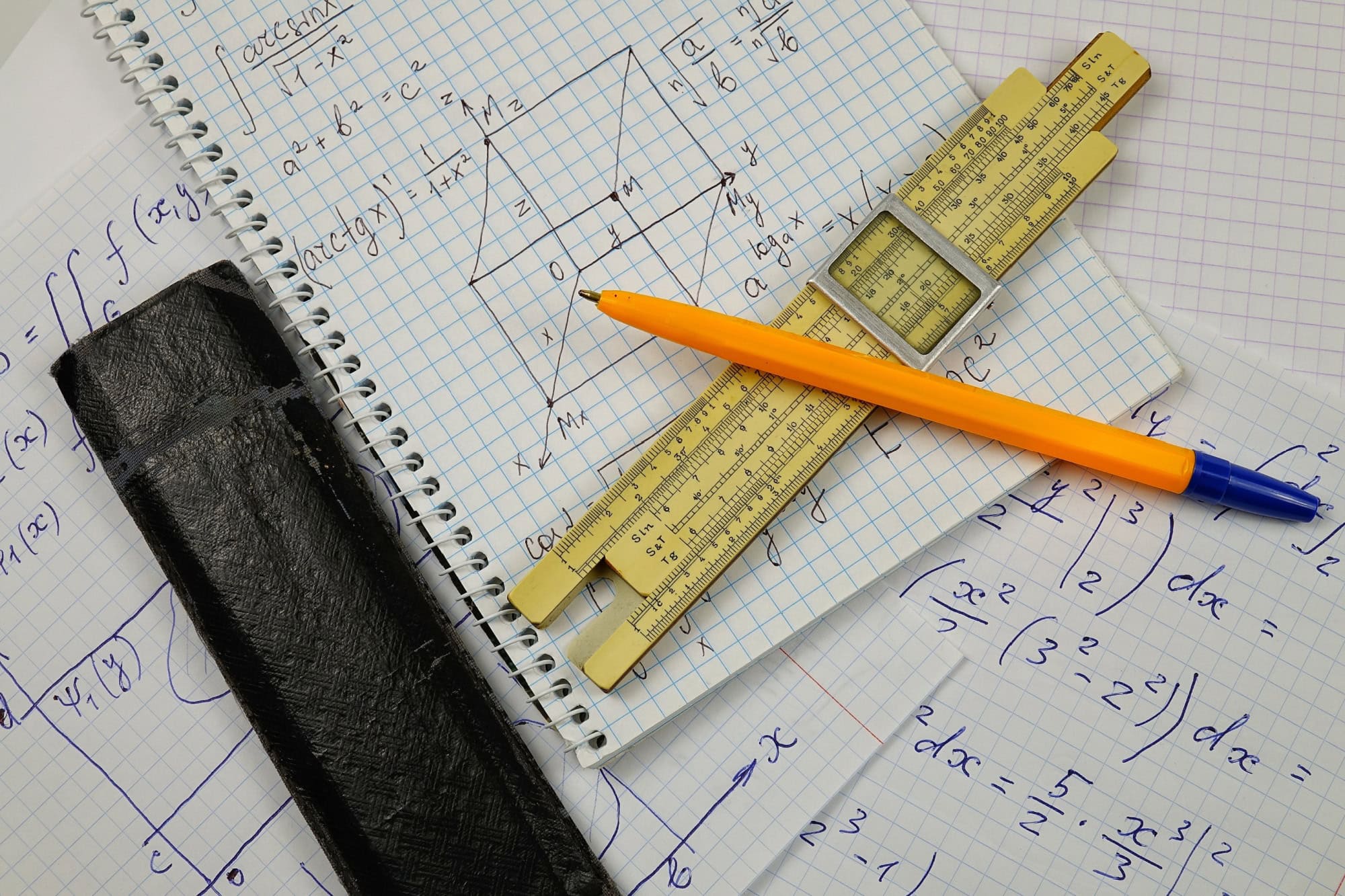
Slide rules were the calculator before calculators were in everyone’s pocket. It wasn’t punching buttons on a screen; these rules were tactile. They’re long gone from schools, and most people wouldn’t know how to hold one, much less use it.
Tuning a TV with rabbit ears

You twisted the antennas, maybe taped them in foil and crossed your fingers. Sometimes you had to stand in a certain place to get a good signal, and not move. Nowadays, you press a button and stream in HD.
Tapping a barometer to see if a storm’s coming
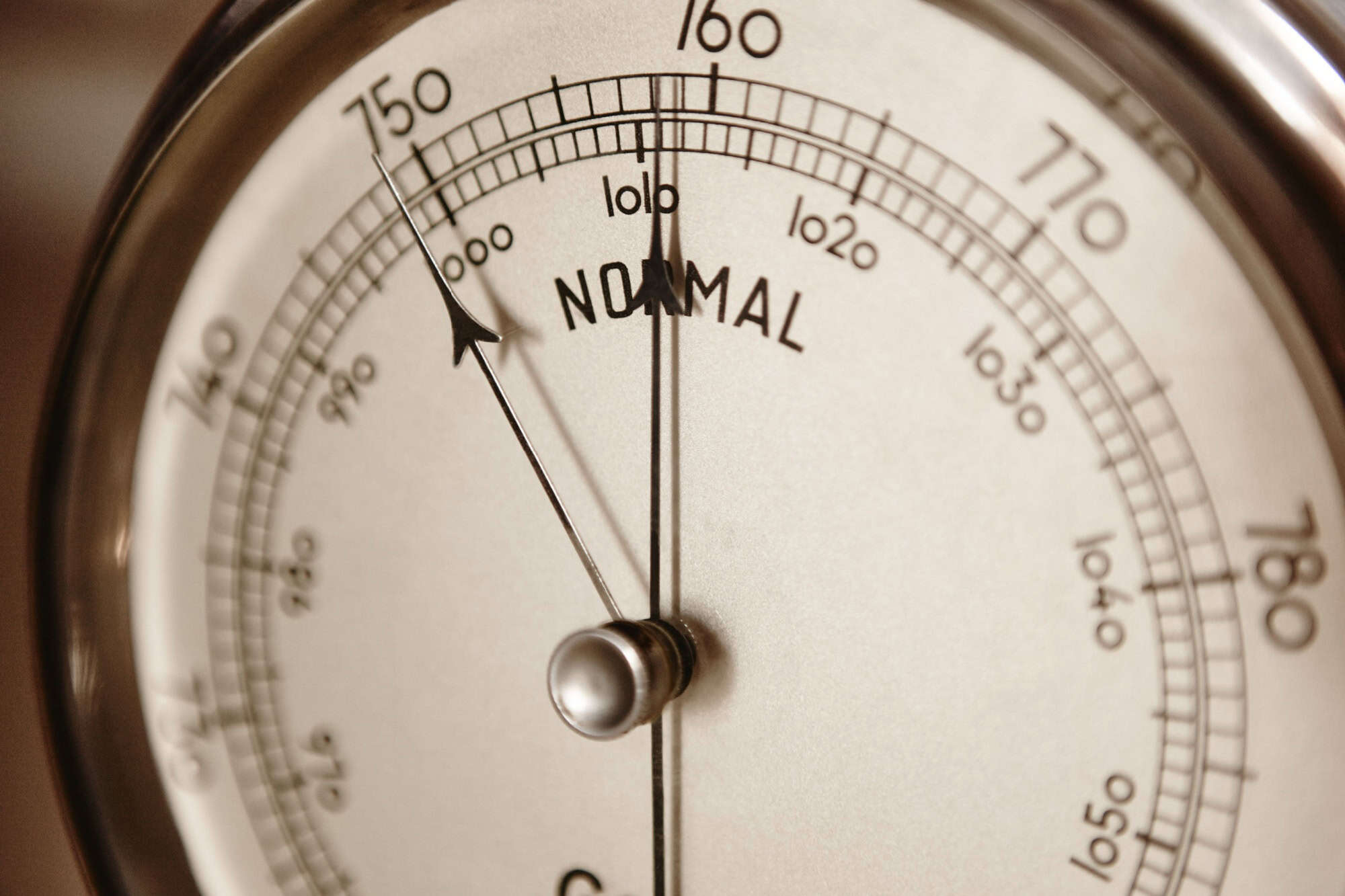
People used to hang barometers on the wall and actually pay attention to them. You’d tap the glass and watch the needle. “Storm’s a-comin’, better run inside,” you’d say. You’d just tap, watch and assess. These days, we open an app and scroll hoping to find a good weather forecast.
Using a scythe to cut grass or crops

Long before weed trimmers and expensive push mowers, people used scythes to do the job. Quiet, slow, and satisfying in an odd way when you knew what you were doing. The swing, the sharpening, even the way you stood, it all counted.
Threading a sewing machine by hand

There’s a process to winding a sewing machine up for work. Thread the needle, load the bobbin, all the while making sure the tension is just right. Sounds small, but believe me, it takes a lot of patience and practice to learn and maintain. Now, most people just throw out torn clothing or go buy new. Fewer houses even have a sewing machine these days.
Fixing a radio or cassette player manually

If things stopped working back then, you opened them up and took a look. If something was clogged or had come loose, you poked around, cleaned, and tapped a couple of times. It was just how it was. But if a device breaks now, people usually buy a new one.
Handmaking a bar of soap

It required animal fat, lye, and lots of stirring. (Smelled bad, but it cleaned.) It’s one of those things you just buy today, pre-made in a bar or gel or liquid. Most people would have no idea how to make soap the old-fashioned way.
Starting a fire with flint and steel
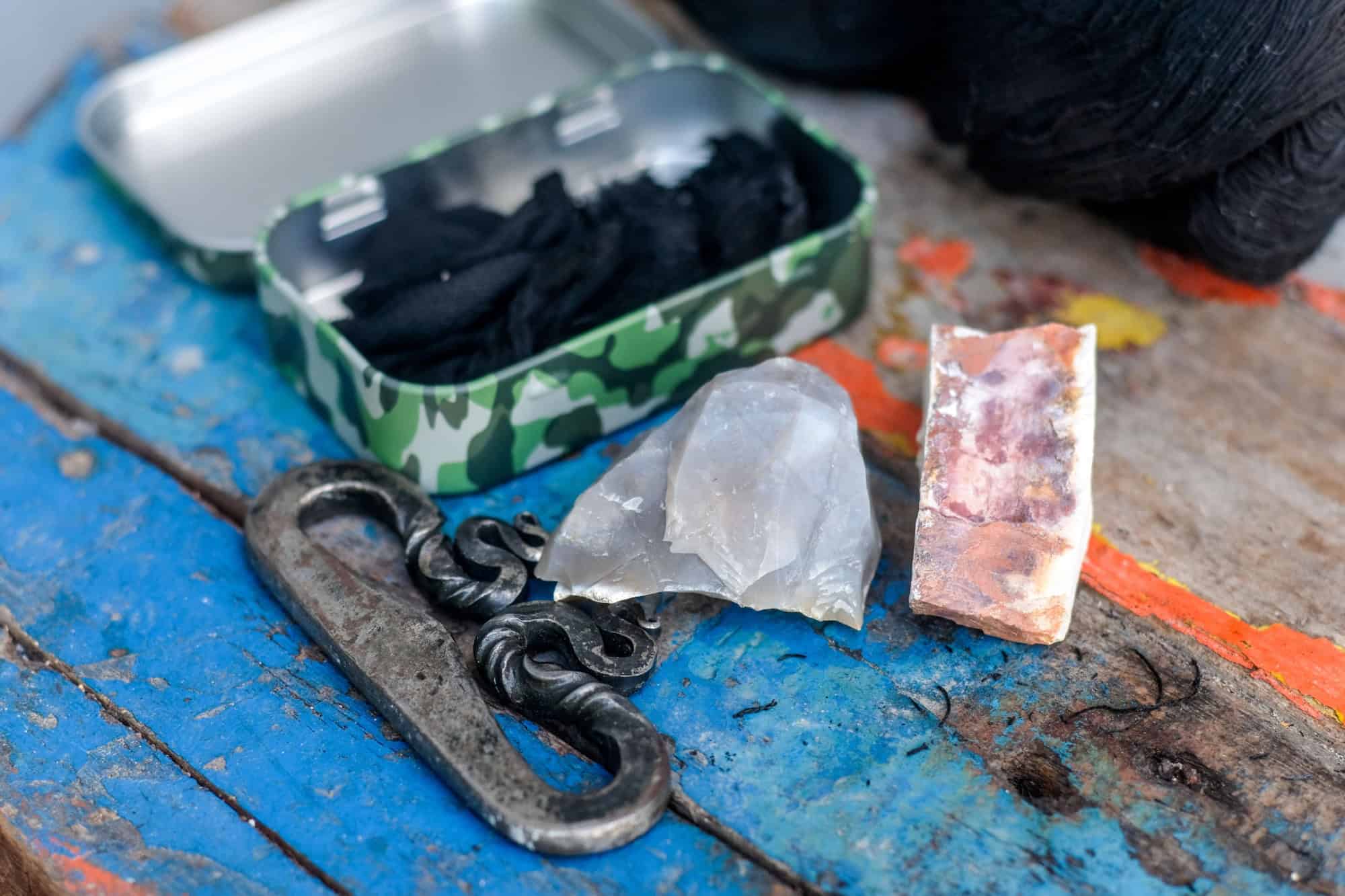
There’s a cadence to it. You strike the flint, and hope you catch a spark. You blow on it, coax it to life. It’s difficult, it takes practice. Now we can have a flame at the push of a button. Most people have never tried it, and probably never will, unless it’s survival training.
Understanding how to write a money order

This was a very common way to pay for things. You didn’t have a bank account, so you went to the post office. Fill it out, keep your stub, and mail it off to someone. It wasn’t difficult, just a chore. Most people under 30 have never had to write one. Some don’t even know we still use them.
Repairing a bicycle without internet help

Kids used to learn from their older siblings or neighbors. They knew how to pop a chain back on, fix the brakes, or a flat tire. It was part of riding a bike. Now, most people either google a video or take it to a shop. That knowledge is disappearing.
Making preserves without store-bought pectin

You boiled fruit, watched how it thickened, and you just knew it was ready by the feel. It wasn’t perfect every time, but that was half the fun. Now, recipes have exact measurements and shortcuts. You don’t find that old rhythm in the kitchen anymore.
Reading cursive quickly and naturally
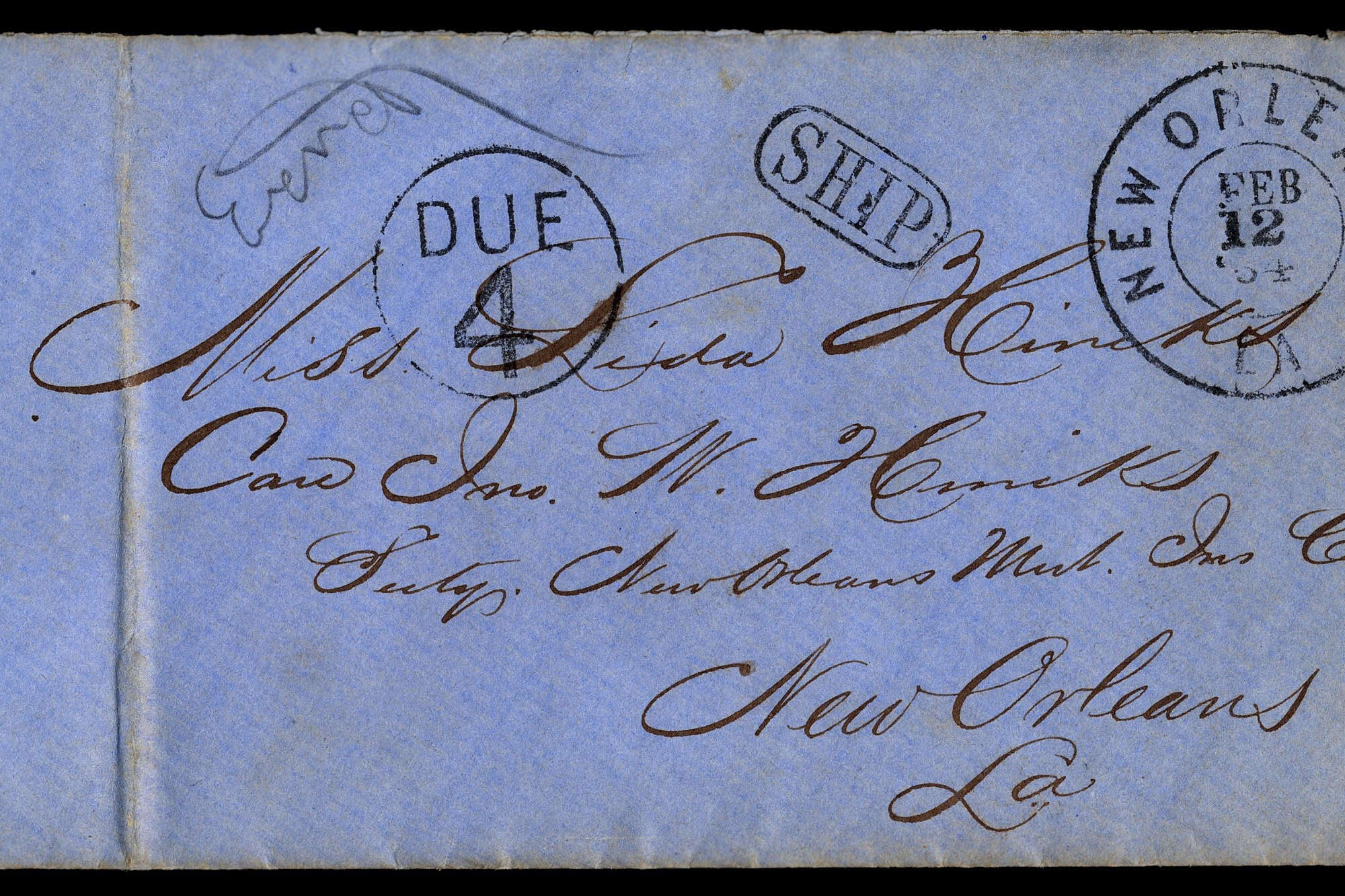
Sure, some people still write in cursive, but how many of you can read it? Older letters, notes, or documents can look like another language to those who didn’t grow up around it. Schools don’t teach cursive writing much these days and even the pens have been replaced by texting.
Disclaimer: This list is solely the author’s opinion based on research and publicly available information.
Like our content? Be sure to follow us.