

People often think living simply means saving money. And it does…in theory. But once you look a little closer, you’ll realize that a lot of these trends cost way more than they should. Here are twelve simple living trends that cost a fortune. Which one of these would you actually pay for & why?
Featured Image Credit: Shutterstock.
Building a tiny house

You’d think tiny homes would be budget-friendly, yet the numbers tell another story. Building costs run anywhere from $30,000 to $70,000. And that’s before land. You also have extras like a Tesla Powerwall battery, which is about $10,877 after tax credits, along with a composting toilet to worry about. Altogether, your “downsized” home has a very oversized price tag.
Homesteading on small acreage

Buying a few acres & starting a mini farm sounds like a dream. Who wouldn’t want to live a cheaper, slower life? But then comes the list of stuff to pay, like fencing, well drilling, irrigation pumps, sheds, tractors & endless hardware store trips. Even when you start small, you’ll need to pay six figures before you’re really living off the land.
Keeping backyard chickens

Raising chickens feels wholesome. But take a look at the bill. A coop & feeders aren’t exactly cheap, then you also have the cost of bedding & heat lamps. Don’t forget the feed per bird each month. While the cost of eggs at the grocery store might change, unless you have a whole flock producing daily, those “free-range” eggs cost you a lot more. Is it worth it?
Cast-iron cookware

Many people praise cast-iron cookware as being rugged & timeless. After all, it’s probably the kind of stuff that your grandparents cooked with. But not all pans are $30 Lodge finds & some skillets can run into the hundreds. Boutique makers keep climbing higher. Eventually, you’ll pay seven times the price of a basic pan.
Wood-burning stoves

Sure, wood-burning stoves give that rustic “back to basics” look. Yet they’re hardly bargain finds. You’ll find a decent one for around $1,500, but once you factor in installation & chimney work, the average is closer to $3,000. Then there are venting or liners to worry about. The price tags just climb higher & higher.
Zero-waste grocery shopping

There’s no denying that refill stores look amazing. But the problem is, most of the products usually cost more than the bagged stuff at the supermarket, and you’re essentially paying for the concept as much as the food. It’s fine to bring your own jars, just don’t expect to walk out spending less.
Handmade soap & natural cleaning

Lots of people think soap is just lye, oil, & water. Technically, it is. Yet there’s always so much extra to pay for once you go down that path, including molds, scents, colors & storage containers. Oh, and don’t forget safety gear. Homemade cleaning sprays usually run higher per ounce than the big jug of store-brand stuff, which lasts longer, too.
Cloth diapers & low-waste parenting

The idea of reusing instead of tossing diapers makes sense, but that doesn’t mean it’s automatically cheaper. A stash of cloth diapers costs hundreds upfront. And then you have to wash them, too, which uses more detergent & water than you’d think. It’s simpler, yes. But most families soon realize that disposables are much cheaper.
Handmade furniture
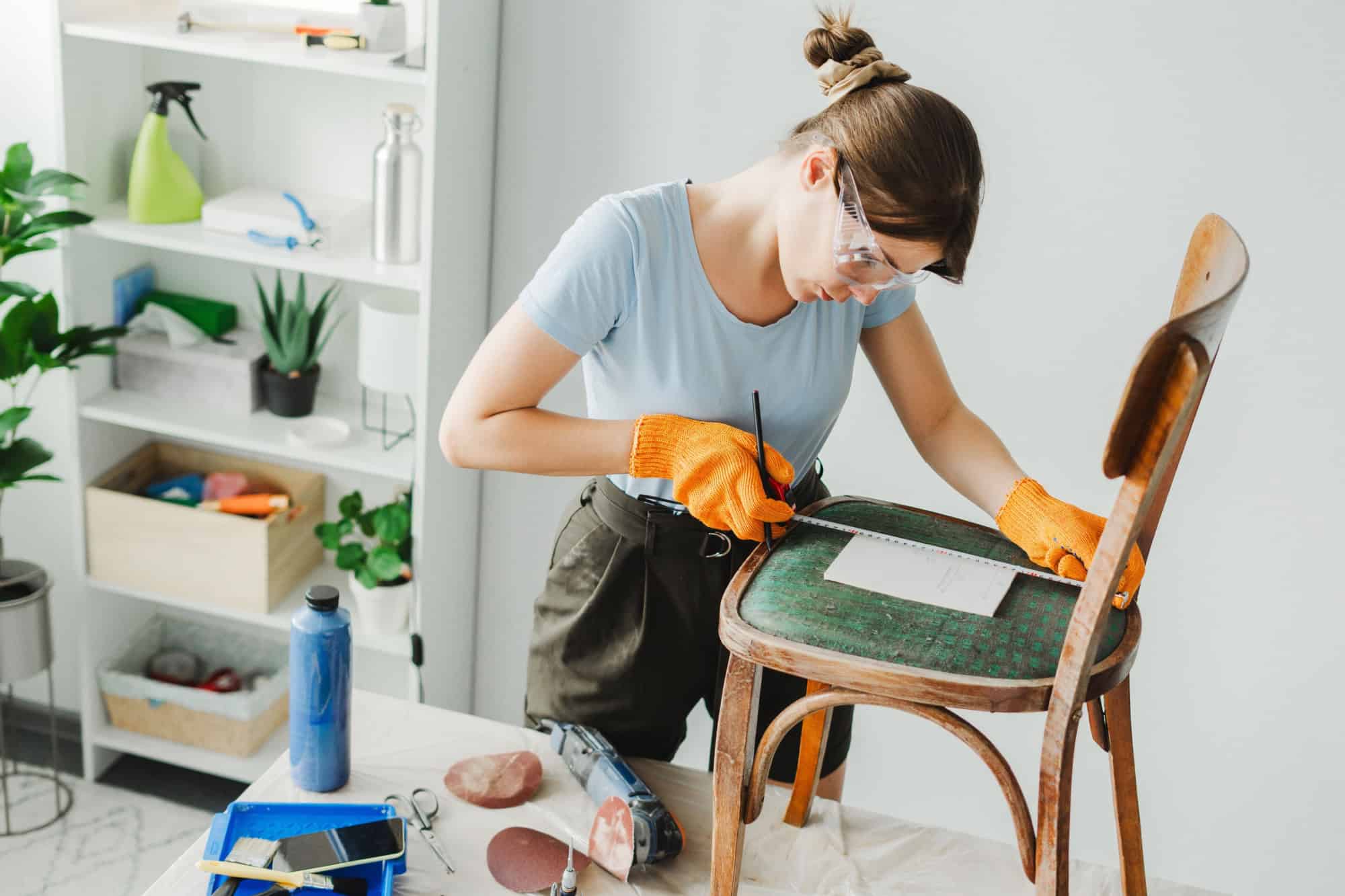
On social media, you’ll see people talking about handmade furniture being one of the best ways to go back to basics. They don’t tell you about the costs. Lumber alone is pricey, and that’s especially true for hardwood, but then you have to pay for clamps, sanders, planers, finishes & the shop space to put it all together. You’ll easily spend more than buying a ready-made piece.
Spinning and weaving your own textiles

The traditional crafters among us sometimes try spinning or weaving at home, although a good spinning wheel is around $400–$1,000. As for a sturdy loom? That costs several thousand. You’ll also need to pay for the raw material you’re going to use, as well as dyes & carding equipment. It’s a huge setup bill before you’ve even finished a scarf. Ouch.
Herbal supplements

One of the simple living staples is turning dried plants into teas or tinctures. Unfortunately, organic herbs by themselves cost a lot, and you’ll have to pay for things like jars & alcohol to make tinctures, too. You could try a starter batch of a few herbs. But that’ll be $150–$200, and the yield isn’t exactly high, which is terrible for anyone who wants a wide variety.
Hand quilting supplies

Of course, hand-quilting has a real sense of old-fashionedness to it. But modern supplies aren’t small change. Cotton fabric, batting, thread, rotary cutters, cutting mats & quilting rulers cost more than you expect, while fabric for one quilt is easily more than $200. It’s a slow craft. But certainly not a cheap one.
Sources: Please see here for a complete listing of all sources that were consulted in the preparation of this article.
Like our content? Be sure to follow us.


