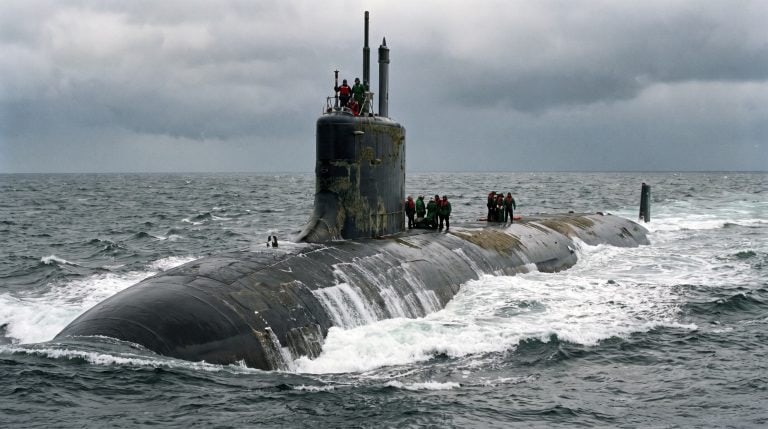

Most Navy submarines stay hidden for months, and that’s part of the reason that the sailors onboard live such secretive lives every day.
Some submariners may share the same bed in shifts
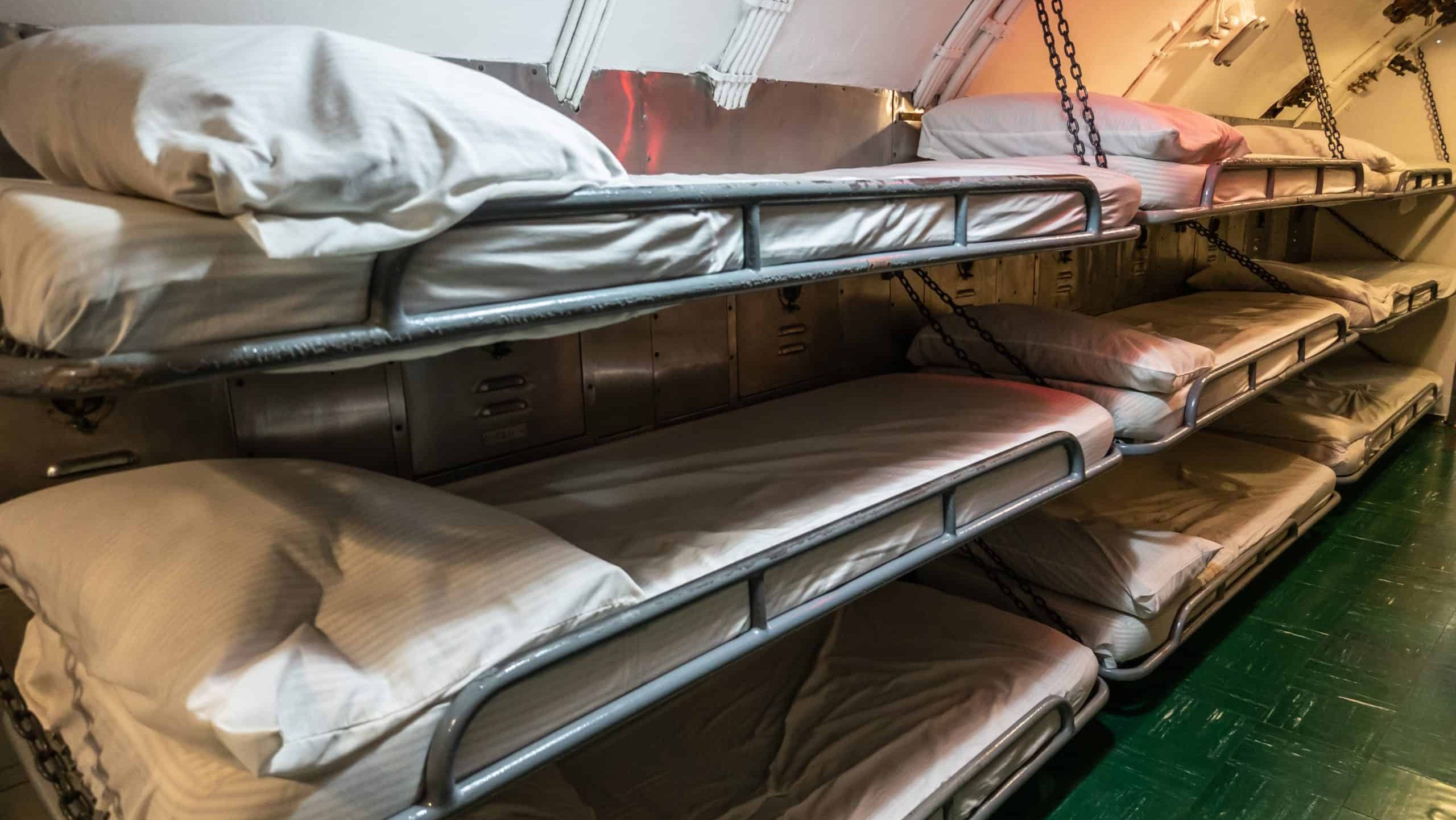
Most people know that submarines are pretty cramped places. Only a few people realize just how cramped. There are quite a few Navy submarines with more sailors than bunks, so one person sleeps in bed while the other’s working. They swap later.
It’s called hot-racking, and it’s actually a pretty common practice. Nobody’s standing there with a stopwatch waiting for the mattress or anything. But still, the setup does get pretty tight, and your bed isn’t always your bed. It’s more like your bed for the next few hours only.
They can turn seawater into drinking water
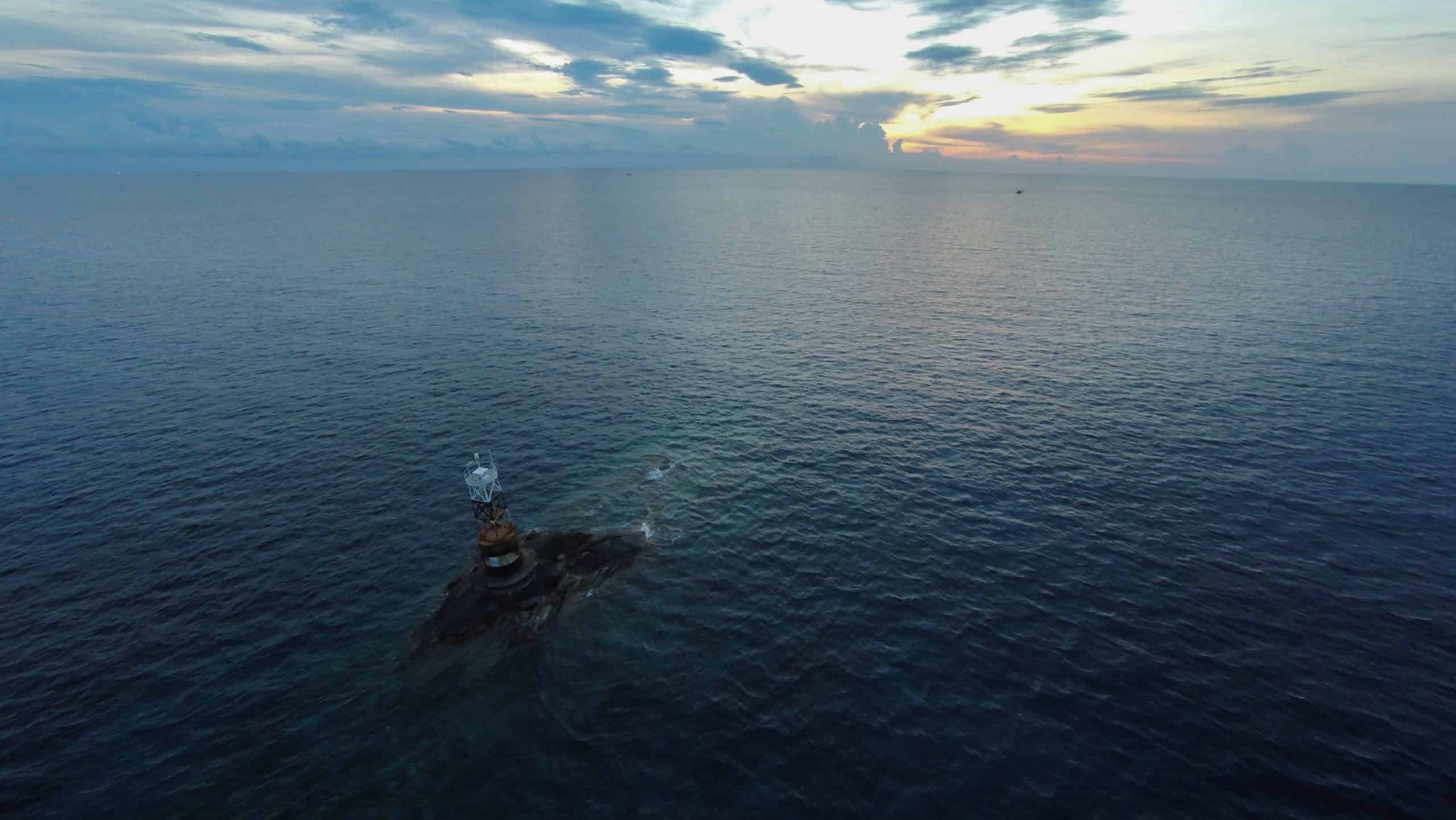
You might expect running out of bottled water to be a major problem. It’s actually not. Nuclear submarines can make fresh water from seawater using onboard desalination equipment. It essentially takes the salt out.
That means the crew doesn’t have to bring months’ worth of drinking water with them. They can just use what’s around them. They’ll use the water for cooking and washing, as well as other basic jobs. It’s a pretty efficient system, really.
Food is treated as a serious morale tool

The big issue on submarines is food, and navy officials know that. It’s why they use food as a morale-boosting technique. Yes, some submarine meals get pretty interesting, with crews reporting menus with steak and pizza. Burgers, brunch, pastries, and regular-themed meals such as Taco Tuesday are an option, too.
Fresh produce disappears pretty early during a long patrol, so cooks have to get creative with what’s left over. They’ll even bake to get people going. It seems that food’s a pretty big factor in motivating sailors.
The crew lives inside a carefully managed artificial atmosphere

There’s a lot more that goes into managing the air inside a submerged submarine. It’s not simply whatever was trapped there when the hatch closed. No, the equipment continuously manages it, and some submarines have machines to generate oxygen onboard.
Other systems remove carbon dioxide and unwanted gases from the atmosphere. It’s why a nuclear submarine can remain underwater for so long without regularly surfacing for fresh air. Think about it this way, the crew’s living inside a giant sealed machine that’s also helping to create the air they breathe. It’s as weird as it sounds.
Submarine crews become very aware of things
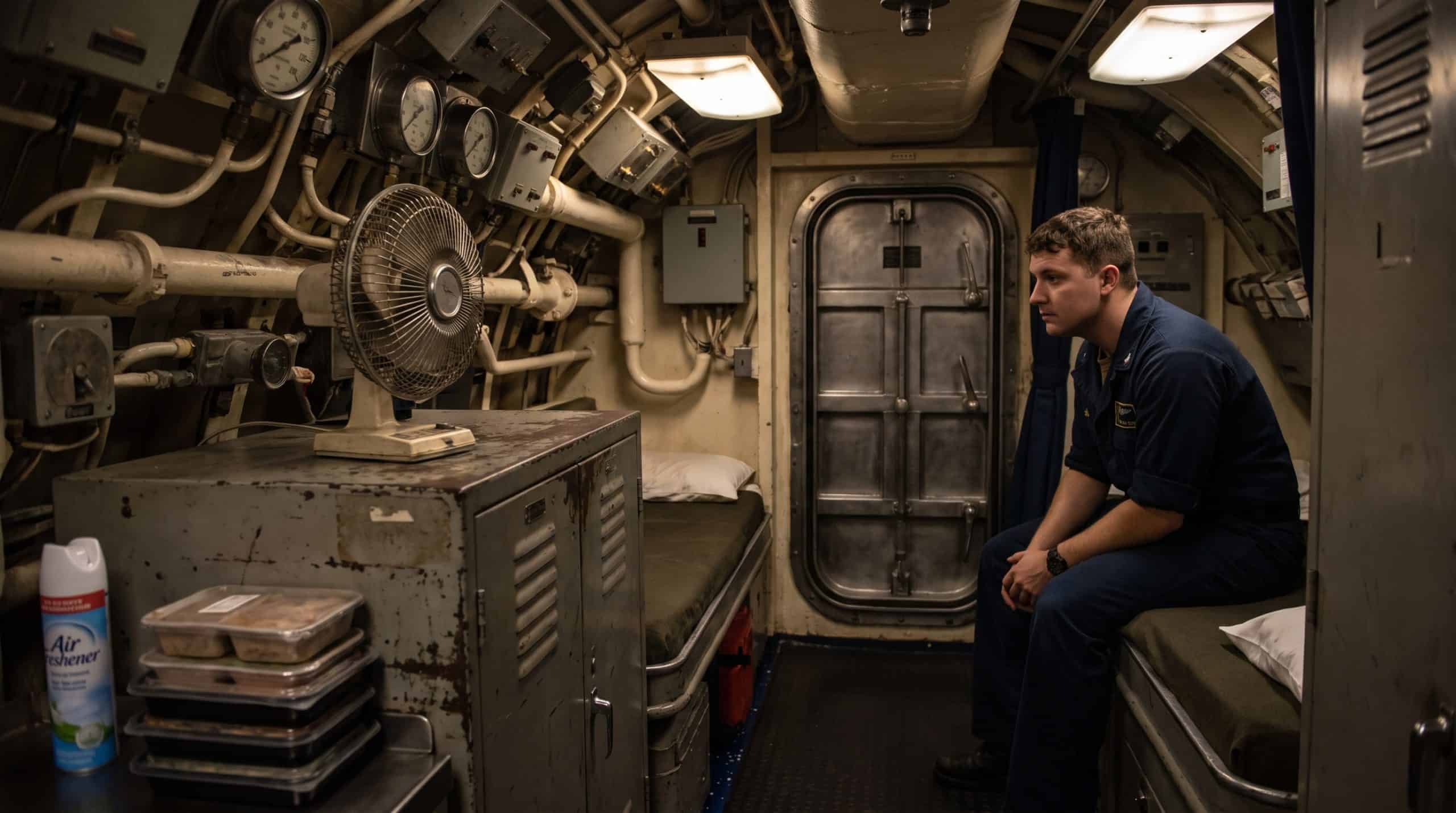
Your senses start to change when you’ve been sealed inside the same metal tube for weeks. Specifically, you become used to different smells. Cooking, machinery, oil, cleaning products, all of it gets mixed together, and you start to forget that it’s there.
Many former submariners have said that fresh outside air smells noticeably different when they finally surface. The submarine itself doesn’t smell strange, it’s the normal air that seems unusual because you’re not used to it. How weird.
Privacy is just closing a curtain around your bunk
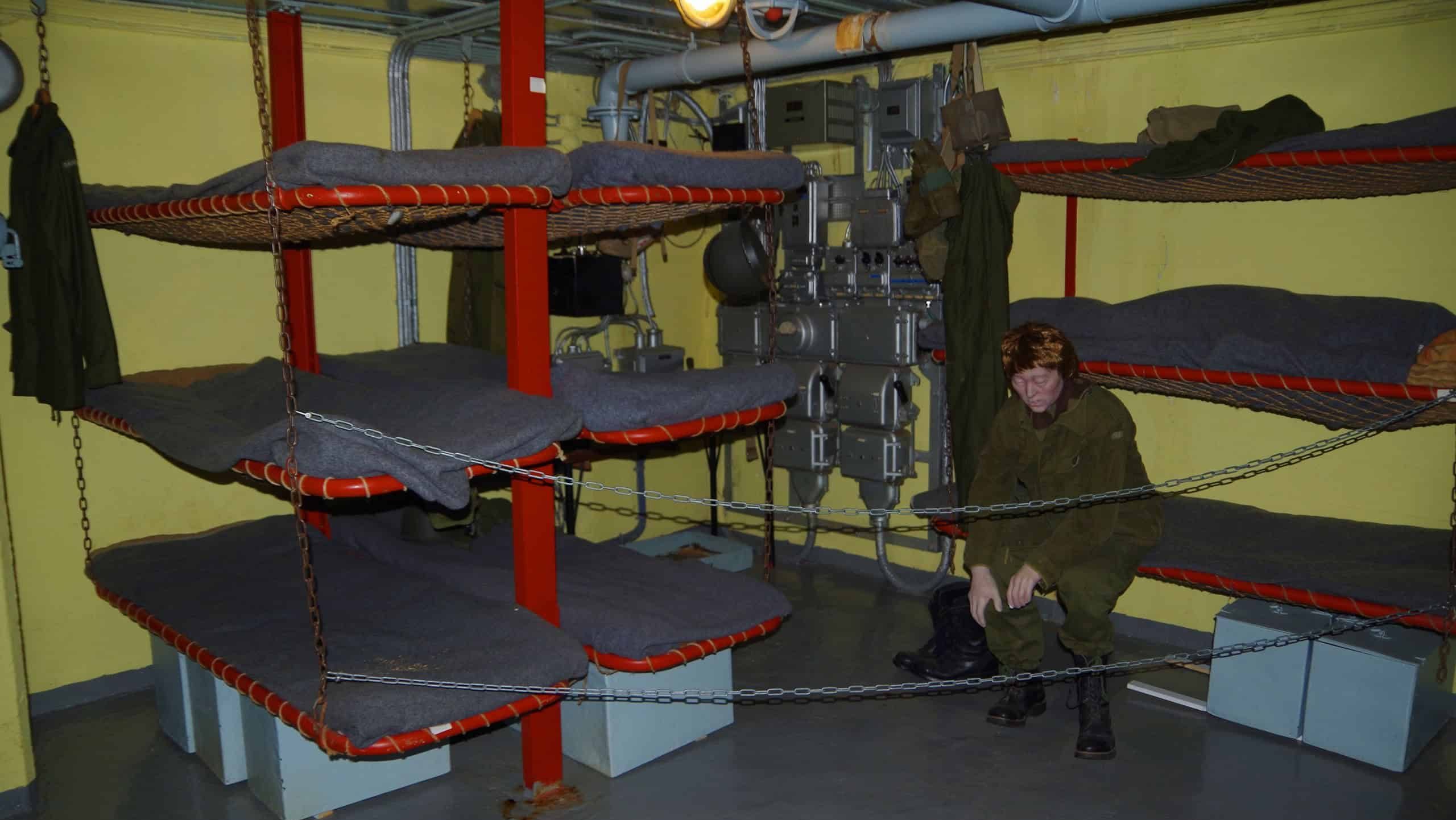
Sailors on a Navy submarine rarely get the luxury of closing a bedroom door. They’re usually stuck in stacked bunks with other sailors only a few feet away, so the only privacy is a small curtain. That’s it.
On USS Ohio, sailors sleep in nine-bunk rooms packed closely together. Their rack becomes bedroom, retreat, and personal corner, all at once. Many officers tend to share small rooms too, although the captain usually gets more privacy, and rightly so. But most of the crew are never truly alone.
Cleaning is part of keeping the submarine habitable
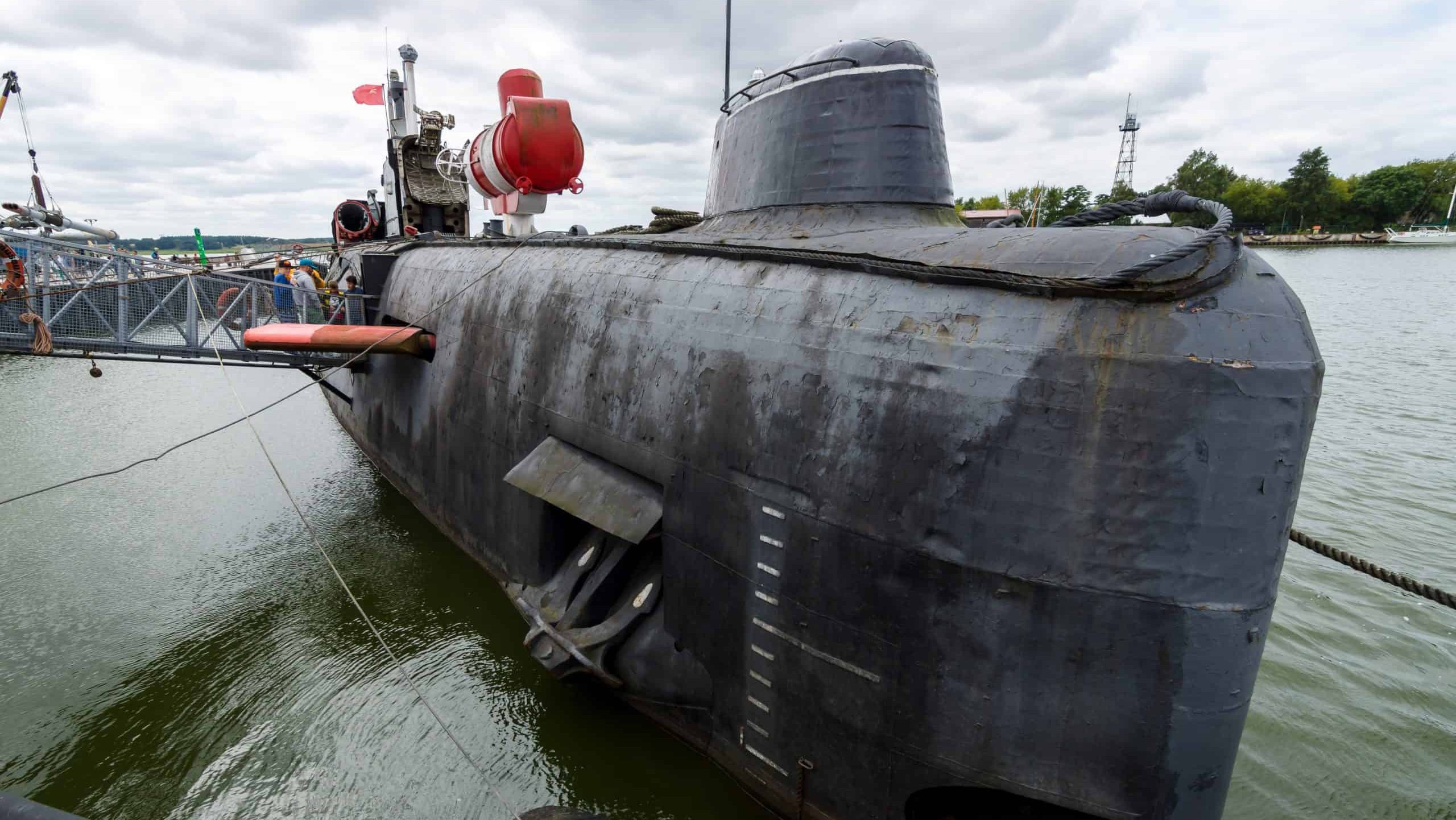
You won’t get away with a quick pass using a mop on cleaning day. Navy crews regularly carry out large cleaning sessions known as field days, and these involve scrubbing everything. They’ll go into shared spaces and machinery areas, along with decks and corners.
They can’t open doors or air everything out, after all. There are so many people living inside the same sealed space, so there’s no way they can leave things dirty for too long. There’s no other room to escape to.
Some sailors literally sleep in the same room as live torpedoes
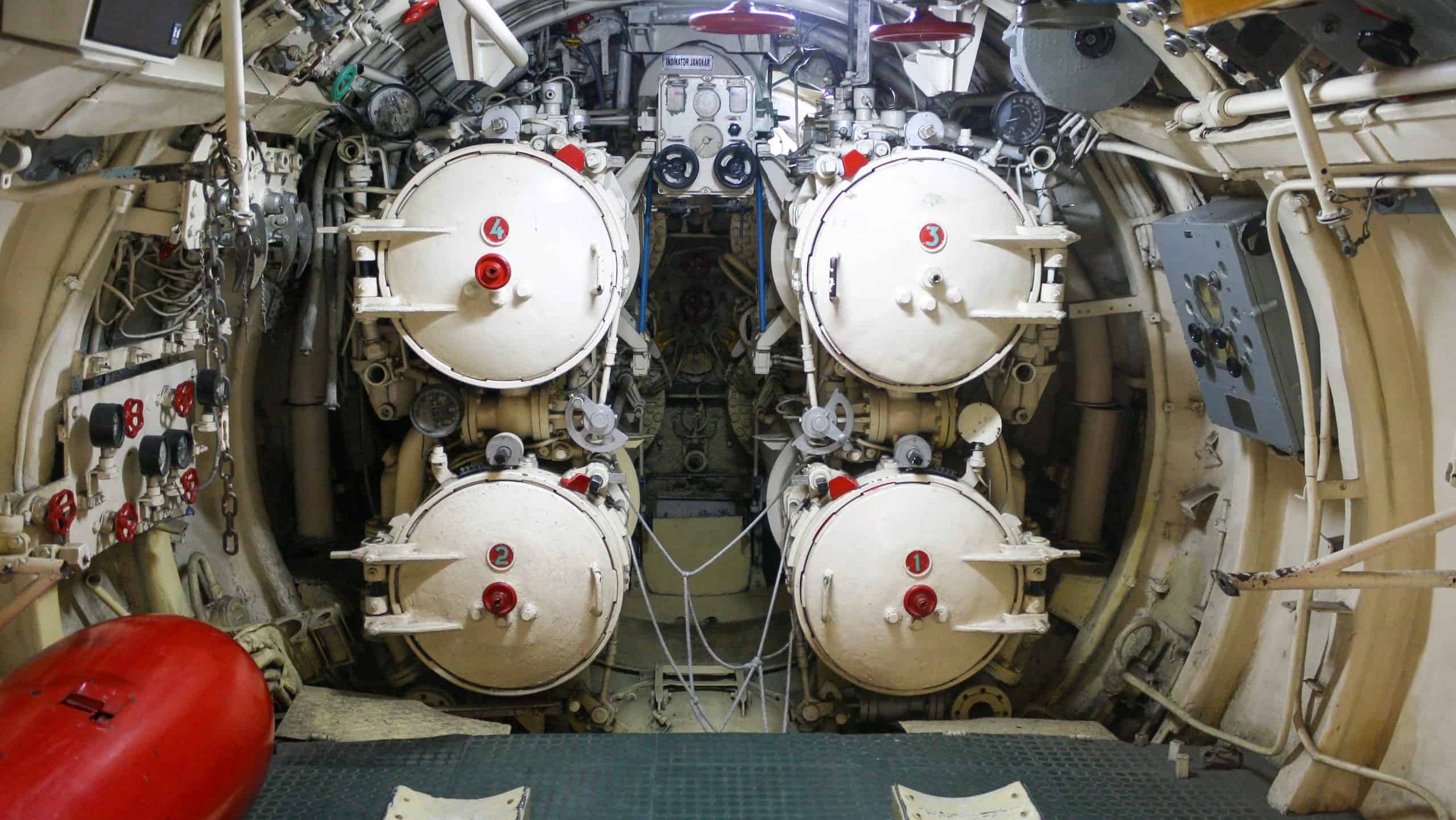
A torpedo room sounds like somewhere you’d expect to find torpedoes. Nothing more, nothing less. Except, some submarines put sleeping bunks in those places because onboard, every bit of room matters. Take a look at the preserved USS Cod, for example.
It had 15 bunks in its forward torpedo room and another 12 aft. Some modern boats still use torpedo spaces for extra berthing when needed. A sailor can climb into bed opposite a very large piece of naval weaponry.
Submarine deployments have their own version of Christmas

A lot of long submarine patrols have produced their own traditions, including one called Halfway Night. It’s kind of similar to Christmas. Halfway Night marks roughly the midpoint of a deployment, and crews tend to celebrate it with special food or entertainment.
Some of them host small events, too. There have even been families back home joining in by preparing gifts before departure. They couldn’t exactly turn up to the submarine to deliver them, after all. There’s not always a specific date for Halfway Night, but still, it’s a fun break.
Holidays have to work around the submarine’s operating schedule

Speaking of holidays, sailors have to work around the clock. That includes December 25. They don’t shut down sonar because it’s Christmas morning, and the machinery doesn’t get the day off either. They have to keep working.
That’s why most crews squeeze their celebrations into watch schedules. One group might eat a Christmas dinner while another is working, and that might not even be on Christmas Day. It may end up being a few days later, instead.
A sailor’s private storage space can be thinner than a suitcase

Packing light for a vacation is way easier than packing for a submarine, that’s for sure. A sailor might only get a slim compartment under the bunk for storage. They may be fortunate enough to get a small locker nearby for shoes and a few other things, too.
A lot of older submarines don’t have as many storage options, however, and sailors have to make do with one cubic foot. It’s not a lot of space when you’re gone for weeks. All of your possessions have to fit into a space smaller than a suitcase.
The psychological adjustment is stranger than the physical one
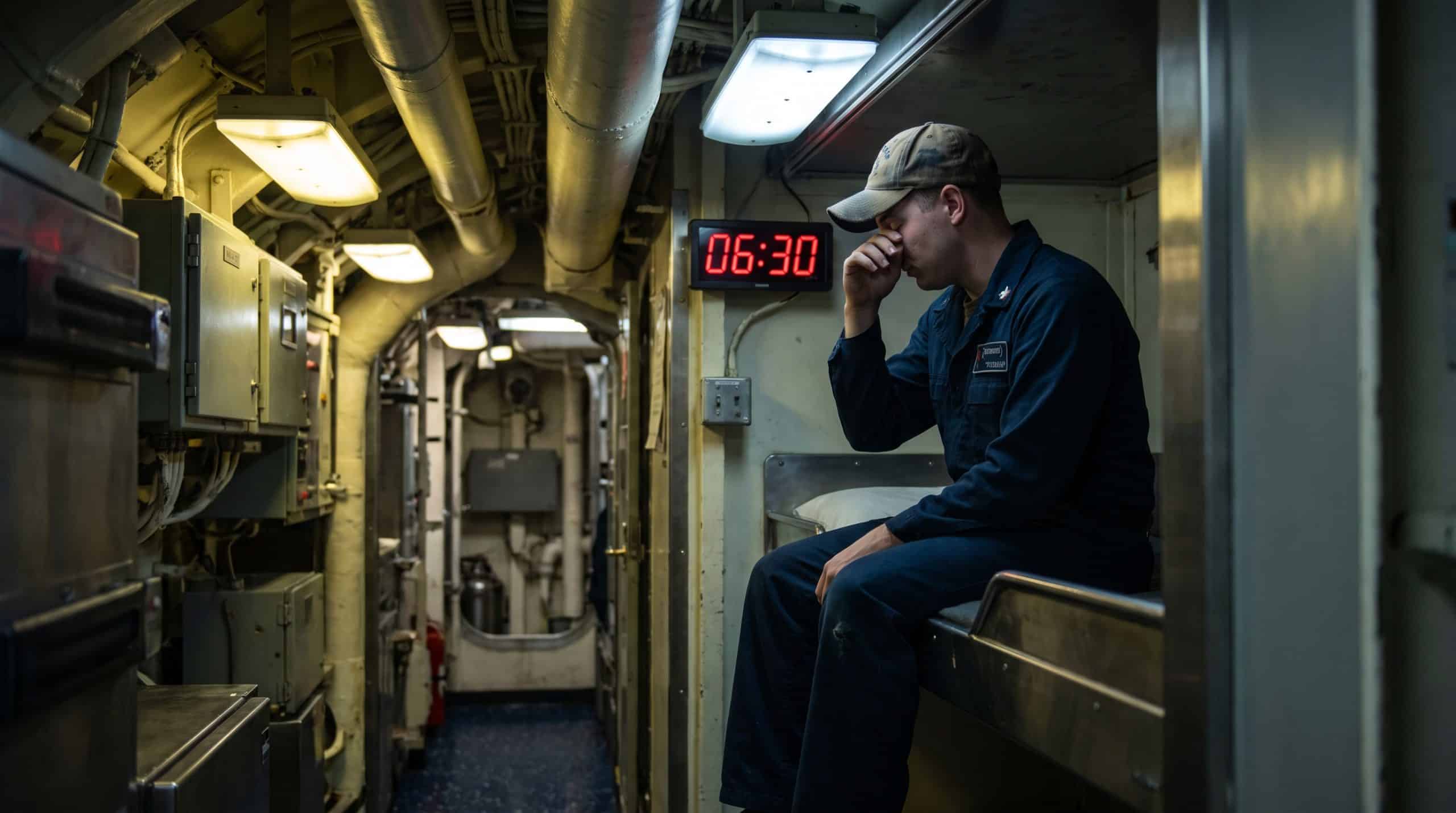
The cramped bunks are obvious enough, but what’s not so clear is how strange it all feels. You lose all the little things that normally tell your brain what time of day it is, when you’re on a submarine. No sunlight through a window, no weather, either.
U.S. submariners used to work on an 18-hour schedule before the Navy moved toward a 24-hour cycle. Spending weeks dealing with clocks and artificial light means stepping back into the daylight feels strange. It’s a psychological adjustment you really can’t put into words.
Sources: Please see here for a complete listing of all sources that were consulted in the preparation of this article.

