

It’s not like you stop caring overnight when you get older, but there’s something about it that makes people let themselves slip.
The trade-off

It happens. You make little bargains with yourself because it’s not worth it today. Nobody’s going to see you. As a result, you start pushing off the haircut and the new shoes. The doctor’s checkup was already overdue. You don’t bother.
Not because you’re sad, though. It’s because you stop treating yourself as someone worth maintaining, which sure does sound harsh. Self-care’s too much for some older people.
The sore morning
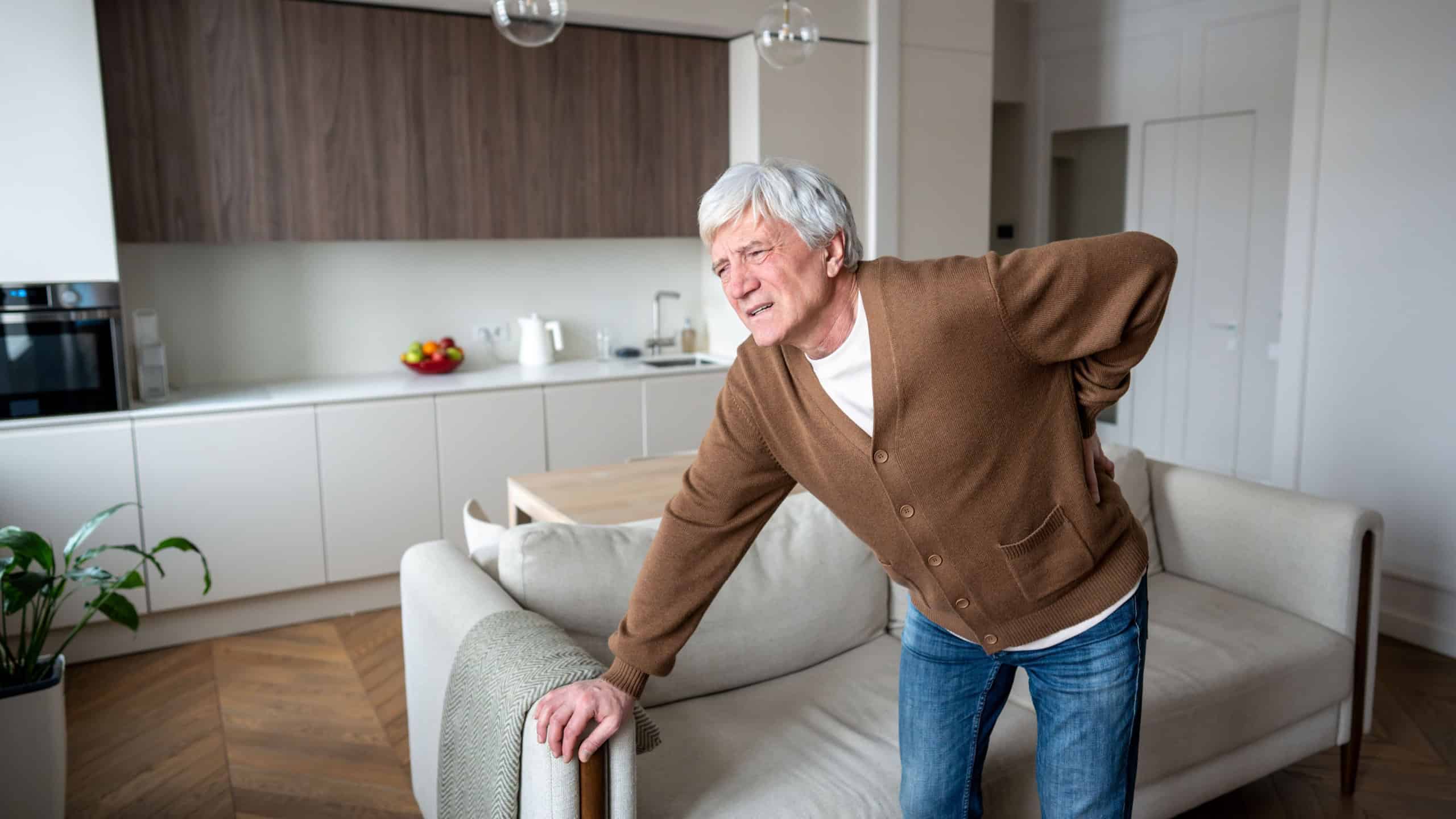
Pain turns the most normal things into events when they really shouldn’t. You’re showering. That means you’ve got to stand up. You want to dress, but that involves bending, so you don’t bother. It doesn’t need to be anything major. Sore hands or shoulders are enough.
That’s not to say that old people are lazy or anything, it’s just that every task they do now has a fee attached to it. The fee’s too high on some mornings so they decide not to pay it.
The awkward ask

Discomfort is never fun. That’s true, no matter what your age is. However, for some older people, discomfort is way easier to accept than any help, and they’ll say they’re managing. They’ll say they’re coping. Newsflash, they’re not.
Their form of managing involves wearing clothes from the laundry basket so they don’t have to wash any. They’ll completely avoid using the stairs until tomorrow. It’s sad, really.
Asking for help means admitting they’re not the person they used to be.
The flat feeling

Depressed people cry in a dark room. That’s the image we usually have, at least. But depression’s sometimes more boring than that. It can be something as simple as the dishes sitting there and the bed not getting changed. Depression causes fatigue.
It creates hopelessness and a loss of interest in basically anything. Yes, that includes the things that used to make you happy. Older, depressed people have a running question, ‘Why bother?’ in their heads.
The empty calendar

Oh, retirement. It sounds absolutely lovely. But then you realize your days have no shape. In the past, when you worked, you had a specific time of when to wake up, of when to take a shower, and so on. Leaving home had a schedule, too. Now there’s a lot of open space.
It might seem like freedom at first, but actually, it’s more like there’s no structure. It doesn’t take long for weird habits to start popping up. Breakfast happens way later, and you wear pajamas all day. Going for a walk? Why bother? There’s always tomorrow.
The unseen day

It’s a harsh truth that, since nobody’s coming over, there’s not always a point in cleaning the house. There’s no motivation to change out of your old clothes. Such thinking creeps in when you’re older. After all, you don’t have the regular contact that you once had.
You’re spending way more time alone, and it’s a slippery slope from there to depression and cognitive decline. You still care, of course. It’s just that the lack of any audience makes each effort seem kind of pointless.
The old script

You hear so much nonsense about aging that some of it starts to stick. Bad knees are apparently normal. So is slowing down. Let’s not forget about your memory which, ironically, disappears, too. Years of hearing that make you stop questioning changes.
You could actually get help for them. But no. You accept worse sleep and worse balance because, yes, that’s how aging works. It’s normal.
It’s not. Ignoring those problems does way worse damage than you actually realize.
The hidden obstacle
It doesn’t matter how ‘fine’ someone actually looks. It’s the tiny mechanics of care they’re struggling with. The buttons are too small, and the tubs are too slippery. Their grip’s not strong enough for holding shampoo bottles. Opening a packet of food is a cause for concern.
Bathing, dressing, eating, toileting, and moving around are what health workers call ‘activities of daily living.’ You’re supposed to do them without a fuss. Older people can’t. When that happens, they start taking shortcuts that sometimes mean not doing them at all.
The long shift

For their whole lives, they were the reliable ones. They raised kids and worked. They handled bills. Caring for parents? That was all them, and so was booking appointments, cooking meals, and remembering birthdays. Now they’ve got time for themselves. They’re tired.
It’s a deep kind of tired, where they’re suffering a sort of caregiver burnout. That affects them physically. That affects them emotionally and mentally, too. A person who says they can’t be bothered with self-care might just be exhausted.
The missing step

Cognitive issues cause bigger problems than most people recognize. Even the mild kind hurts. Both memory and thinking are way harder than you expect. You’re not sure whether you took the blue pill or the white one. When was the appointment?
Did you eat lunch? It’s not as if someone’s decided to neglect themselves. No, the problem’s that the pieces stopped lining up. It doesn’t take long for the entire system to go out of whack.
The bad moment

One scare. That’s all it takes. One scare, and a person’s entire feelings about their body change, so they stop bouncing back like nothing happened. They slipped out of bed once. Now they’d rather stay in bed all day. They got lightheaded in a store and had to grab a shelf.
What’s the point in going out anymore? Yes, older people stop going for walks, and they quit showering when they’re alone. One fall doubles the chance of another. Fear get surprisingly bossy.
The closed chapter

A sad reality for many old people is believing their life is in the leftovers stage. It’s not like they say it like that, they just joke about being ‘past all that’. New clothes? Travel? Exercise? Dating? Hobbies? They don’t see the point, now they’re in their twilight years.
But those jokes have some weight behind them. Because when a person thinks their interesting years are already behind them, they quit bothering with self-care. They don’t need to buy the nice shirt or fix their tooth. They don’t need to plan anything at all. Ouch.
Sources: Please see here for a complete listing of all sources that were consulted in the preparation of this article.

