
If you’ve been online, you’ve seen the posts. Someone posing with their new gizmo or subscription, swearing it’s the smartest purchase they ever made. Some of those “smart” purchases are straight up foolish. It makes people look desperate trying to be so smart.
After sharing this topic on a thread I received some insightful responses that inspired me to create a list. So, here are twelve purchases that were made in the name of being “smart” and ended up making the person that bought them look regretful.
Featured Image Credit: Shutterstock.
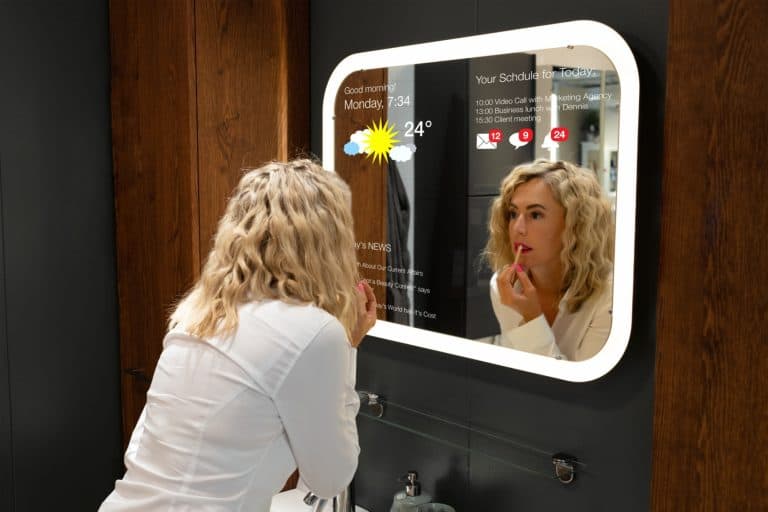
Smart mirrors with fitness tracking

The high-tech fitness mirror is attractive, but that’s where the fun ends. There is a high upfront cost and then monthly subscriptions to unlock features. At the end of the day you may have pre-paid for years of membership at a regular gym. A set of weights and routine is all it takes to get in shape.
Bulk-buying exotic supplements

First, it makes you think you can buy these products and control your health with them. Next, most of these powders and vitamins overlap and are expensive or unnecessary. And I think, food is the best way to get the vitamins you need; we’re talking about fruits, vegetables, eggs, nuts, grains. A few simple supplements can help, but stocking up your kitchen with every fad doesn’t make sense.
The “smart fridge”
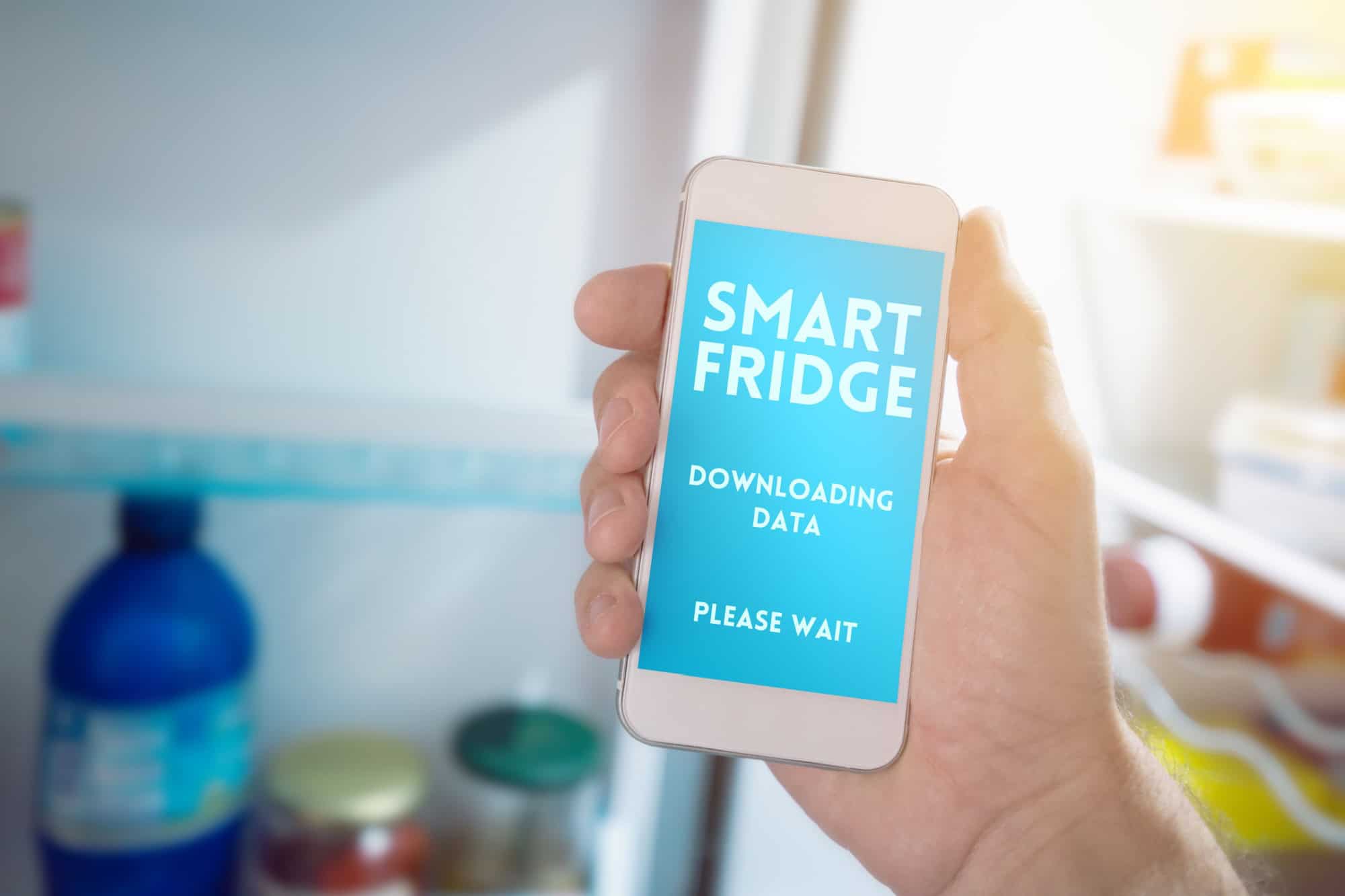
A smart fridge is supposed to be the dream kitchen appliance, complete with an embedded grocery list, recipe ideas, and video streaming. In practice, it’s frustrating: repairs cost a fortune, software updates never stop, and the video entertainment you never use mostly plays while you grab eggs and milk.
Smart pet feeders with cameras

It’s a compelling sales pitch: you’ll never stress about feeding your pet again. Install the app, load the food, and check in with the built-in camera. But then a few weeks go by and cracks begin to appear. The Wi-Fi disconnects, the feeder jams, and suddenly you’re racing home to make sure your pet ate at all. You come to realize what every owner eventually figures out: presence can’t be automated.
Voice-activated faucets

A faucet that misunderstands you more than your family, now that’s innovation. You say “pour water” and it thinks you said “ignore forever.” When you combine high repair costs with expensive sensors and frequent filter replacements that last around the clock you end up with a stubborn faucet that seems better suited for a sci-fi comedy rather than your kitchen.
Oversized coffee machines for one person

Big coffee machines are supposed to be convenient and save you money, but really they just add up frustration after frustration. They take up space, use high-end beans and take longer to make a pot than the cheapest French press. Cleaning it is also a chore, and fixing it will test your will to live. You wanted to be able to leave the café, not join one.
Treadmill desks

In theory, the concept of walking while you work is the greatest time-saver ever. In practice, it’s difficult to type at a consistent pace, your posture degrades, and conference calls are loud and distracting as you move. The treadmill isn’t built for zero-distraction focus and the desk is too small to comfortably use for extended periods. For the cost of one of these, you could purchase a proper desk and a decent treadmill, and both would function as expected.
“Energy-saving” gadgets that waste energy
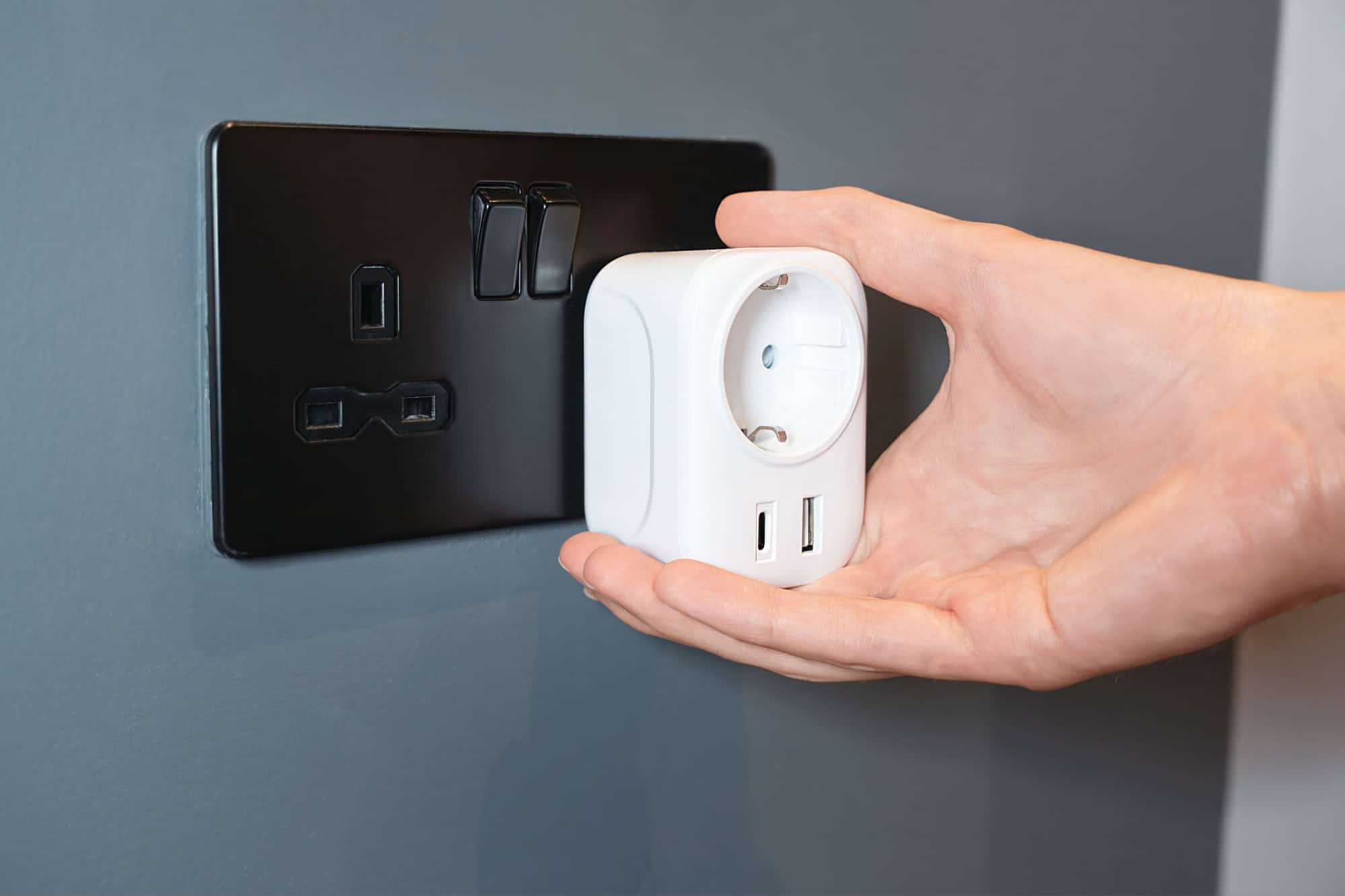
Millions of such gadgets are marketed as green replacements or energy-saving appliances. Some of these are smart power strips, energy monitoring adapters, USB-powered water heaters, USB-powered cat litter sanitizers, smart plugs, or even an electric toothbrush sanitizer.
Some such appliances may consume more no-load (standby) power than the energy they are marketed to save, depending on how many outlets in the home are connected to one such adapter. Some other appliances require frequent recharging, or need regular software updates, making the green proposition invalid.
Cars with unnecessary features

Some modern cars feel less like cars and more like science fiction spaceships. Touchscreens full of menus, voice controls for everything, gesture recognition, heated steering wheels, seats that vibrate and massage you, these features are supposed to impress you. But they’re often a big distraction in practice. Voice commands don’t work, the menus are too slow and you accidentally activate the wrong thing.
Expensive exclusive courses

Online courses and workshops are the illusion of a shortcut to success. Become an expert in no time, level up your skills, get ahead of the pack, seductive, right? The reality is most of them are ridiculously expensive and chock full of repurposed content you could find in a book or for free online. They’ll try to sell you on “exclusive” certificates that have virtually no value outside of their own platform. At the end of the day you’re not actually purchasing knowledge, you’re purchasing the illusion of it. And that is a stupid way to spend money.
Drone deliveries for daily items
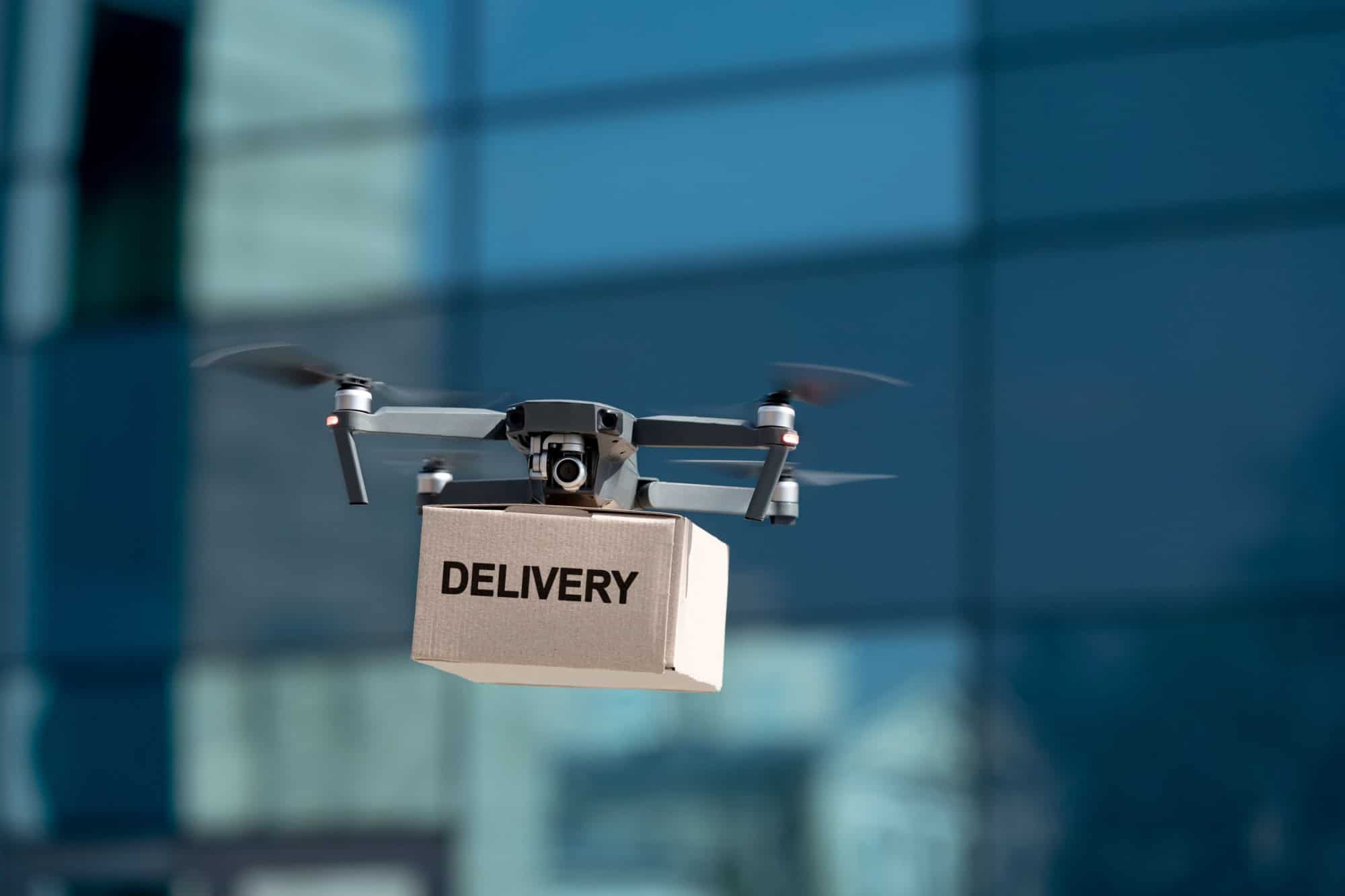
Drone delivery is sold to you as the future: your toothpaste, snacks, or shampoo raining down from the skies. The reality is far less sci-fi and a lot more of a pain. Fees are higher, flights are tangled in rules and regulations, and half the time it arrives later than traditional shipping. The “old-fashioned” van is, in reality, quicker, cheaper and far less dramatic.
Luxury meal-kit subscriptions

Meal-kit subscriptions are a high-class take on delivering ready-to-eat ingredients to your door, though the price per serving is often higher than just cooking with grocery-store staples or going out to eat. They also come with pre-portioned ingredients, each individually wrapped in massive amounts of extra packaging that will produce avoidable waste for your household. For the majority of users, it’s cheaper, faster, and more convenient to plan easy meals with regular ingredients than it is to wait on a smart subscription.
Like our content? Be sure to follow us.