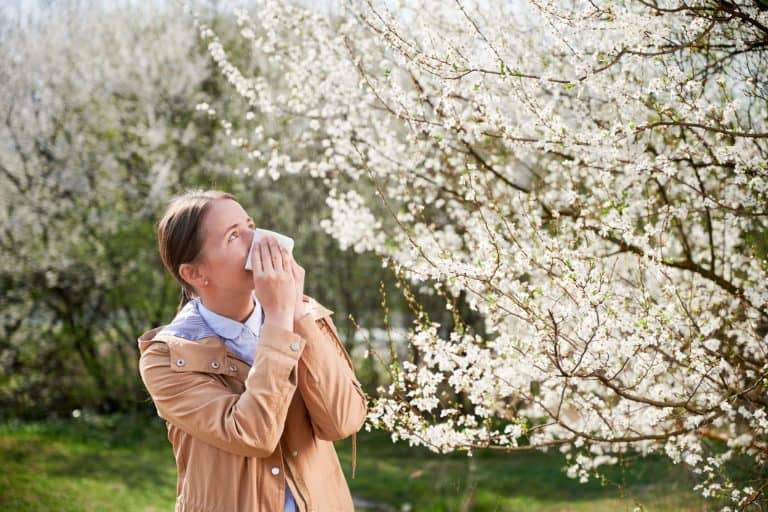

Not every plant gets a warm welcome in American backyards. Some of these are illegal because they’re dangerous & others are banned because they spread like wildfire. We checked out some regulations across the country. Here are twelve plants banned from gardens for good reasons. Which one do you think is the weirdest?
Japanese barberry

This plant looks harmless in a garden bed. However, it’s anything but. Pennsylvania added it to its ‘Noxious Weed List’ because dense patches of it create shady places that ticks just love. Since 2023, nurseries & landscapers haven’t been allowed to sell it. That includes hybrids too.
Giant hogweed

Giant hogweed is more than your regular invasive plant. It’s also hazardous to touch. The sap reacts with sunlight, which causes burns & blisters. That’s why New York and other states have banned it. It’s flat-out illegal to sell or transport, with agencies encouraging people to report sightings. You can get in a lot of trouble for growing these.
Fruitless mulberries

You’re not allowed to plant fruitless mulberries in Clark County, Nevada. This is because the trees dump out ridiculous amounts of pollen & cause a lot of issues for people with allergies. They’re also not the only place to ban them. El Paso, Texas & Albuquerque, New Mexico have done similar things. Weirdly, older mulberries were grandfathered in.
Olive trees
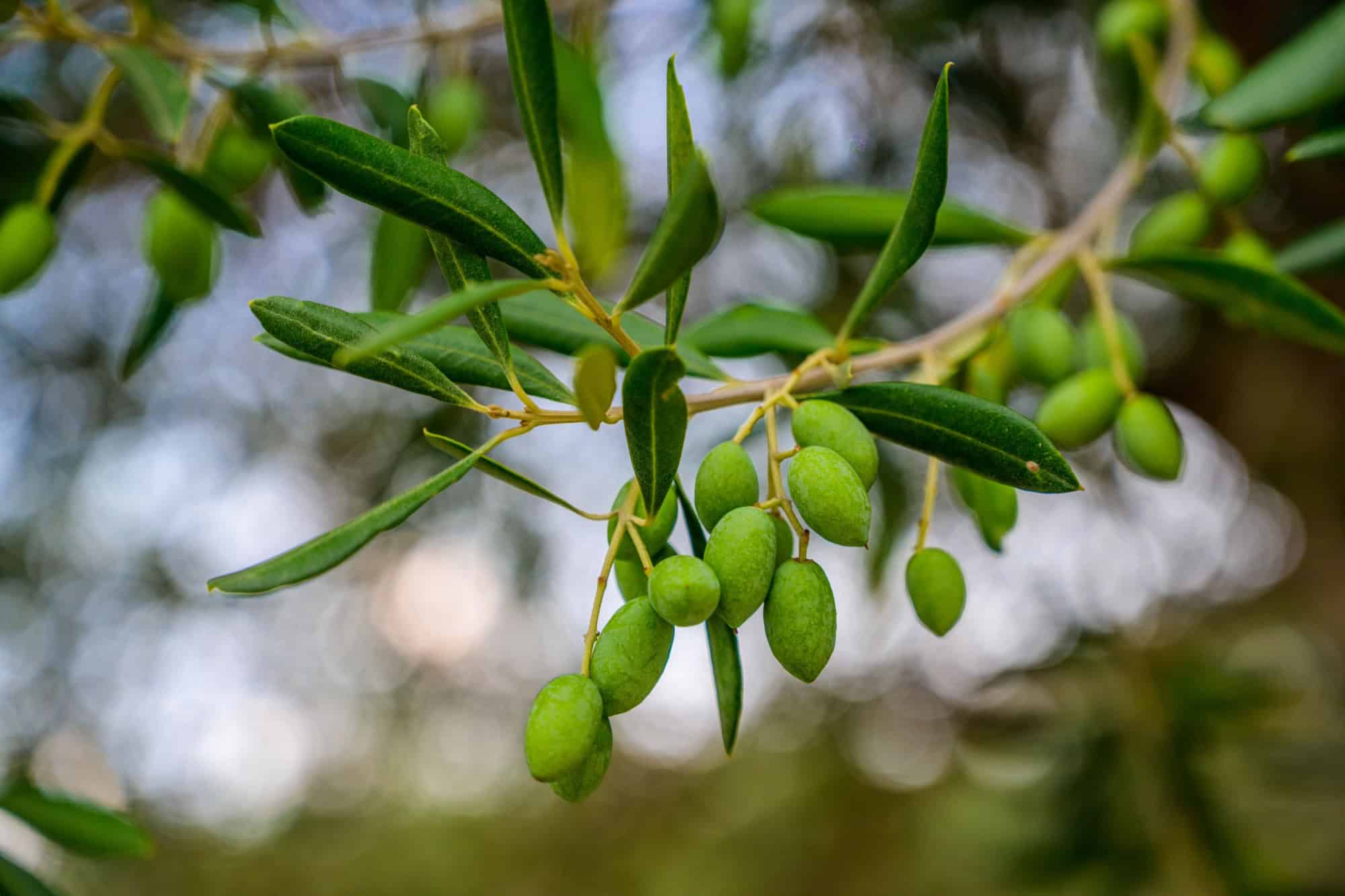
Like fruitless mulberries, Arizona decided that olive trees weren’t worth all the sneezing. Phoenix outlawed the growth of new ones back in 1960 & Tucson followed suit in the ‘80s. The issue? These flowers create a cloud of pollen that lingers, and while existing trees stayed put, you’re not allowed to plant new olive trees in your yard.
Female ginkgo trees

Most cities aren’t usually picky about genders. Except when it comes to ginkgos. Bloomington, Minnesota, and a bunch of other towns have banned female ginkgo trees because the fruit smells terrible when it drops. Really terrible. The street crews didn’t want to clean it up. As such, only the male trees are allowed to grow in the city, even in gardens.
Castor bean plants

The castor bean plant is completely illegal in Fremont. That’s because the seeds carry ricin, one of the deadliest natural poisons, so it’s really for your own protection. The city will make you remove any that they find in people’s yards. No exceptions, not even for curious gardeners.
Cottonwood trees

Cottonwoods are outlawed in many places, although it’s not for pollen. It’s because of the mess they make. Sidney, Ohio, banned them outright, while other towns just keep them off city property lists. You can’t blame them for this. The seeds float everywhere, and their roots are notorious for messing up pipes & sidewalks. They’re hardly the friendliest trees for urban life.
Bradford pear

Ohio has had enough of Bradford pears. Yet it’s not exactly for the reasons you might expect. Despite how tidy these trees look in neighborhoods, the problem comes every time a storm rolls through. They split down the middle. As such, the streets pile up with broken limbs & there’s a ton of property damage to deal with. No wonder they banned them.
Yellow star-thistle

California and other western states have strict rules against yellow star-thistle. Why? Because ranchers kept complaining that the plant caused serious trouble for horses. Grazing animals that eat too much of it end up with a brain condition nicknamed “chewing disease.” The plant also wrecks pastures.
Jimsonweed

In Arizona, jimsonweed ended up being banned because teenagers discovered it could cause hallucinations. And it’s also dangerously toxic. Hospitals reported poisonings, which made officials nervous, and local governments moved quickly. You’re not allowed to grow it or keep it.
Kudzu

Kudzu has a long history of being a nuisance but Illinois had a special complaint. Utility companies reported that kudzu vines have been covering poles & climbing into equipment, causing expensive repairs and outages. Lawmakers stepped in to ban it outright. Can you imagine losing power, just because of some vines? Crazy.
Norway maple

Massachusetts put a stop to selling this plant. This came after years of dealing with issues from these trees, which grew up really fast & took over blocks of green space. They left bare dirt underneath since nothing else survived in the shade. The state finally told nurseries to stop selling them anymore.
Source: USDA National Invasive Species Information Center (NISIC)