

Money makes people do some rather strange things, and in the case of some people, having millions just wasn’t enough for them.
The CEO with a company-funded life

Dennis Kozlowski was the CEO of Tyco International. But it seems that he forgot where the company ended and his own wallet began, as he was accused of using corporate money to fund his own lifestyle. He bought artwork and jewelry with company funds, as well as a yacht.
It didn’t stop there, though. He also used Tyco to pay over $31 million for his Fifth Avenue apartment, and he used loan forgiveness programs to increase his funds, too. He was the kind of rich executive who couldn’t stop getting nice things. Now that’s greedy.
Money hidden far from Manila

Imelda Marcos was the first lady of the Philippines, and she became pretty famous for her shoe collection. She had at least 1,200 pairs of them. That’s not all, though, as she helped move vast amounts of money through private Swiss foundations.
She made around $200 million from these transfers. It seems that no amount of money was enough for her, even as the president’s wife, and she was eventually convicted in 2018 of seven graft counts connected to these transfers.
A $3 million wedding in Haiti
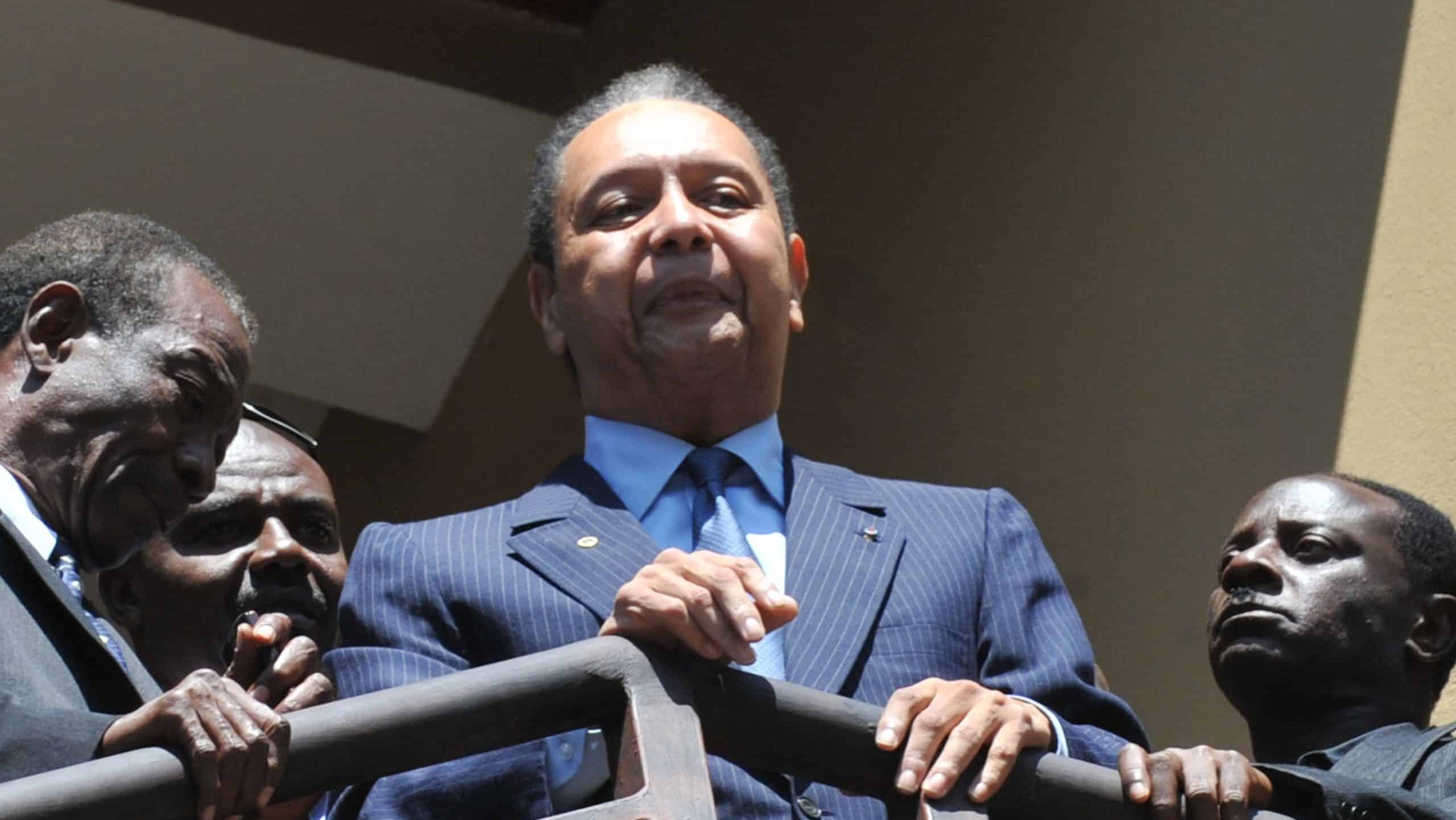
Jean-Claude ‘Baby Doc’ Duvalier took over as Haiti’s dictator at age 19. It didn’t take long for him to start living it up. Yes, the rest of the country was in poverty, but Duvalier stole over $120 million from public funds to support his lifestyle. His 1980 wedding cost about $3 million.
$100,000 of that was spent on fireworks alone. Most Haitians were dealing with serious economic issues, but Duvalier was focused on buying sports cars and yachts instead. It really doesn’t get much greedier than that.
Millions labeled as something else
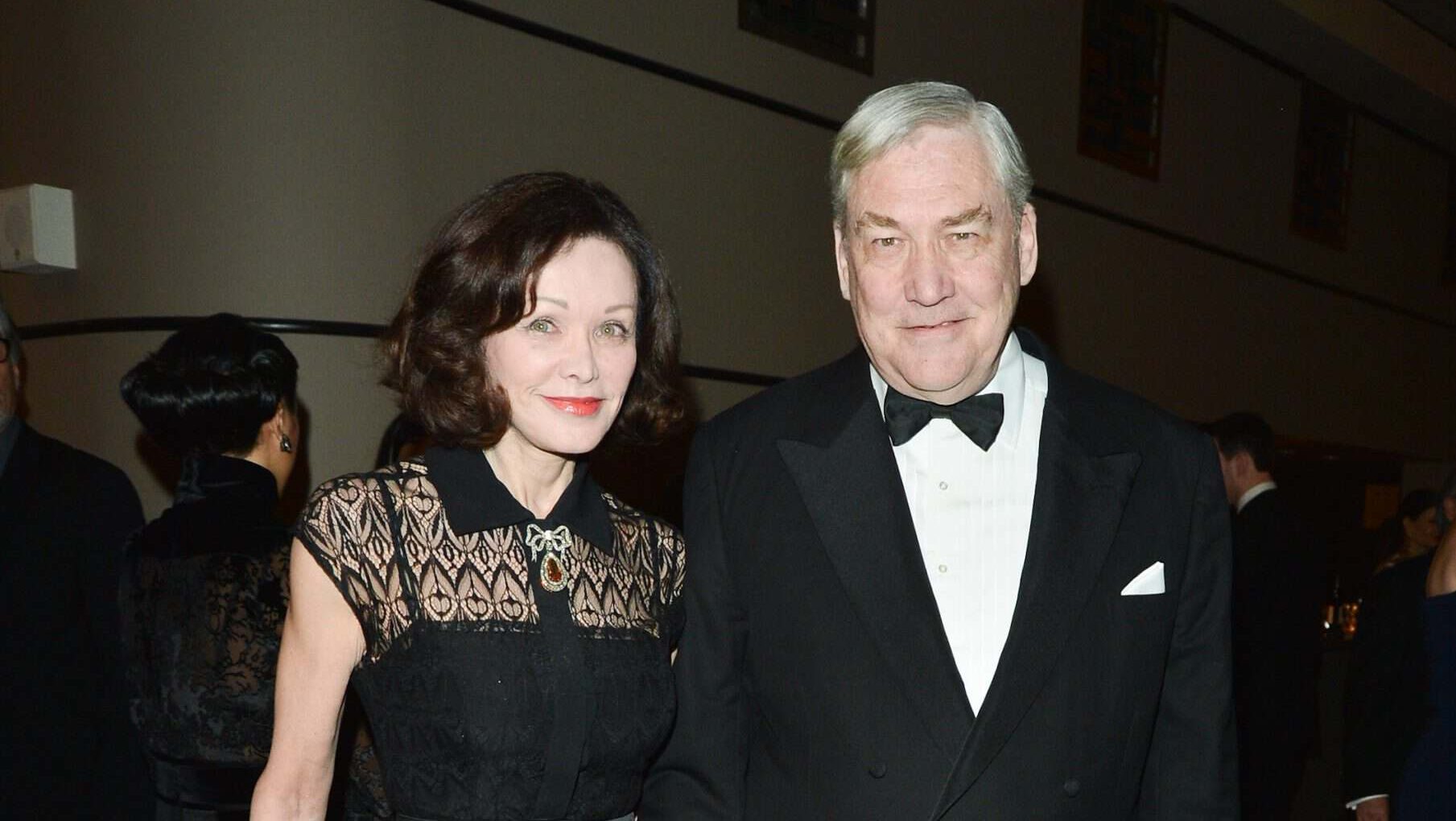
Conrad Black was another man who managed to build a huge company for himself. This time, it was a newspaper empire called Hollinger International. He used it to serve himself. Black, along with others, diverted about $85 million from Hollinger through non-compete payments connected to newspaper sales.
These payments went to insiders like Black, and regulators said the shareholders were never properly informed about what was going on. Black was eventually sentenced to 42 months in prison and ordered to pay a fine of $125,000.
Even the ransom came with interest
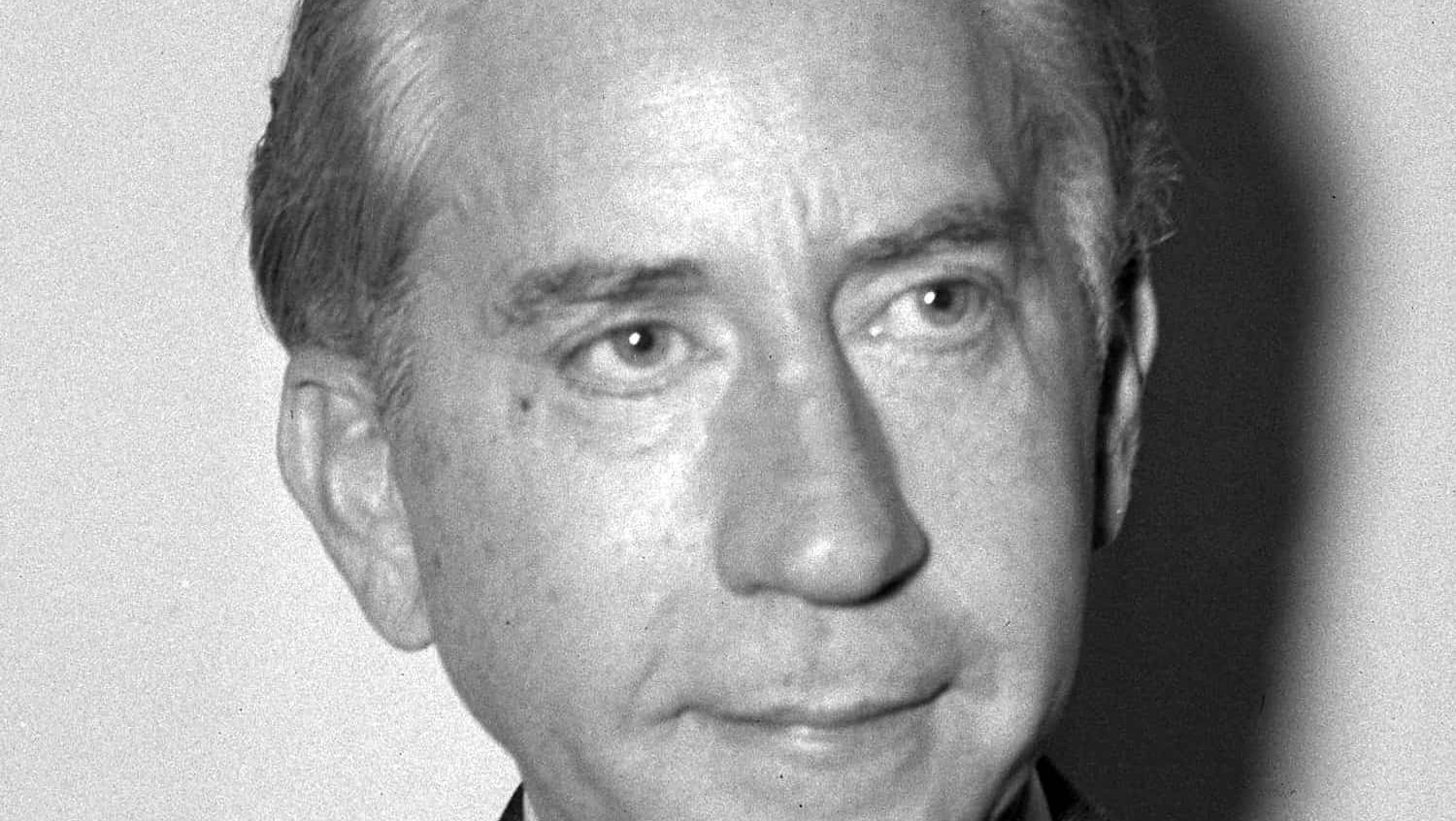
Industrialist J. Paul Getty was famously rich, and he was infamously unwilling to part with his money. Just look at what happened in 1973. His grandson was kidnapped in Italy, and the kidnappers demanded a ransom of $17 million. Getty refused.
So, the kidnappers cut off the teenager’s ear, and Getty agreed to pay a lower ransom of $2.2 million. He supposedly lent his son the rest of the ransom at a 4 percent interest rate. You’ve got to be really greedy to charge interest during a kidnapping, that’s for sure.
Donations and enormous bonuses
You wouldn’t expect a religious leader to be greedy. Jim Bakker’s story says something else. The televangelist’s PTL ministry brought in huge sums from followers who had bought lifetime partnerships for stays at the Heritage USA resort. The thing was, the ministry sold way more memberships than it could realistically provide rooms for.
Bakker continued to receive huge personal payments the whole time. PTL’s finance director warned him the ministry was over $700,000 short of payroll, but no, Bakker didn’t care. He got a $390,000 bonus. He spent some of the donor money on houses, cars, and vacations.
The businesses picked up the bill
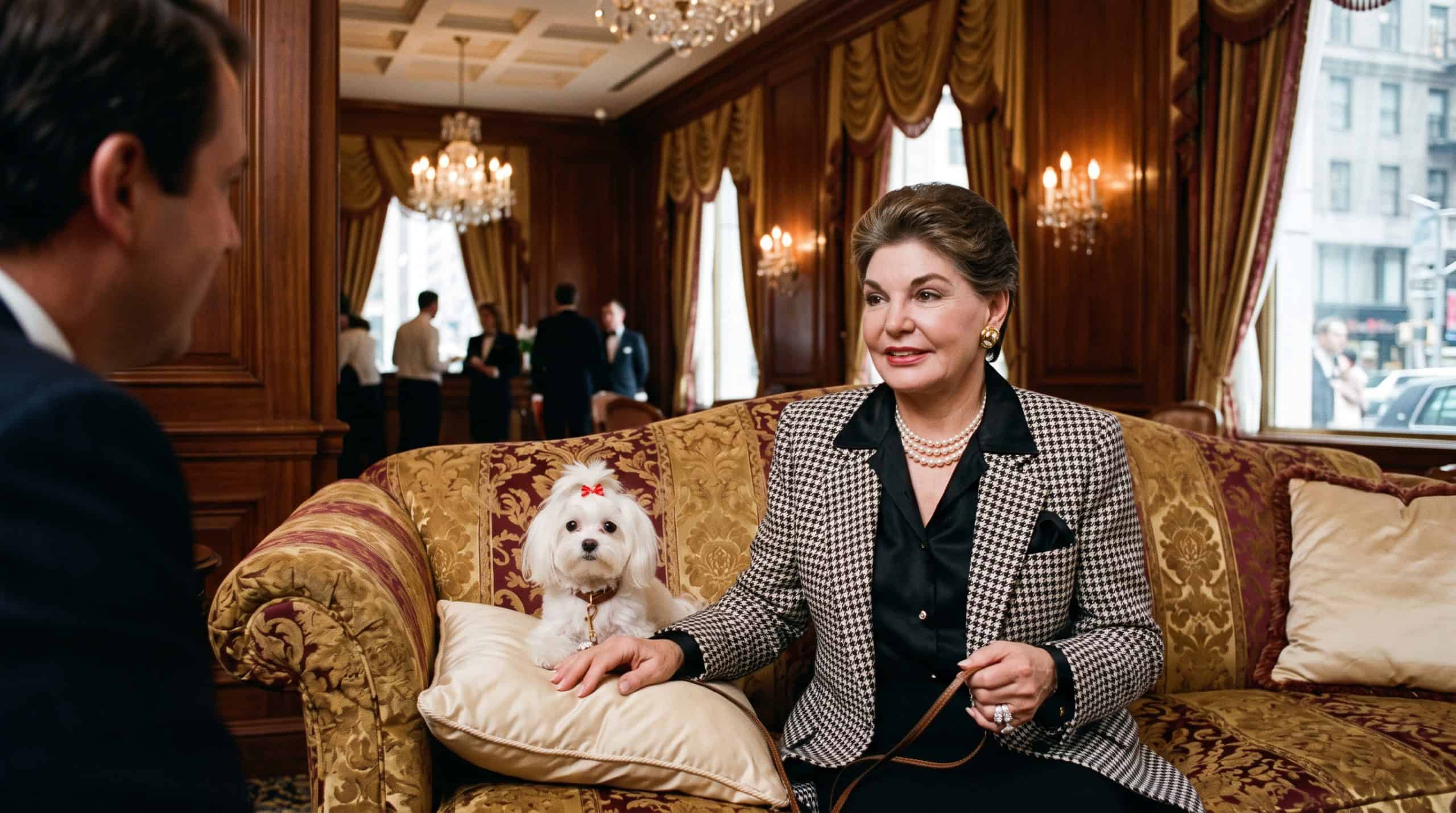
It’s not like hotel owner Leona Helmsley was strapped for cash. No, she had a lot of money, yet she still decided to push personal expenses through her businesses. These included her charging $1 million for a marble-and-limestone enclosure around a swimming pool at her estate.
She also bought a jade figurine worth around $500,000. You know, standard stuff. She was convicted in 1989 of tax evasion and mail fraud, as well as conspiracy. She wasn’t short of money, but she still chose to evade over $1 million in federal taxes.
A country full of private interests
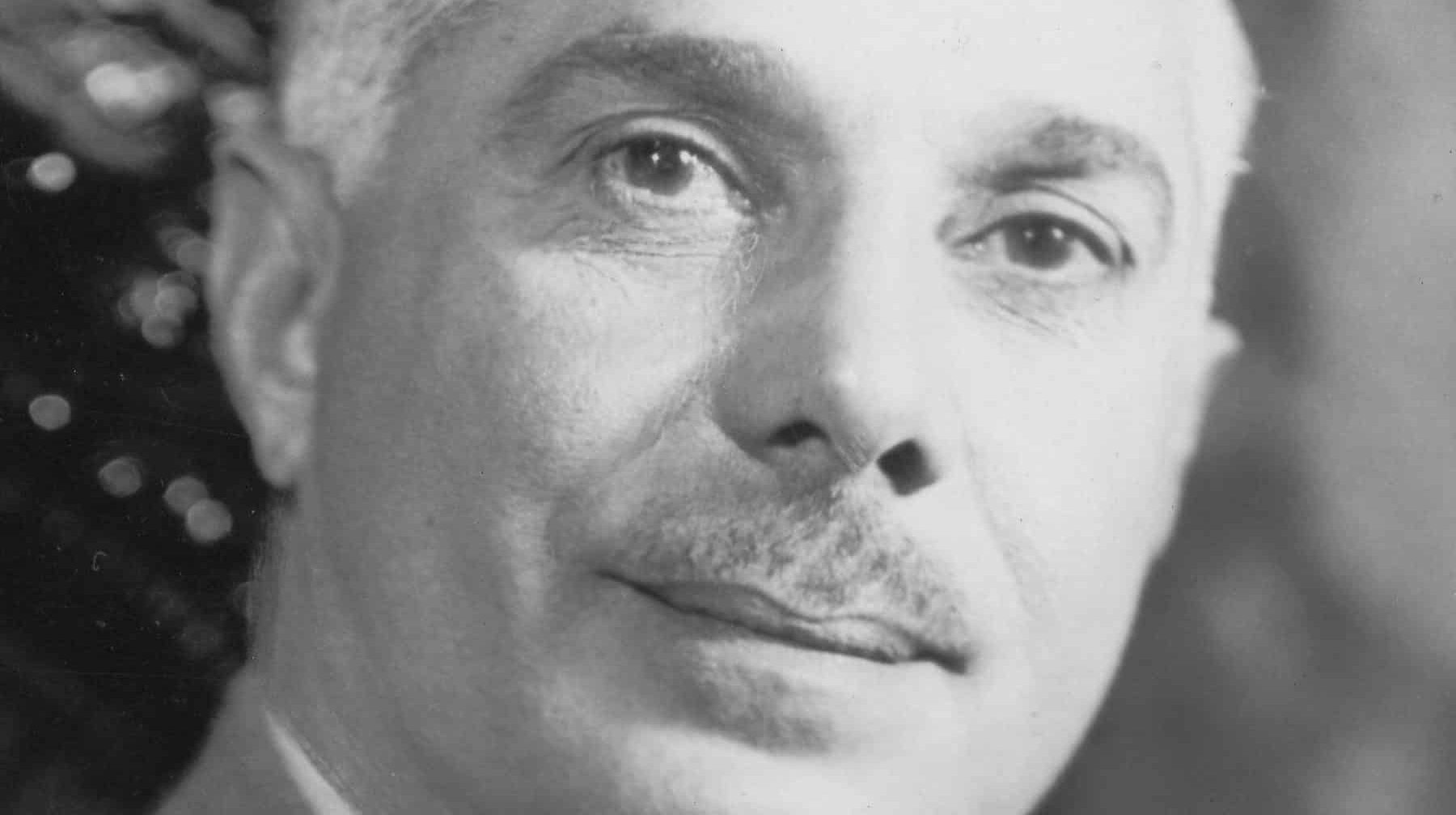
Rafael Trujillo was the Dominican Republic’s ruler for decades. He used that time to build up a huge collection of private business interests. He had holdings across major parts of the Dominican economy, including sugar, and he kept pushing for measures that would benefit him.
For Trujillo, it seems that wealth and political power were basically the same thing. He had a personal fortune of $800 million by 1960. He used every cent of it to support himself and his family, rather than helping his country.
Palaces packed with possessions
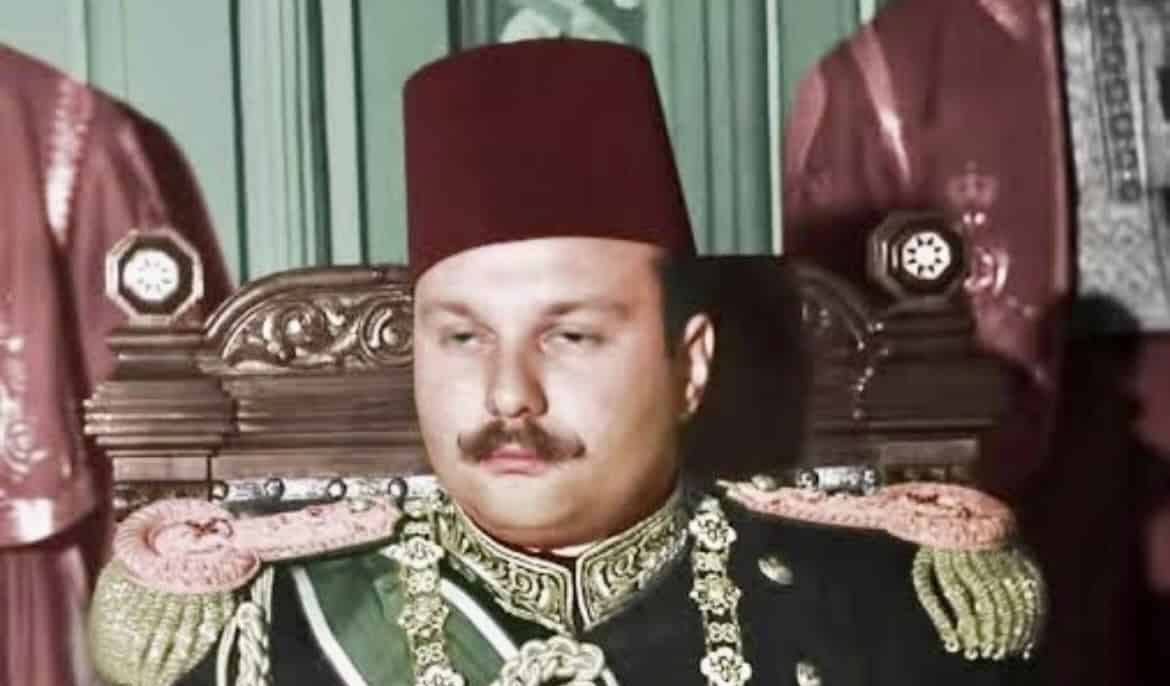
King Farouk of Egypt was overthrown in 1952, and that was when the extent of his greed came to light. Officials found palaces filled with stamps and coins, as well as jewels and antiques. He also had plenty of expensive oddities, such as diamond-covered telescopes.
He had a 100-blade knife and a rare 1933 U.S. double eagle coin that was worth millions. It seems like Farouk wasn’t a guy interested in restraint, and he just kept getting more. His greed was a lot, even for a member of royalty.
From $17.50 to $750
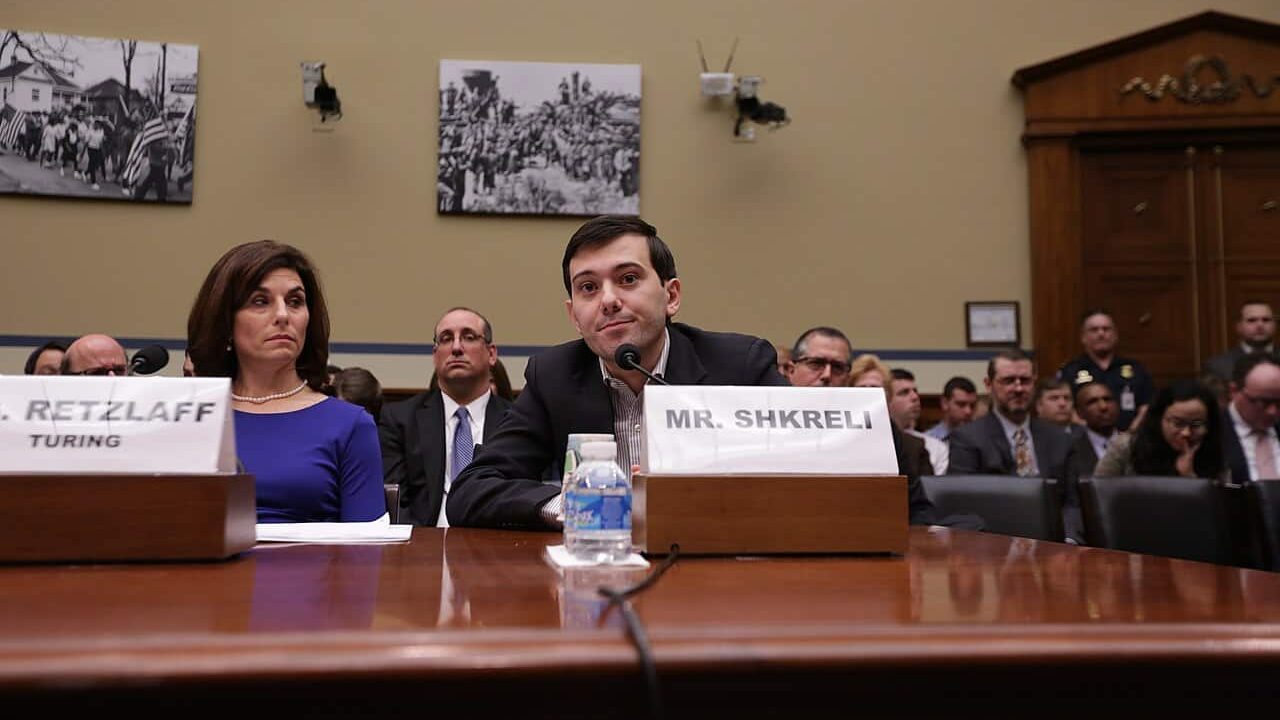
One of the most recent cases of greed involves businessman Martin Shkreli. His company bought the rights to the drug Daraprim, which was used to treat a serious disease called toxoplasmosis. Then they jacked up the price by 4,000%.
The price went from $17.50 to $750 per tablet, and even federal regulators got involved in the case. They accused Shkreli and his company of blocking cheaper generic competition to protect those profits. He was later ordered to repay $64.6 million and banned for life from the pharmaceutical industry.
Buying until the money ran short
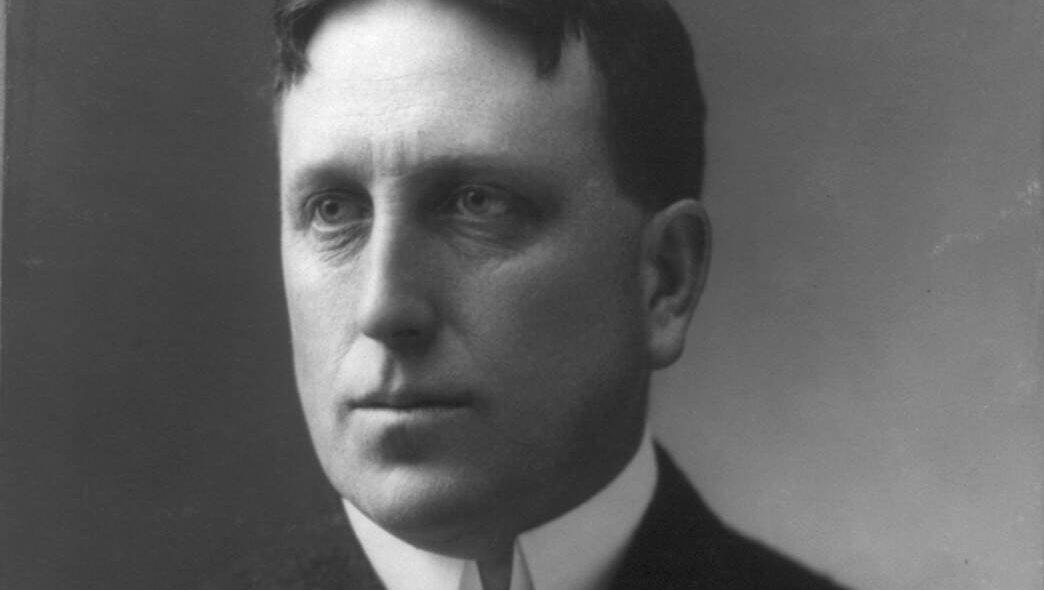
William Randolph Hearst wasn’t the kind of guy who believed in limits. He spent over $1 million alone on art, and his spending became so heavy that he actually made up around a quarter of the international market for certain collectibles.
He had paintings and statues, as well as furniture piling up across his homes and warehouses. It seemed like he just couldn’t get enough, until his finances gave out. By 1937, the publisher’s finances were in such bad shape that he had to begin selling things off.
The million-dollar anniversary ring
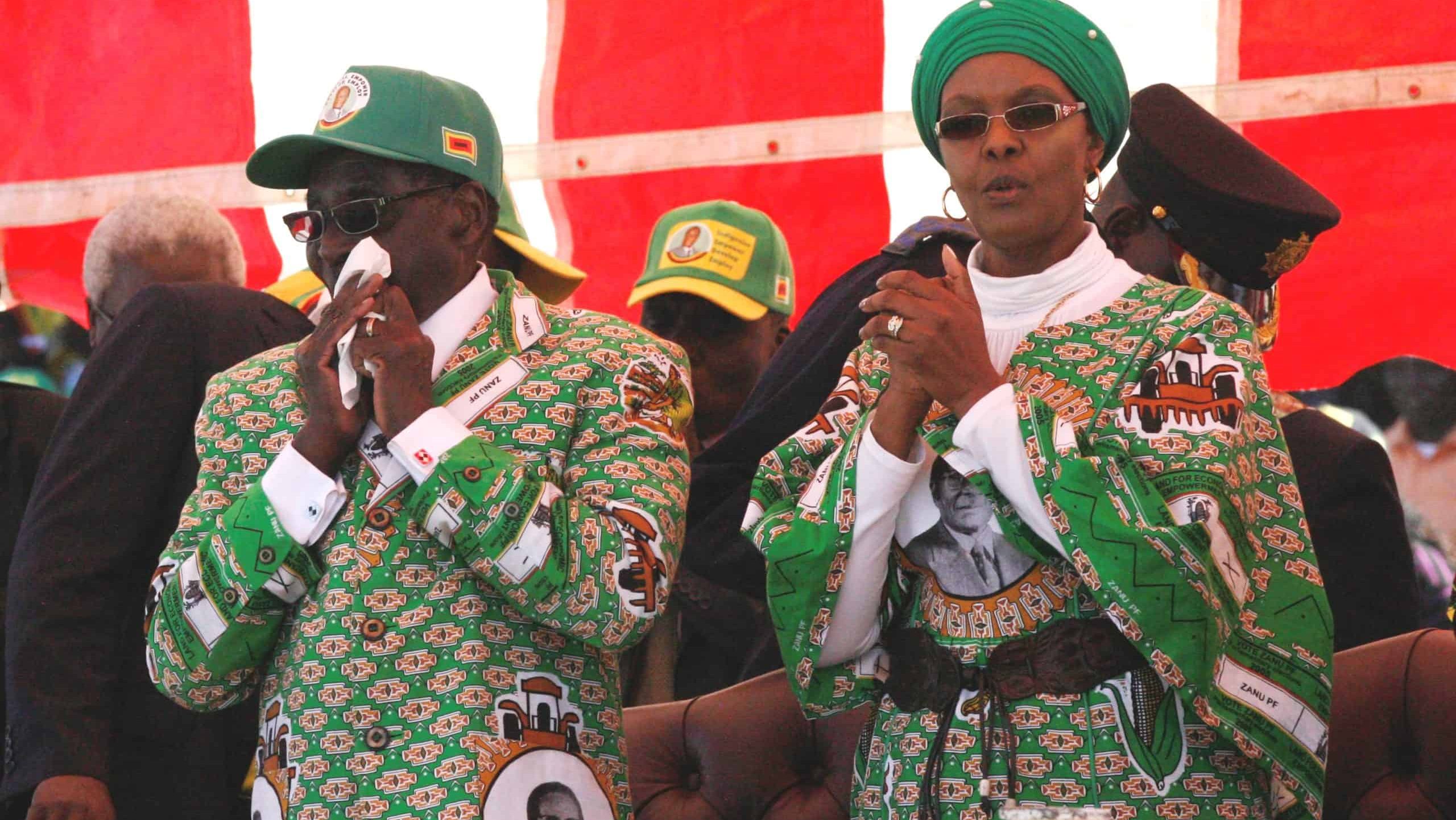
There’s no denying that a 100-carat diamond ring is far from being a small anniversary present. Still, that’s what former Zimbabwean first lady Grace Mugabe ordered in 2017. It was worth about $1.35 million. Grace actually earned the name ‘Gucci Grace’ because of her spending habits, so it clearly wasn’t a one-off for her.
This was a woman who really liked money and wasn’t ashamed of it. She also bought several expensive properties in South Africa and also allegedly owned around 14 farms. These covered around 16,000 hectares. Rumor has it that she had ended up with an overdraft of over $26 million because she had a love for material things that couldn’t be beat.
Sources: Please see here for a complete listing of all sources that were consulted in the preparation of this article.
