

Life has always involved a lot of problems, and the years before smartphones featured many issues that people today would never be able to deal with.
The summer heat that wouldn’t go away

Summer during the 1950s was a lot harder than it is today. Not because it was much hotter, but because AC just wasn’t as common as it is today. The 1960 US Census found that only 12% of American homes had air conditioning. The rest of them had to cope with the heat.
It was totally normal to open every window and turn on the fans, while also hoping for a decent breeze. Some families would move their beds downstairs at night or sleep on screened porches. However, today, we’ll complain when our AC stops working for an afternoon. An entire summer without one seems unimaginable.
The freezer that needed a complete cleanout
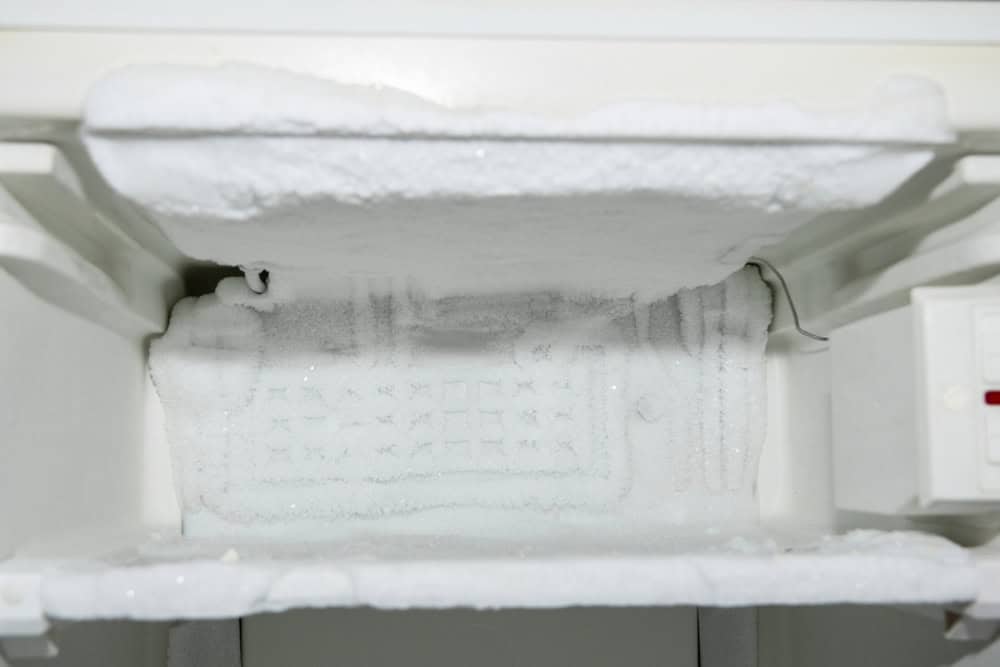
Anyone who grew up during the 1960s or 1970s probably remembers seeing giant chunks of ice build up inside the freezer. A lot of older freezers didn’t have automatic defrosting features. So, you had to defrost them yourself, and it wasn’t a quick job.
You started by taking all the food out. Then, you’d unplug the fridge and wait for the ice to melt, which often meant the floor would get pretty wet. You could speed up the process with hot water, although that made the cleanup even messier. It was a lot of work.
The shopping trip that had to wait until Monday
If you ran out of something on a Sunday, that was it. Many American communities had blue laws during the 1950s and 1960s, so certain businesses were legally prohibited from opening on Sundays. It wasn’t just grocery stores, either.
No, depending on the state, clothing stores and hardware stores could be completely closed, too. It didn’t matter that you might’ve had the money. Today, most states don’t have blue laws anymore, and the idea of not being able to buy something on a Sunday seems unbearable.
The bus that left you stranded
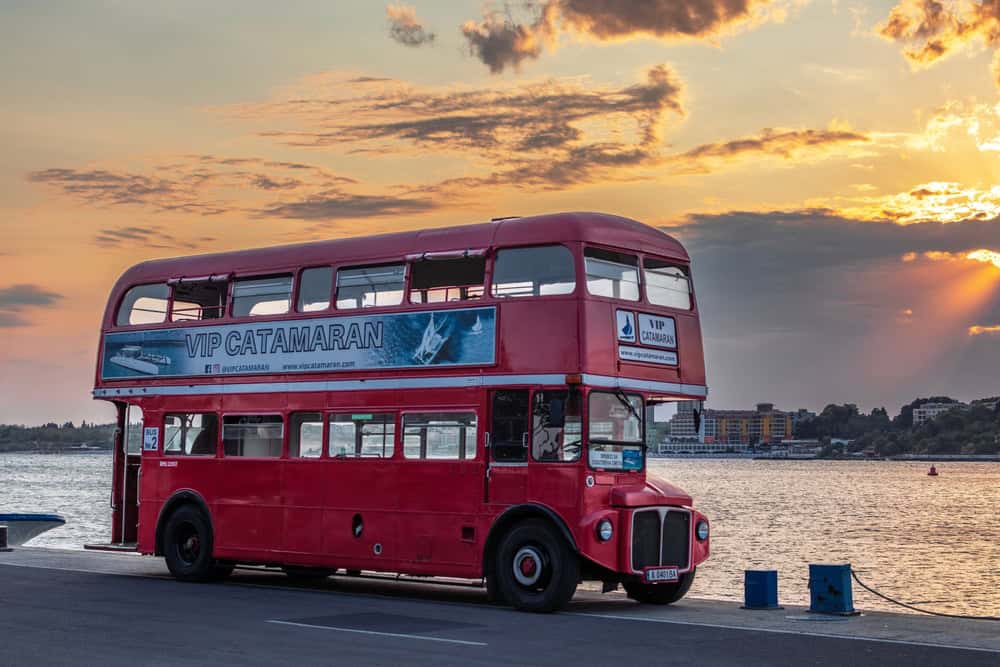
Mobile phones were a very rare sight during the 1980s and 1990s, meaning you were pretty much stranded if you missed the last bus home. There was no app to call a ride, and no one to message for help.
People in the modern world struggle to get around without Uber when they’re lost. But in the past, you couldn’t just order a car. You had to make your way back home on foot, which could be a pretty long walk.
The money you couldn’t get until Monday

You could have $500 in your checking account but be unable to get your hands on $20. That’s how things were before ATMs became common, and it was especially bad on weekends.
Many of them weren’t open at all on weekends, meaning you’d have to wait for the bank to reopen to access your own money. It sounds ridiculous, but that was just how it worked.
The game that forgot everything
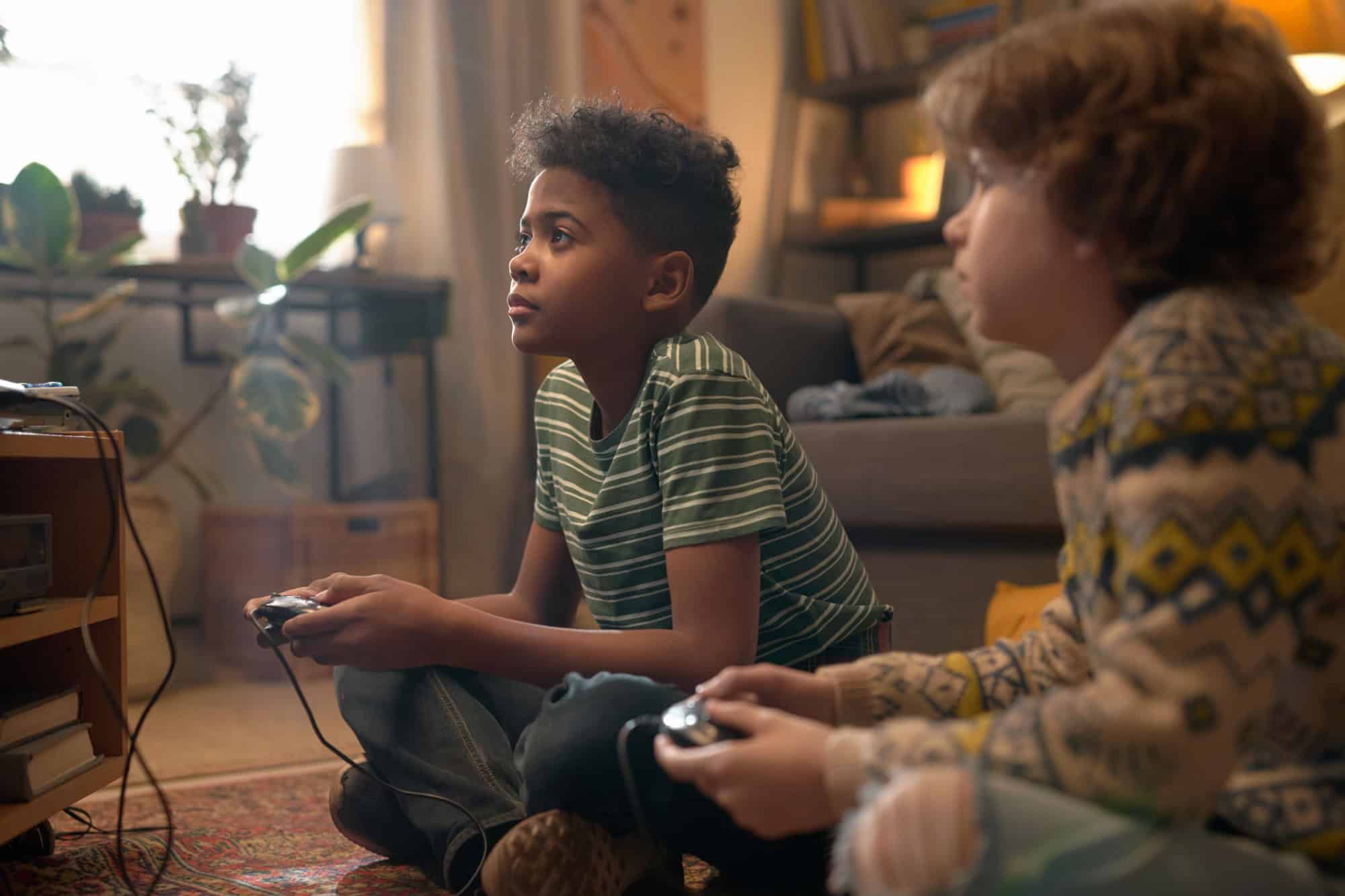
There were some problems that, while they weren’t the end of the world, still weren’t fun. One of those was video games that didn’t have a save feature. If you turned the power off, your progress was gone for good.
No autosave, and no restoring what you’d done before. Your progress was all gone. There were some games where you had to start over from the beginning, and if you wanted to finish, you had to play the game for hours without stopping.
The plans nobody could change

When you agreed to meet your friends at the mall at 2 p.m., you had to be there at that exact time. You had to be there, because there was no way to let them know you’d be late, or that your plans had changed.
No, you had to simply stick to your original plan. A lot of people today would struggle to deal with that. If you wanted to be on time, you had to be.
The shopping trip that ended with nothing
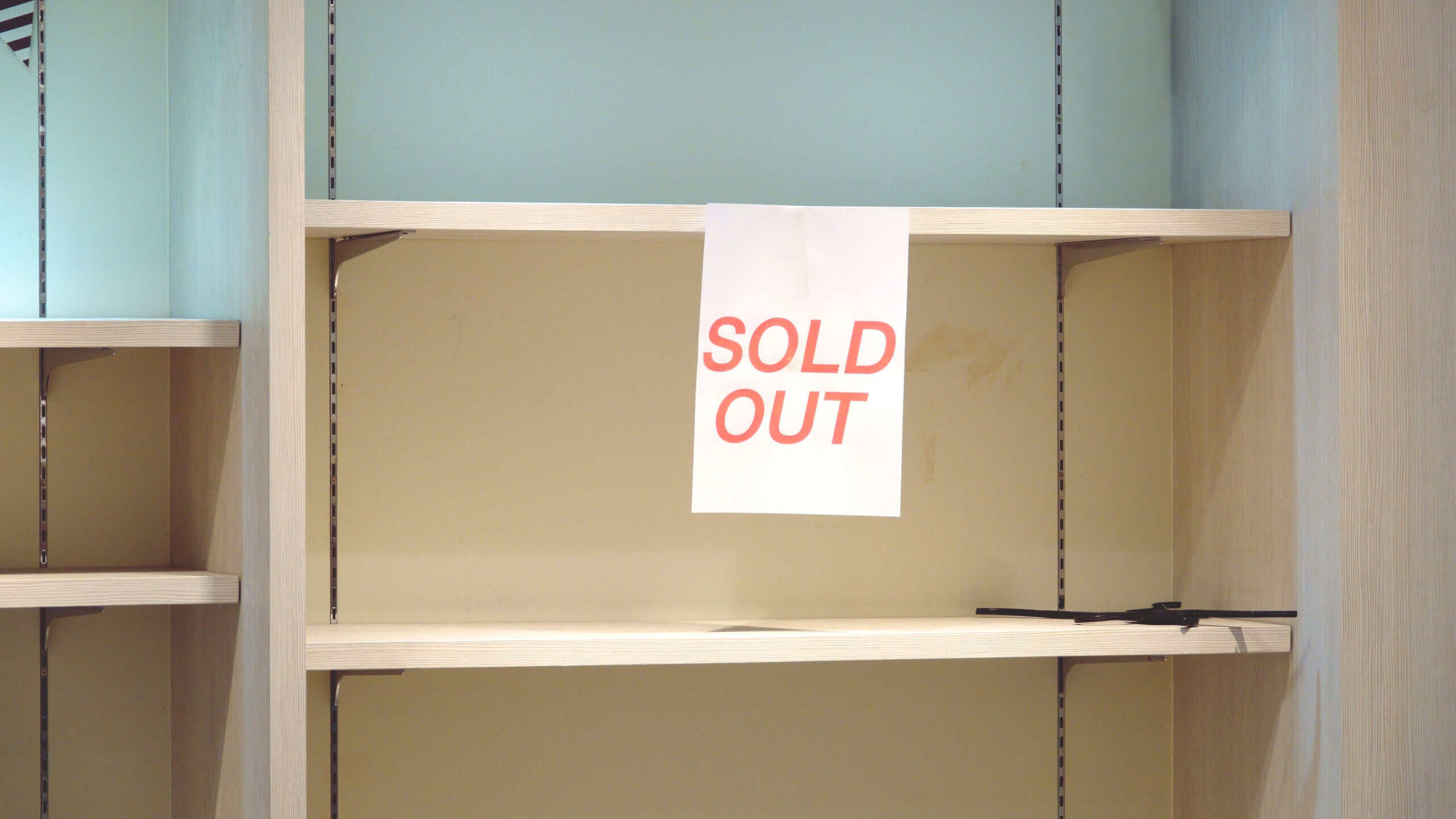
Since there were no inventory apps during the 1980s and 1990s, you only had two ways to check if a store had an item in stock: you had to go there, or you had to call. And calling didn’t guarantee you’d get someone who would actually go and check.
There was no real way to know, and you might even spend your entire Saturday driving around town for something that had sold out weeks ago. That’s a lot of wasted time, and it’s hard to imagine today.
The seat belt that moved by itself
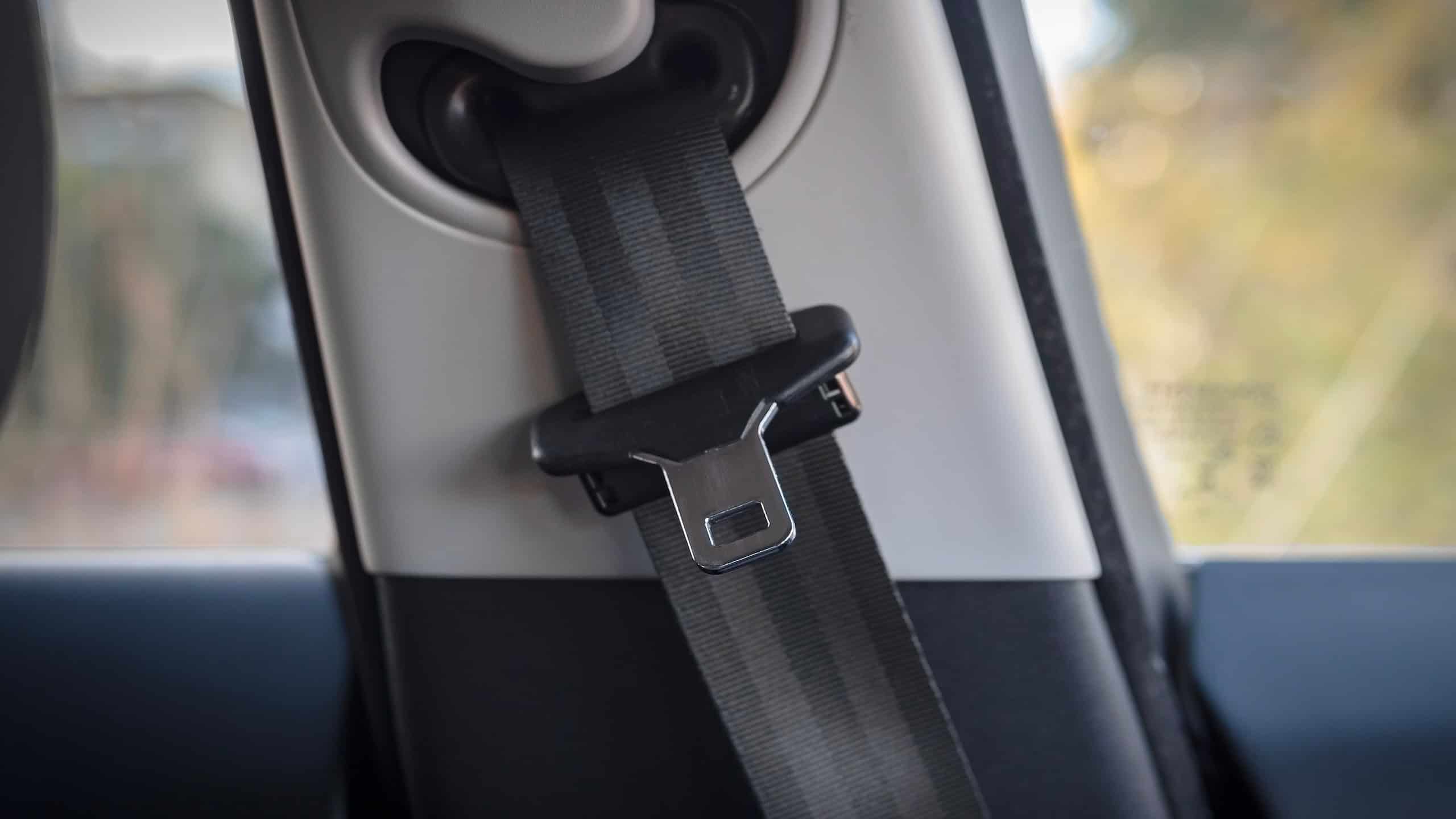
Automatic seat belts were once quite common in American cars. They weren’t as useful as they sounded, though, and many people remember them as being quite uncomfortable.
In theory, they would make wearing a seat belt easier, but in reality, the moving strap could catch you off guard, and it often felt strange. People found ways to avoid using them, and many preferred to have their seat belts the old-fashioned way.
The pager that sent you searching for a phone
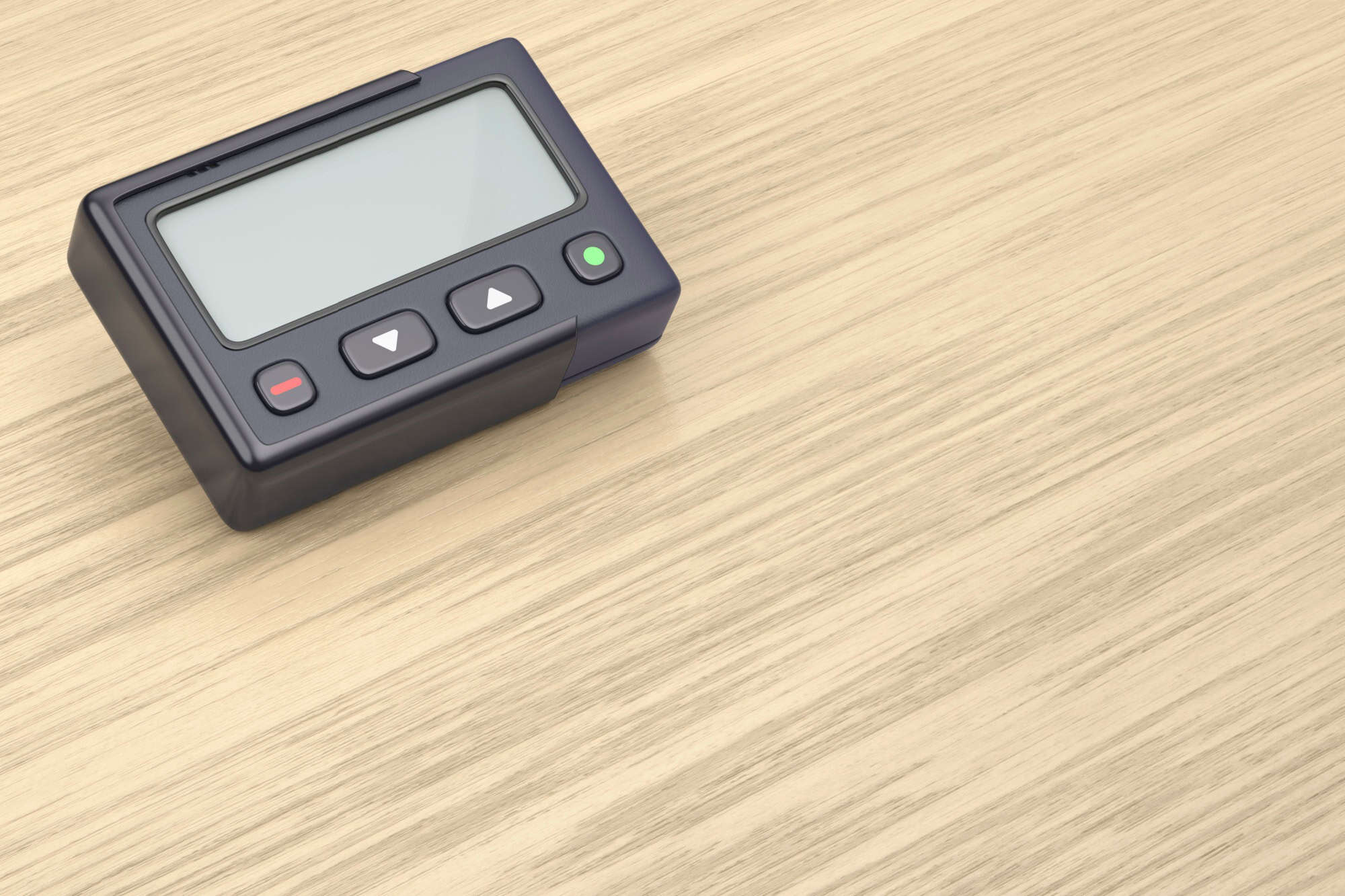
In the 1990s, half the battle of communication was getting a message on your pager. Then you had to find a payphone, and hope you had the right change to call back.
Perhaps you’d be lucky and see a payphone nearby. But even then, you had to get some change or use a calling card to get through. It was frustrating, especially if you were trying to get hold of someone quickly.
The telephone number that came with a fee

That’s not all for phone numbers. When you wanted to get someone’s number in the past, you sometimes had to pay for the information. Directory assistance charged a fee for every number you looked up.
You’d often find a small charge added to your phone bill for the trouble. Sure, you could check the phone book, but if the number wasn’t listed, you had to call for help and pay for it.
The little metal coin you couldn’t do without
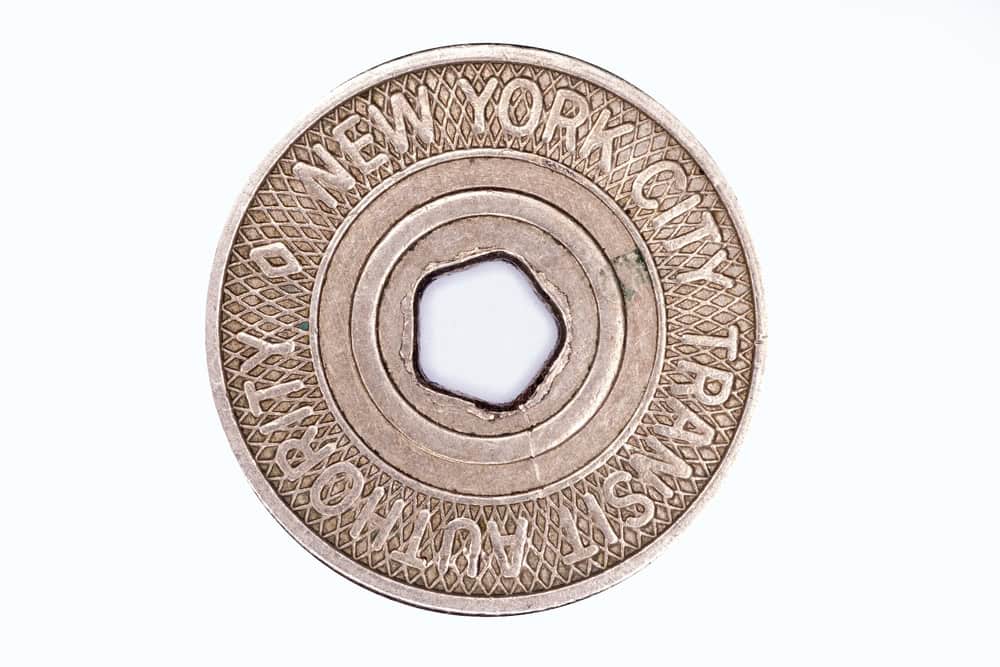
Having enough money for a subway ride in New York City didn’t always mean you could ride. That’s because you needed a token to enter.
If you didn’t already have a token, you’d have to line up at the booth to buy one before catching your train. It was one extra step in an already busy day, and no one really missed it when tokens went away.
Sources: Please see here for a complete listing of all sources that were consulted in the preparation of this article.
13 traumatic things kids can’t handle today that Gen X just dealt with

Gen Xers grew up dealing with things that, if they happened today, would lead to someone demanding to know why nobody stepped in.
13 traumatic things kids can’t handle today that Gen X just dealt with

