
The U.S. has plenty of oddball natural wonders that sound fake, until you’re standing in front of them. Yes, our country has rocks that crawl & even waterfalls that disappear underground. Here are twelve natural phenomena in America that seem impossible but are 100% real. Out of all these, which one would you want to check out first?
Featured Image Credit: Shutterstock.
Sliding stones cross a dry lake

The Racetrack Playa in Death Valley, California, is a place where giant rocks literally slide by themselves. In winter, thin sheets of ice form around the stones & when the sun melts things just enough, light winds push the ice panels. These slide the rocks across the mud. Honestly, it’s quite an impressive sight.
Glowing water lights up a bay

Try dipping your hands into Mosquito Bay in Vieques, Puerto Rico, at night. Why? Because it’ll sparkle like someone dumped glitter all over you. The glow comes from millions of tiny plankton that’ll flash when they’re disturbed, and because the bay is so calm & warm, these organisms thrive. Even throwing a pebble is enough to see their blue light.
Sunset turns a waterfall into “fire”
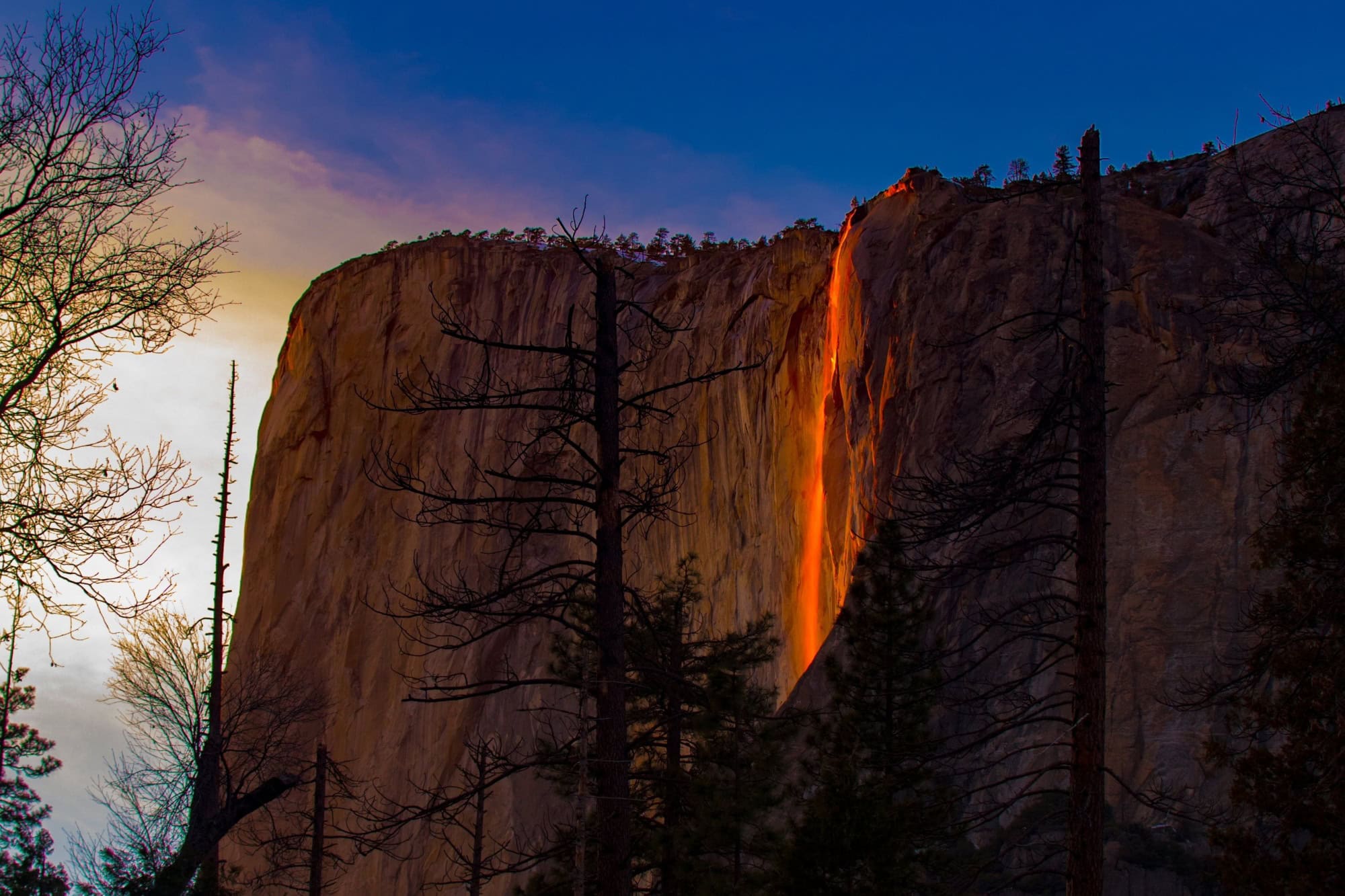
Every February, Horsetail Fall in Yosemite, California, looks like a strip of lava pouring off El Capitan. And it’s all thanks to timing. The waterfall has to be flowing & skies need to be clear for it to happen, while the sun’s angle has to line up perfectly. When this goes as planned, the cascade burns orange for just a few minutes in a way that truly looks like fire.
A waterfall’s “missing” half reappears

Devil’s Kettle in Hovland, Minnesota, is named that way for a reason. Half of the Brule River crashes into a hole in the rock and vanishes. People have tried throwing in dye & ping-pong balls to figure out where the water goes, but nothing came out. It took hydrologists checking flow levels above & below to find out the water rejoins underground a short distance downstream.
Sand dunes hum like a giant cello

Anyone visiting Nevada or California should try standing on the desert dunes because you might get to hear them. Yes, hear them. There’s a deep droning note that happens when avalanches of sand grains rub together in dry, well-sorted layers & the sound can carry for miles. It’s also oddly musical because each dune plays its own “note”.
Shoreline “ice volcanoes” erupt
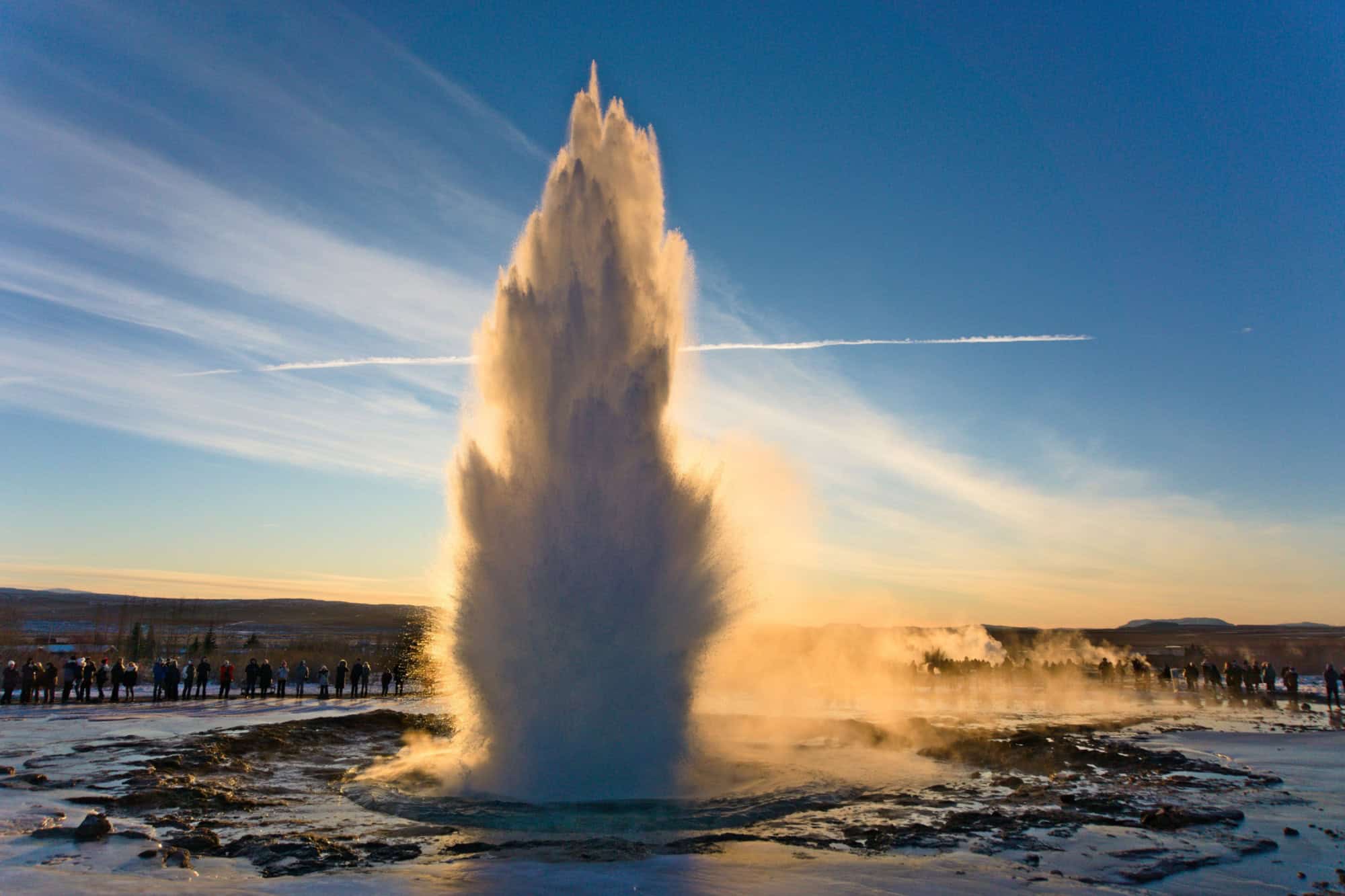
In the dead of winter, the shores of the Great Lakes grow icy cones that actually spurt water, which is because of waves pushing underneath the ice shelf. The pressure builds & then freezing water blasts out the top like a geyser. In fact, the cones can tower several feet high, although they are unstable, so you shouldn’t walk on them.
A reliable moonbow arcs across the mist
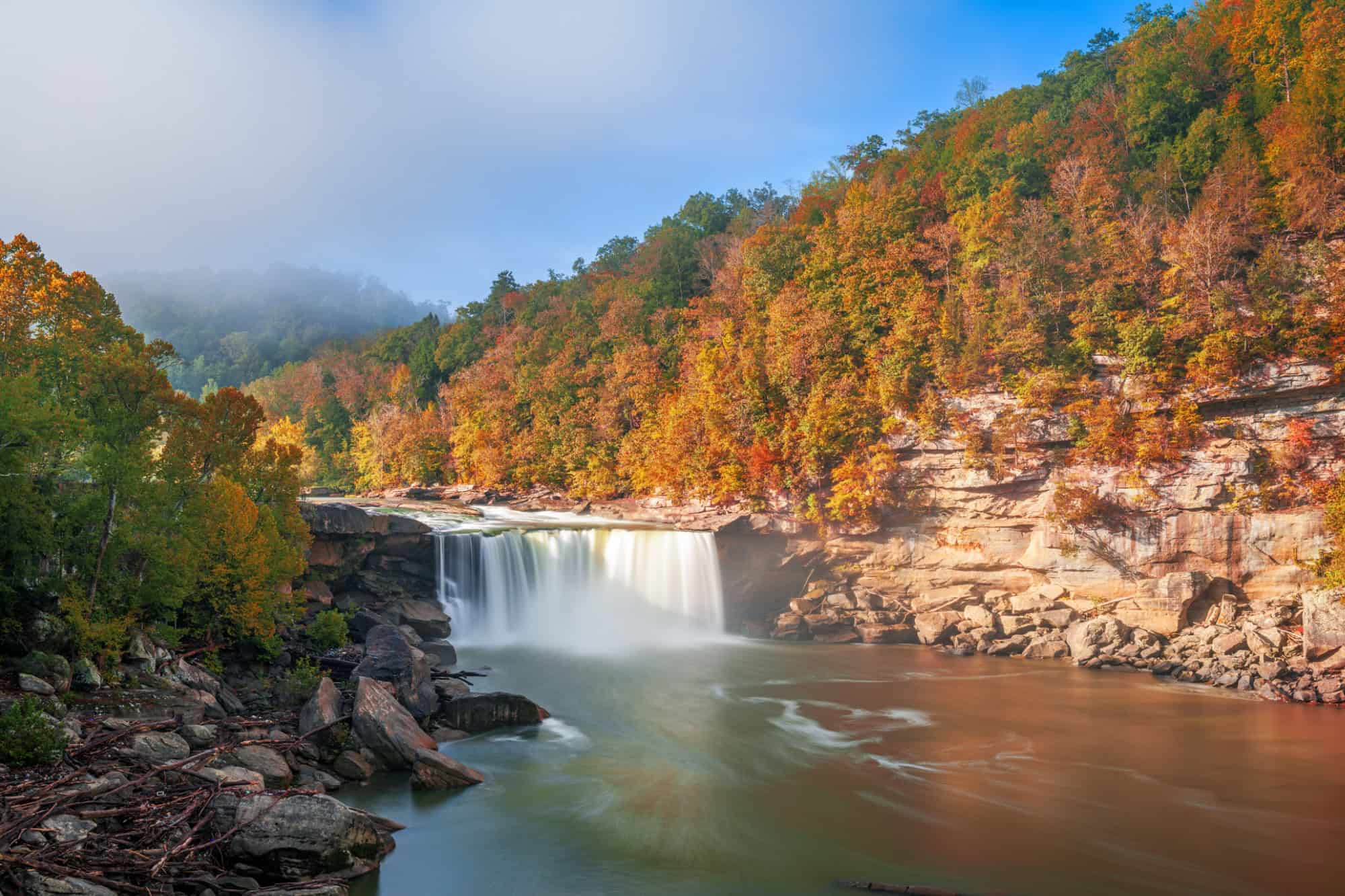
Most rainbows need sunshine. But Cumberland Falls in Corbin, Kentucky, does things differently, as it has a rainbow at night, thanks to mist from the falls bending moonlight just right. You’ll only see the arc on clear nights near a full moon. While it’s faint to the eye, it can stretch across the entire waterfall & it looks particularly unbelievable with a long camera exposure.
A tidal wall races up a fjord
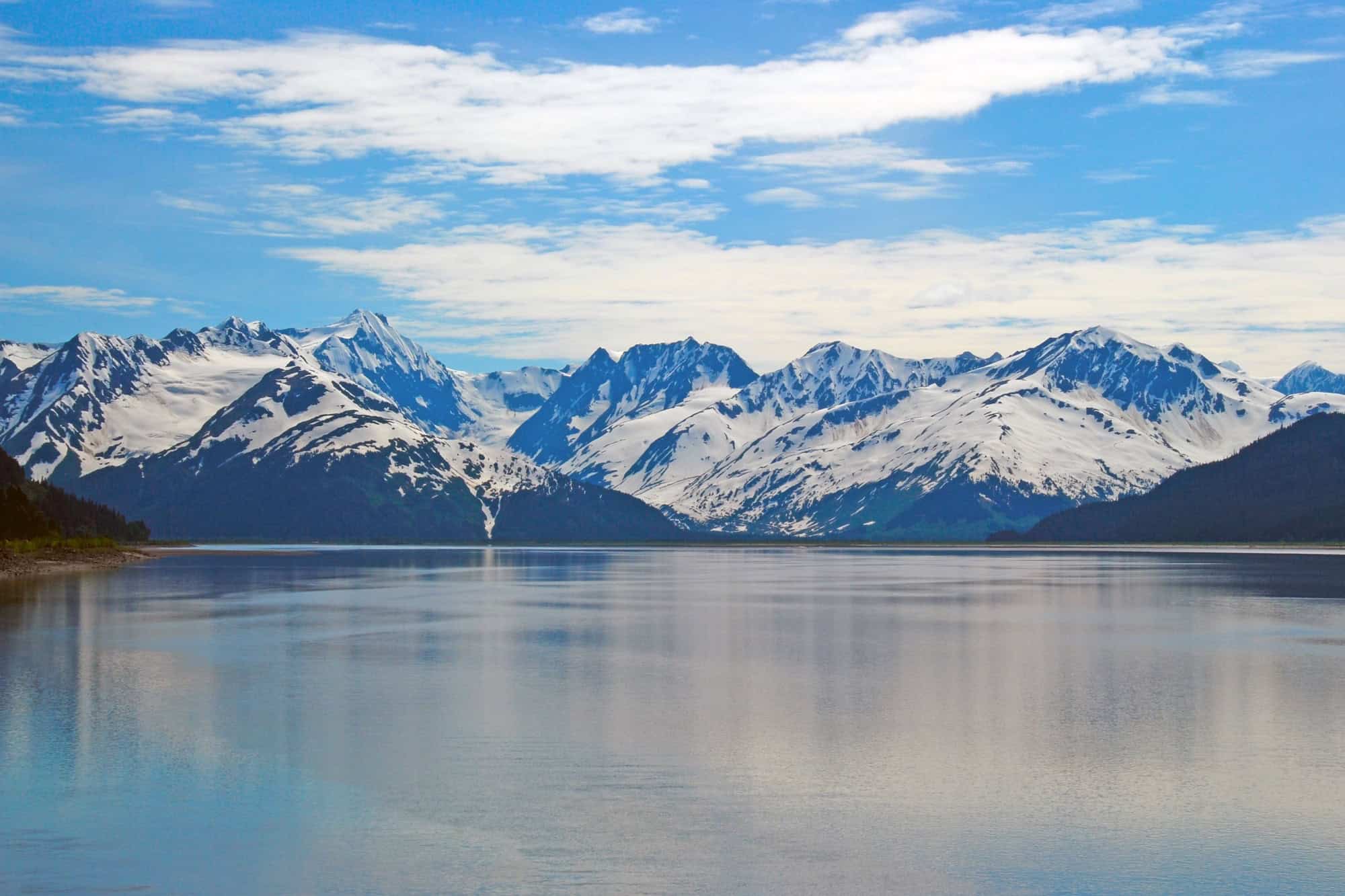
One of the greatest sights of Turnagain Arm, Alaska, is the tidal bore. Essentially, it’s a single wave that rolls against the tide, stretching from bank to bank, and then charges inland. The inlet’s funnel shape & extreme tides create a surge that can reach several feet tall. No wonder surfers try to ride it.
Thousands of fireflies flash in sync

Early summer in the Smokies gets rather strange after dark. Rather than random twinkling, thousands of fireflies suddenly stop & flash together in bursts. The species is Photinus carolinus. Bizarrely, the synchronized light show is part of their mating routine, and it only happens in a few valleys. People travel from all over just to watch.
A lake turns pink on one side
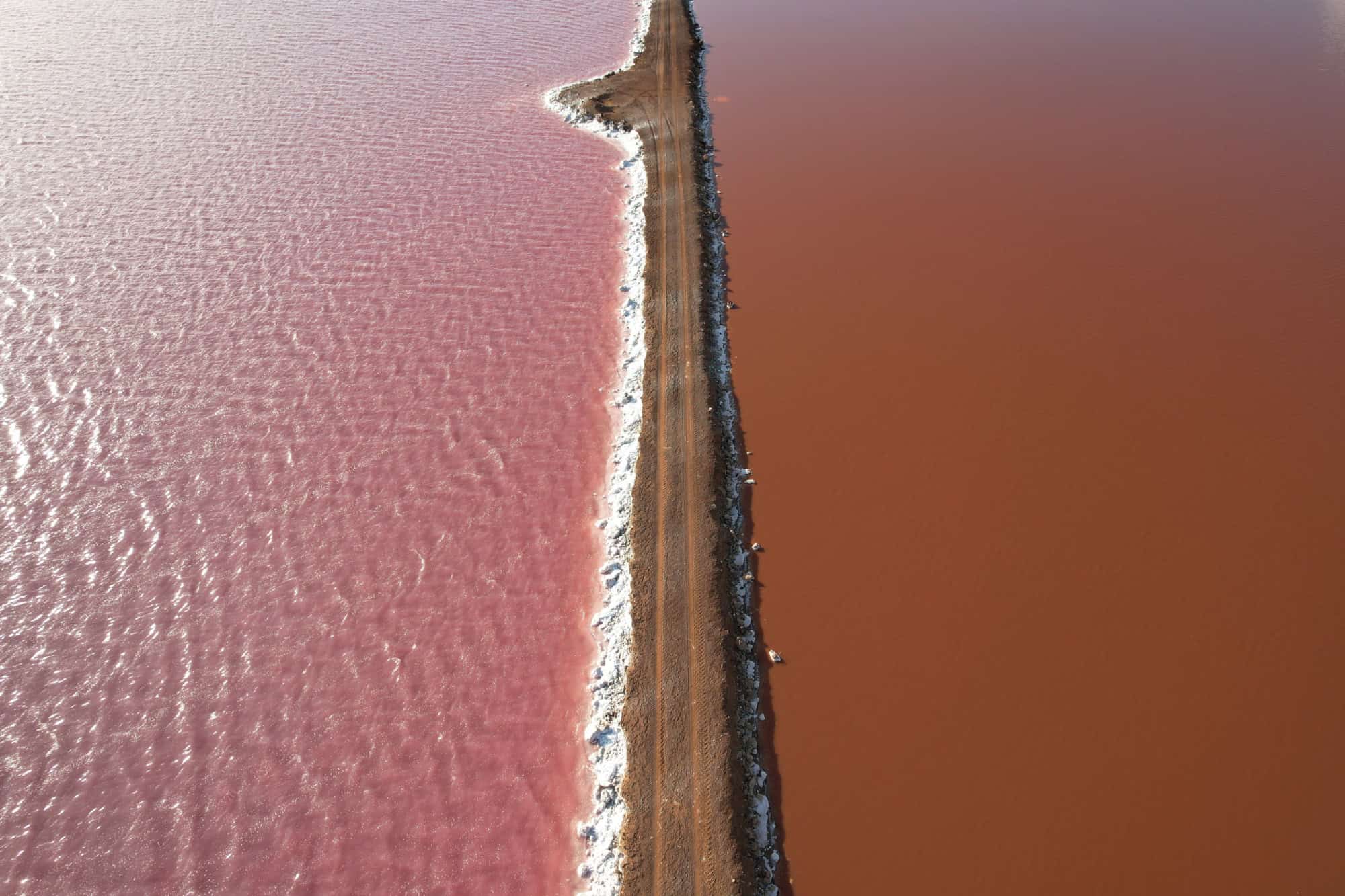
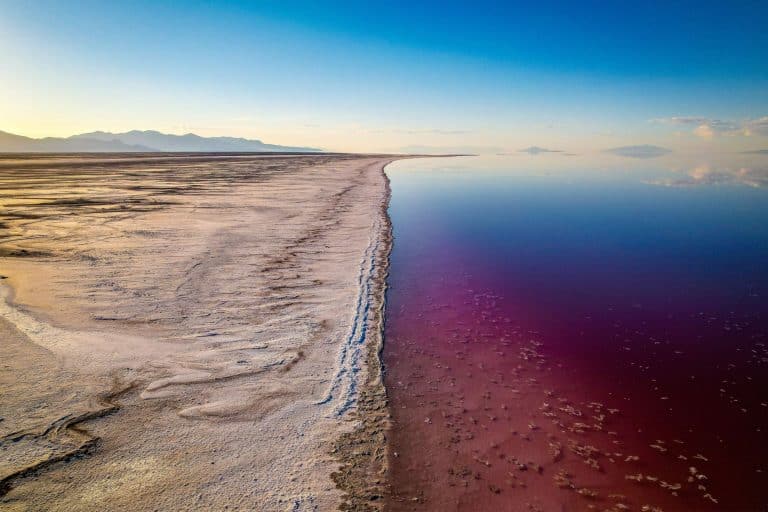
Flying over Utah’s Great Salt Lake is quite the experience, although not necessarily for the reason you might expect. The north arm looks bubblegum pink & the south arm doesn’t. It’s because of the railroad causeway that divides the saltier north side from the less salty south side. The red-pigmented microbes survive only in the north & it’s an incredible thing to see.
Boulders ring like bells
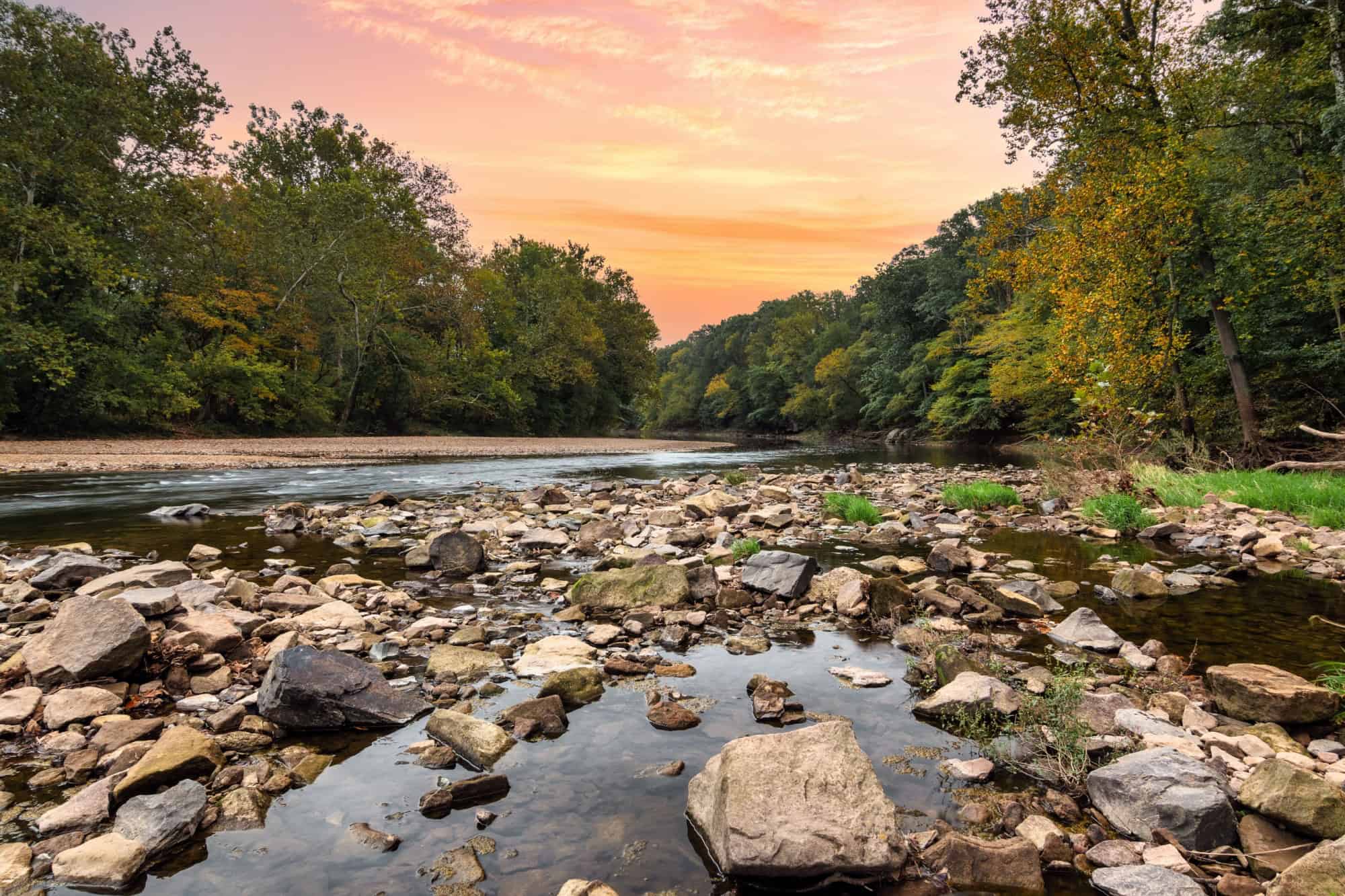
Why is the Ringing Rocks Park in Bucks County, Pennsylvania, so famous? You just need to bring a hammer along to find out. Simply tap certain boulders & they’ll make a metallic sound, which is because the rocks are dense diabase. The stress locked inside them makes them resonate like giant bells. But taking one home makes it lose its voice. How weird.
An “underwater lake” sits on the seafloor
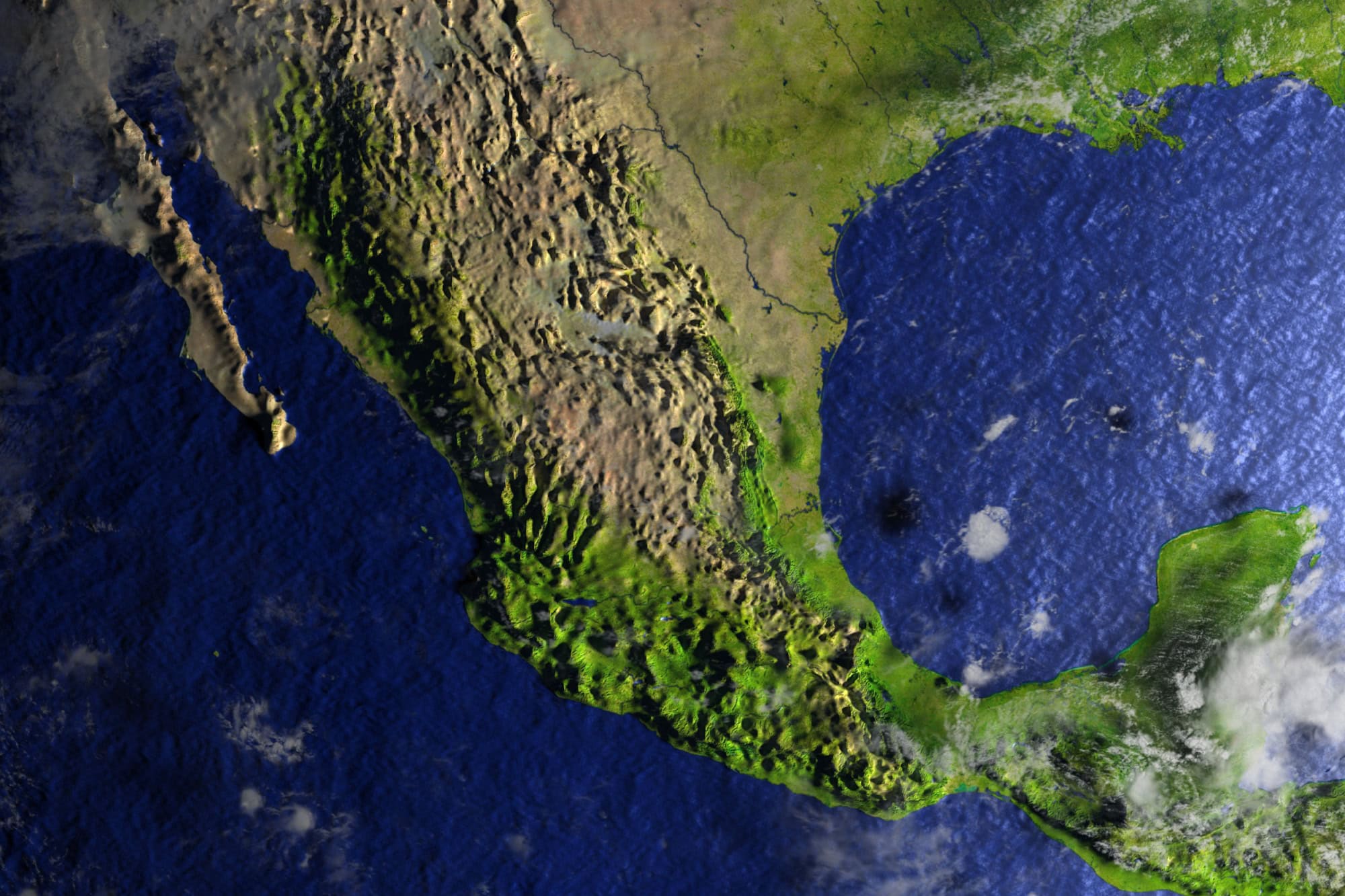
There’s a pool of brine about a mile beneath the Gulf of Mexico that looks like a lake within a sea. This is because the brine is so dense that it doesn’t mix with the seawater above & the edges even have shorelines. Any unlucky fish that wander in don’t come back out.
Sources: Please see here for a complete listing of all sources that were consulted in the preparation of this article.
Like our content? Be sure to follow us.