There are some seriously cool Native-owned businesses out there right now. Rather than just selling stuff, they’re completely changing industries & reviving traditions. And it’s in ways you probably didn’t expect. Here are twelve Native American-owned brands that are making an impact now. Which of these do you want to buy from?
Featured Image Credit: Shutterstock.
Eighth Generation reclaims Native-designed blankets
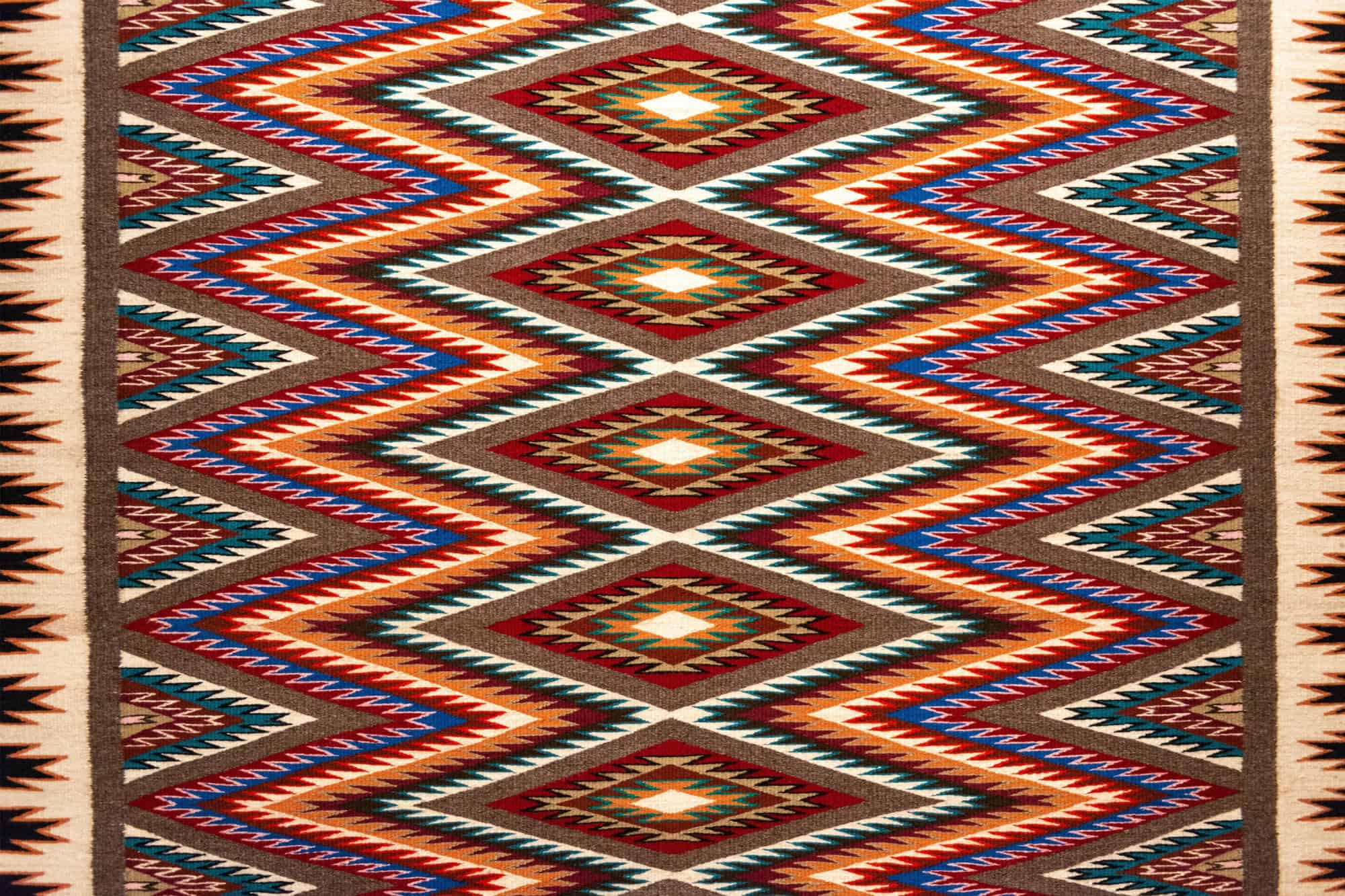
Anyone living in Seattle should try walking into Eighth Generation. You’ll find shelves stacked with wool blankets that look nothing like the mass-produced knockoffs you see online. The Snoqualmie Tribe now owns this company. Every design comes from Native artists & the Inspired Natives Project makes sure they’re paid fairly for their work.
Bedré Fine Chocolate grows a tribal enterprise

The Chickasaw Nation saved Bedré. But they also did so much more than that. They took an old candy maker & rebuilt it into a full-blown chocolate factory, based in Davis, Oklahoma. The company now sells bars and meltaways. It even sells chocolate-covered potato chips, with Bedré products in shops across the country.
B.Yellowtail builds a collective for Indigenous makers
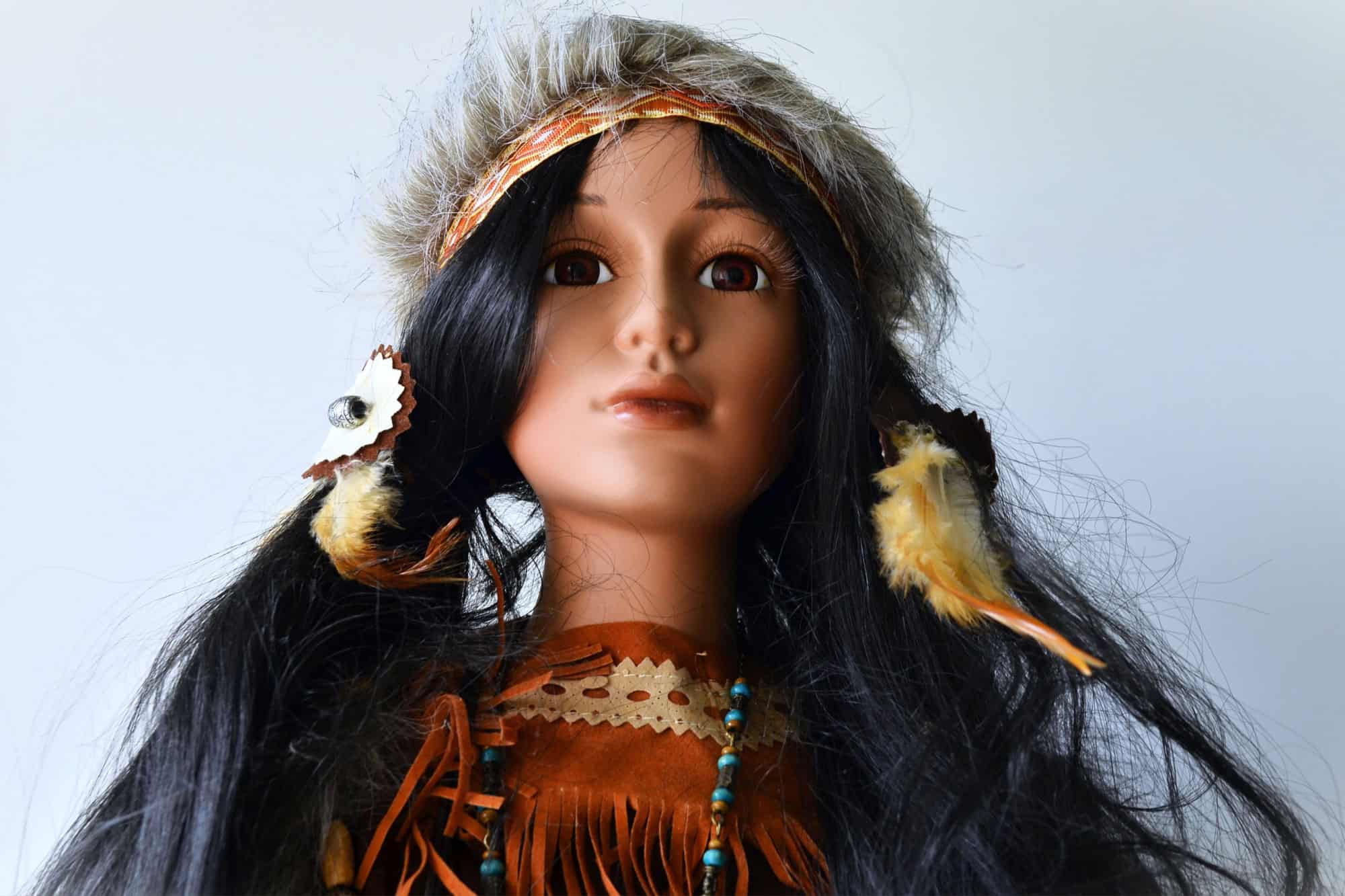
Fashion designer Bethany Yellowtail launched the B.Yellowtail Collective. This way, Native makers could sell their work on her platform, rather than relying on outside stores. You’ll find plenty of beaded earrings & textiles on their site. It also has Yellowtail’s own bold clothing designs.
Ginew launches the first Native-owned denim label

Ginew is a Portland brand with quite a strange origin story. Founders Erik Brodt (Ojibwe) & Amanda Bruegl (Oneida, Stockbridge-Munsee) made their first belts out of leather from their wedding buffalo. They later grew Ginew into the first Native-owned denim label in America.
OXDX turns bold graphics into apparel

In 2009, Jared Yazzie (Diné) began screen-printing his art onto shirts in his garage, and he later turned this side hustle into OXDX Clothing. The company now has a workshop & storefront in Tempe, Arizona. His clothing often mixes traditional Diné imagery with modern pop culture. Best of all, every run is small-batch, so once it’s gone, it’s gone.
Prados Beauty earns a national award

Any makeup fans might’ve spotted this one in Allure. Cece Meadows (Yoeme, Apache) started Prados Beauty to make inclusive cosmetics, and her Matriarch Eyeshadow Palette with 30 shades ended up winning Allure’s Best of Beauty in 2022. But she doesn’t just sell palettes. She releases lip colors & brushes, while collaborating with Indigenous artists for the artwork.
Trickster Company brings formline art to the skies

Siblings Rico & Crystal Worl from Juneau run Trickster Company together. They sell practically everything, like skate decks & jewelry, covered in Northwest Coast designs. But Crystal’s art went much bigger in 2023. Alaska Airlines painted one of its planes with her salmon formline design. As such, it became the first American aircraft named in an Alaska Native language.
Ah-Shí Beauty opens on Navajo Nation

Not many luxury beauty brands are based on a reservation. But Ah-Shí Beauty is. The brand started in Window Rock, Arizona, and runs both an online store & a physical storefront. Their line? It includes skincare & lipsticks, as well as foundations.
Tanka Bar revives a wasna-inspired snack

A Tanka Bar is essentially buffalo mixed with cranberries. The recipe comes from traditional Lakota wasna, and Native American Natural Foods runs the brand. They sell bars & bites straight out of South Dakota. They’ve become so popular that you can order them online or find them in natural food stores. Give them a try.
Red Lake Nation Foods expands wild rice acreage
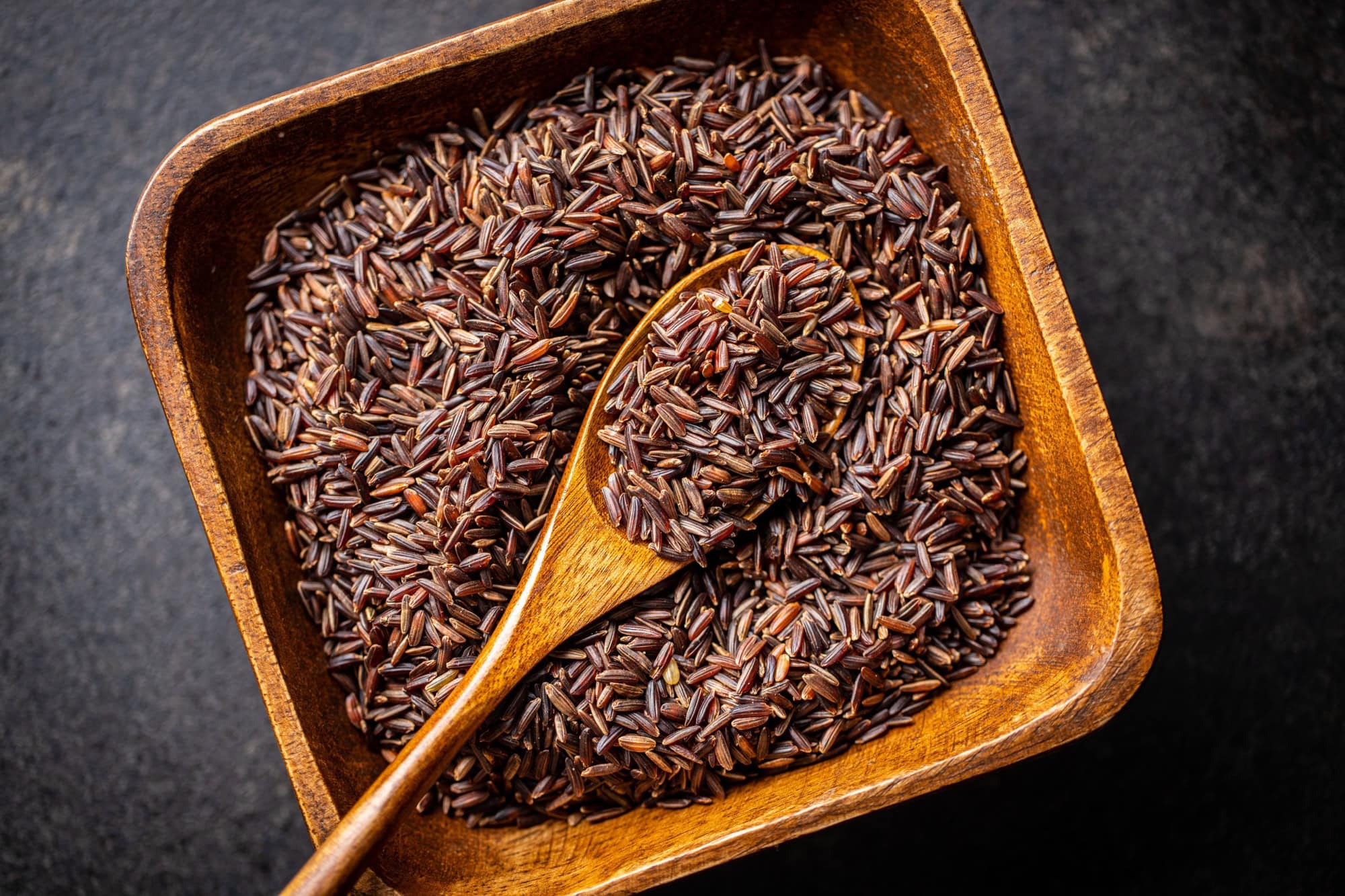
Wild rice has always been popular among the Red Lake Band of Chippewa Indians. And through Red Lake Nation Foods, they turned that heritage into a modern business selling cultivated rice & pancake mixes, along with jams & syrups. The tribe manages over 1,000 acres of rice paddies in Minnesota.
Ramona Farms keeps tepary beans on tables

Down in Arizona, Ramona Farms is keeping tepary beans alive, which are tiny beans that the Akimel O’odham have grown for centuries. Ramona Button & her family still raise them on the Gila River Reservation. Along with beans, they sell Pima wheat flour & cornmeal, which means that people outside the community can cook with traditional ingredients too.
Séka Hills bottles tribally grown olive oil
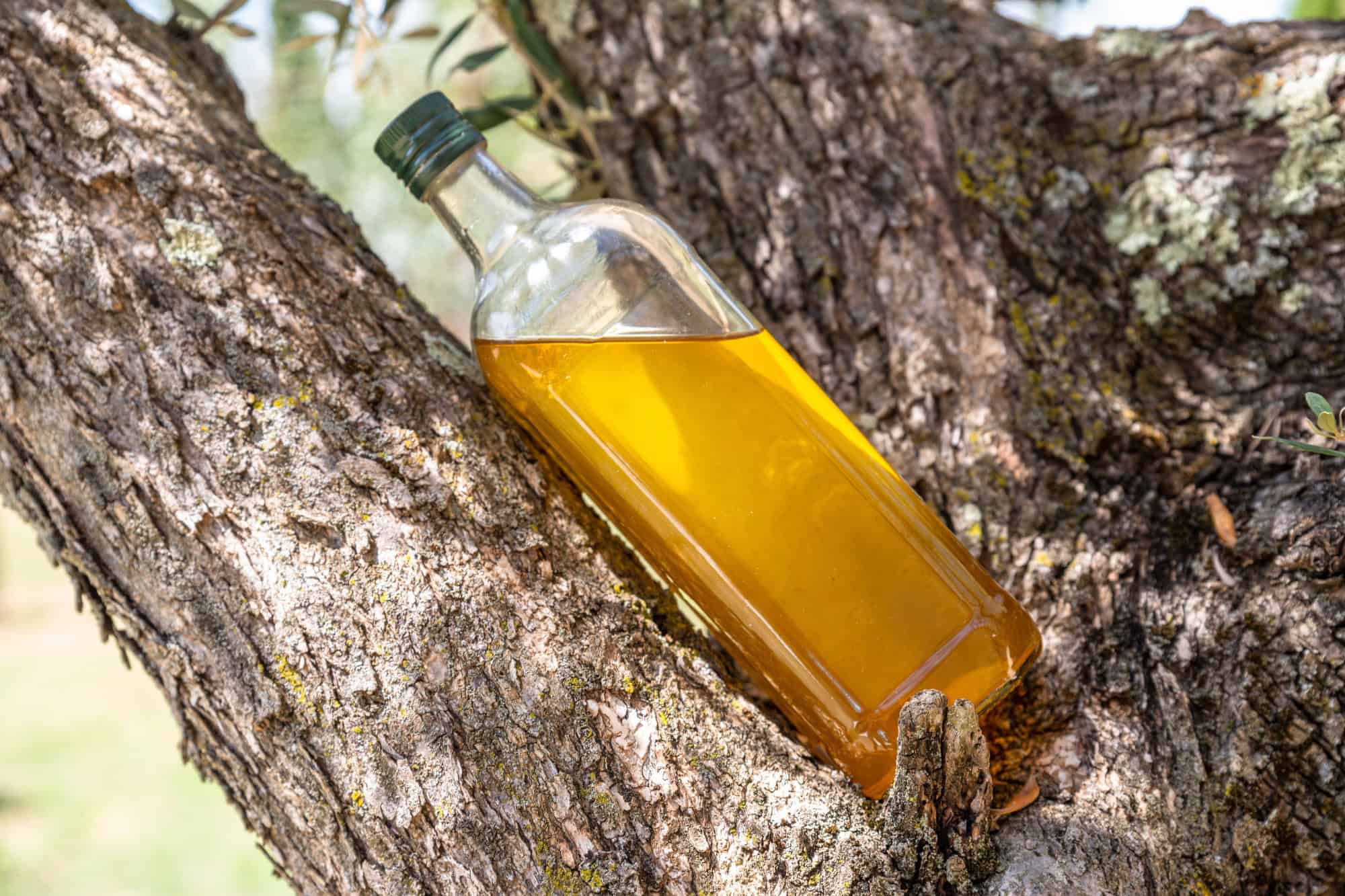
You’ll find Séka Hills, a project of the Yocha Dehe Wintun Nation, in California’s Capay Valley. They run olive groves & a mill. They produce certified extra-virgin olive oils you’ll find at specialty shops and their own tasting room, although they don’t just sell olive oil. You can also buy wine & honey that they harvest on tribally-owned land.
Like our content? Be sure to follow us.