
Bible stories aren’t always cut and dry like we learned in Sunday school. In addition to inspiring miracles, there were times when people were faced with horrific, unsolvable dilemmas. And there were times when the good guys did some really awful things by today’s standards.
God’s word pushes us to wonder if doing whatever it takes during a time of crisis is ever justified. These stories disrupt our straightforward classifications about who is righteous or sinful and who is good or evil.
Below are 12 moral dilemmas from the Bible that people still question today.
Jephthah’s vow and his daughter (Judges 11:30–39)

Jephthah was a rough warrior man who made a “business deal” with God to ensure victory in battle. He foolishly vowed that he would sacrifice whatever came out of his front door first. When he returned home victorious he was surprised to see his own daughter come running out to greet him.
The father made the heartbreaking decision to carry out his daughter’s sacrifice due to his reckless promise. Although Jephthah is listed as a hero of faith in the bible, it never states that God wanted or condoned this barbaric sacrifice.
This gruesome story warns readers about trying to use God in a transactional manner. It also teaches about religious pride. It begs the question: is it more “godly” to break a horrible vow or commit tragedy in the name of obedience?
Tamar securing justice through deception (Genesis 38)

Tamar found herself backed into a corner socially. Her husband had died and his father Judah refused to uphold his part of the law that would allow her to marry into the next generation of their family. She would essentially be left destitute.
So she disguised herself and tricked her father-in-law into sleeping with her so she could get pregnant and maintain her place in the lineage.
While she tricked Judah, the story concludes with him saying she was more righteous than him. The conflict lies between how she did it and why she did it. The story prompts readers to consider the acceptable limits of actions taken to fight injustice.
Rahab lying to protect the spies (Joshua 2)

Rahab was a woman who owned an inn located on the walls of Jericho. Two spies from Israel came to her door. When the king’s men investigated, she lied directly to their faces. She placed the spies on her roof under some stalks of flax and told the authorities that the men had already departed.
Her lie allowed the spies to live.
The Bible portrays Rahab as a woman who demonstrated strong faith. She lied and broke one of the Ten Commandments to protect two lives.
Is black and white still black and white when someone’s life is at stake? Does honesty only apply when no lives are in danger?
David eating the consecrated bread (1 Samuel 21:1–6)

David was very hungry. He was also being chased by King Saul. In his desperate search for food, he entered an old holy sanctuary. The only thing there was sacred bread known as the “Bread of the Presence.”
According to religious law, this bread was reserved exclusively for the priests. The priest understood that providing food to a starving person was more important than following ceremonial rules.
He broke tradition and gave David the bread. That’s why this story is such a turning point for biblical morality. Suddenly, it’s implied that no matter how “holy” a ritual is, it doesn’t mean much if you’re starving while performing it.
Ezra ordering foreign wives to be sent away (Ezra 9–10)

When the priest Ezra returned from exile in Babylon, he discovered Jewish men had been marrying pagan women from the neighboring countries. Ezra believed the pagan practices would cause his people to abandon their devotion to God, just as they did when they fell into exile in Babylon.
Ezra commanded all the men to divorce their wives and children and send them away. This tragic event saw countless families ripped apart for the cause of religious cleansing.
What a disgusting conflict between morality and humanity. On one hand, Ezra thought he was performing necessary surgery on the country. On the other, thousands of women were cast aside, along with their children.
Hosea told to marry an unfaithful woman (Hosea 1–3)

God instructed Hosea to wed a woman who was destined to commit adultery against him. After she leaves Hosea to live with other men and has a depressing life, God commands him to seek her out, buy her freedom, and take her back as his wife.
Hosea’s marriage was supposed to serve as a physical representation of how God felt about Israel’s adultery with other gods. While it’s a wonderful demonstration of God’s love and forgiveness, it’s very unsettling.
It makes you wonder how far someone should go in sacrificing their self-worth and mental well-being for the sake of doing God’s work.
Uzzah touching the ark to steady it (2 Samuel 6:6–7)

The ark of the covenant was being transported on a cart, but the oxen became confused and the ark began to tilt. Reacting quickly, Uzzah reached out to stabilize the ark, so it would not fall to the ground.
As soon as he touched it, he died instantly. Today’s readers may find themselves perplexed by this harsh technicality because Uzzah was preventing the Ark from falling when he touched it. Shouldn’t that count for something?
This makes holiness seem less like a warm fuzzy feeling and more like live wires of deadly electricity. Many people are uncomfortable with this thought.
Saul sparing King Agag (1 Samuel 15)
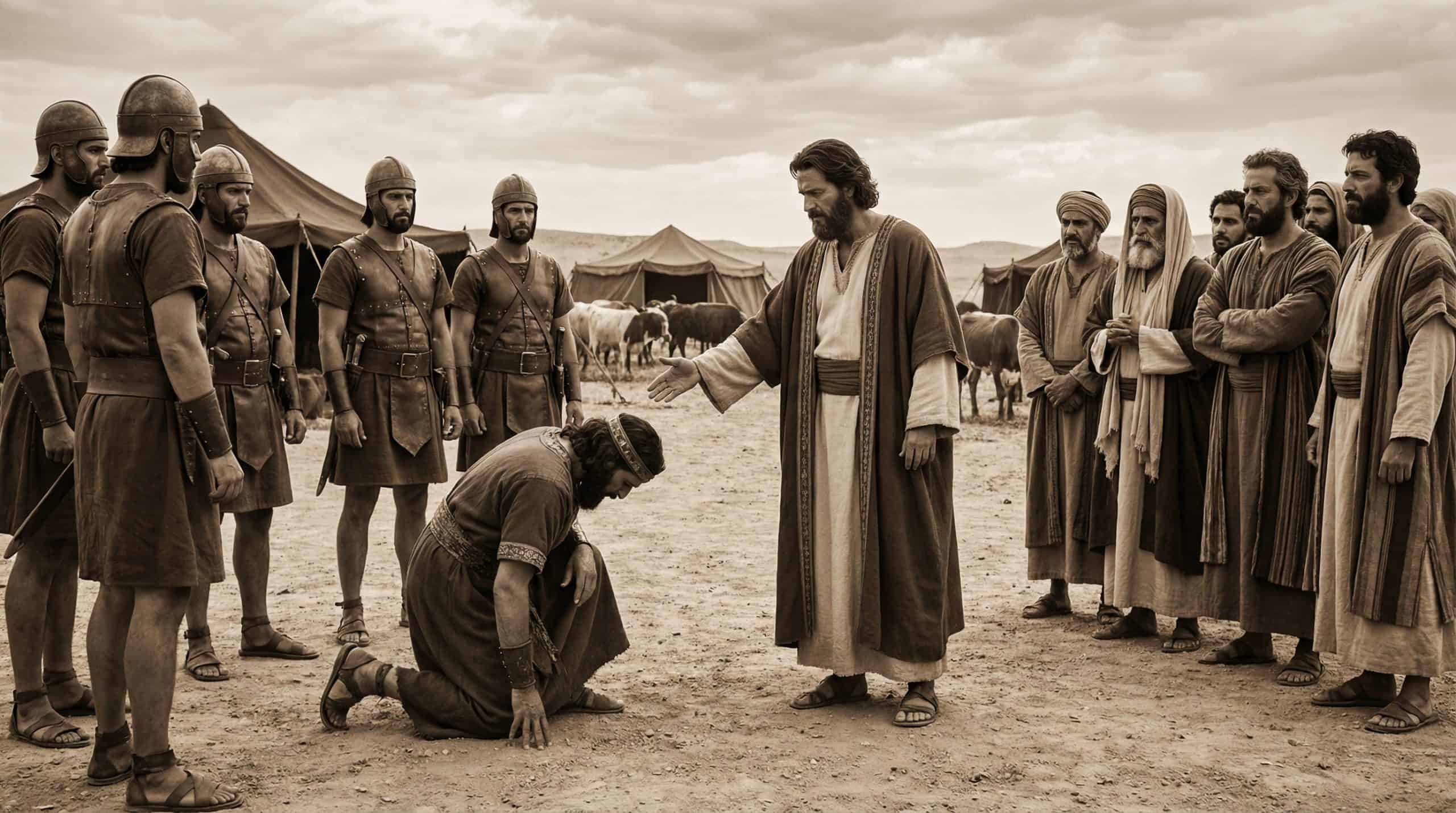
God commanded King Saul to completely destroy the Amalekites. After Saul wins the war, he keeps the king alive and the best of the livestock.
Saul responded to Samuel’s inquiry by explaining he preserved the livestock in order to offer them as a sacrifice to God. It sounded clever, spiritual and almost merciful.
However, Samuel responded with, “to obey is better than sacrifice.” Saul paid for his decision by losing his throne as King.
This ethical conflict is so huge because Saul’s attempted mercy constitutes a sin of pride. How can we decide if we should obey an incredibly hard commandment, one that orders genocide, or listen to our heart when we feel like we can be more merciful?
The Hebrew midwives deceiving Pharaoh (Exodus 1:15–21)
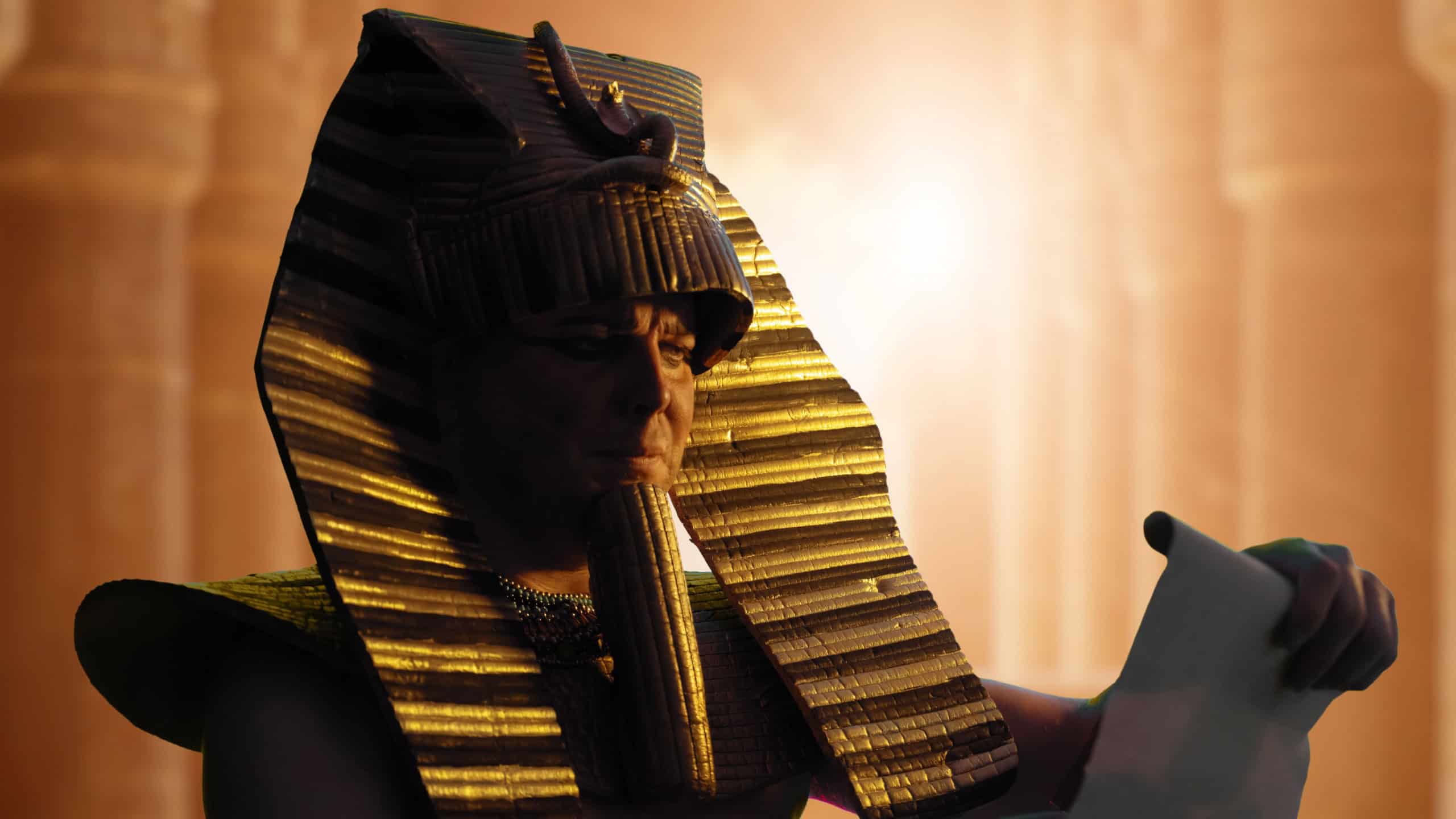
Pharaoh commanded the Hebrew midwives, Shiphrah and Puah, to kill every male infant upon its birth. They didn’t do it. When Pharaoh confronted them (Genesis 38) for not killing the boys, they lied to his face. They said that Hebrew women were so quick to give birth that the babies were born before they arrived.
Interestingly, the Bible says God dealt well with the midwives because they feared Him. This is a classic case of civil disobedience. It throws out that whole “never tell a lie” deal. Sometimes the most godly thing you can do is tell lies, hide and disobey when someone in power tells you to do evil.
Imprecatory prayers calling for vengeance (Psalm 137:9)

Psalm 137 famously opens with weeping Jewish exiles by the rivers of Babylon. It famously concludes with a verse that most refrain from reading out loud: “Blessed shall he be who takes your little ones and dashes them against the rocks.”
It is an imprecatory Psalm, a primal howl of anguish from a group of traumatized people who had watched their children slaughtered and their city burned to the ground.
It is horrifying. But it is also cathartic. And it’s real. It forces us to confront the ugliness in our own hearts and wonder: is it better to numb ourselves to our most poisonous emotions, or to lay them bare before God, “unholy” though they may be?
Paul circumcising Timothy after arguing against it (Acts 16:1–3)
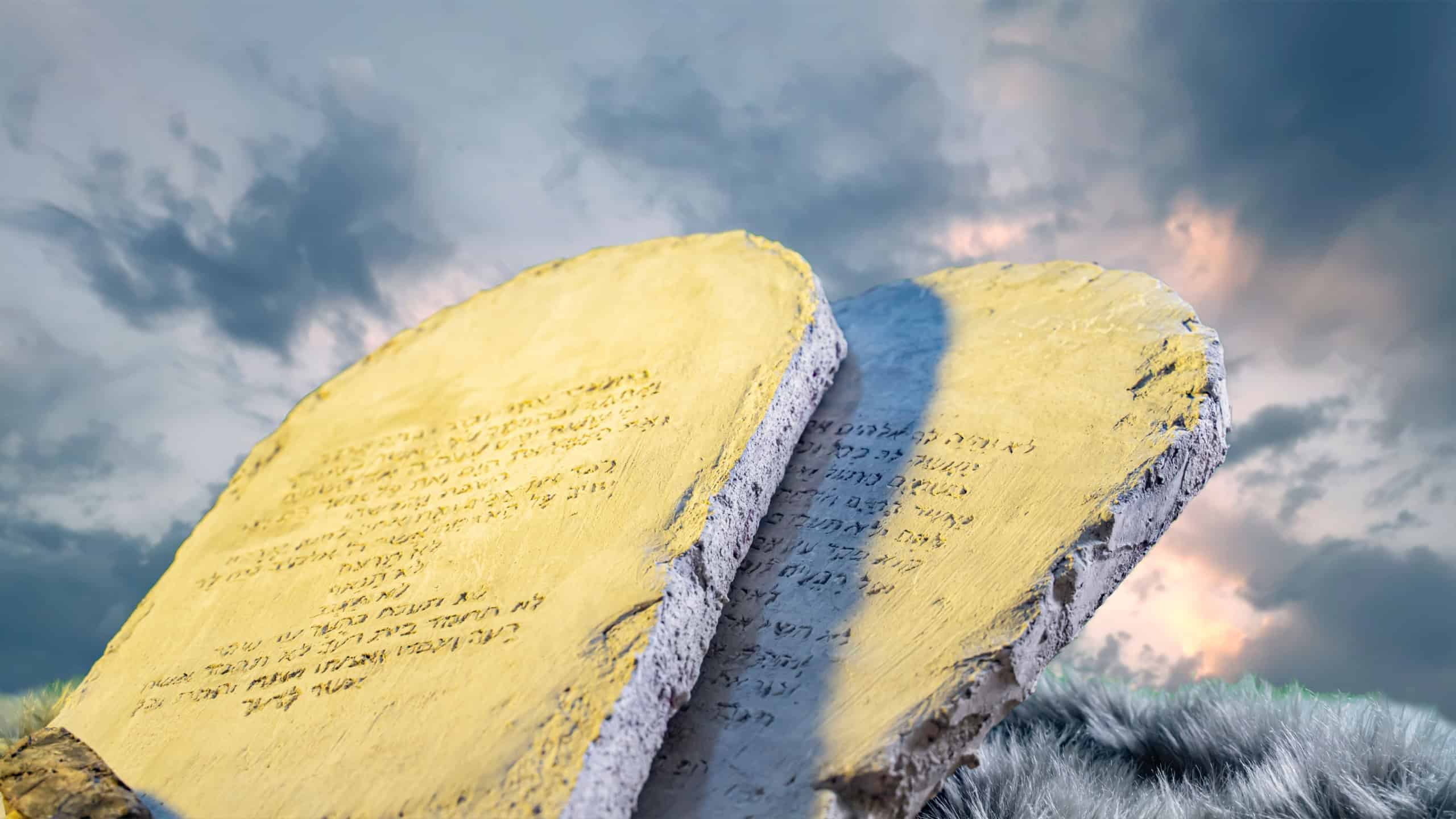
Paul had invested a huge chunk of his ministry career telling non-Jewish converts that they did not need to adhere to the Law of Moses (primarily circumcision) in order to be “right with God.” Paul considered circumcision a burden.
However, Paul completely reverses course with this issue. Before they started their missionary expedition together Paul made sure his young assistant Timothy was circumcised.
Was this hypocritical weakness or shrewd adaptation? Many see it as Paul just giving in to religious pressure.
The bears and the mocking youths (2 Kings 2:23–25)

This passage infuriates anyone trying to argue there is a loving God all throughout the Old Testament. While Elisha was walking some boys yelled out “baldhead” to him. Suddenly wild bears came out and killed 42 boys.
Does this sound like God teaching these boys a lesson or God unleashing His fury on a bunch of kids? Either God had the bears come near to attack these boys or He is showing us how reckless prophets could get when letting ego or rage get the best of them.
Sources: Please see here for a complete listing of all sources that were consulted in the preparation of this article.
Like our content? Be sure to follow us.


