

Some coincidences are so strange you have to wonder if they could possibly be true. But they are. Throughout history, events have aligned in coincidence so perfectly it’s almost as if time manipulated itself. These stories don’t rely on luck alone; they leave us wondering whether coincidence is ever just coincidence. So here are 12 mind-bending coincidences that actually happened.
The novel that predicted the Titanic’s fate
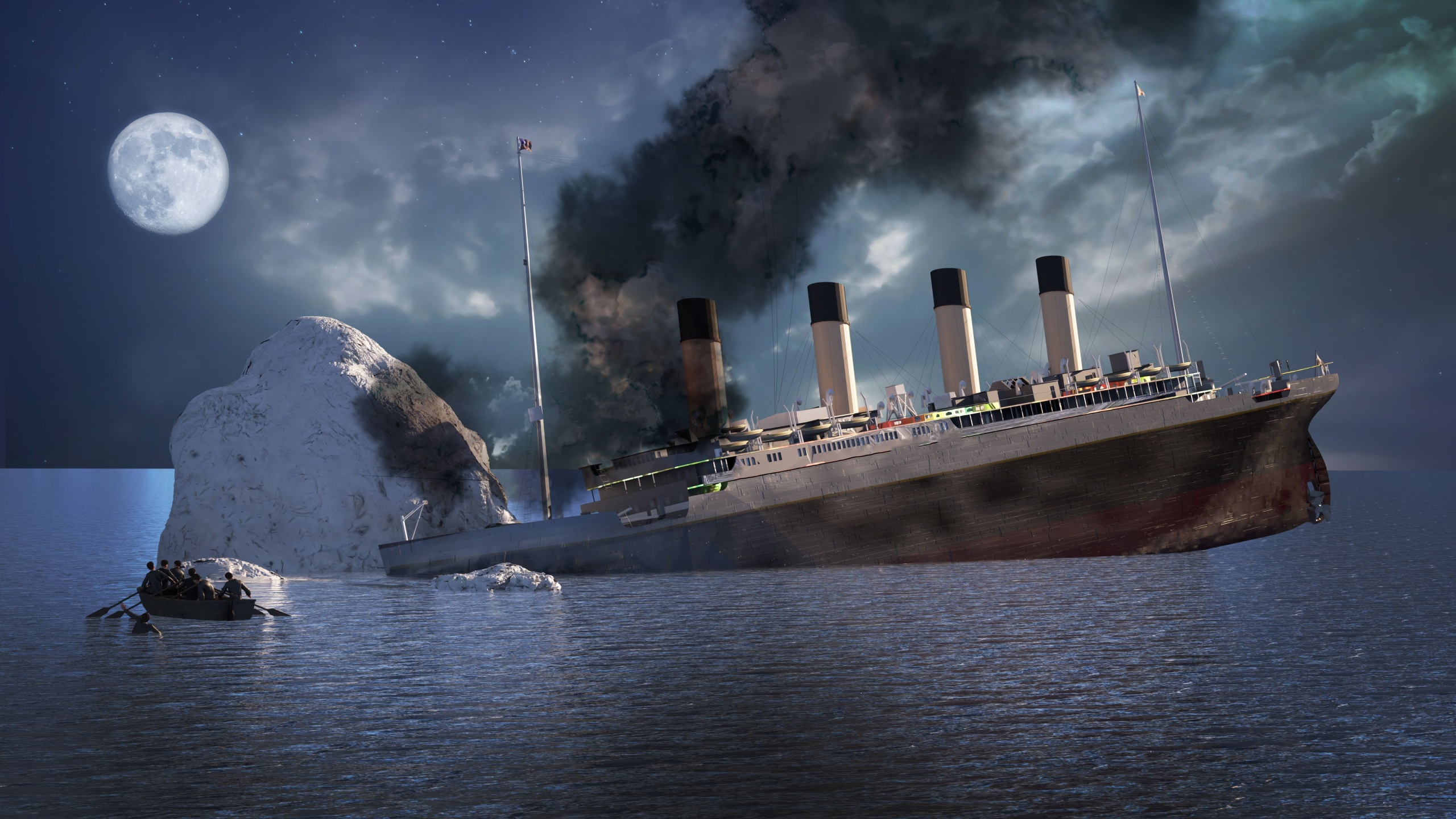
In 1898, fourteen years before the sinking of the Titanic, Morgan Robertson published a novella entitled Futility. It featured a huge British ocean liner named the “Titan” that was touted as unsinkable. In the story, the Titan strikes an iceberg in the North Atlantic in April and sinks, killing many people due to a shortage of lifeboats. The dimensions of the fictional Titan closely match those of the Titanic, as does its speed and the month that both disasters took place.
The unsinkable Violet Jessop
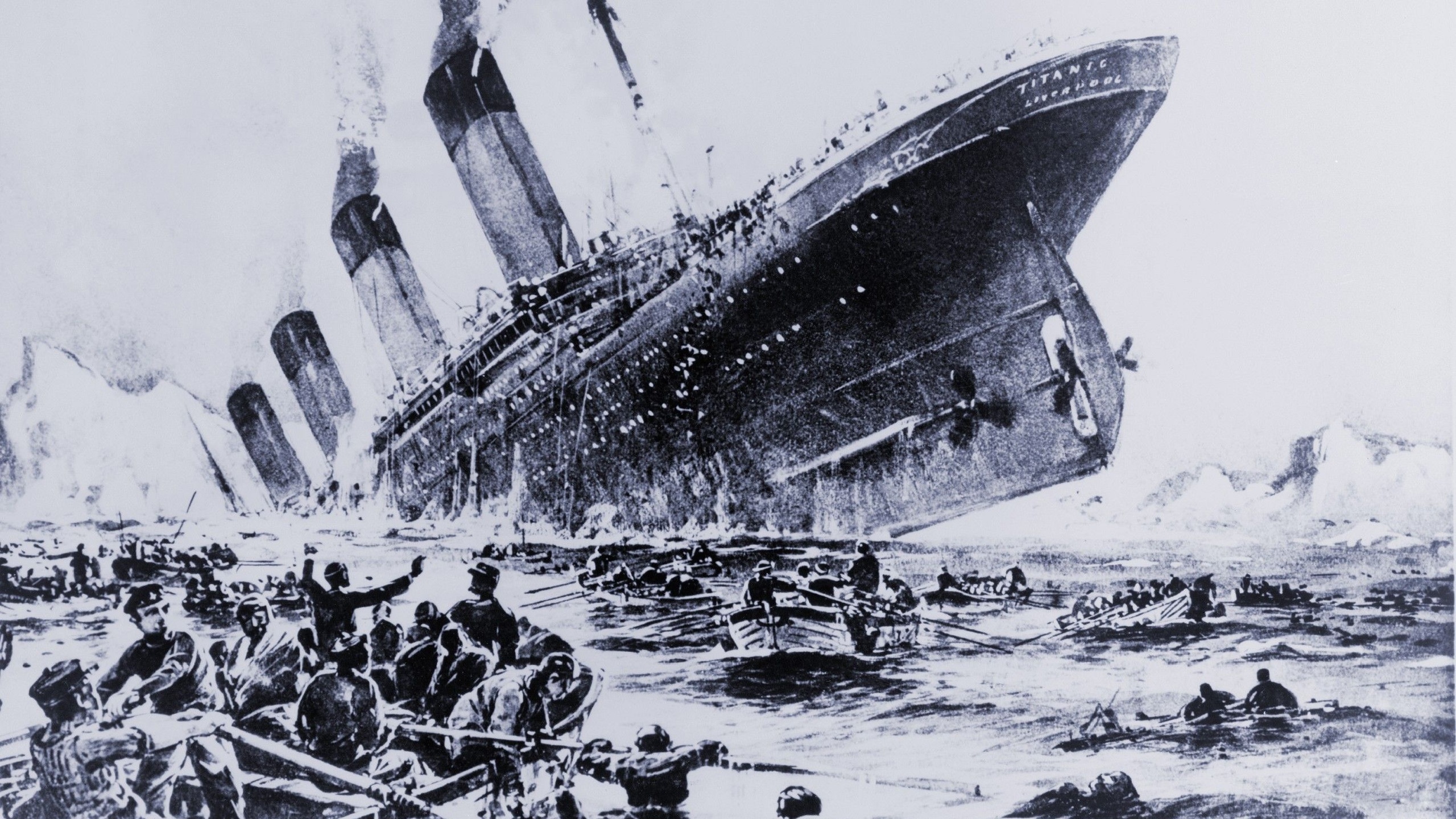
Three times, Ms. Violet Jessop survived shipwrecks that claimed the lives of over a thousand people each. In 1912, Jessop was aboard the Titanic as an ocean liner stewardess and nurse when it hit an iceberg and sank. Four years later, she survived the sinking of its sister ship, the Britannic, when it struck a mine and sank while serving as a hospital nurse in World War I.
Here’s the crazy part: Violet Jessop was also aboard the third sister ship (the Olympic) when it collided with a British warship two years prior to the Titanic disaster. Talk about being in the wrong place at the right time (or the right place twice?). Jessop lived to be eighty-three years old.
A patriotic exit for the Founding Fathers
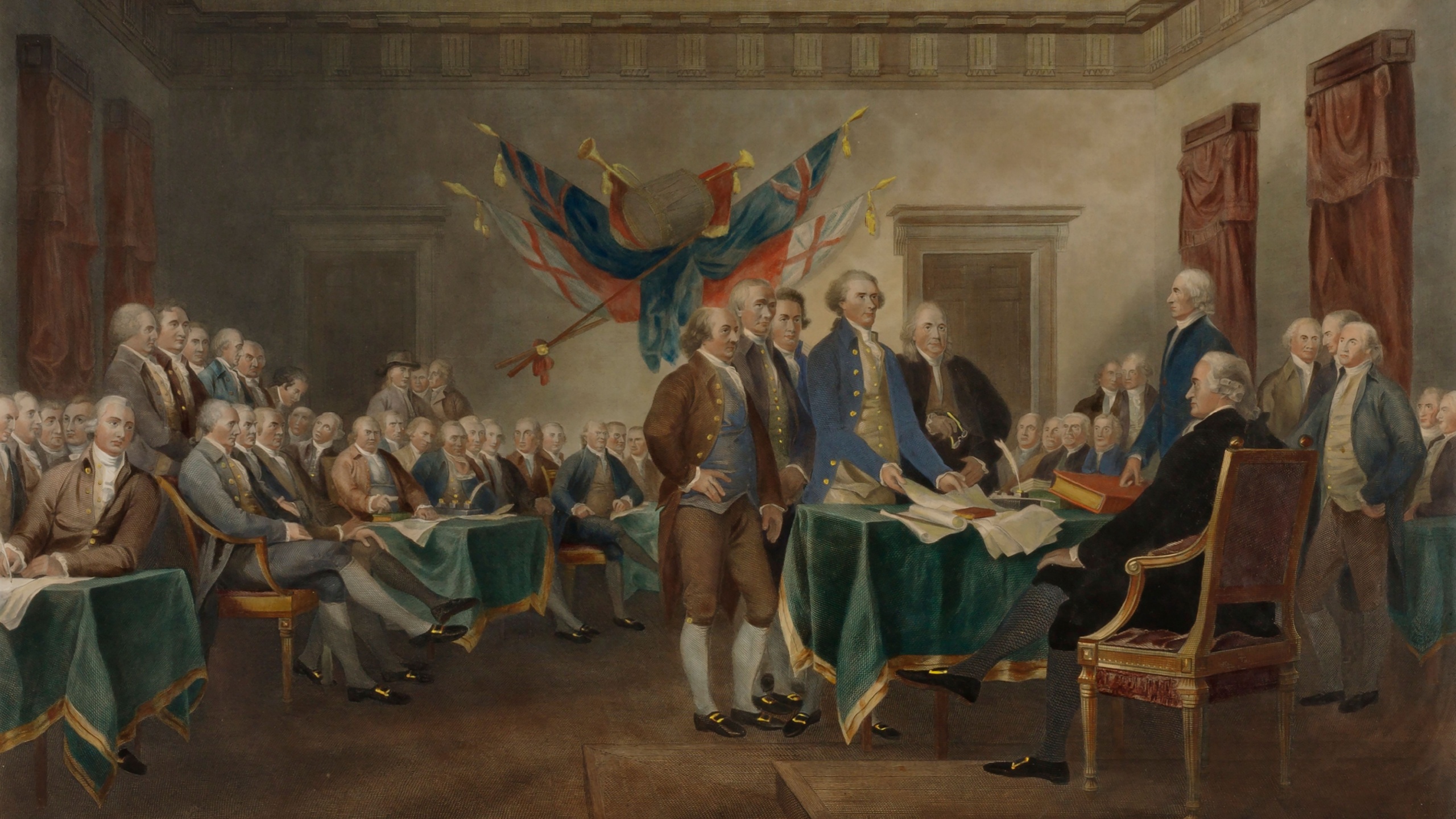
The founding of the United States seems to have a strange numerical connection to the date of July 4th. Thomas Jefferson and John Adams were the two primary architects of the Declaration of Independence and eventually became bitter rivals, then friends again in old age. They somehow ended up dying on the same day: July 4th, 1826.
That date was exactly half a century after they helped sign the document Jefferson had authored. Coincidence? James Monroe, the fifth American president, also died on July 4th, but five years after Jefferson and Adams, on July 4th, 1831.
The tragic Bermudan moped

Erskine Lawrence Ebbin was riding home on a moped in Bermuda during the mid-1970s when he was hit and killed by a taxi cab. Although this is tragic enough, there’s more.
Erskine’s brother was killed while riding the exact same moped down the same street. It gets worse; he was killed by the same taxi driver. The driver had been transporting the exact same passenger when he hit Erskine’s brother one year before.
The King and his twin

King Umberto I of Italy was once dining in a restaurant in Monza when he noticed the owner bore an uncanny resemblance to himself. As they talked, Umberto discovered the men were born on the same day, in the same town. They were even married to women with the same name, Margherita.
The restaurateur opened his business on the day Umberto was crowned. The very next day, Umberto was told the restaurant owner had been killed in a shooting accident. Shortly after hearing the news, the king too was assassinated.
The bookends of World War I

The first British soldier killed in World War I was Private John Parr in August 1914. Exactly four years, one month, and eighteen minutes later, Private George Ellison was shot and killed near the German trenches, just ninety minutes before the armistice began.
They both found their final resting place at St. Symphorien Cemetery. Without any intentional planning by the grave diggers, their headstones face each other, separated by only seven yards of grass, perfectly bookending the millions of lives lost in between.
Anthony Hopkins and the lost book

Actor Anthony Hopkins was cast in a movie called The Girl from Petrovka in 1974. When he got to London to start filming, Hopkins looked around for George Feifer’s novel of the same name to prepare but all the stores were sold out.
While waiting for a train at Leicester Square underground station, he spotted someone had left the book on a bench. He picked it up and continued on his way.
Two years later, he was filming Petrovka and happened to meet George Feifer. Hopkins mentioned he didn’t have a copy of the novel but then Feifer said the same. Feifer had lent his own copy filled with notes to a friend who misplaced it in London. Hopkins handed Feifer his book; it was the exact book.
Musical neighbors from opposite centuries

George Handel lived at 25 Brook Street in London for thirty-six years during the 1700s, where he wrote some of his greatest hits. Fast forward two hundred years.
Jimi Hendrix moved into flat number 23 next door in 1968. One was a godfather of modern music, and the other literally invented a genre. Two creatively inspired musicians who lived adjacent to each other for a brief period of time, separated by only a wall and two centuries.
The tragedy of the Tierney Family

When workers began constructing the Hoover Dam in the 1920s, they faced immense dangers that cost many workers their lives over the decades. One of the first recorded casualties was J.G. Tierney, a man who drowned during a river expedition on December 20, 1922.
Somewhat eerily, the last official recorded death during construction was Patrick Tierney, who passed away on December 20, 1935. Mr. Tierney was J.G. Tierney’s son.
Edgar Allen Poe’s eerie premonition
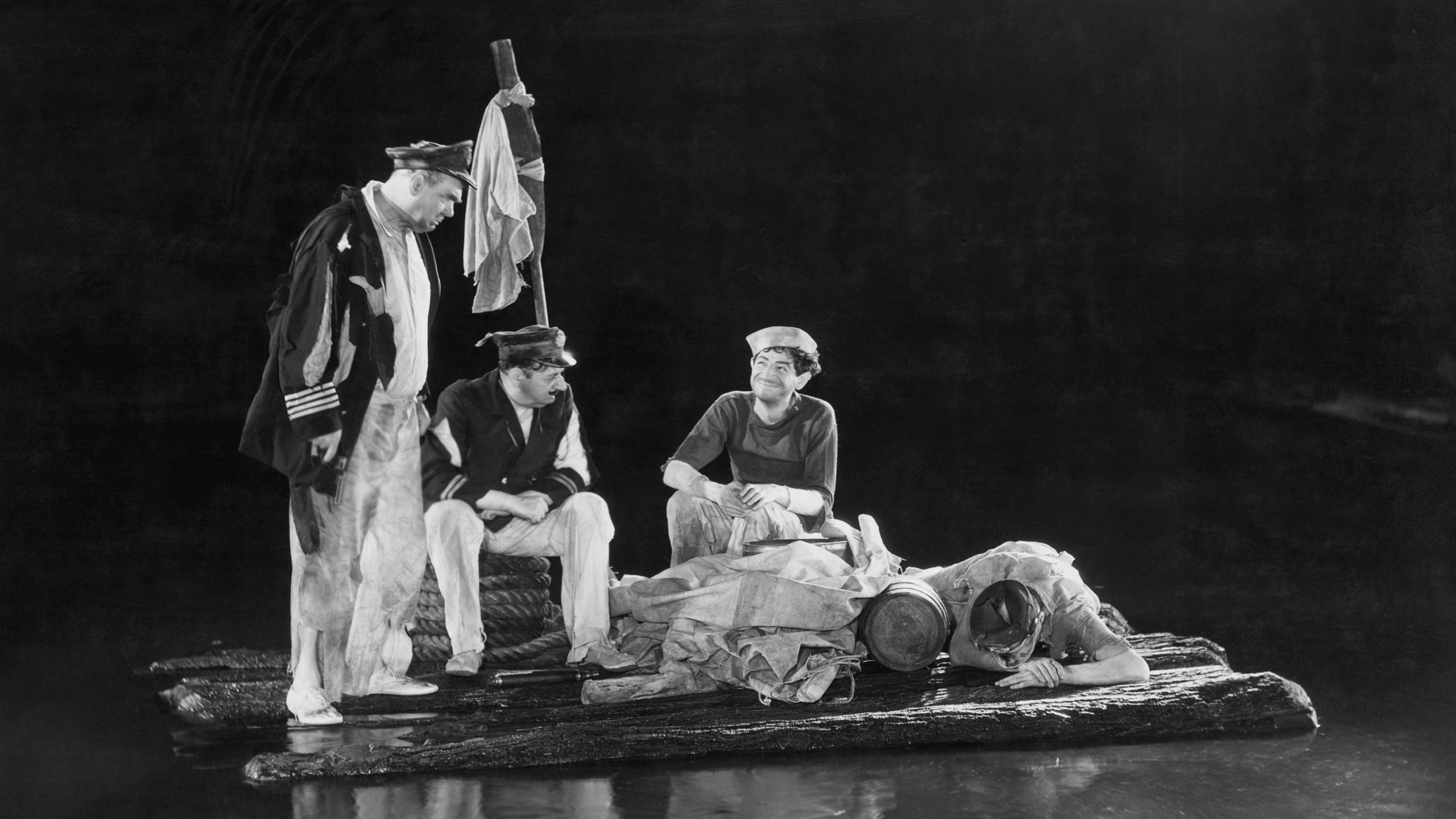
Edgar Allen Poe wrote a novel called The Narrative of Arthur Gordon Pym of Nantucket about four shipwreck survivors who resort to cannibalism and murder their cabin boy, Richard Parker, to survive.
In 1884, a yacht named the Mignonette sank, leaving four men and their cabin boy in a lifeboat. To keep alive, these men also killed and ate their cabin boy. His name? Richard Parker.
Mark Twain predicted his death by Halley’s comet
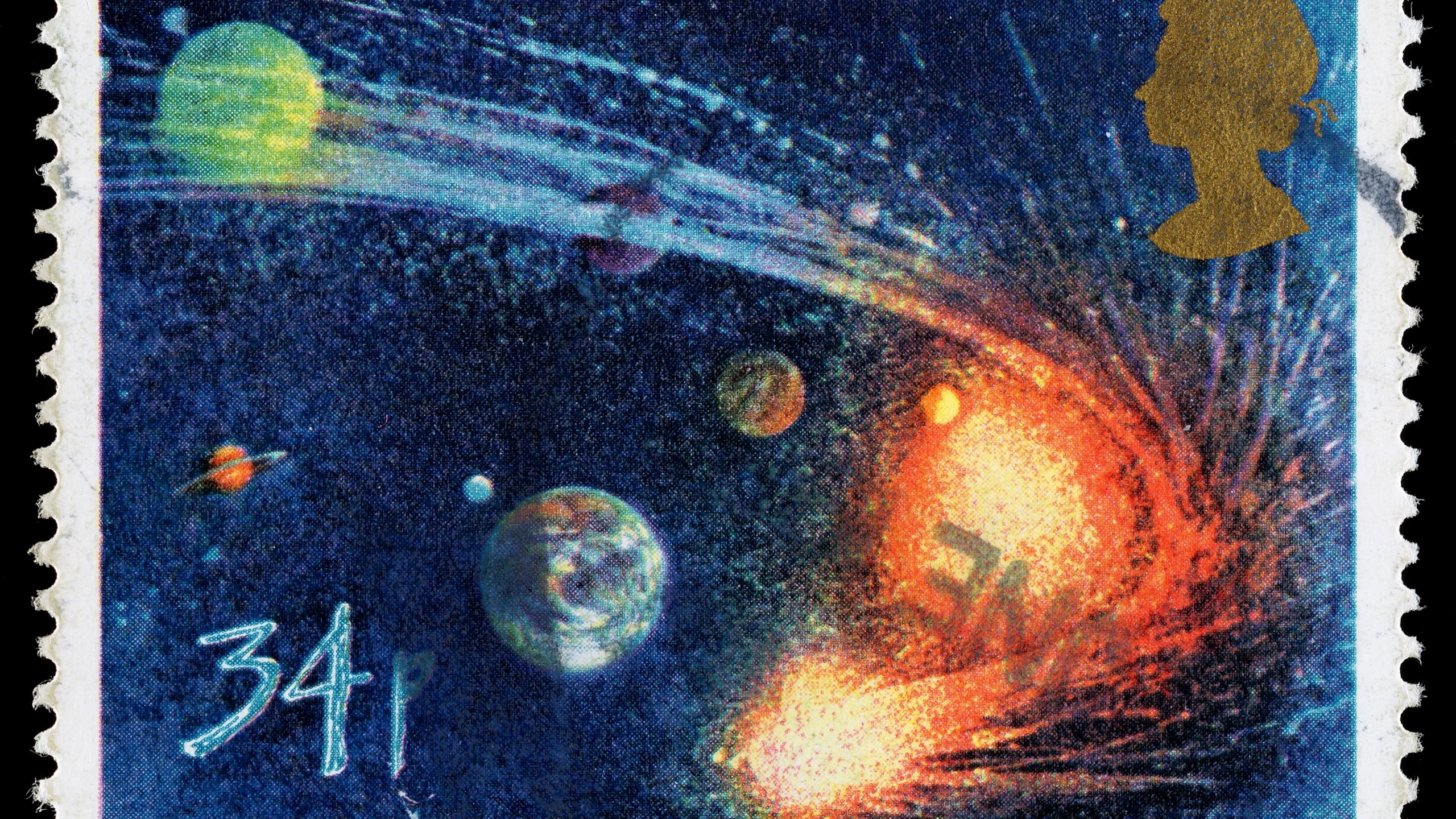
Halley’s comet can be seen from Earth every seventy-five years. Mark Twain was born in 1835 when it was visible in the sky. As Twain got older, he predicted that he would die the next time it appeared.
He went on to say that it would be the greatest disappointment of his life if he didn’t die. Sure enough, when the comet returned to the Earth for the first time in seventy-five years, Twain suffered a fatal heart attack and died the very next day.
The falling baby of Detroit

Joseph Figlock was walking down the street one day in Detroit during the 1930s when a baby fell out of a high rise window and landed directly on him. Fortunately, Figlock was able to break the baby’s fall and both lived.
Fast forward one year to the exact same date: Joseph Figlock was walking down the same street when the same baby fell out of the same high rise window and landed on him again. Once again, Figlock saved the baby’s life.
Sources: Please see here for a complete listing of all sources that were consulted in the preparation of this article.


