

Retirement changes how your money works, and here are twelve luxuries to stay away from during that time.
The little reward

Work stops, and you get to buy things you want. It’s not because you need them anymore. You’ll buy yourself something a little more expensive, like a watch, as a keepsake. It’s meant to celebrate this milestone.
Then another one shows up. It doesn’t feel like it’s all that bad. But it is. Most of the time, these repeat purchases end up being tied to your habits, instead of your plans.
The ready cupboard

Wanting your house to feel prepared all the time is fine. You’ll have more guests over in retirement, right? But then you start buying better snacks and nicer tea. You get things you wouldn’t normally buy for yourself.
Sadly, these items don’t disappear all that quickly. What does come quickly is the desire to keep replacing them. You want to be a good host. So, you get stuck in a cycle of replacing everything that’s still sitting there.
The Tuesday table

It starts simple enough. You decide to go somewhere nice to break up the day. Maybe you grab a sandwich, or maybe you sit somewhere with other people. But there’s the issue. It stops becoming sometimes anymore. Now, it’s a Tuesday, and a Friday, too.
Eating out is one of the easiest expenses to lose track of when you retire. It’s a real problem because your income’s fixed. Routines themselves aren’t bad. But when they cost money? They don’t stay small for long.
The full starter kit
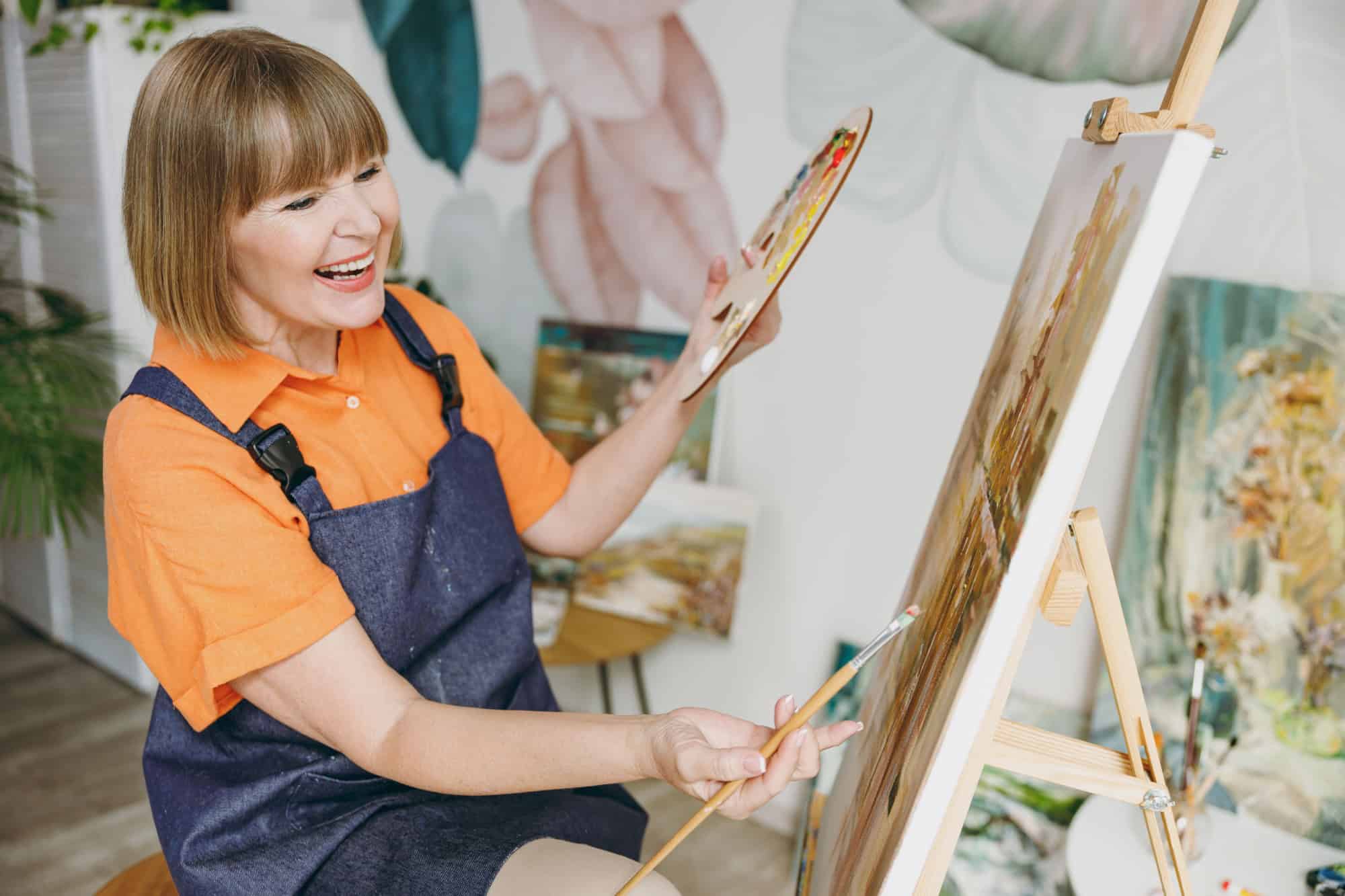
Yes, it’s normal to feel like doing hobbies when you retire. That’s why you don’t stop at trying to paint. No, you buy the full set. It’s the same story with golf, knitting, gardening, anything really. You justify it because you have the time to do them.
But really, are you actually going to do all of them? Buying all the hobby equipment upfront becomes a habit. The truth is, you’re probably not going to use half of it. It’ll just stay there barely touched.
The extra plate
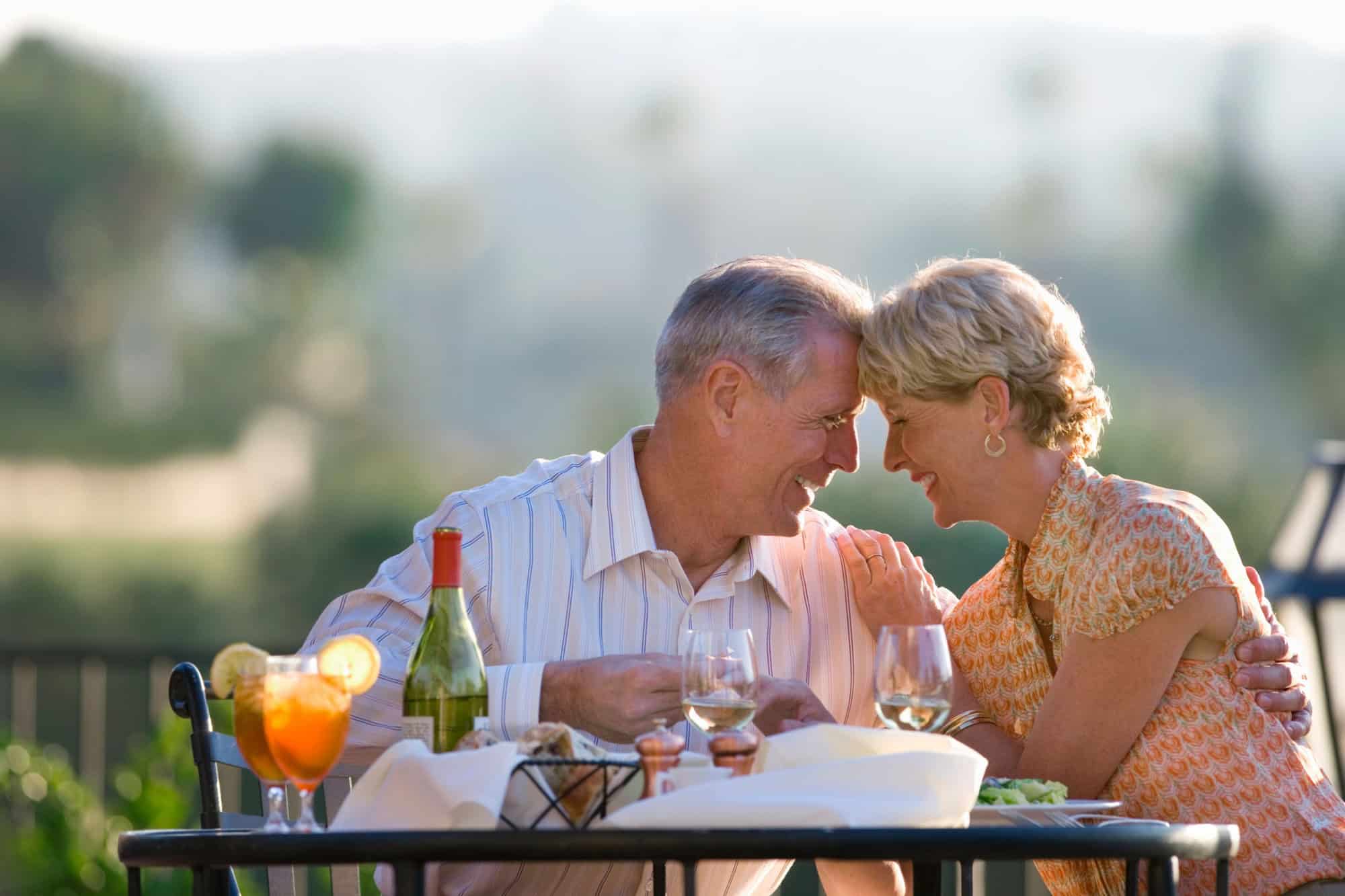
The way that you have meals out changes, too. Once it was a main dish. Now? It’s a starter and dessert. Don’t forget about drinks. Soon enough, the ‘treat’ becomes how your meals work every day.
Food’s already expensive enough. Eating out pushes that price even higher. Unfortunately, it’s way too easy to add the extras to your meal. Don’t let that happen to you.
The pass in the drawer

At first, you think the annual passes look smart. You’ll have the time to visit the museums and gardens. But life doesn’t become predictable during retirement. The weather changes. Your plans shift.
Sure, you should still stay active and engaged. However, locking yourself into paid commitments? Maybe that’s not such a great idea. You’re unlikely to get enough use out of those passes for them to make sense.
The wellness shelf

There’s something different about health spending. It just feels responsible. So, you buy yourself supplements and devices, all because you think you’re looking after yourself. Perhaps you are. But do you really need to buy everything?
Health spending usually takes up around 15% of retirement spending. That’s before you think about extras. Necessary care is one thing, but the additional, ‘helpful’ things? They’re not worth it.
The tiny escapes

There’s nothing wrong with short trips. At least, in theory. They’re not big vacations. You tell yourself that one night is enough, and a cheap hotel is fine. Nothing too major. Then it happens again. Then another vacation, a month or so later.
Everything around the vacation gets expensive. You’ve got to pay for meals and fuel, for starters. Once you have a few of them a month, they’re no longer cheap vacations. They’ve become a luxury.
The shelf from every trip
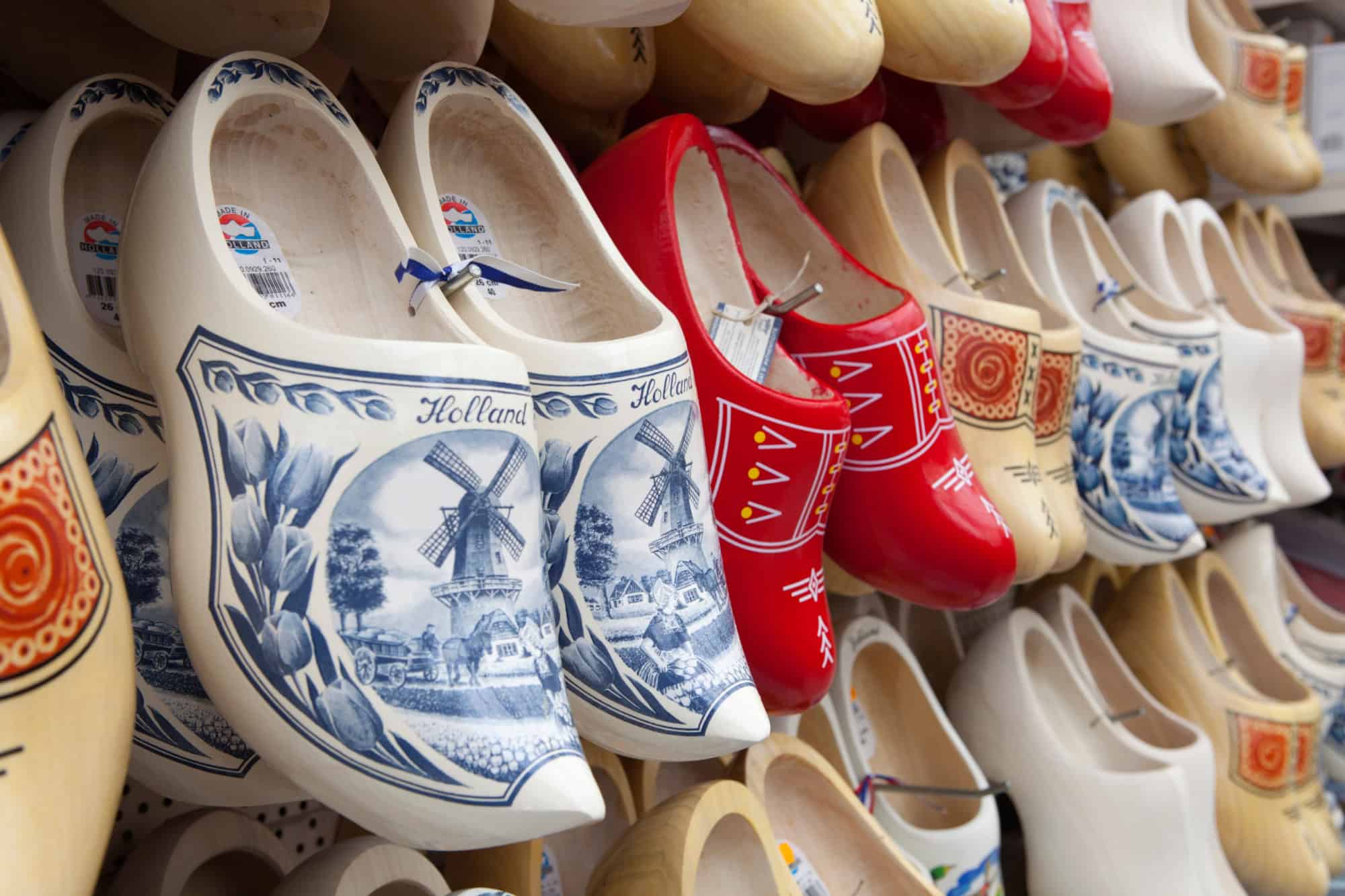
That’s not all for travel. There’s no rush to get back, and every trip feels a little more personal. You pick something up to remember it. For example, a small item in one place. Then something decorative elsewhere.
On its own, it’s not that expensive. But try adding all those costs up. Soon enough, you’ll realize that these little luxuries cost you more. They also take up way more space than you expected.
The serious walker

Walking is simple. The costs around it usually aren’t. You started with a casual walk, and then it turned into upgraded shoes. You bought a better jacket, too. There’s time to notice these things more, so you feel like buying them is the smart option. It’s not.
Honestly, you don’t need high-end stuff to go walking. Seriously. Just get up and go and do it. Those extras are only for people who take it seriously. Chances are, that’s probably not going to be you.
The cabin surprise

Cruises include a lot of stuff. But even so, it’s easy to add more stuff to it, like a drinks package or a fruit basket. It kind of makes sense. The trip itself is a big deal, and the extra stuff doesn’t stand out as much. It’s pretty common during the early years of retirement.
The setting makes each expense feel so normal. It’s why they’re so dangerous. You’re better off sticking to the basics.
The second half

The main activity isn’t always the highest cost. No, it’s what happens after that gets you. You go out for something simple, and then someone suggests staying a little longer. You order something extra. That’s what gets you.
These extra costs become part of your routine, without anyone really pointing them out. No, it doesn’t feel like a decision in the moment. You tell yourself you’re only continuing the day. You’re not.
Sources: Please see here for a complete listing of all sources that were consulted in the preparation of this article.


