

When you think of battles, you probably imagine iron discipline & careful planning. But that’s not always the case. In fact, history’s full of days where things unraveled for reasons that sound like something out of a comedy movie. Here are twelve battles that countries lost for ridiculous reasons. Which one do you think takes the prize for the biggest screw-up?
Featured Image Credit: Shutterstock.
The Battle of Maldon (991)

The end of this war came after the Anglo-Saxon commander Brihtnoth allowed Viking raiders to cross a narrow causeway during low tide. His men had been blocking it pretty well. But instead of keeping them bottled up, he gave them room to fight on open ground. You can probably guess what happened next. The Saxons were wiped out & Brihtnoth didn’t live to regret it.
Stamford Bridge (1066)

Harald Hardrada’s army was completely caught off guard in Yorkshire. It was warm, so a lot of his men didn’t bother taking heavy chain mail on the march. But then Harold Godwinson’s forces showed up faster than expected. Fighting half-naked against armored opponents didn’t go well. Eventually, Hardrada’s army lost the battle, to nobody’s surprise.
Tanga (1914)

World War I in East Africa began with a stinger, quite literally. It involved British-Indian troops pushing into the port of Tanga & setting off hives nearby. Waves of bees swarmed over the soldiers and stung everyone in sight, forcing the men to run. The Germans hardly had to lift a finger before the invasion ended. Bees: 1, Empire: 0.
Loos (1915)

The defense looked clever on paper. The British troops planned to release clouds of chlorine gas to soften German trenches. But the wind wasn’t on their side. Rather than drifting across no-man’s land, most of the gas rolled straight back over the British lines & caused them to choke. The whole attack was thrown off balance before it even began.
Lissa (1866)
Italy’s Admiral Persano decided that he would change ships mid-battle. However, he forgot to tell everyone properly. His squadrons suddenly had no idea where their commander was. Some ships attacked & others hung back. Either way, the Austrians took full advantage of these mixed signals.
Texel (1795)

It might sound like a tall tale, but this one’s real. A Dutch fleet was iced-in off Texel & stuck solid. As such, the French hussars rode right out across the frozen water with their sabers drawn and demanded surrender. But the Dutch couldn’t go anywhere. They couldn’t even fire properly in those conditions. The Dutch navy then gave up to cavalry on horseback.
Fishguard (1797)

The French tried to land in Wales. So far, so serious. But their sense of discipline broke down almost instantly, and the soldiers raided local homes. They stumbled across wine from a shipwreck & went on a bender, with some troops simply wandering off into the countryside. It didn’t take long for the locals & militia to close in. The invaders eventually surrendered.
South Mountain (1862)
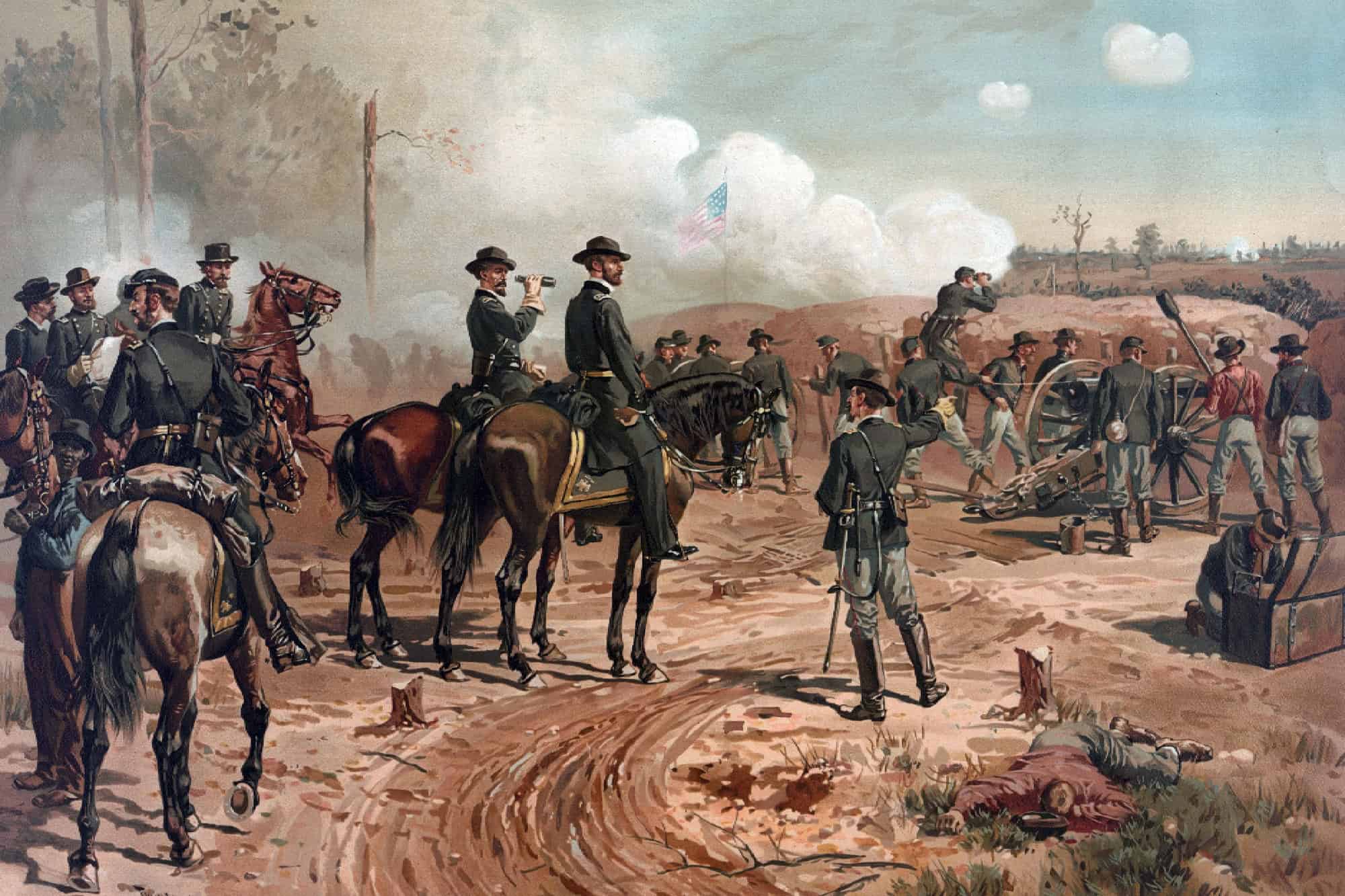
Of all the ways to lose a battle, leaving your campaign blueprint in a field is one of the stupidest. That’s what happened to a Confederate officer. He misplaced Special Order 191, which Union troops found wrapped with cigars. McClellan now knew Lee’s movements in detail. No prizes for anyone who correctly guesses who won that battle.
Spion Kop (1900)
In 1900, British troops scrambled up Spion Kop at night, thinking they’d seized the peak. But they realized their mistake by dawn. They’d picked the wrong spot & higher ridges looked down on them, while their shallow rock trenches gave them no cover. Boer fire raked the hill all day. And the command confusion didn’t help.
Cartagena de Indias (1741)

What sank the British assault at Cartagena de Indias was the fact that someone mismeasured. Grenadiers tried scaling San Felipe’s stone walls. But their ladders, literally, didn’t reach the top, so they were easy pickings for the Spanish. The attackers were forced to scramble back down. They had to leave the fortress as it was.
Breda (1590)

Maurice of Nassau used a delivery barge as a Trojan horse. Yes, the Spanish defenders inspected the boat and found that it carried peat for fuel. But they didn’t notice troops hidden under the load. The soldiers slipped out once inside. They seized the gates & let the Dutch army roll in, leading to Breda falling before breakfast. How could the same trick work twice?
San Jacinto (1836)

Santa Anna’s army set up camp near the San Jacinto River in 1836. They weren’t expecting trouble midday. However, the Texians thought otherwise & they launched a sudden charge in the afternoon. This happened while many Mexicans were resting. The fight was over in less than twenty minutes.
Like our content? Be sure to follow us.


