

Prison kitchens don’t exactly serve great food. Yet there are also some interesting ones they’re not allowed to serve, like, at all. We looked at the U.S. Federal Bureau of Prisons data available online to find out more.
Here are twelve foods many prisons won’t offer to inmates. What other foods would you ban from prisons?
Featured Image Credit: Shutterstock.
Baked potatoes

One Arizona prison has stopped baking potatoes altogether. The reason? Inmates had been using them to make prison hooch & a few people ended up with botulism. Health officials traced it back to the spuds. And that was it. No more baked potatoes in the kitchen, no matter how much anyone liked them. Poor spuds.
Oranges

During the early 2000s, one California facility decided to ban oranges entirely. It wasn’t because they were worried about vitamin C. Nope, it was the amount of sugar in these fruits. Some inmates used oranges to create homemade alcohol. As such, the quickest fix was to stop giving them out in the first place.
Raisins

Raisins sound harmless. But then you find out that these store well & hide easily, while also containing a lot of sugar. They disappeared from some California prisons as a result. Raisins are often used in hooch recipes, and staff figured the simplest solution was to keep them out entirely. How unfortunate.
Sugar packets

Loose sugar is another banned product. It’s pretty easy to ferment it, so some prisons ditched sugar packets from their cafeterias entirely. Inmates can’t stash them away for brewing without them. That’s not to say that sweet treats disappeared completely, but staff were far more careful with how much they handed out.
Poppy seeds

Poppy seeds won’t get you high. However, they will make a drug test look suspicious, and that’s why some prisons don’t bother serving bagels with them. They won’t serve poppy-seed muffins either. Banning them is easier than explaining why half the inmates look like they’ve been taking opiates.
Alcohol-based extracts and cooking wine

Vanilla extract is just for baking in a regular kitchen. But in prison? Well, that much alcohol in a bottle is a problem & cooking wine’s the same story. Kitchens leave them off the shopping list. This way, nobody can drink the ingredients or swap them out. You can bet many inmates would probably have found some not-so-approved recipes.
Unpasteurized milk, dairy, eggs, and juices
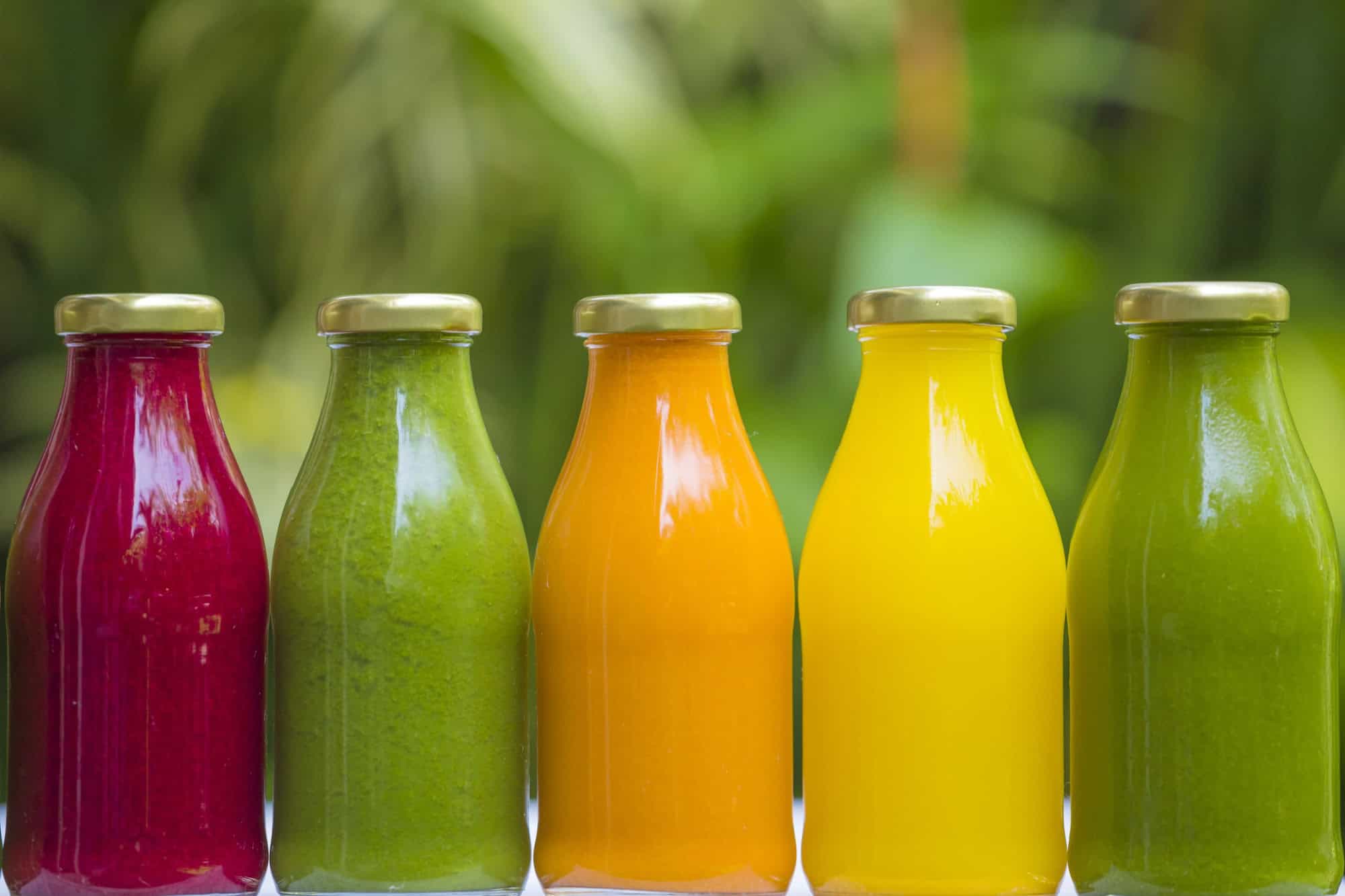
Nobody wants to be the kitchen that started a salmonella outbreak. As a result, a few prisons skip anything raw & unpasteurized, like milk or eggs. Even raw juice is banned in some places. They make sure it’s all pasteurized by the time it gets to the fridge so that nobody’s chancing a foodborne illness. It could spread like wildfire in such confined conditions.
Raw mechanically separated meats

Here’s one that’s a mouthful, literally & figuratively. Raw mechanically separated meat is the kind of meat that’s essentially ground off the bones. And it’s not something prison kitchens bother with because there’s too much risk for salmonella. It’s also not appealing. Any prisons that buy it at all will make sure it’s already cooked & safe to serve.
Bone-in cuts
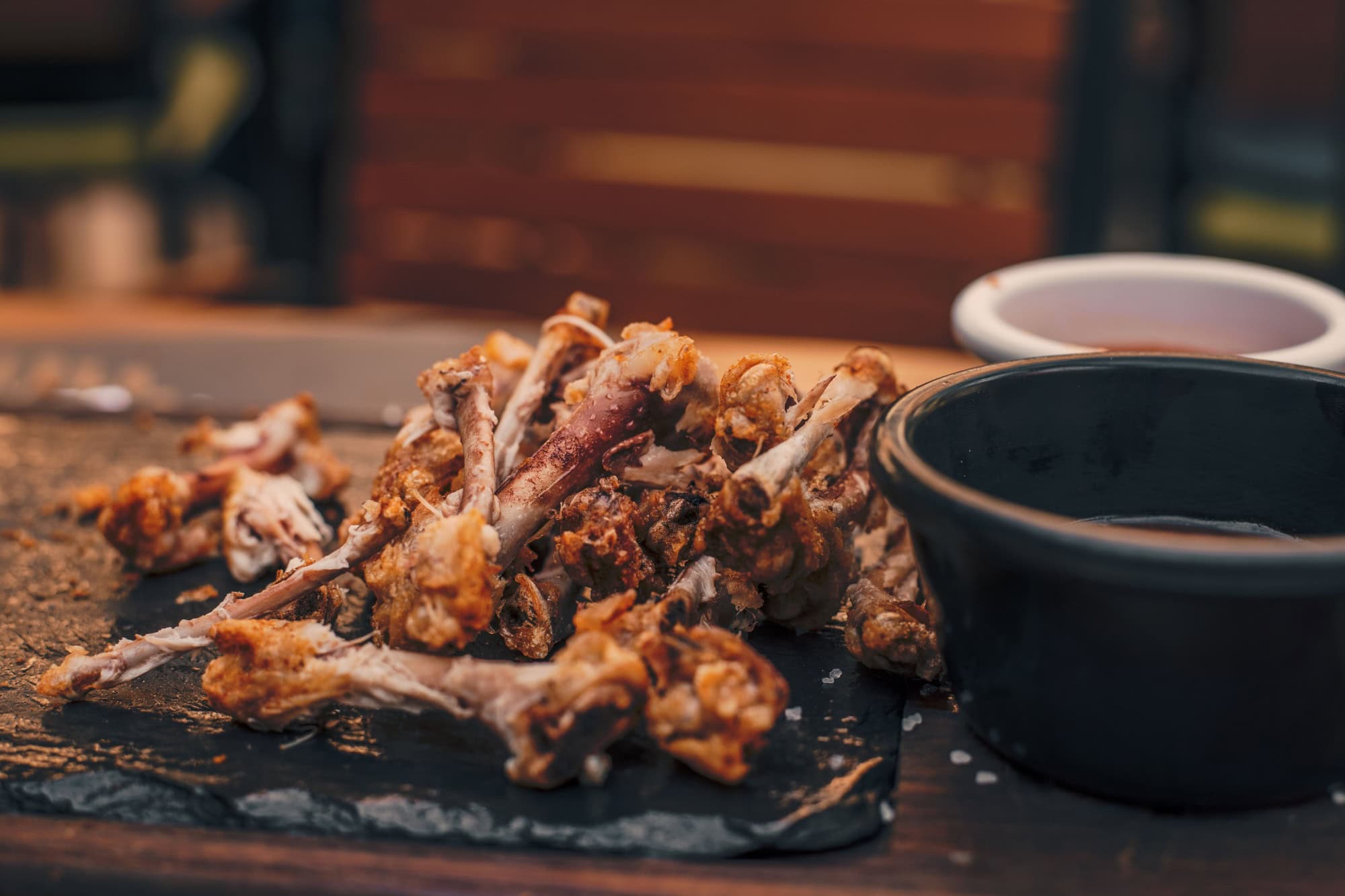
Some kitchens avoid bone-in meats altogether. That’s not because they taste bad, but rather, because inmates may turn the bones into weapons. Do you really want prisoners brandishing those? Instead, prisons will serve boneless chicken & beef on the trays instead. It saves staff the hassle of checking for “creative” souvenirs.
Whole stone fruits

Peaches & nectarines are fruits that still have the pit inside. Some prisons won’t serve them, although it’s not simply because they’re choking hazards. Prisoners could carve the pits or use them in ways staff would rather avoid. As such, kitchens stick to sliced fruit. This usually comes straight from a can or pre-pitted.
Very hot peppers and sauces

Anyone who likes their food spicy will likely struggle in prison. In some facilities, anything above a certain Scoville heat rating isn’t allowed through the door because it could be dangerous. That means no ghost peppers & no whole chili stash. No flavor at all. You might get a mild hot sauce, but forget anything that could double as pepper spray. Rightly so.
Shell-on seafood
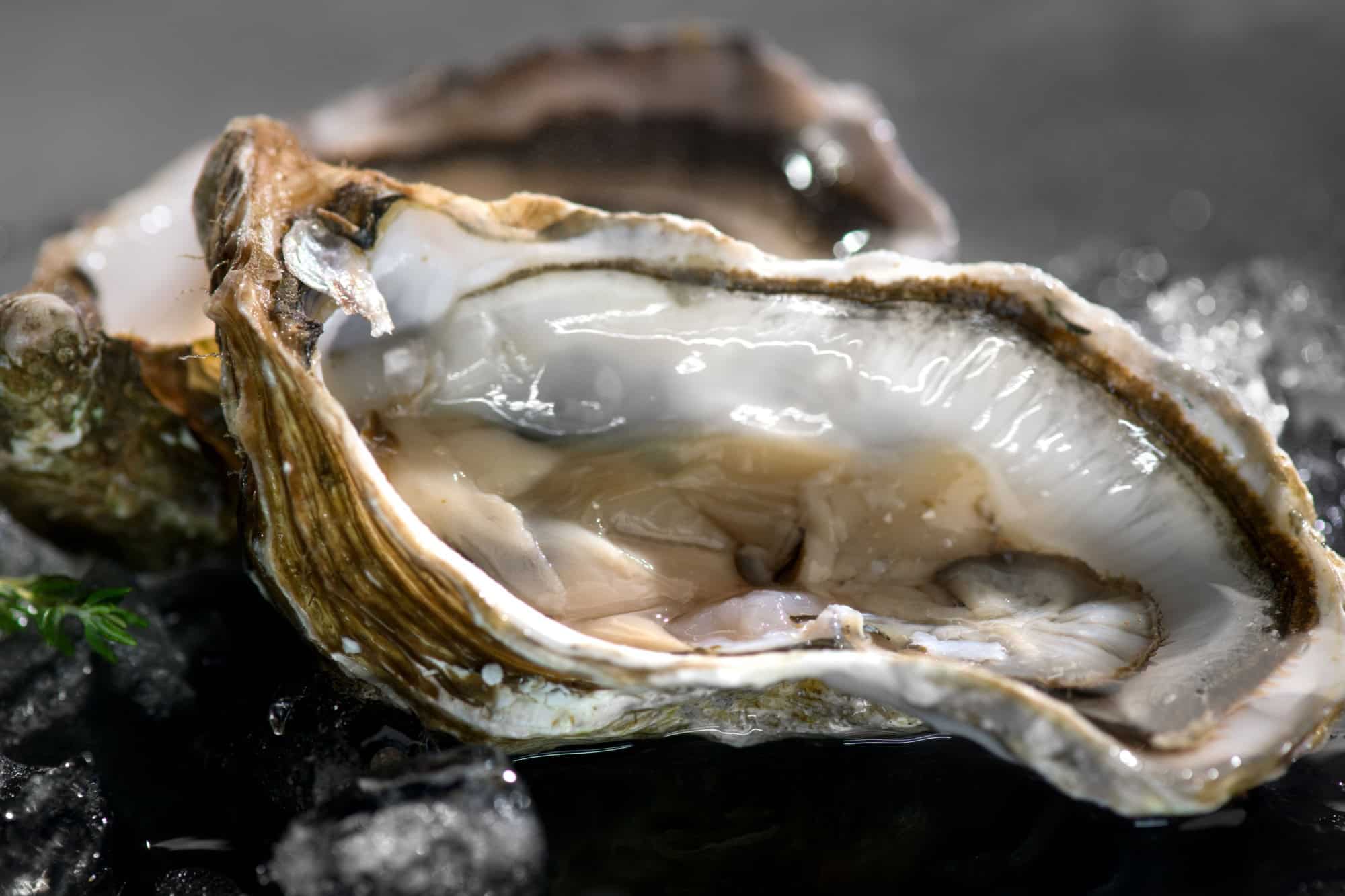
Shrimp cocktails with shells? That ain’t happening in a few prison systems. They’ll skip shell-on seafood entirely, as there are too many sharp pieces to keep track of. It slows down food service. When seafood’s on the menu, it’s already shelled & cooked, so there’s nothing left to hide.
Like our content? Be sure to follow us.


