

Romans left more than just crumbling buildings to the modern world. They also left behind words. The Roman words for clothes, roads, and occupations found their way into English. In fact, some of them are still around in our daily conversation. You may be using a few right now and not even know it. Let’s take a look at 12 Roman words we use today and what they mean.
Featured Image Credit: Shutterstock.
Arena
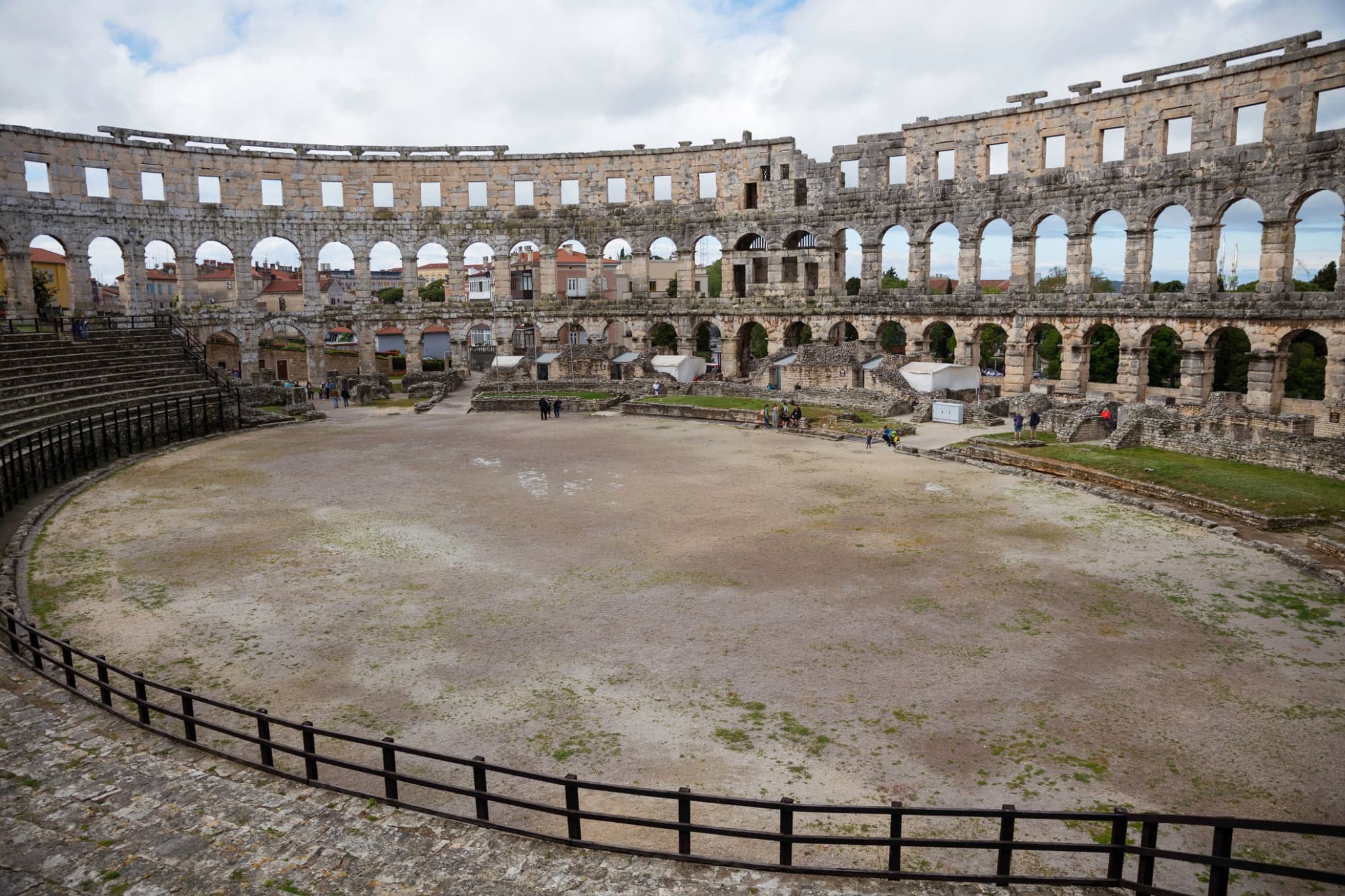
In ancient Rome, of course, the arena was where everything happened. Gladiators, animals, sometimes both. The floor was covered in sand to absorb blood and a lot of fluids. Nowadays “arena” can be used to just mean any large place for events or competitions. Arenas for sports, debate arenas, the list goes on.
Tunic

Everyone in Rome wore a tunic at some point (men, women, kids, everyone). Easy to move in, usually hitting the knees. It’s like their version of a T-shirt or simple dress. The word stuck, and we still call comfy, loose clothes “tunics.”
Aedile

Aediles were the men who were in charge of maintaining Roman cities. They supervised construction, organized festivals and generally made sure that things didn’t fall apart. You virtually never see this word in the present day unless you are looking at a history book. It’s just an archaic way of calling city officials or municipal administrators.
Tutelage

“Tutela” in Latin meant guardianship. In Rome, it usually meant a kid had someone in charge of them, part protector, part teacher. English turned it into “tutelage,” which now just means guidance or mentorship.
Praetor

Praetor? He was a Roman judge. Simple enough. They oversaw legal proceedings and sometimes had a vote in city matters. You won’t find them on the streets today but in textbooks or your dusty history tome they are your city’s magistrates.
Vestal

The Vestal Virgins had a tough job, which was making sure Rome’s sacred fire never went out. They followed strict rules and were admired for it. Nowadays, calling someone “vestal” is a way to say they’re really pure or dedicated, usually in old stories or fancy writing.
Domus

A domus was what rich Romans called their homes. Think lots of rooms, fancy courtyards, and space to show off a bit. The word made it into English to describe big, impressive Roman-style houses.
Pantry
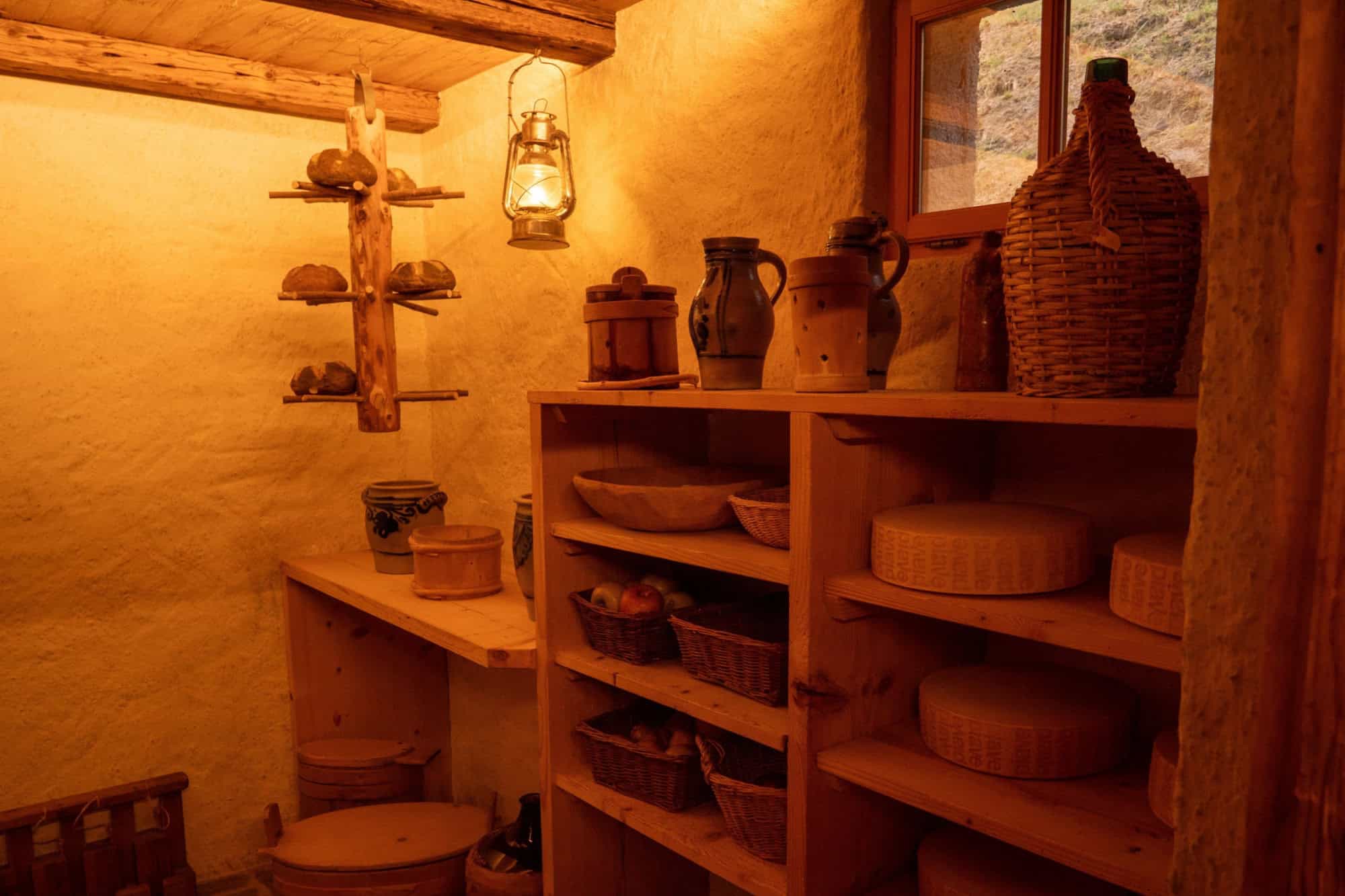
“Pantry” traces back to Panis, Latin for bread. Romans kept their bread, olives and garum (that fish sauce they loved) there (basically their mini food stash). Today, it’s the cupboard or small room in your kitchen where you store all your food.
Basilica

Basilicas in Roman times were where legal cases and meetings of the city were heard. It was basically like a hall. Lots of people in togas yelling at each other. Churches were later modelled after basilicas, and now the word just refers to an impressive building or church.
Olive

Ever wonder where the word “olive” comes from? Latin oliva. Romans used olives in pretty much every meal. We still call them the same today, so that little fruit has really lasted the test of time.
Cup
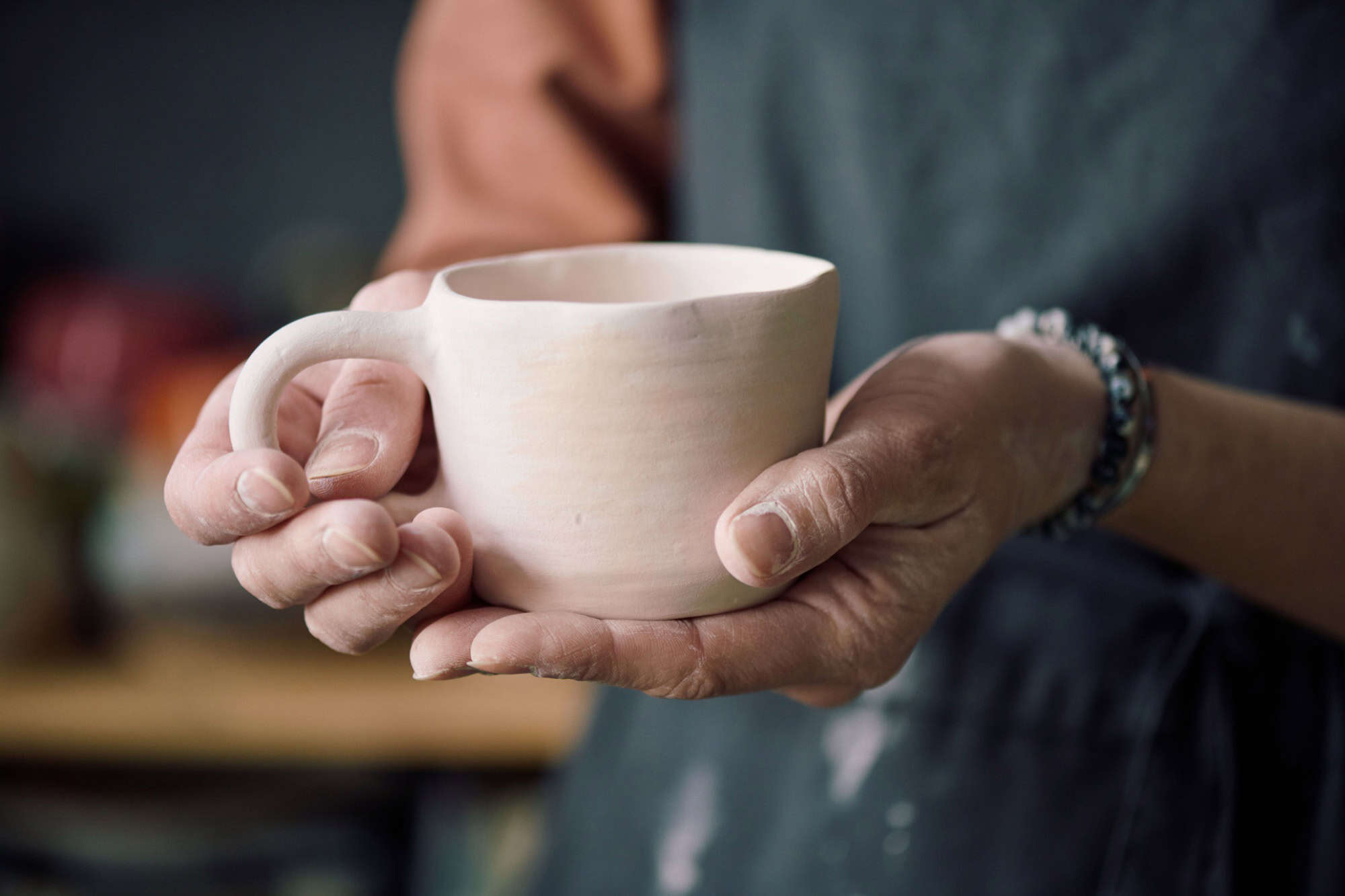
Back in Roman times, they drank from cuppae. Now we just call them cups, whether it’s for tea, coffee, or even a quick sip of water at your desk.
Ball

Ball derives from the Latin ballare, to dance. Romans danced at parties and celebrations (likely much more wildly than at our weddings). It came to mean a formal dance.
Like our content? Be sure to follow us.


