

Some dog breeds actually need to be around you, rather than simply liking it, and here are twelve that need to sleep near you to feel safe.
When the lights go out
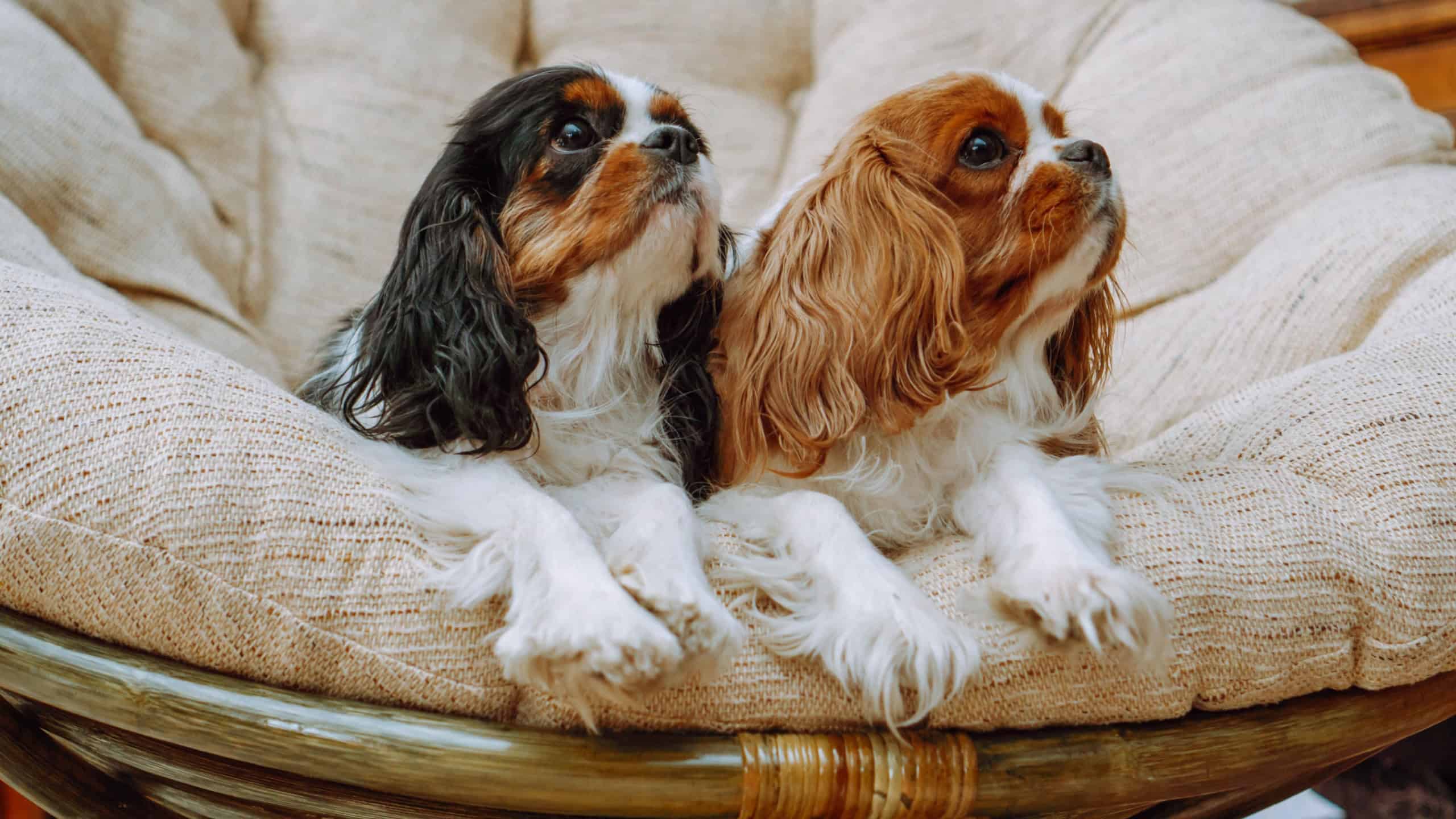
Cavalier King Charles Spaniels aren’t the kind of dogs that understand personal space, and that’s mostly because of their genetic history. Humans originally bred them as lap dogs.
As such, they’re still affectionate and eager to stay close to their owners, with sources like the Cavalier King Charles Spaniel Club claiming that they’re not suited to kennel-style living.
This breed’s history causes them to drift towards you once things settle down. Rather than preference, the issue is one of habit, and sleeping near their humans is simply part of how they’ve always lived.
Right behind your heels

Havanese dogs are another breed that refuses to wander off and do their own thing. Instead, they’ll stick close, and that’s why they’re known as social companion dogs that thrive on attention. They’ll stay near their owners throughout the day.
As you might’ve guessed, that pattern doesn’t simply disappear at night, and if anything, it becomes more obvious. These dogs will settle wherever you are when everything slows down, mostly because it’s the one place they consistently choose.
Under the blanket somewhere
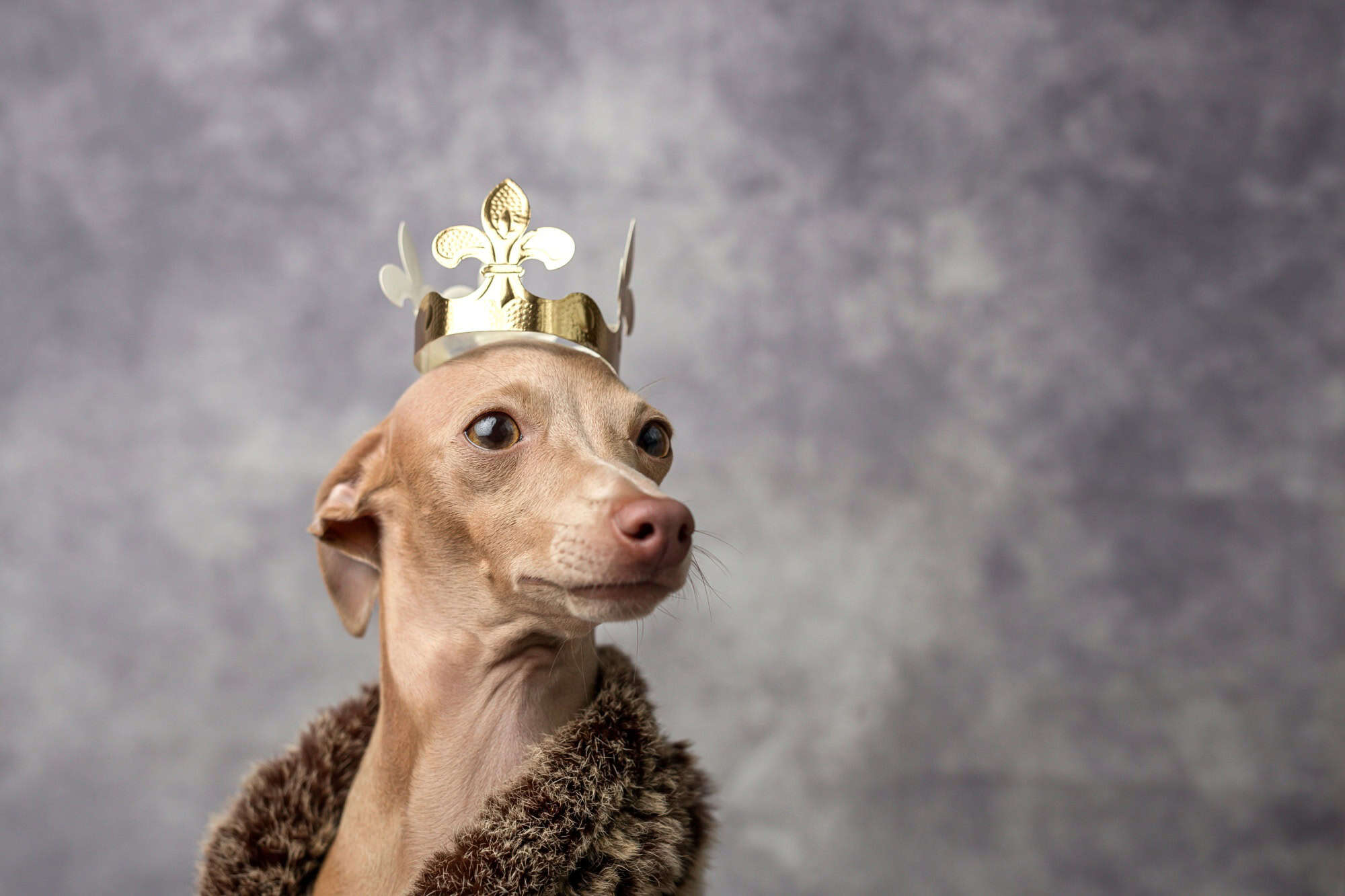
Italian Greyhounds have a reputation for sneaking under blankets. It’s not an exaggeration. According to the American Kennel Club, they’re very affectionate and strongly people-oriented, meaning that they don’t handle being ignored by their owners very well. But there are also other reasons.
It turns out that these dogs are physically sensitive to cold, so they end up seeking both warmth and contact at night. They’ll try to get as close as physically possible when it’s time to go to sleep.
Closer than you expected
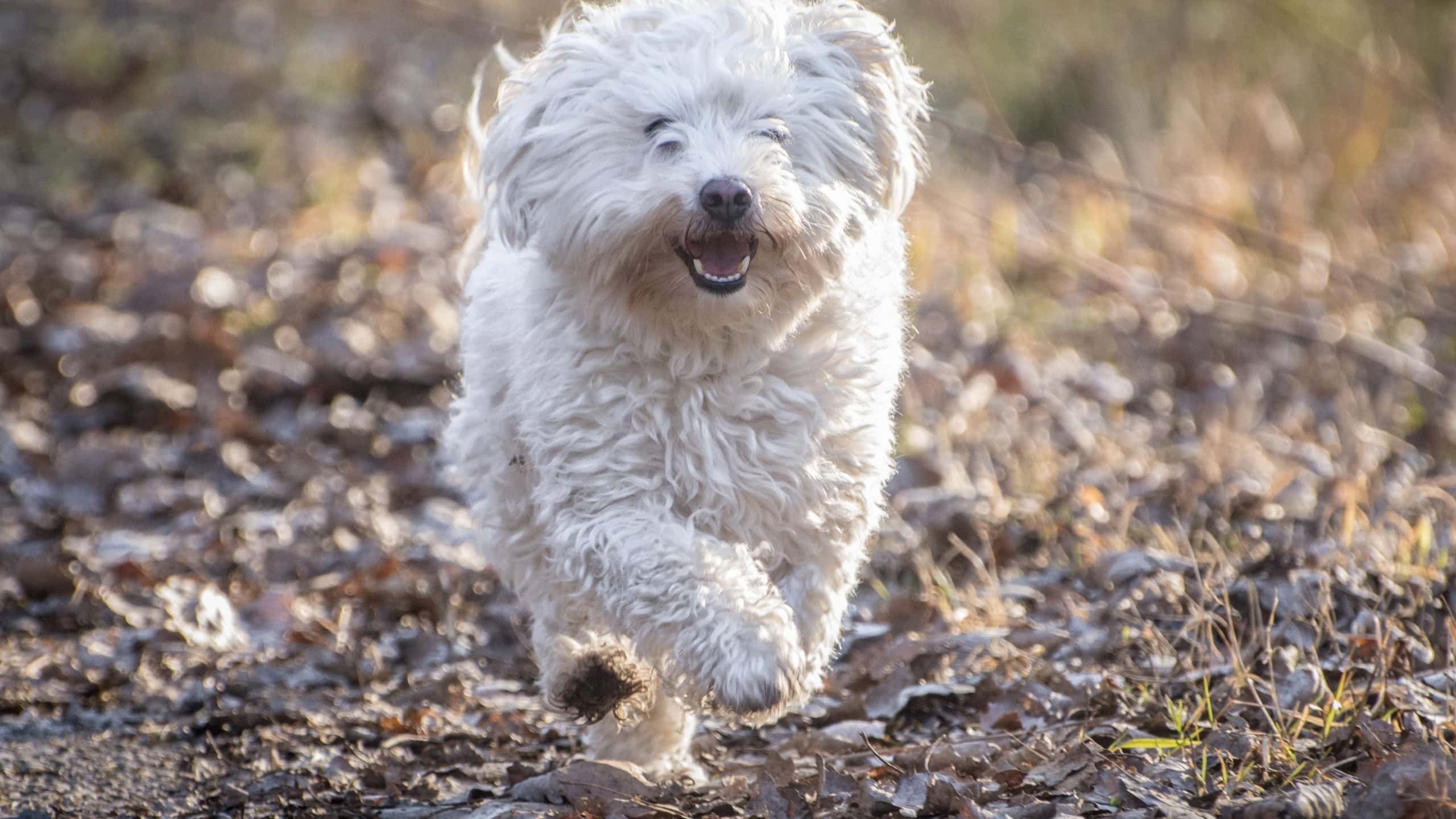
Sure, Bolognese dogs hardly make a big show of it, yet anyone who owns one of these dogs will know that these pups love staying close. They’re as calm as they are faithful.
Unfortunately, that does mean that Bolognese dogs can struggle with being alone for long stretches of time, especially at night.
These dogs are less likely to wander off when the house goes quiet and more likely to settle close to a familiar person. Their behavior is more consistent than anything obvious.
The truth is, Bolognese dogs stick close because that’s the kind of behavior that they’re most comfortable with.
The little shadow problem
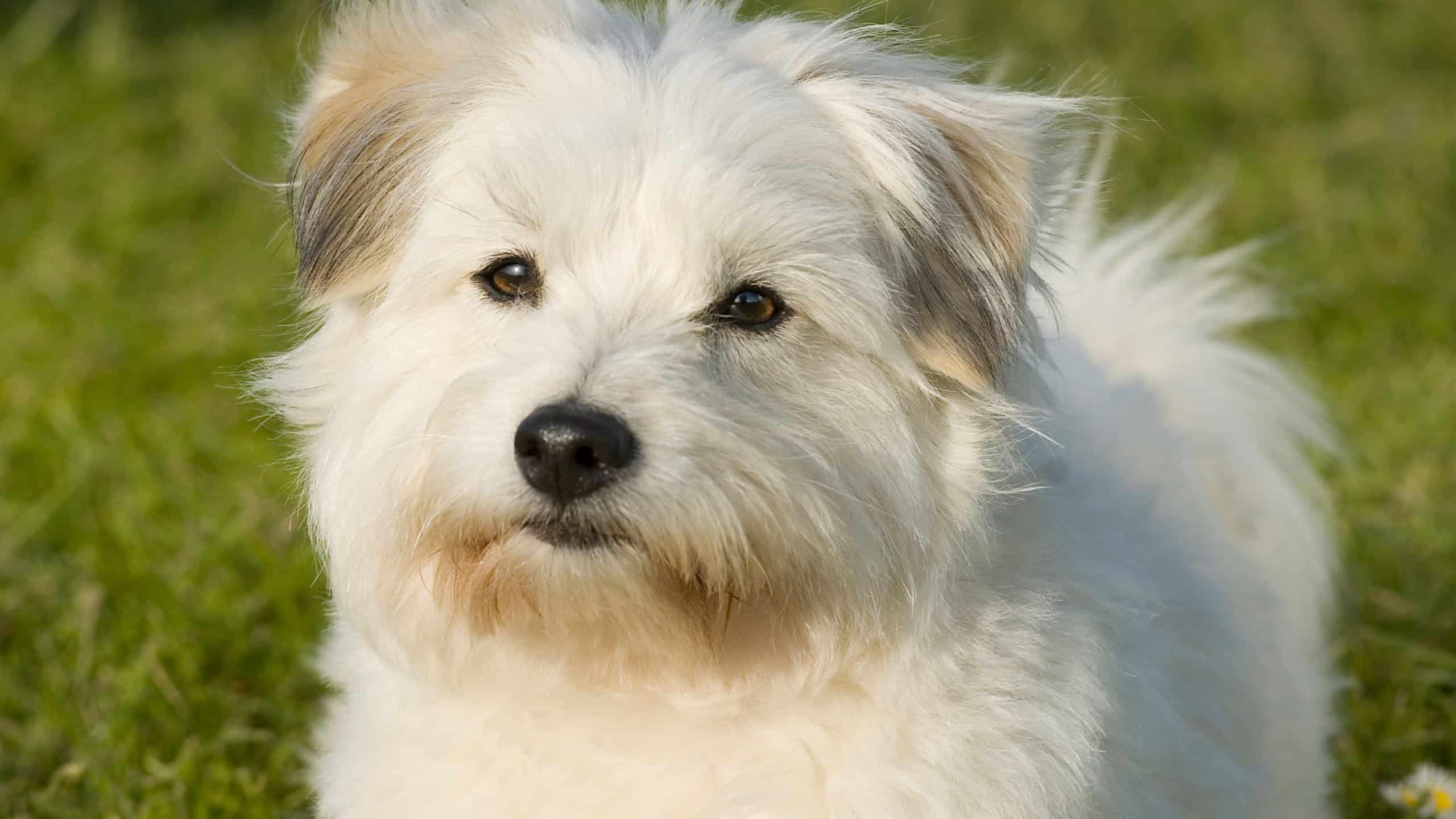
Coton de Tulears are a breed that pick one person and stay near them. Apparently, they’ll follow their special human constantly through the day, and such a habit doesn’t stop simply because it becomes night. In fact, it becomes far more noticeable.
There’s not much else going on at night, so you’re more likely to notice that your pup has stopped spreading out around the house and instead chooses to stay next to the same person. It’s quite cute, really.
Still acting like palace dogs
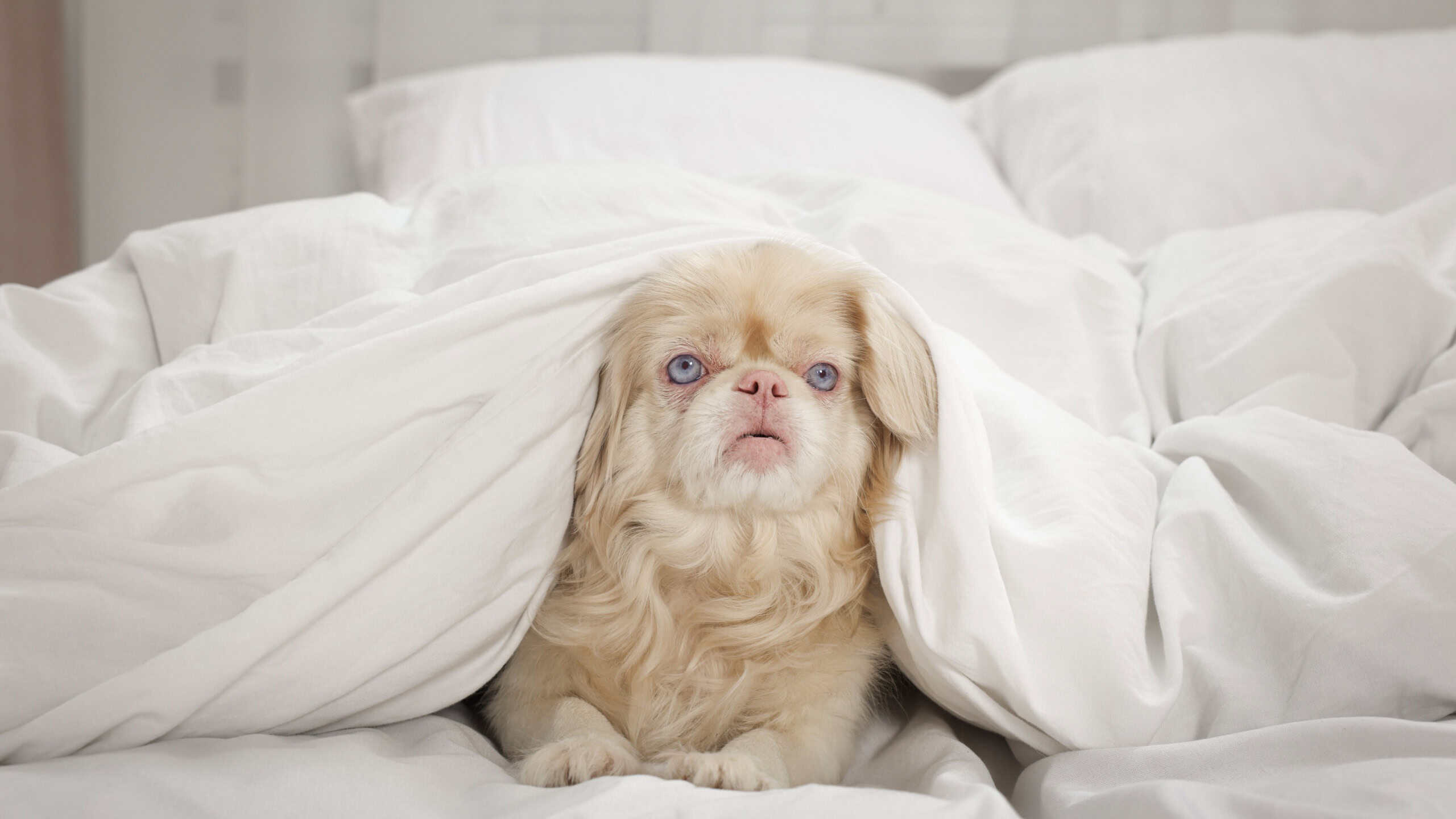
Pekingese dogs weren’t bred to work or guard, but rather, they were bred to sit with people. It’s something they still do today.
Yes, this breed’s role has always been to comfort and stay close, which are two things that they do exceedingly well. They’re not the kind of independent breed you might find with other dogs.
As such, when the day comes to an end, these dogs will avoid sleeping across the room and will choose to sleep nearby. It’s how they’ve always been kept, historically and up to now.
Always in the room

Shih Tzus have spent many generations indoors in close quarters with people, as they were bred for life inside palaces. They’re not great for doing independent work.
Such breeding means that, today, they’re used to constant proximity to their owners instead of any kind of occasional interaction.
They’re not exactly looking for distance when they settle down for the night. Essentially, Shih Tzus are used to being in the same space as their owners, and they’ll keep behaving this way when everyone’s getting ready to nod off, too.
More attached than they look
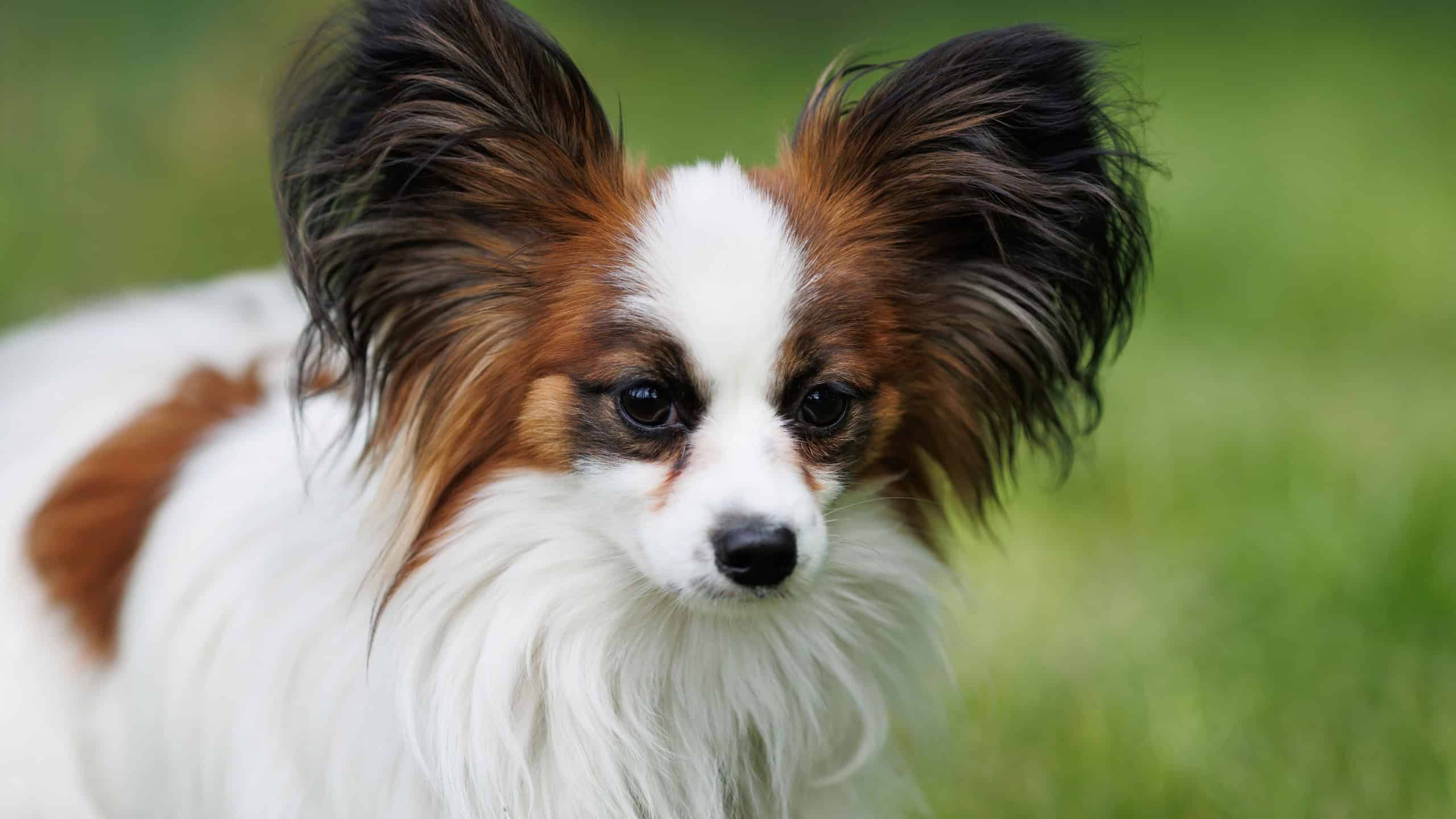
At first, Papillons seem like they’re relatively independent breeds because they’re so active and alert. But the American Kennel Club states that these dogs don’t do well when you leave them alone for long periods of time.
They might move around a lot during the day, yet these dogs still rely a lot on human presence.
All that energy disappears at night. What you’re left with is the attachment, and rather than choosing distance, many Papillons settle near their owners and those with whom they have a constant relationship.
Watching you from two inches away
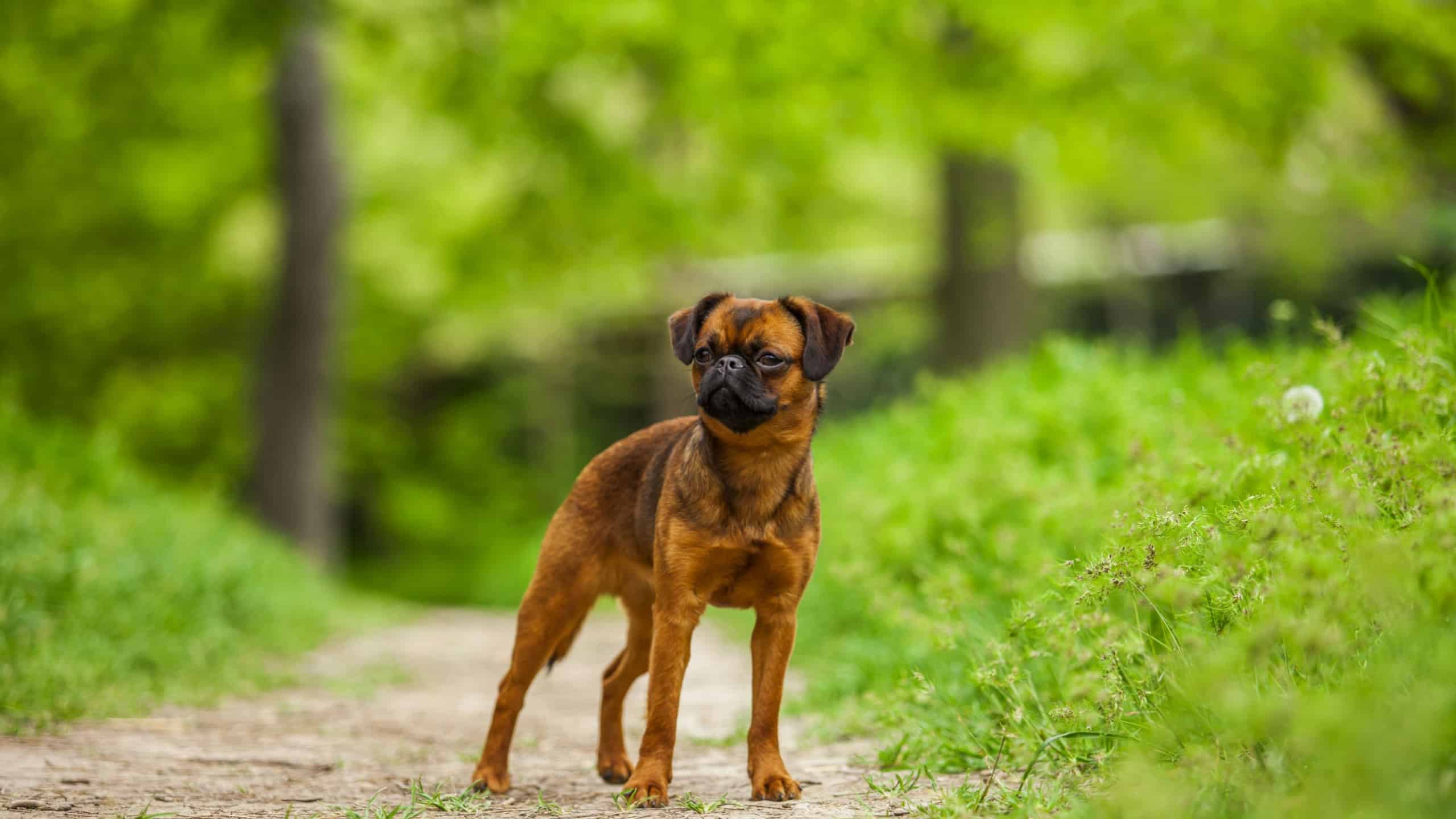
You won’t find many Brussels Griffons that understand the concept of ‘background presence.’ No, this breed will notice when you shift your foot or sit down, and they’ll pay careful attention when you’re looking at your phone. It’s all because they’re such sensitive and devoted dogs.
These pups continue that behavior during the night, and they’re constantly aware of what you’re doing. They’ll stay close enough to keep track of you because they really do think that being near you will keep them feeling safe.
The one already on your pillow
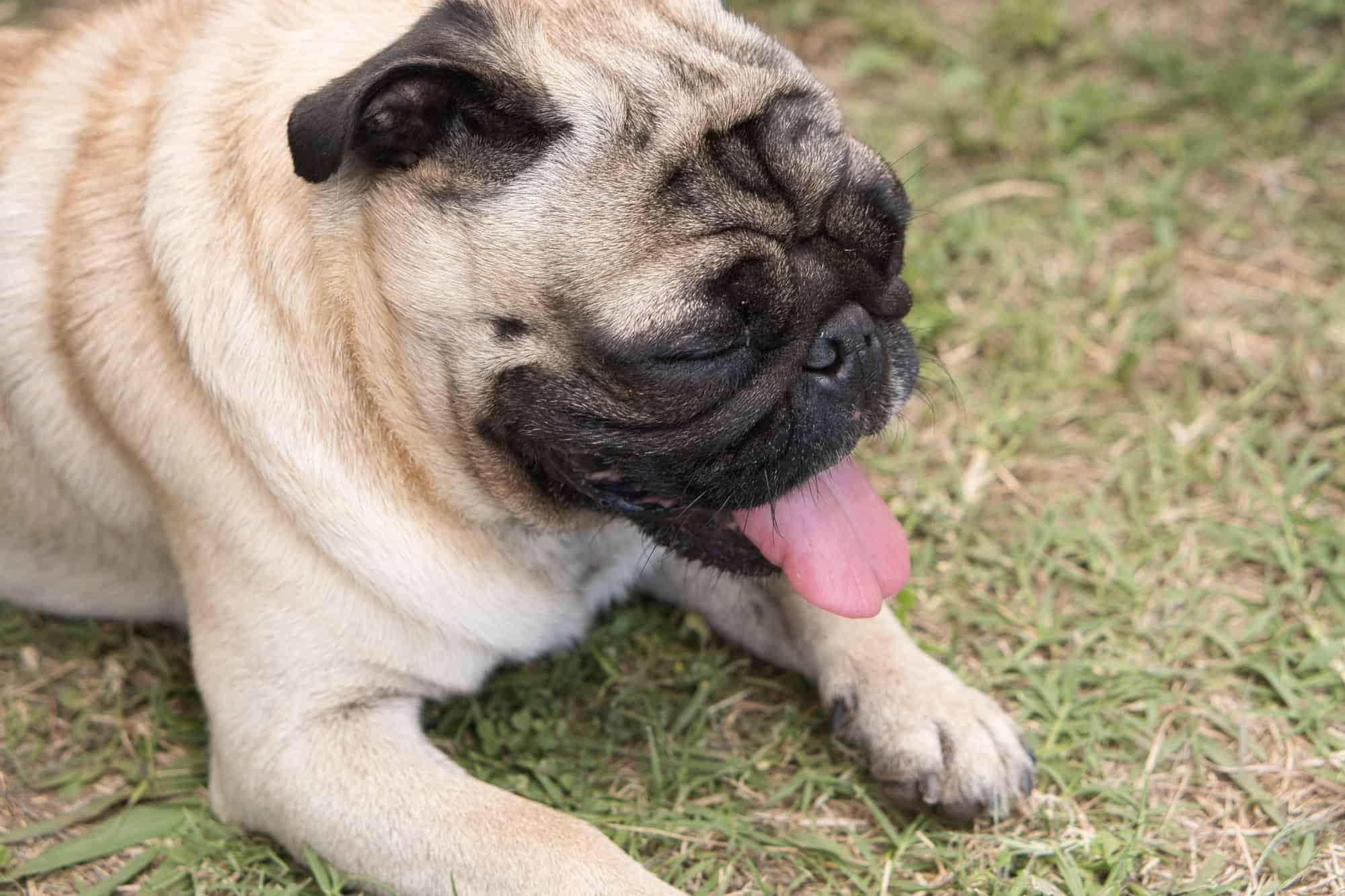
You probably won’t be surprised to learn that Pugs don’t exactly do a lot of overthinking. They’re loving and people-focused breeds that refuse to test out different areas around the room at nighttime.
Most of the time, they’ll simply go for the closest possible place to you.
That might be your lap or your blanket, perhaps even your pillow. Such behavior has been noted in this breed for years, and that kind of closeness tends to continue through the night. They’re a clingy breed that won’t change anytime soon.
Quieter than they seem
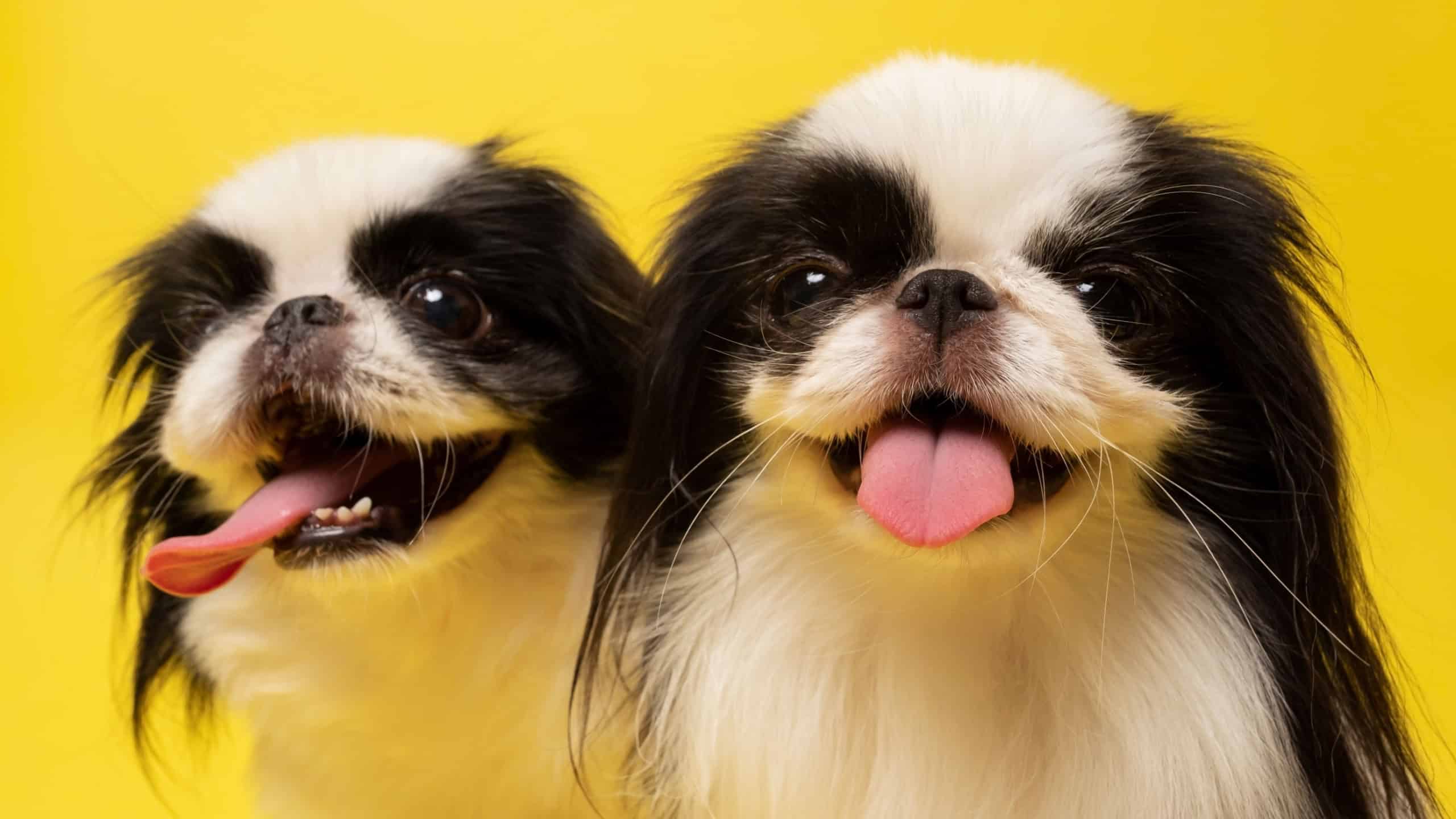
Japanese Chins are relatively calm dogs on the surface, yet they also rarely choose to be far away from their owners, mostly because they’re lap dogs. The American Kennel Club actually refers to them as companion animals, so you’ve probably got an idea or two about how these dogs are wired.
Rather than trying to explore the house at night, they’ll simply stay nearby, often without making too much of a fuss about it. They’ll remain in the same space as you and do so in a way that’s easy to miss.
Not just the small ones
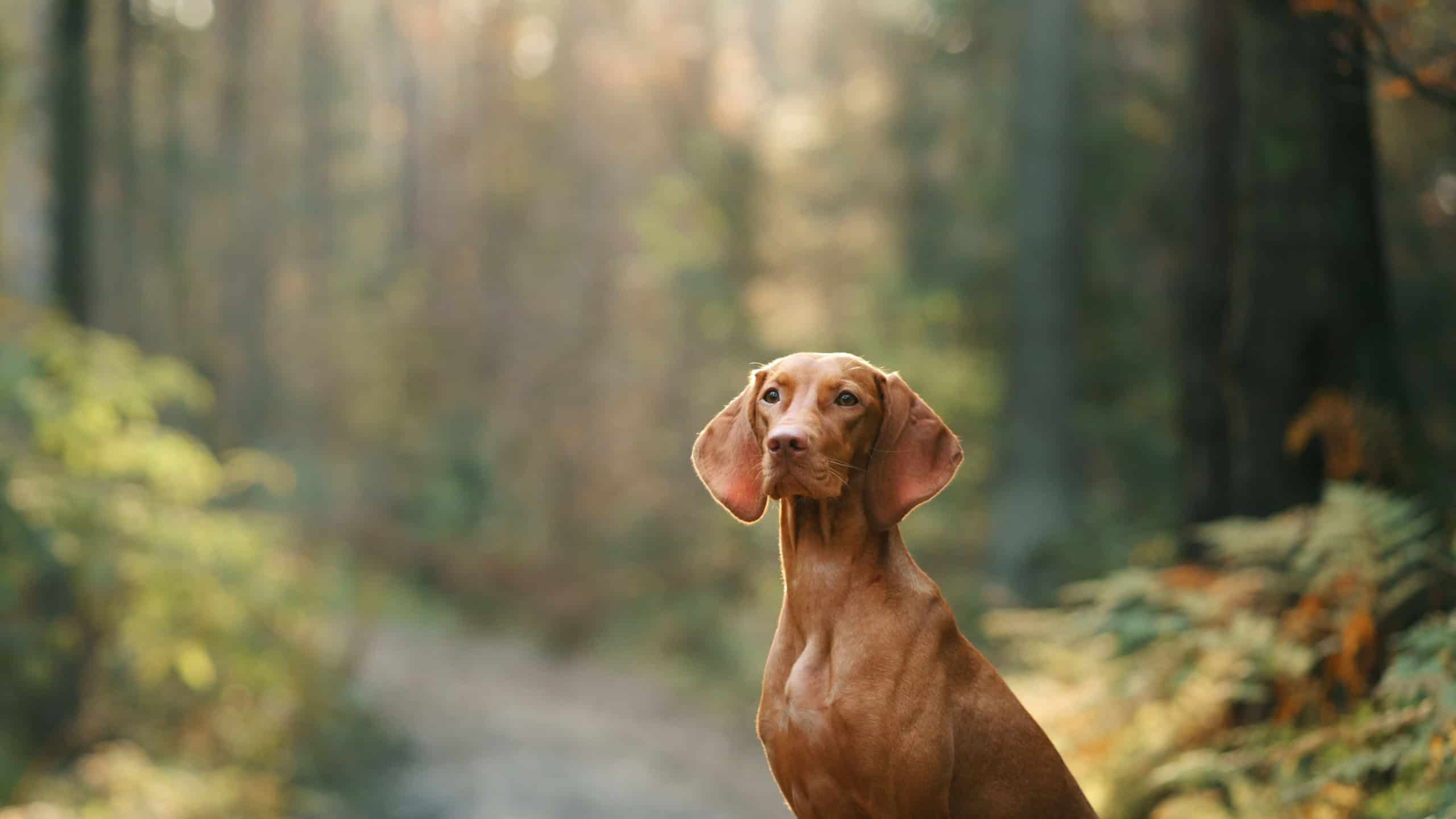
Size isn’t everything, and Vizslas are a great example of that. Some people refer to them as ‘Velcro dogs’ because of how much they stick to their owners, and these species get very unhappy when they’re separated from their family.
They’ll do whatever they can to make sure they’re part of their humans’ daily lives, including during downtime. When it’s time to sleep, you’ll probably notice that your Vizsla is staying close, sometimes closer than you might expect for a dog of that size.
Sources: Please see here for a complete listing of all sources that were consulted in the preparation of this article.
