
Reading the Bible from a purely modern perspective can lead to immense confusion, and lead to some big questions.
Who made up weird rules like not wearing clothes made with two different kinds of fabric?

“You shall keep My statutes. You shall not let your cattle breed with a different kind. You shall not sow your field with two kinds of seed. You shall not wear a garment made of two kinds of thread” (Leviticus 19:19).
Rules like this seem strange to us, super-specific and completely removed from any moral teaching.
However, keep in mind that this commandment came among many others which taught separation and distinction. Farmers weren’t to mix seeds. Livestock were to be separate too. Clothes shouldn’t be mixed either.
Some historians have pointed out that many of the fabrics that couldn’t be mixed symbolized different things among surrounding cultures. Wool and linen, for example, may have held certain religious significance when blended.
Though historians may never know the reason for certain, the majority seems to agree that this was yet another physical reminder that the Israelites were supposed to be set apart from those around them.
How were scribes able to copy these behemoths by hand for centuries without totally corrupting the text?
The notion that one book has been copied hundreds of times over the course of thousands of years is enough to make even the most devout Bible reader nervous about the legitimacy of our current translations.
Ancient Jewish scribes used what we call the Masoretic system of copying. Scribes copied more than just words from one scroll to the next.
Scribes numbered letters, words, and even sections of text to ensure what they wrote matched the master manuscript they copied from. If a scribe made a large mistake, it usually meant the sheet would need to be scraped away and started over. These techniques allowed the text to be copied with very little change for hundreds of years.
Why are two completely different creation stories found side-by-side at the beginning of Genesis?
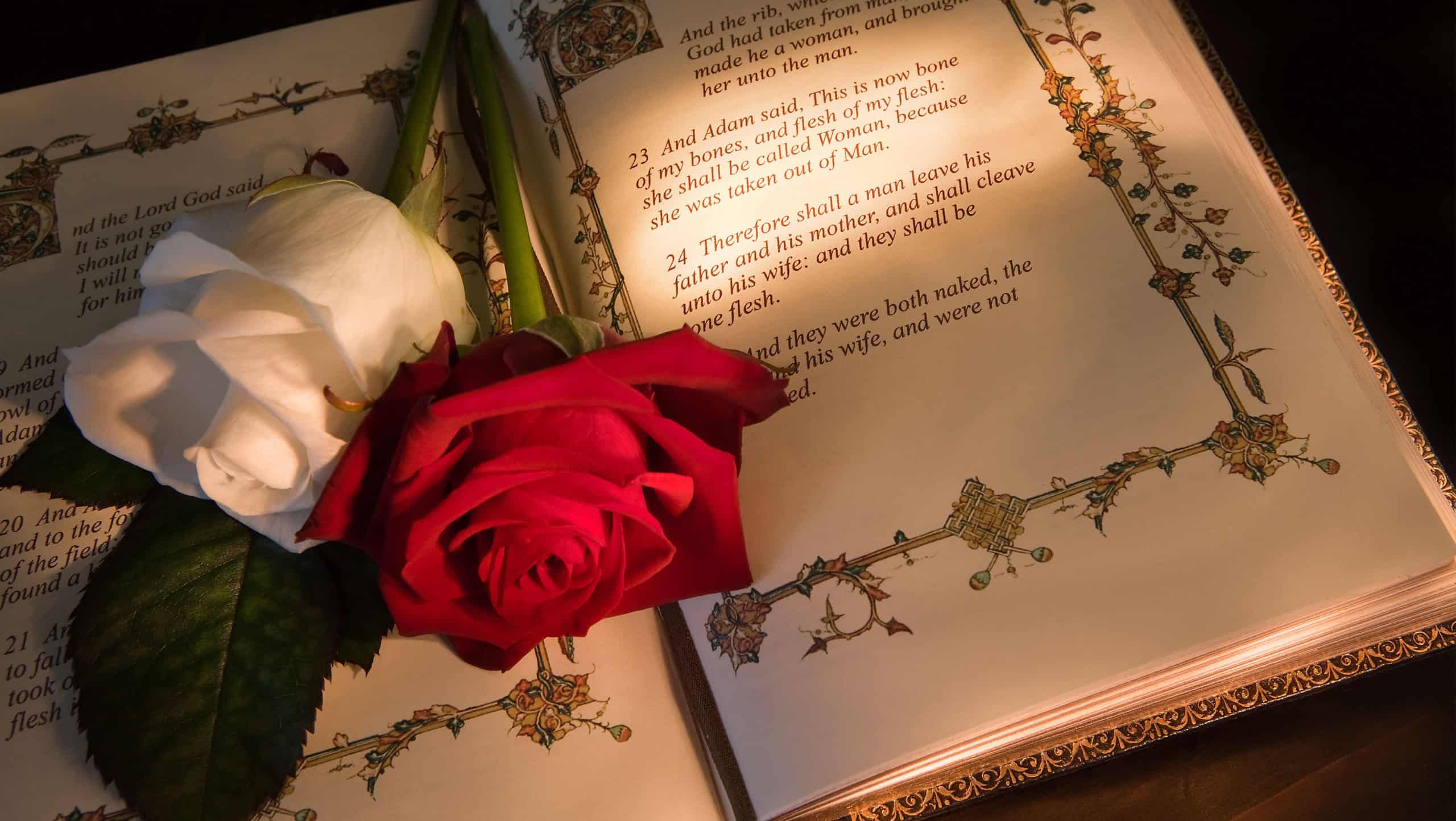
Genesis 1 is mechanical. The focus is God as creator of the universe. Man is created last.
Genesis 2 is personal. It focuses on man and his relationship to God and the Garden. God forms man from dust, then plants a garden, and then animals are created.
The casual reader, stumbling right into chapter 2 after reading chapter 1, sees this precise juxtaposition of two completely opposite literary structures and thinks, “Whoever edited these ancient scrolls didn’t do a very good job.”
Ancient Near Eastern authors often wrote a sweeping, poetic description of an event next to a microscopic, character-driven narrative about the very same event. They weren’t trying to write a chronological scientific journal. Two different angles were used to communicate the theological connection between man, earth, and God.
So, who exactly were these “Nephilim” that appear right before Noah’s flood narrative?
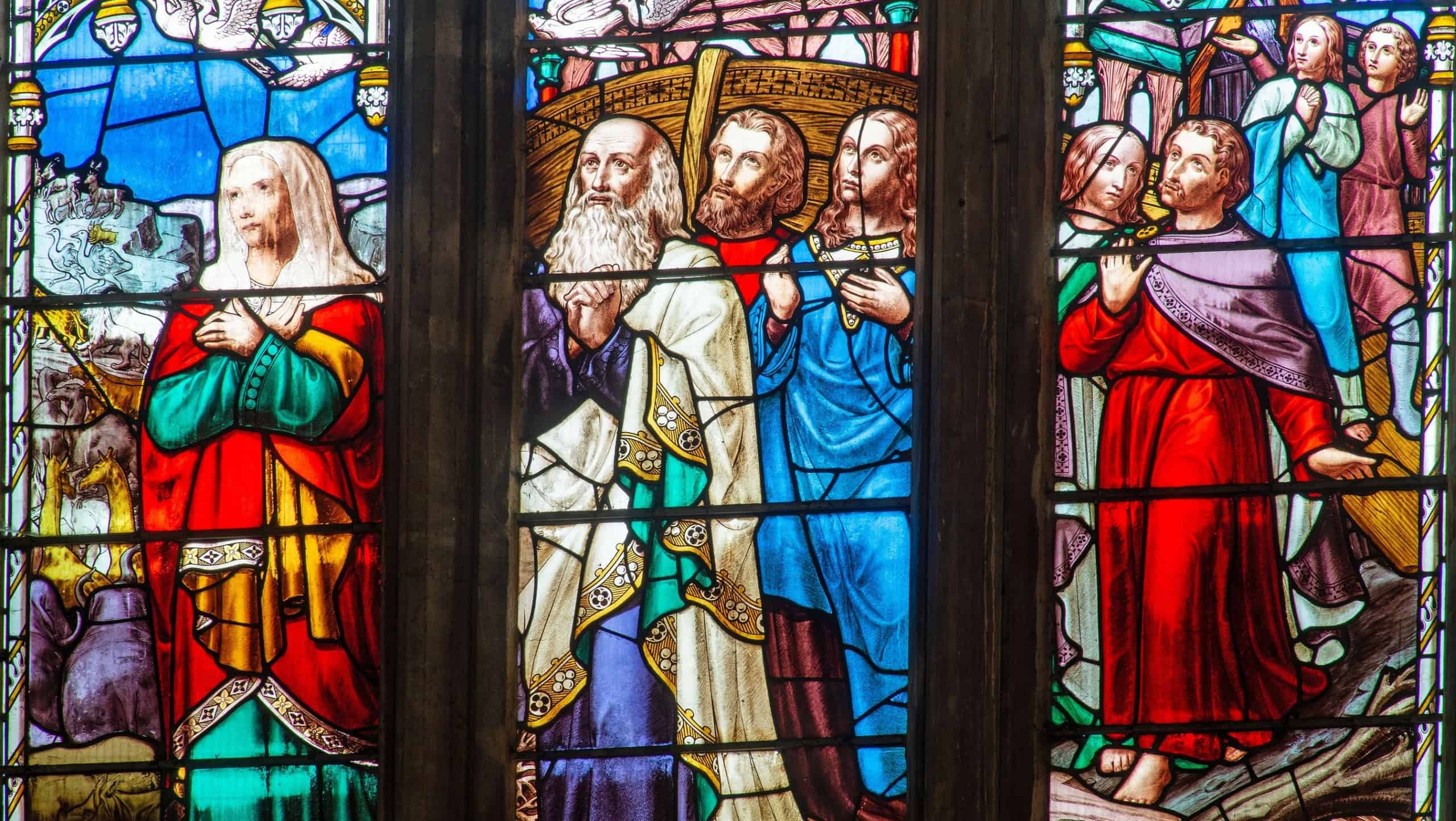
The Nephilim are mentioned only briefly in Genesis 6: 4, often rendered as giants or fallen ones. The verse says they inhabited the earth in the time when “the sons of God” married the “daughters of humans.”
Even though they are only mentioned in a handful of verses, the Nephilim have intrigued readers for generations. Their ambiguous identities have allowed for all sorts of interpretations by religious leaders, historians, and modern authors alike.
Contextually and historically speaking, most understand this verse to be talking about tyrant kings from the past who took credit for overthrowing their enemies in battle by proclaiming themselves to be descendants of God. And they are mentioned to illustrate just how evil and god-like mankind had become through their violence.
Why weren’t other “books of the Bible” included?
How did ancient Christians decide which books were in the Bible and which were not?
Was it a clandestine group of bishops who gathered and decided, based on personal preference, which texts to include to keep their grip on power? Not even close.
The canonical Bible was the result of a gradual communal consensus that took hundreds of years to develop. Strict historical tests had to be passed in order for a book to make the cut: Was it actually written by a disciple of Jesus? Did it line up theologically with other established scriptures? Was it actually read by the other churches?
Stuff without historical origin or wildly contrary teachings didn’t make the cut because early Christians rejected them.
Why does Revelation sound like a horrific, hallucinatory nightmare vision of intergalactic armageddon?

As the Bible’s psychedelic closure full of dragon-esque anti-christs and asteroid showers, Revelation confuses readers by being deliberately hyper-apocalyptic.
We expect it to be a rational future-forward prophecy, but it was actually written as something entirely different: Jewish apocalyptic literature.
Apocalyptic writers drew heavily from pictographic political cartoons to empower persecuted minorities by reminding them that the current empire is only temporary and good will prevail.
John of Patmos was writing in code to condemn the Roman Empire’s atrocities without facing immediate execution. When you look at it that way, the complex imagery in Revelation suddenly becomes crystal clear.
How could Jesus have missed 18 years of his life story? Where did he spend those missing years?
From one chapter we see Jesus as a twelve-year-old speaking with religious experts in the Temple of Jerusalem. The next chapter we find him as a thirty-year-old man beginning his public ministry at the river Jordan.
It makes you pause and consider, was he off living in India somewhere? Maybe he became a guru? Seriously, though, there is no historical evidence for those theories whatsoever.
The reality is that biography in the ancient world was typically very brief and only focused on the highlights that directly related to one’s life mission. So what was Jesus doing during those missing years?
He was living in Nazareth as a working-class artisan and providing for his family. He was living out the routine, mundane day-to-day life of an ordinary human being.
Why does Paul dedicate so many pages to arguing about local hairstyles and food choices?

It can feel odd to flip through the New Testament letters, only to have a profound theological discussion abruptly paused for incredibly detailed directives on women’s headwear or abstaining from idol-sacrificed meat.
The NT books aren’t theoretical essays on religious topics. They’re real letters written in real time to address specific problems happening in actual ancient cities.
The conflict over whether Christians could eat meat sacrificed to pagan idols was for many poor Corinthians an economic and social crisis. They couldn’t afford meat unless they went to a pagan feast where animals had been sacrificed.
When you realize how localized and messy ancient life was, a lot of random passages become totally logical.
Why would God tell the Israelites to commit mass genocide in the Old Testament and then forgive sins in the New Testament?
If you’ve ever read from the beginning to end of the entire Bible, you’ve likely experienced this millennia-old intellectual friction.
How can a reader harmonize the radically violent, war-torn God of Joshua with the loving, forgiving teachings of Jesus?
Many scholars explain that the Bible chronicles the progression of revelation. Through thousands of years, we see a nomadic ancient culture gradually ushered out of their brutal, primitive thinking.
Jesus doesn’t negate the past; instead, he completes and refines it. Once the Gospel is fully revealed, all earlier portrayals of God naturally come into focus through this final lens.
Why do Catholics and Protestants have entirely different numbers of books in their Old Testaments?

Did you know there are more books in the Catholic Bible than the Protestant Bible?
Catholics contain 73 books within the Bible. Protestants have 66. Books such as Tobit and 1 and 2 Maccabees are part of the Catholic canon for the Old Testament, but aren’t included in Protestant bibles.
Originating from the Protestant Reformation of the sixteenth century, Protestants wanted to solely use the Hebrew canon that Judaism used. Catholics continued to stand by the Greek Septuagint which was commonplace for Early Christians.
What does the “Mark of the Beast” refer to?
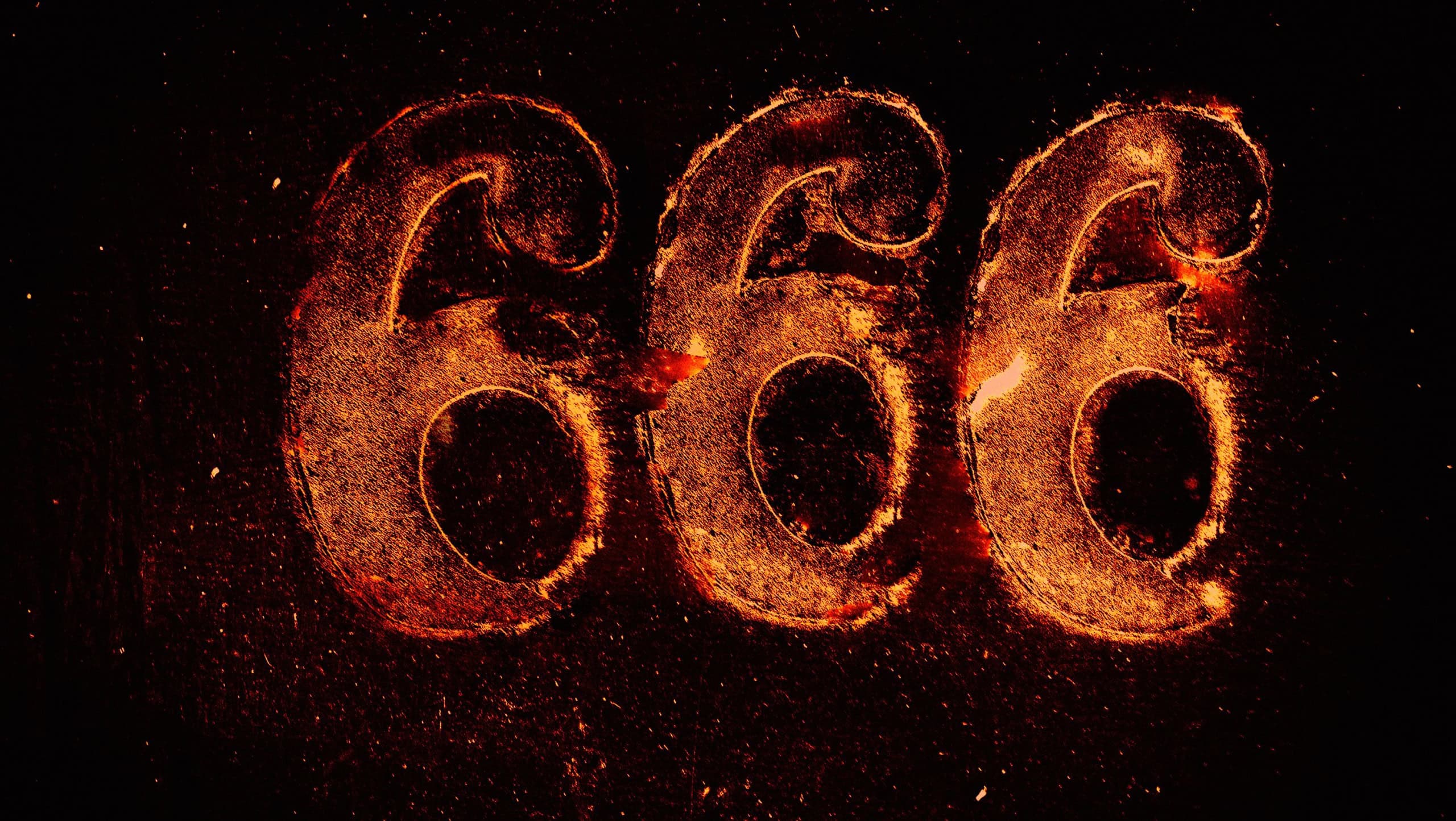
For ages, people have linked the number 666 with dread, stretching back through the centuries.
Many today will point towards bar codes, microchips, social media groups, or political leaders as representations of 666. Yet most people fail to understand the world behind the writing of Revelation.
People who lived during this time knew of Gematria. Gematria involved assigning numerical values to letters or names. Consequently, a significant number of scholars propose that early readers would have perceived 666 as a numerical code for an individual or designation.
If you take Nero Caesar’s name and translate it to Hebrew, then add up the numerical value of each letter, you get 666. And the scripture is nothing more than a dire, politically explosive wakeup call to first-century Christians that they were living in a time of extreme persecution at the hands of a savage dictator.
Why doesn’t Mark’s Gospel tell us what happened after Jesus rose from the dead?
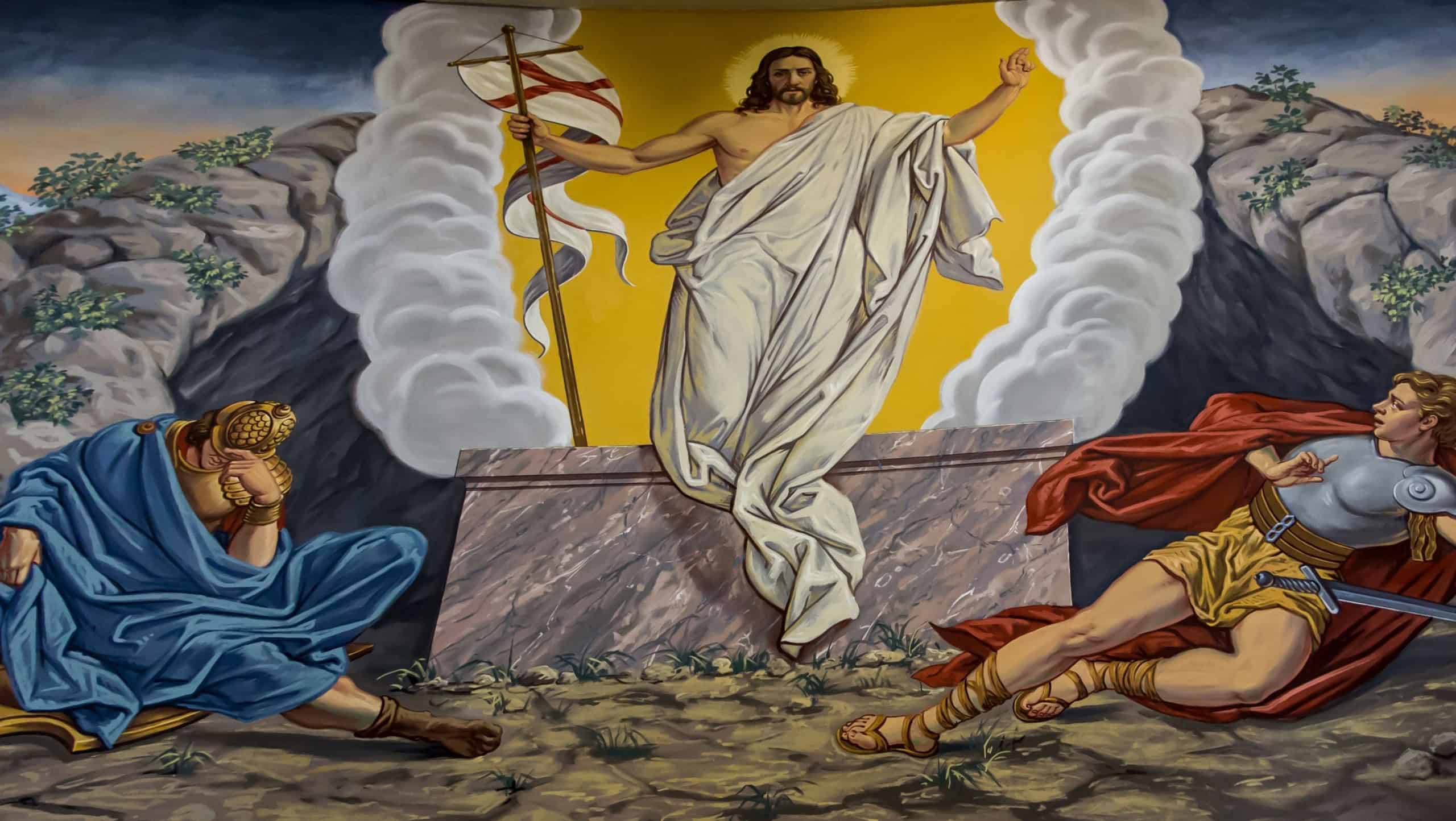
The earliest manuscripts of Mark’s gospel stop suddenly in 16: 8, with the women fleeing from the tomb in fear and saying nothing.
Scribes only added ending(s) where Jesus appears to the disciples because the original ending was too terrifying for most readers.
Mark likely crafted that sudden conclusion as a brilliant literary choice, compelling readers to personally grapple with the empty tomb and commit to living as if its truth were real.
Sources: Please see here for a complete listing of all sources that were consulted in the preparation of this article.
