

Boomers had some of the coolest slang around, and it’s all because they managed to pack a lot of attitude into a few words.
A little question

Someone asking ‘What’s your bag?’ doesn’t really care about your luggage. No, they want to know what your problem is. They want to know what you’re passionate about. It’s part of why it’s such a good phrase.
You’re able to cover so many topics in a single word. ‘Bag’ could be your mood or your personality, your interests, or your attitude. It’s way more interesting than just saying ‘What’s up?’ That’s so boring.
Something about records

There’s no point settling for a boring old ‘goodbye.’ ‘Catch you on the flip side’ sounds a lot more unique. It comes from the days of vinyl records. You had to flip the record over for the next song. Honestly, that’s why the phrase sounds so good.
There’s no sense of a permanent end. Instead, you’re telling them that you’re going to see them again. It’s a lot more refreshing and interesting than just saying something like ‘goodbye.’ How unoriginal.
A cold kind of annoyed

Most people think of anger as something hot. We have a billion phrases for it being ‘hot’ or ‘boiling.’ But boomers saw it differently. They used the phrase ‘that really frosts me,’ and honestly, it works.
The phrase completely flips the normal image you’re expecting from anger. You’re telling someone that your patience has iced over, and that’s quite the image. It sounds a lot colder. It sounds a lot more sarcastic. The other person’s probably not going to forget hearing it.
One for later

Don’t take ‘put that in your pipe and smoke it’ as an insult. It’s not. It also has nothing to do with smoking. You’re just telling someone, ‘There. Deal with that,’ and making them sit on what you’ve told them.
It hits a lot harder than something like ‘think about it.’ That’s way too generic. Telling them to ‘smoke it’ challenges them to accept a fact. It’s likely that they’re going to agree with what you’re saying.
One word, plenty said

There’s a bit of bite to ‘stop bogarting it.’ It’s more memorable than the standard ‘stop hogging it.’ But where did it come from? It all started in the 1960s. Movie star Humphrey Bogart had a signature way of leaving a cigarette hanging out of his mouth.
‘Bogart’ became a way to talk about someone who kept being greedy. It works because it’s not rude. It’s not going to cause arguments. But you’re still putting someone in their place, even if they don’t realize it.
Still rolling

Honestly, ‘keep on truckin’ shouldn’t work that well. But it does. It’s a motivational phrase that basically means ‘keep going,’ but with a lot more personality. We have comic artist Robert Crumb to thank for this.
He began using it in his artwork during the 1960s. Then it ended up on posters and T-shirts. Then it ended up everywhere. So why is it so great? Because it’s so easy to understand. You picture long roads and heavy work when you hear it. People get that.
Staying comfortable

‘Made in the shade’ sure does sound simple. But that’s why it’s smart. It means exactly what it sounds like; someone’s in a good spot and feeling comfortable. They’re safe. Things are going their way. It’s so basic that it kind of works.
The image does a lot of heavy lifting. After all, practically everyone knows how good the shade feels on a hot summer day. If only life could be as nice as that all the time. We should really bring this one back.
Mood ruined instantly

‘Don’t harsh my mellow’ seems a little funny at first. It contrasts the softness of ‘mellow’ with the spikiness of ‘harsh.’ However, that’s why it works, because it makes the phrase more memorable than something like ‘don’t annoy me.’
You’re not going to forget an image like that. You can use it whenever someone kills the vibe, and you want them to quit it. It’s the perfect line, really.
Something in the air

Need someone to leave you alone, but still want to be polite? Then tell them to ‘go fly a kite.’ It isn’t aggressive. But it’s pretty clear that you don’t want to keep talking to them. Honestly, there’s something sort of cheerful about it.
You’re able to get the message across without sounding ugly. That’s not exactly easy to do, especially without yelling or cursing. It’s quite a useful phrase.
Your call
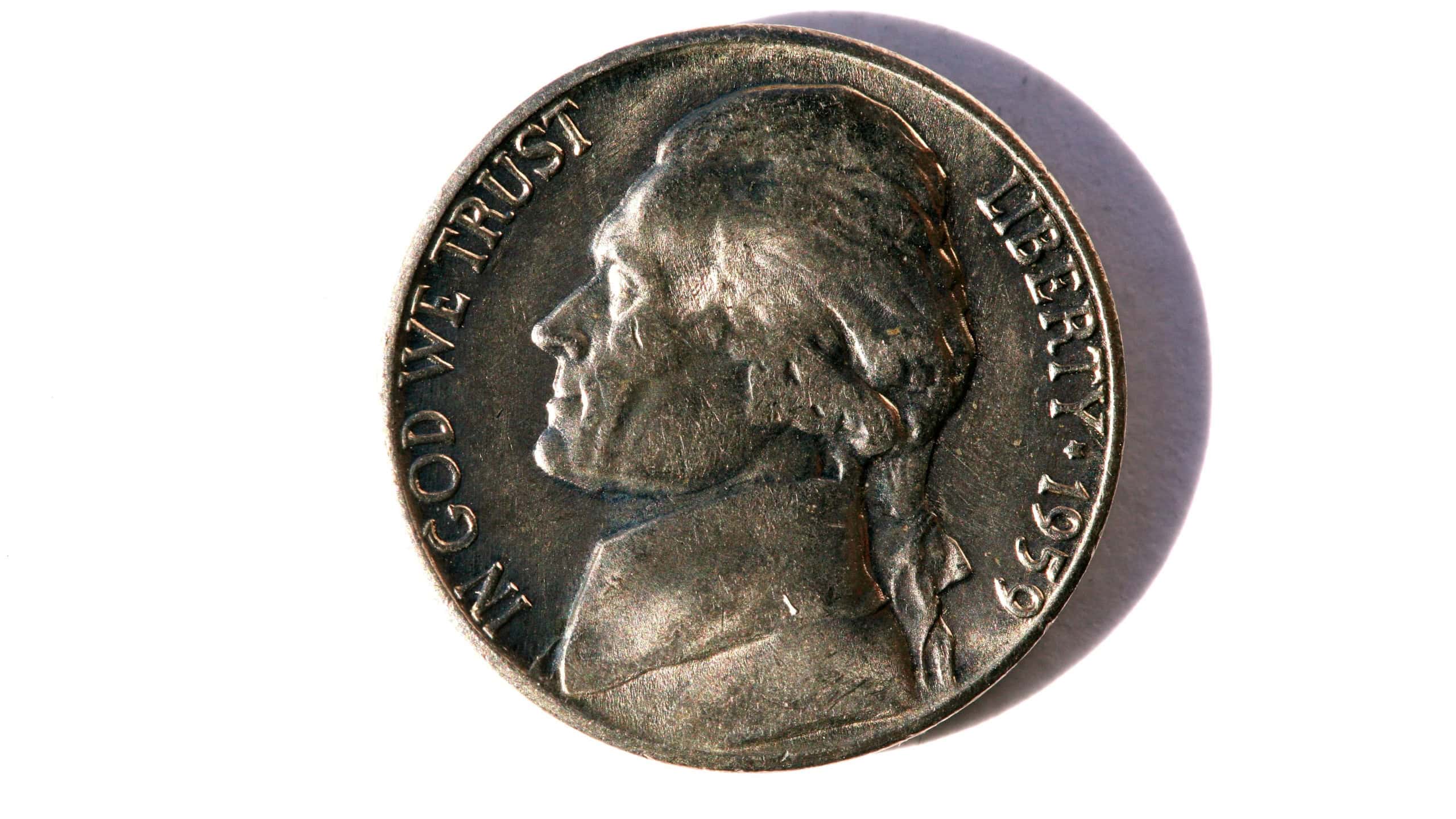
It’s true. Most young people aren’t going to know what ‘it’s your nickel’ means. But that’s fair. The phrase comes from a time when payphones were popular, and a local call cost a nickel. People under 30 don’t have any experience with that.
That doesn’t mean we should stop using this phrase. Quite the opposite. It’s a saying that takes a single coin and turns it into something about ownership. You’re saying that the other person controls the conversation, all in three words.
A fast exit

There’s something so old-movie about the phrase ‘take a powder.’ You can practically imagine someone loosening their tie and disappearing before anyone notices. No prizes for guessing the meaning. Essentially, you’re saying that someone has left quickly.
They’re not escaping, but have simply left. It’s a lot smarter than most exit phrases. Why? Because it doesn’t explain anything and leaves behind a bit of mystery. It’s much more fun to say than ‘he left.’
Feeling the buzz

There’s something so special about ‘cop a buzz.’ It sounds light and electric. It also sounds mischievous, all in three words. The phrase is actually a combination of two boomer slang phrases. You’ve got ‘cop,’ which means to get or grab something.
Then you have ‘buzz’ to handle the rest. It’s a really smart phrase because the word essentially carries the feeling itself. You just know how good someone is feeling.
Sources: Please see here for a complete listing of all sources that were consulted in the preparation of this article.