

I had a chat with some vets about common pet habits that can quietly harm dogs. Some are easy to spot, but others are sneaky mistakes most owners don’t realize they make. They’re the things vets wish owners would stop doing to keep dogs healthier and happier.
Featured Image Credit: Shutterstock.
Letting dogs lick their wounds or face

It might seem harmless when dogs lick a small cut or scrape, but vets say it can actually slow healing and introduce bacteria. Even tiny wounds can turn into infections if left unchecked. Covering the area or using a gentle antiseptic is a much safer way to help your dog heal.
Giving too many “Healthy” human snacks

If you’re offering them plain carrots or apples, that’s not a problem. But even fruits and vegetables can upset your dog’s stomach or affect their blood sugar if they eat too many. Some healthy-sounding human foods are toxic to dogs, like grapes or pieces of onion. Your vet can help you determine what’s okay.
Using retractable leashes everywhere

Retractable leashes are fun to use in open areas like empty fields or long stretches of beach. But veterinarians see their share of leash-related accidents because owners aren’t able to react in time. A dog can bolt, get into a fight with another dog, or run into the street before their owner can reel them back in. A short, sturdy leash is safer for most situations.
Bathing dogs too often

Cleaning daily may make the owner feel fresh, but too much washing strips natural oils from the dog’s skin. Your dog’s fur may become dry and itchy, or even infected. Unless your dog rolls in something truly nasty, baths every few weeks are plenty.
Ignoring dental health
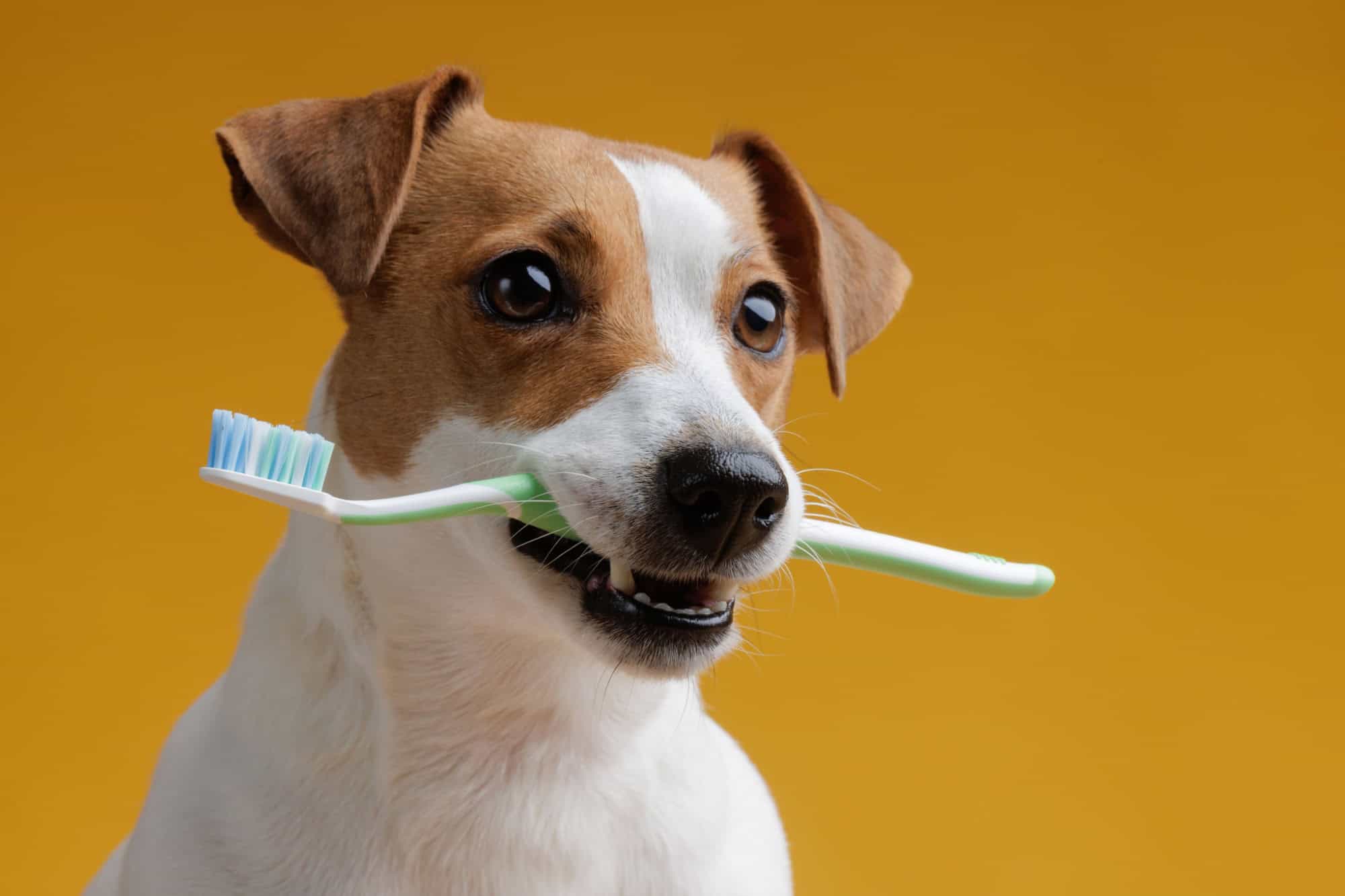
If all you see is plaque and tartar, you’re not noticing the long-term damage vets see: gum disease, lost teeth, heart and kidney problems. A few brushings a week and regular professional cleanings can make a world of difference.
Not mental-stimulating enough

Dogs are born problem solvers. Many dogs don’t have the opportunity to exercise that nature. Left without stimulation they feel frustrated and anxious. Minutes of puzzle games or training keeps your dog mentally stimulated and energies even.
Using harsh or punitive training

We all want to yell at our dogs when they do something wrong, but it doesn’t work that way. Negative reinforcement only breeds fear of you. Meeting their needs with patience, activity, and sometimes expert help keeps them feeling safe.
Free-running dogs in unsafe areas

A dog’s training can’t protect it from every risk. In open or new areas, traffic, wildlife, or aggressive animals can create sudden danger. Give your dog freedom only in places you know are secure and safe.
Not paying attention to breed-specific risks
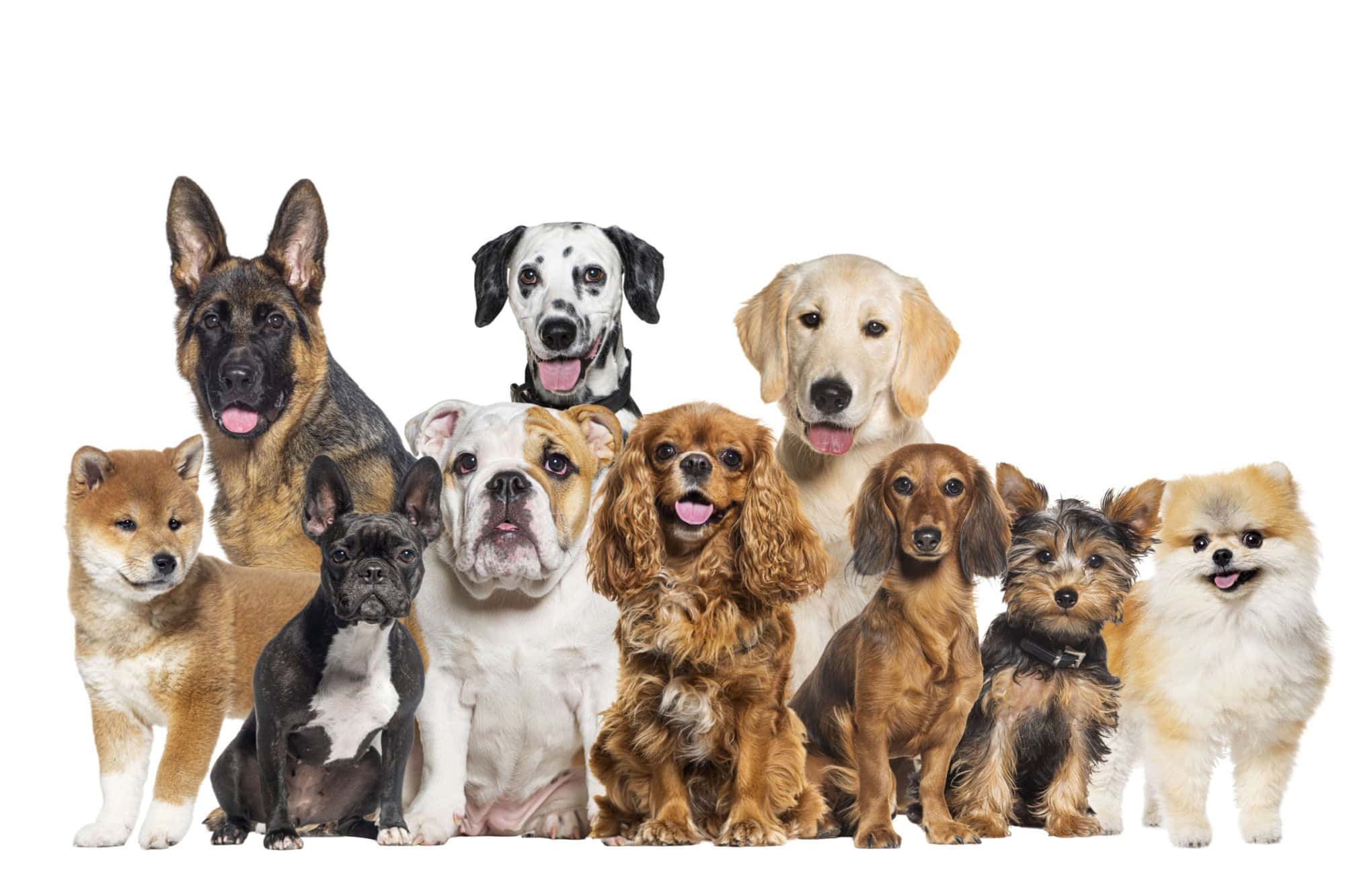
All breeds have their specific health issues (hips, hearts, eyes, skin, you name it). The truth is, most dog owners don’t know what to look for. Most owners aren’t aware of what symptoms are important until it is too late. Vets emphasize this because early detection is key. Be familiar with your dog’s predispositions and pay attention.
Neglecting parasite prevention

Even your healthy-looking dog can have parasites that are dangerous disease transmitters. Forgetting to do preventive medicine because you can’t see a problem is a classic error. Vets recommend routine, all year treatments for your dog’s protection.
Skipping paw and coat checks

Lots of dog parents forget to check their pup’s paws and coat. Small cuts, thorns that have stuck in their paws and itchy skin can go unnoticed until they are painful or infected. Take a few minutes each week to examine your dog’s paws, nails and coat. A quick pre and post walk inspection will prevent painful problems and keep your pup happy.
Like our content? Be sure to follow us.


