

Did you ever notice that grandma always says that coffee or laundry smells “different” now? It’s because as we age our sense of smell changes. I asked some seniors online about it, and they told me odors they never noticed before can now seem overpowering. They also shared 11 smells that have noticeably intensified as they aged.
Featured Image Credit: Shutterstock.
The greasy-grassy “old-person” odor (2-nonenal)

We start to produce more 2-nonenal as we age. It’s a breakdown product of fats in the skin. Many older people can detect it as a greasy, grassy smell on their skin or clothing that doesn’t wash away with soap and water. Since the odor gets trapped in both fabrics and living spaces it tends to remain present, which results in the “old-person” smell.
Coffee (and roasted-meat)

Ever heard an older person sniff the air and say that their coffee “smells funny”? That’s parosmia. The chemical that makes coffee smell so good, 2-furanmethanethiol, can smell terrible to some people as they get old. Meat, chocolate and onions can smell burnt or rancid, making foods that were once appetizing become repulsive or inedible.
Bleach, strong disinfectant, or “chemical” smell from cleaning products (VOCs)

For some older adults, the smell of many household cleaners can be more than just unpleasant; it can be nearly intolerable. Bleach and sprays can overwhelm their senses, leading to nausea, headaches, and sore throats. Those with sensitive lungs are particularly affected. For some, cleaning becomes a stressful chore due to the overpowering smells.
Musty, moldy air
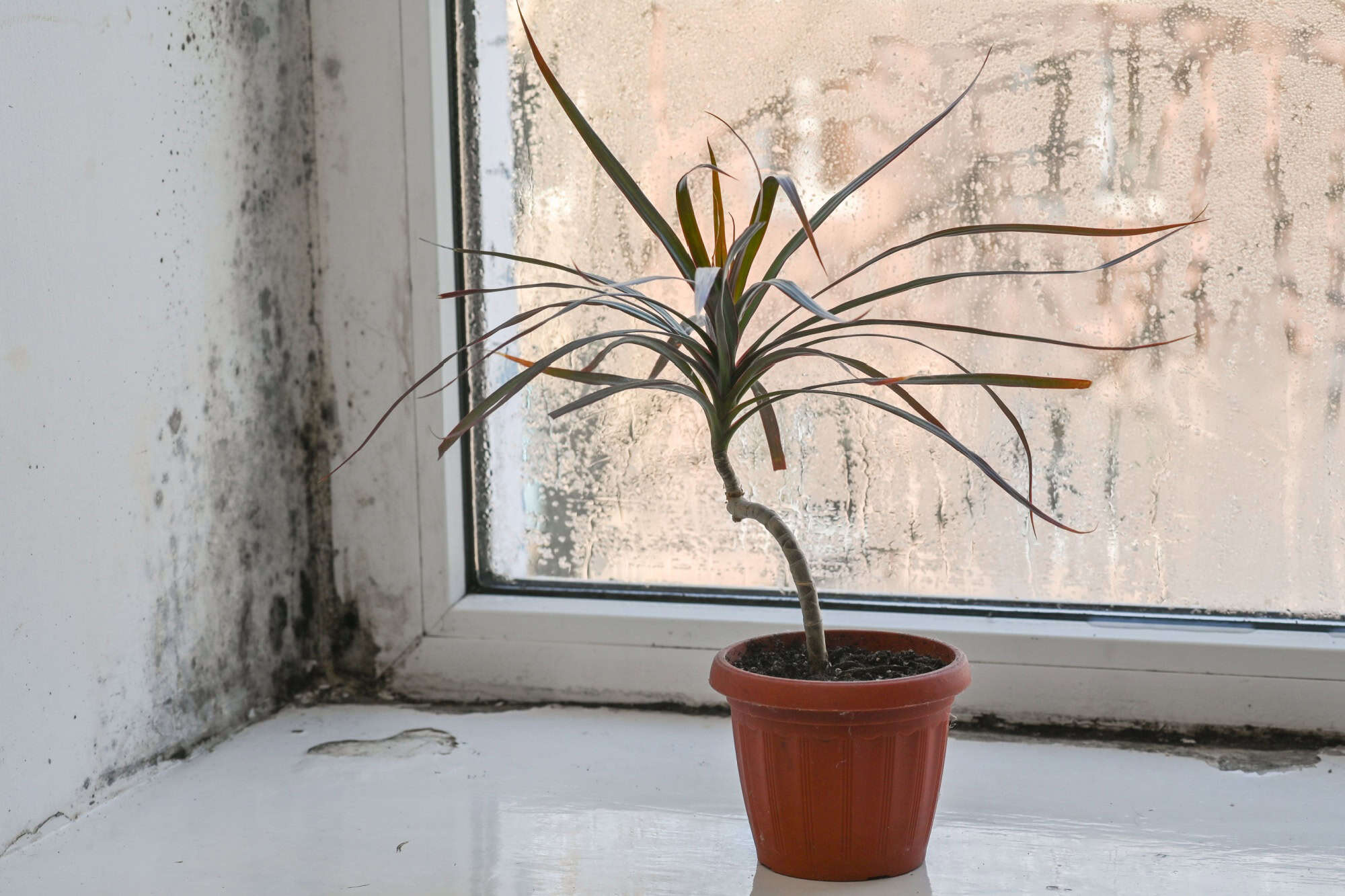
Many elderly people complain of a musty smell in their homes. When people detect this odor, there is most likely unseen mold present. Mold emits microscopic airborne chemicals known as MVOCs. These gases can make you feel stuffy, fatigued, irritable, and have memory problems.
Fresh asphalt

The smell of fresh asphalt can be overwhelming as soon as it is put down. It’s hard to breathe for many older adults with weaker lungs. There are all sorts of chemicals in the fumes, including polycyclic aromatic hydrocarbons (PAHs) which can give you a headache or make you nauseated or just feel bad in general.
Chlorine-heavy swimming pools

The strong smell at public pools is stronger than a simple chlorine smell. It’s a chloramine smell, which is chlorine mixed with sweat, urine and other body fluids. Many older adults report the smell as pungent, stinging or even oppressive.
Diesel exhaust from buses and trucks

Diesel fumes are heavy, acrid and very hard to miss. Older adults are usually more sensitive and may develop headaches, coughs or nausea after exposure to diesel fumes. Even when symptoms don’t occur, the smell can remind us that the air we’re breathing is not fresh, and prolonged exposure can aggravate other health problems.
Strong perfumes and scented products

Things that are designed to smell good can be overpowering for us as we age. Strong perfumes and scented products emit high concentrations of VOCs that can make seniors feel faint, queasy, or lightheaded in congested spaces. Research demonstrates that older adults experience heightened fragrance sensitivity especially when they have respiratory conditions or chemical sensitivities.
Charred or burnt food smells

The smell of burnt meat, toast, or other food is caused by aldehydes and Maillard reaction products that irritate the olfactory senses. Older adults are commonly aware that they experience the smell as more harsh and more foul than in their youth. It may also cause headaches or nausea when in a closed kitchen.
Compost or decaying yard waste

The odor from compost or rotting yard debris is due to microbial volatile organic compounds (MVOCs) like ammonia and hydrogen sulfide. Many seniors find these smells overwhelming, especially in summer when the breakdown process intensifies. Sour, pungent, and earthy odors can feel stifling and may induce nausea.
Frying-oil or oxidized-fat

Greasy, old-frying oil gives off piercing, rancid smells, since fats oxidize into a group of molecules known as aldehydes and ketones. The molecules can be particularly potent for older people, with some of the smells overlapping with those associated with body odor. Research into food oxidation processes provides insight into why kitchen odors become so powerful.
Sources: Please see here for a complete listing of all sources that were consulted in the preparation of this article.
Like our content? Be sure to follow us.