

A warm welcome is more than a greeting or a place to sit. In the hospitality industry, experts agree that simple and personal gestures have a surprisingly big impact.
Small things like anticipating what your guest may need or remembering a guest’s preferences can communicate attention and respect. Little efforts can go a long way in helping your guests feel like you’re going out of your way to make them at home.
Today, we will be sharing with you 11 gestures that are easy and backed by hospitality experts to help your guests feel like a million bucks.
Greet your guests by name and ask how they’re doing

The secret to a good welcome is saying your guest’s name. Tack on a short question such as, “Happy to see you! How are you doing?” or “Did you have a smooth flight?”
Ask any guest experience professional and they’ll tell you that this small gesture creates trust and makes guests feel truly seen.
Make it special with something they love
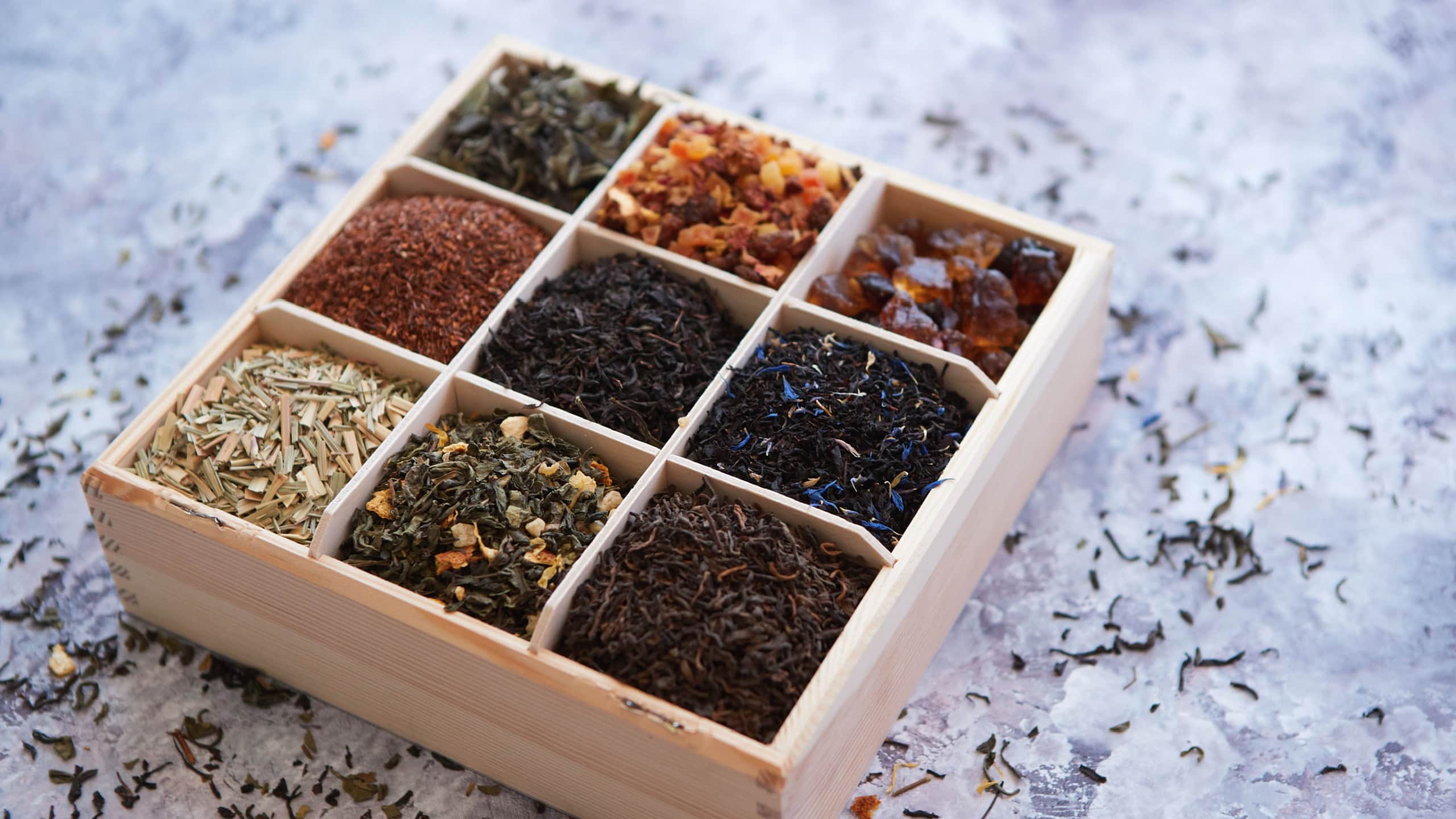
Little details that show you paid attention to something they said, like a favorite beverage, a pet’s needs, or type of pillow can make you stand out in their memory.
For example, you could leave a packet of green tea for someone on the table, or a treat for a pet they brought with them.
Create a simple card with tips for your guest
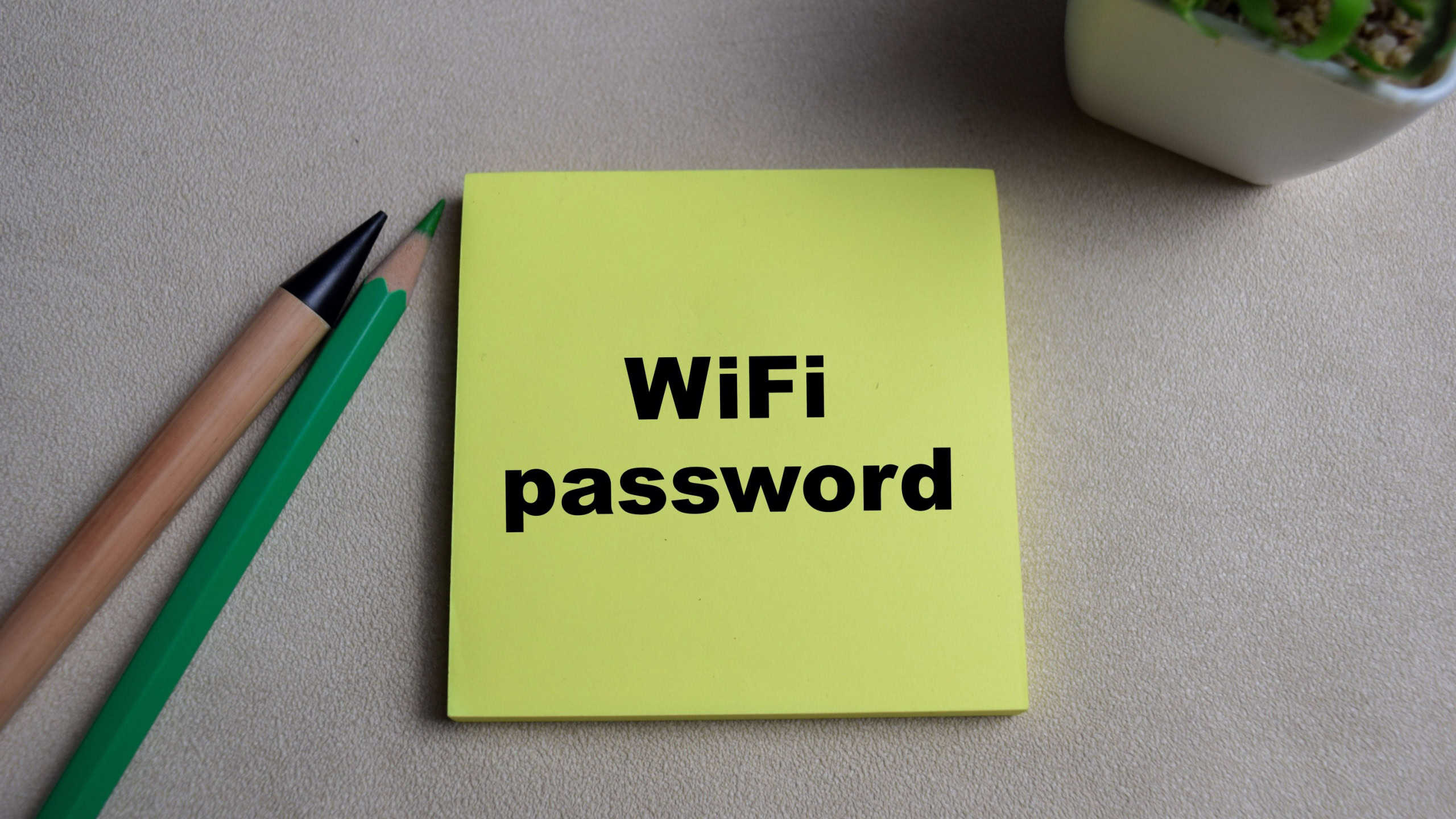
Leave your guest a small card with the WiFi password so they don’t have to ask. You can also include helpful hints such as where the trash can is, where to find extra towels, or a local shop for snacks.
A small note that says, “Help yourself to a cup of tea or coffee,” goes a long way.
Thoughtful gestures based on their arrival time

Plan around the time your guest is expected to arrive, and have a little something nice to ease them into their time with you. A late-night arrival? A soft night light left on, a glass of water on the bedside table, a few salty snacks.
Early in the morning? The coffee already brewing, or a cold beverage waiting for them. The little actions you take for your guests reveal the extent to which you can foresee their requirements without needing them to express them.
Keep the entryway clean and inviting
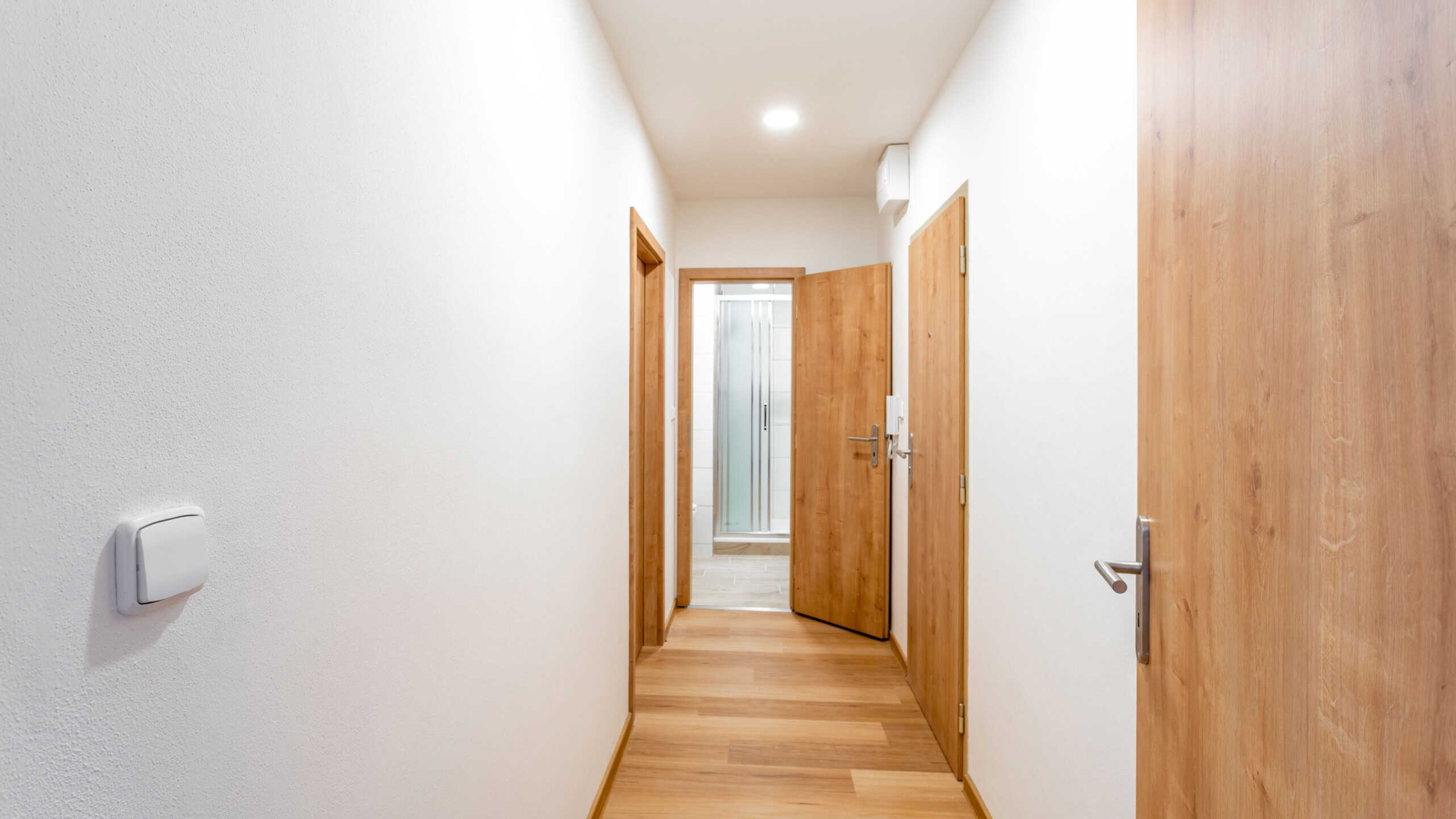
When people enter your home, one of the first things they will notice is the space around the entry. Tidy up this area, removing clutter and personal items so that it feels welcoming.
Guests immediately experience a feeling of relaxation and nurture when they encounter a clean and tidy entryway.
Give a local tip

This could be a trick that a local would know, such as a great café or a peaceful area to go for a walk.
For example, “There’s a bakery just down the street that closes at 7 pm, you should go while it’s still open!” This will make your guests feel included in your community and will make them feel more at home.
Subtle ways to boost comfort

Mind the small things, and don’t draw attention to them. Change the lighting, put a throw nearby or change the temperature. People may notice and feel more relaxed in your space, recognizing the thought behind it.
Offer help in a gentle, non-intrusive way
Let them know you’re available, but be casual about it. “Need any help with the fan or anything?” implies you’re available. Professionals agree that subtle hints of availability work best in solidifying a guest’s feeling of comfort.
End the visit with a meaningful, relaxed farewell
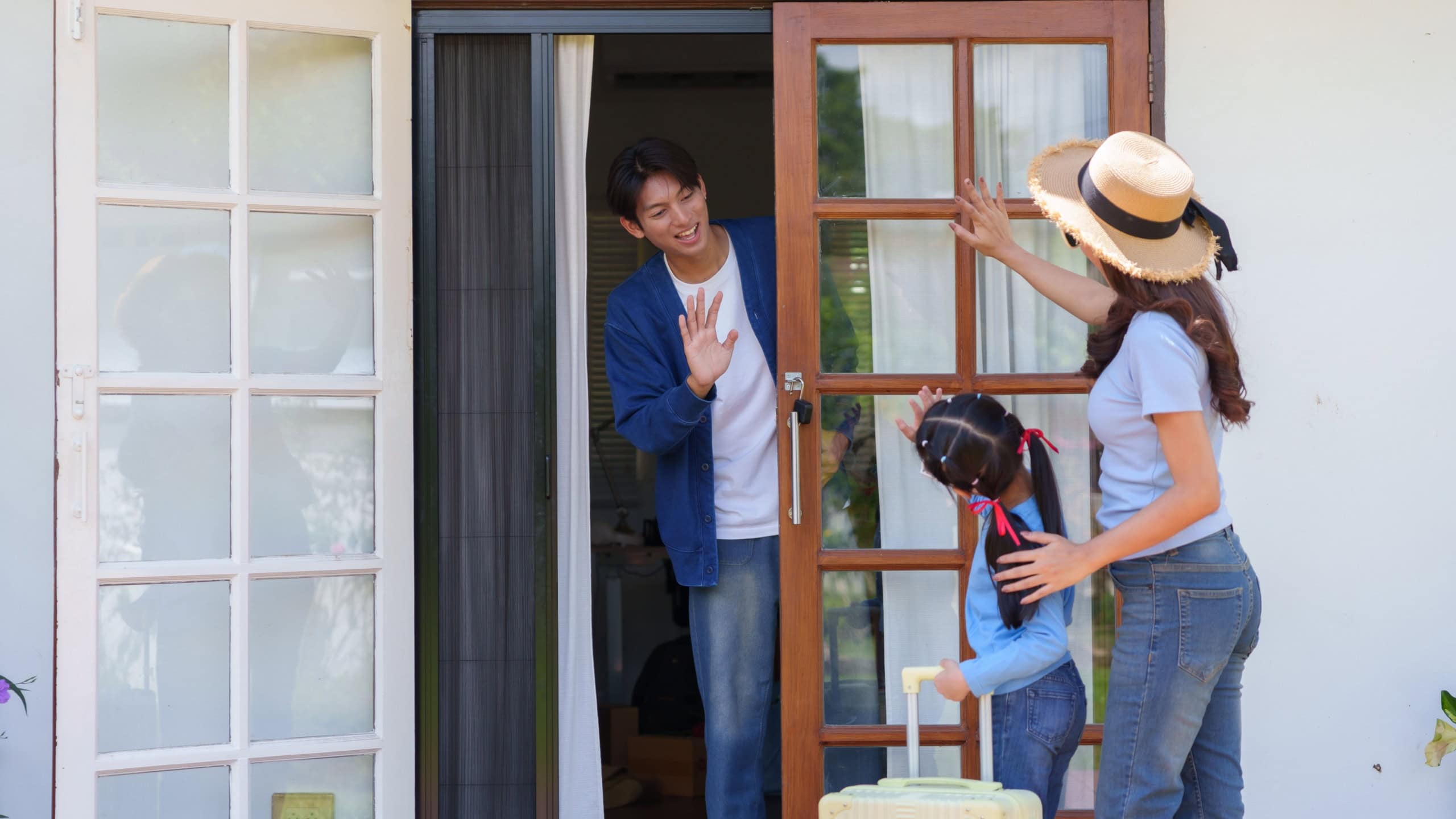
Let your guest leave your home feeling they were welcome, not hurried. Escort them to the door, and make a pleasant comment about the visit or stay. Research in hospitality indicates sincere goodbyes improve your guests’ perceived level of appreciation.
Communicate through body language

Studies of nonverbal communication in the hospitality industry indicate that nonverbal signals are often more effective than verbal communication.
Your presence is as much physical as it is verbal. Look at your guest directly, make eye contact, offer a genuine smile, and keep your hands relaxed and visible. These little actions make you appear approachable and warm, making your guest feel instantly at ease.
Send a quick Thank-You or gift

Say thank you with a small gift when the guest leaves. This can be a handwritten note, a small snack, or perhaps a photo you took together. Experts note that these small gestures are a great way to make visitors recall your experience positively.
Sources: Please see here for a complete listing of all sources that were consulted in the preparation of this article.

