

Tradition should go back centuries. But as it turns out, a lot of the “traditions” people swear by are actually much newer than they realize, and we’re only told that these are old customs for some rather interesting reasons. Here are eleven recent inventions that are sold as “tradition.” Which one of these do you think actually deserves to be called a tradition?
Featured Image Credit: Shutterstock.
Elf on the Shelf
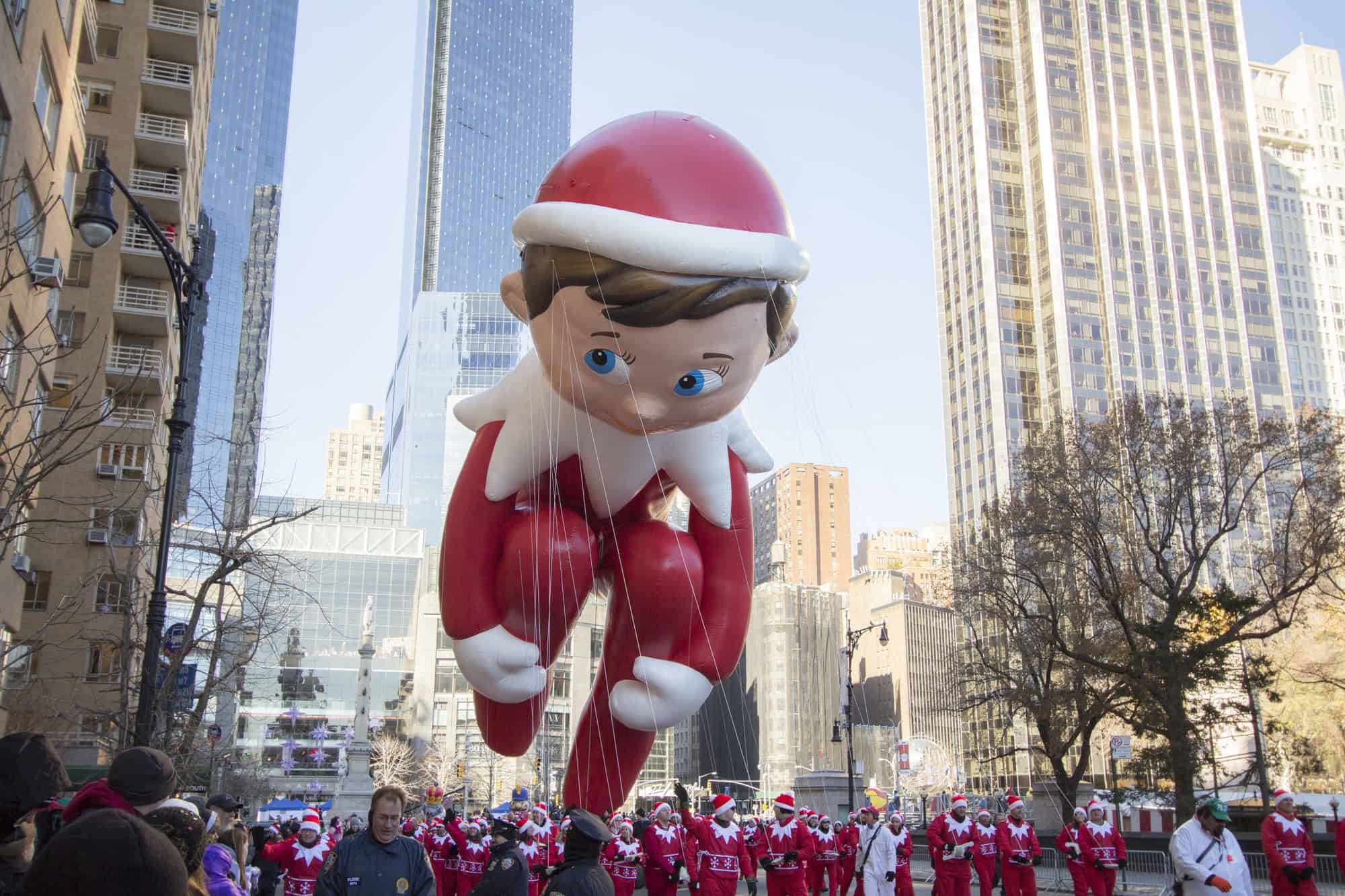
It’s easy to think Elf on the Shelf is a Christmas tradition dating back many years, although it actually began in 2005. This was thanks to a children’s book & doll of the same name. Now, families all over the world move the toy around every night. Many stores push it like it’s always been part of December, even though it’s really quite a new invention.
Spiced pumpkin coffee
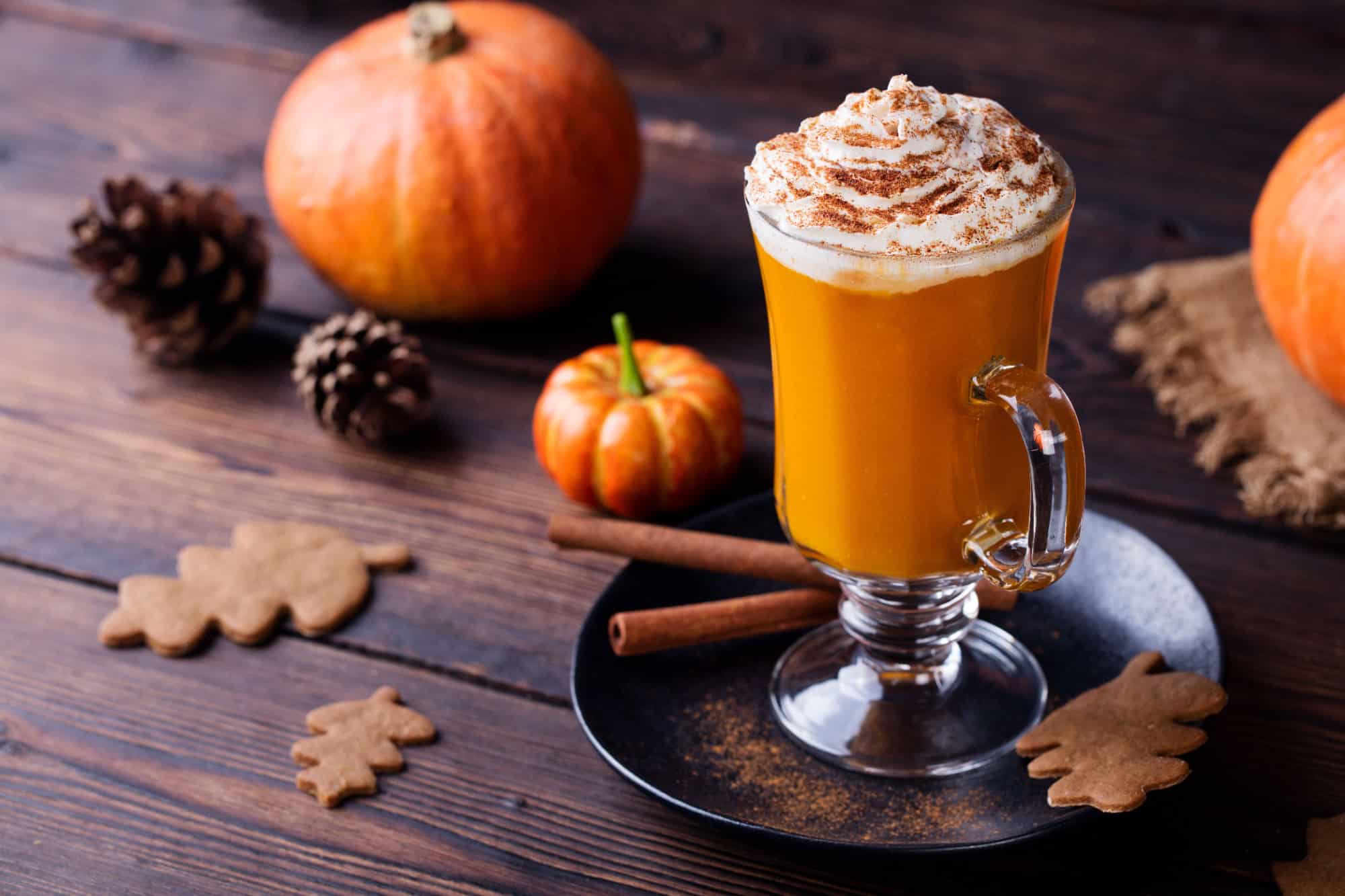
Pumpkin spice drinks in the fall seem like another thing that has been around forever. Nope. Starbucks rolled it out in 2003 after testing flavor combos in its lab, and every autumn, it comes back. Quite a few people hype it up as the start of fall. In 2023 alone, pumpkin-flavored drinks raked in over $800 million for Starbucks, which isn’t exactly grandma’s old recipe.
Starbucks red holiday cups
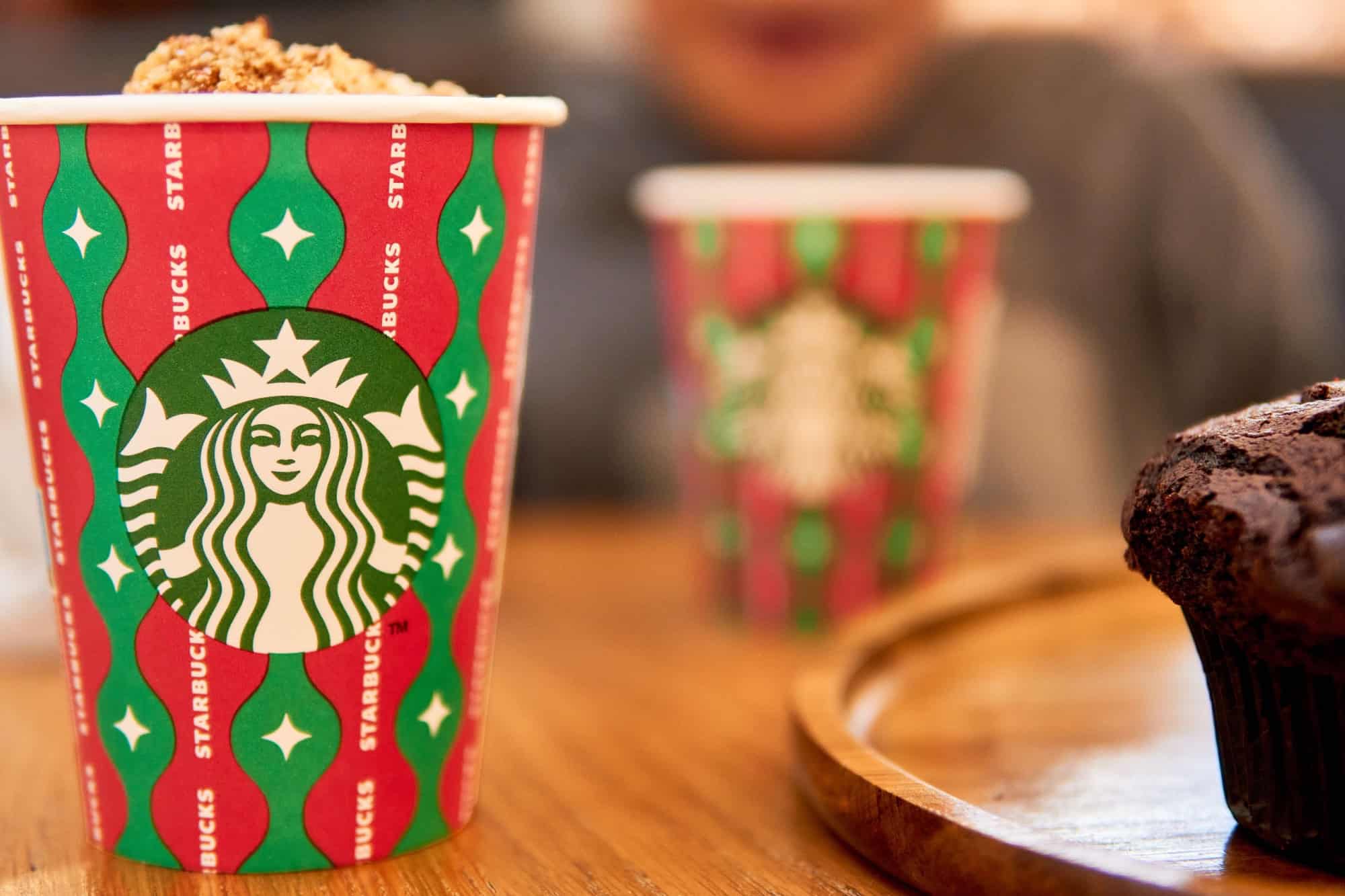
That’s not all for Starbucks. Despite what the company may suggest, the first red holiday cup was only released in 1997, and it took until 1999 for it to become a permanent holiday fixture. They release a new design every winter & hype the rollout like it’s always been a thing. Yet it hasn’t. The cups are less than 30 years old.
Ugly Christmas sweater day

You’d think that the idea of wearing tacky sweaters as a joke would be something that began in the ’50s or earlier. Yet the official “day” only started in 2011. Promoters picked the third Friday of December & decided to make a national thing, likely to sell more stock. It didn’t take long for the racks to fill up with the most horrendous clothing you’ve ever seen.
Gender-reveal parties

Nobody’s grandparents were popping balloons to find out a baby’s gender. They just waited. In 2008, blogger Jenna Karvunidis shared a cake on her blog, revealing her baby’s gender, and people ran with this to create the first gender-reveal party. Since then, companies have sold these parties as family traditions. You’ll find entire aisles in party stores devoted to it.
St. Patrick’s Day green beer
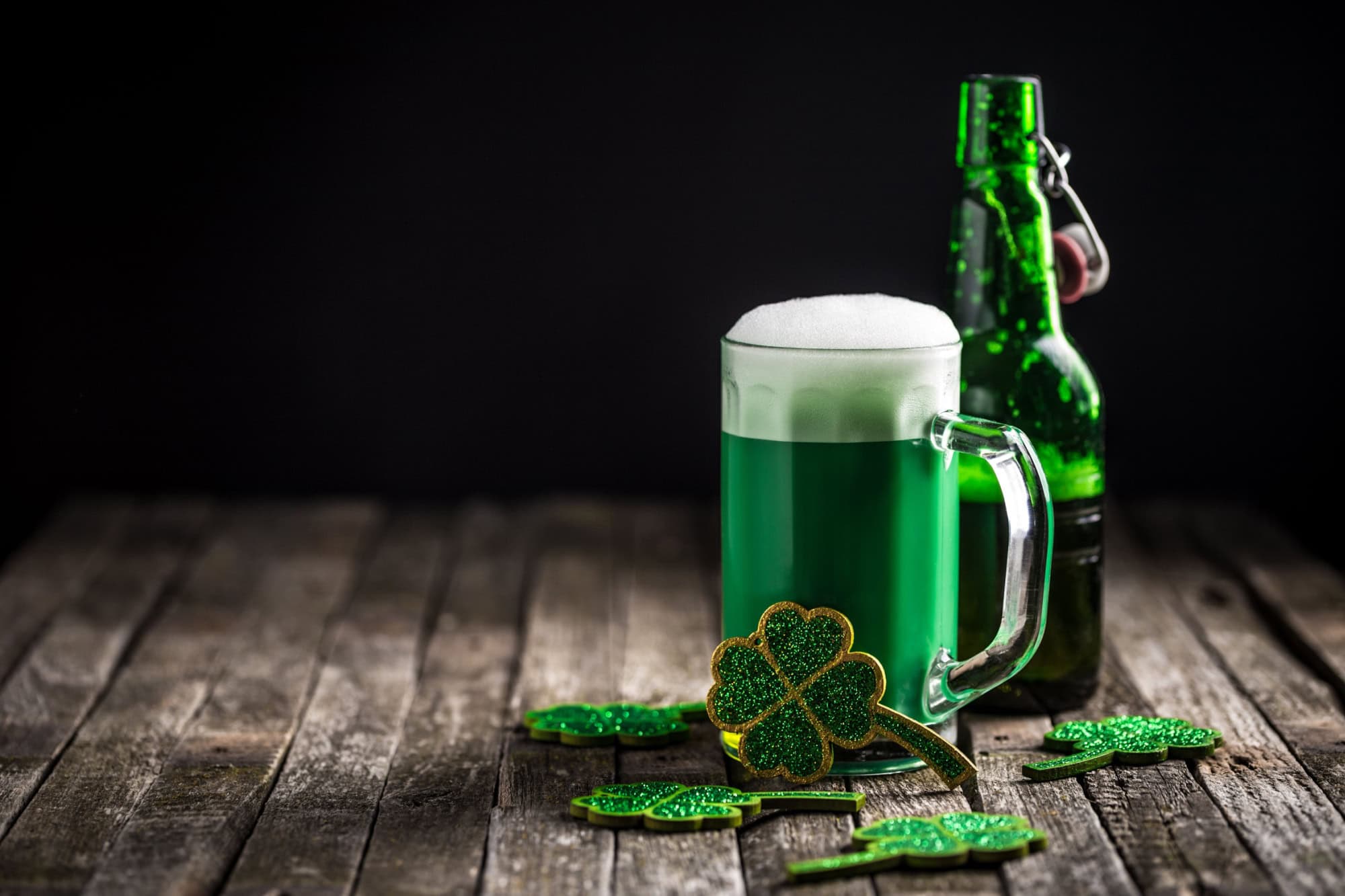
Anytime that you walk into an American bar on March 17th, odds are, you’ll see pitchers of neon-green beer. Companies love advertising it as though it’s an ancient Irish custom. It isn’t. It’s actually a gimmick that emerged in New York in the early 1900s, but didn’t fully take off until the 1990s. Now, many beer companies sell it as a “tradition,” when it’s really just food coloring.
“Heritage” style craft beers

Plenty of small breweries emerged in the 2000s & went heavy on labels full of old-world fonts. They use phrases like “brewed in the tradition of European masters.” They might even include fake family stories to really sell it…even though these beers are relatively new creations. In fact, craft beer didn’t really kick off in America until the 1970s. That’s hardly ancient.
Farm-to-table restaurant menus

Restaurants love promoting the farm-to-table angle. It makes their farms sound like they’ve been tied to the kitchen for generations. But even when they use lines like “prepared in the tradition of family farms,” the “farm-to-table” movement only began in the 1970s. It’s a relatively recent trend. But it sounds old-fashioned.
Craft gin “traditional botanicals”

In the 2010s, there was a gin boom that led to hundreds of new bottles on store shelves. Many brands played up their botanicals. They pretended like they’d been using these exact ingredients forever, with labels like “classic” & “steeped in tradition.” But craft gin only emerged quite recently. The old-time feel? Yeah, that’s mostly packaging.
Super Bowl nachos
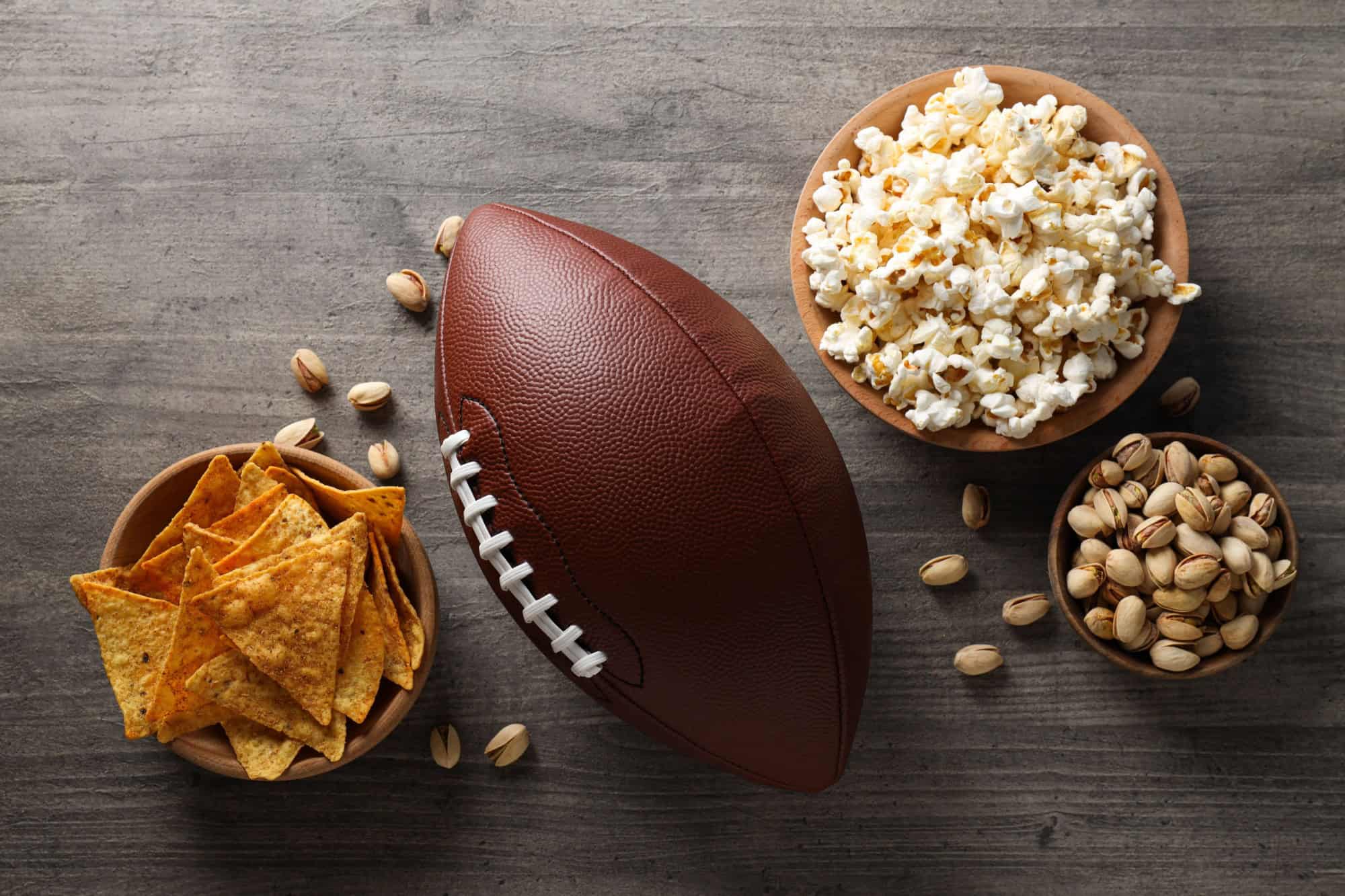
You’d think that nachos as a Super Bowl food have been around for a long time. Nope. Frito-Lay made nachos part of the American football culture in the mid-80s, with ads that went all-in on calling them “the Super Bowl tradition.” But nachos only emerged at Texas Stadium a few years earlier.
Coca-Cola Christmas trucks
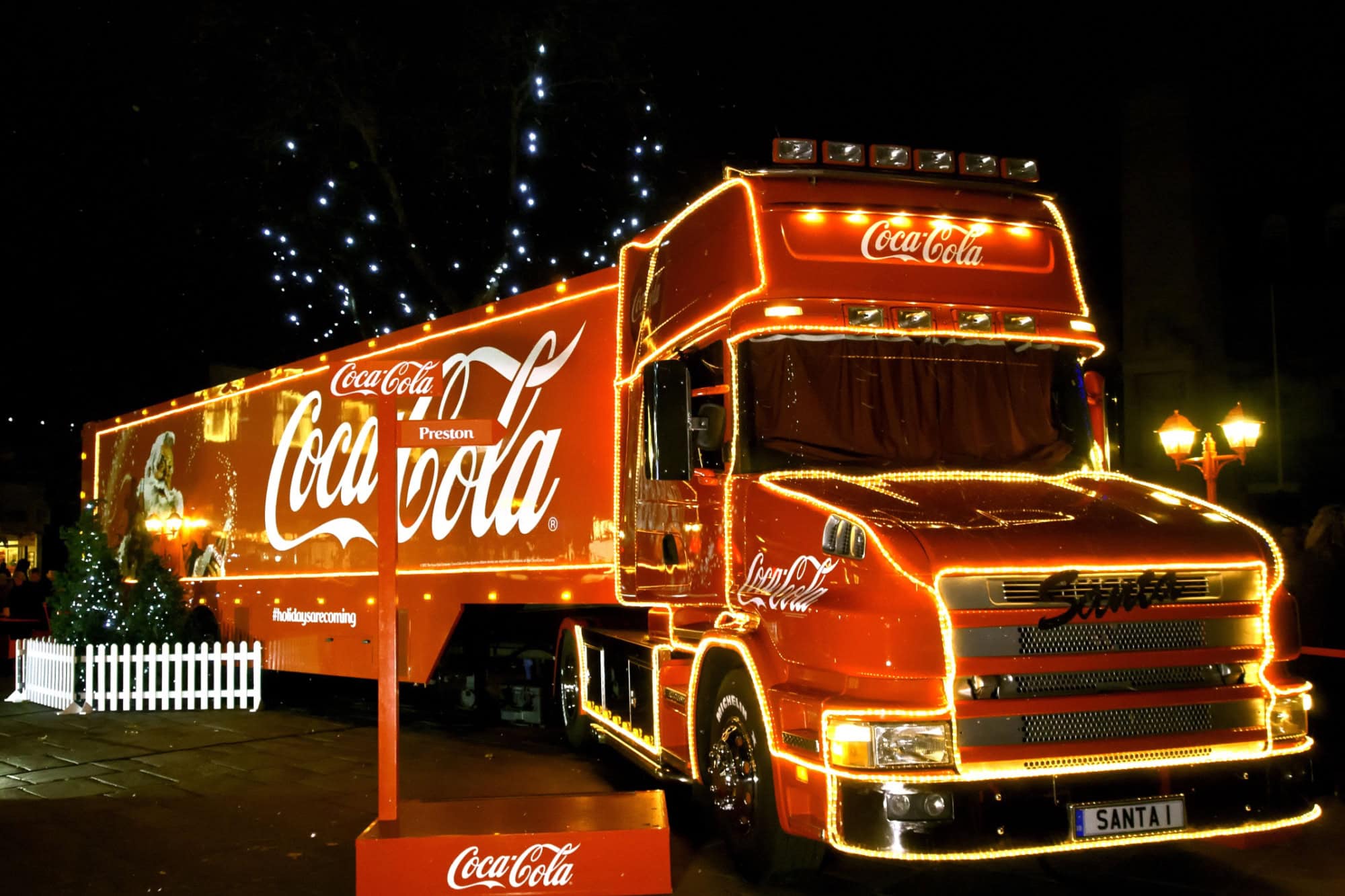
There’s nothing quite like seeing a glowing Coke truck at Christmas. However, they first appeared in a 1995 TV commercial, meaning that they’re not the long-time tradition that the company would have you believe. Their UK campaigns even say the ad “signals the start of Christmas.” The truth is, though, that they’re a very recent invention.
Like our content? Be sure to follow us.

