
Not all jobs are created equal. In fact, many jobs you’d see every day now were once illegal in parts of the United States. But rules changed & people eventually went back to work. Here are eleven professions that were once outlawed in America. Do you know anybody with one of these “illegal” jobs?
Featured Image Credit: Shutterstock.
Tattoo artist in New York City, 1961–1997
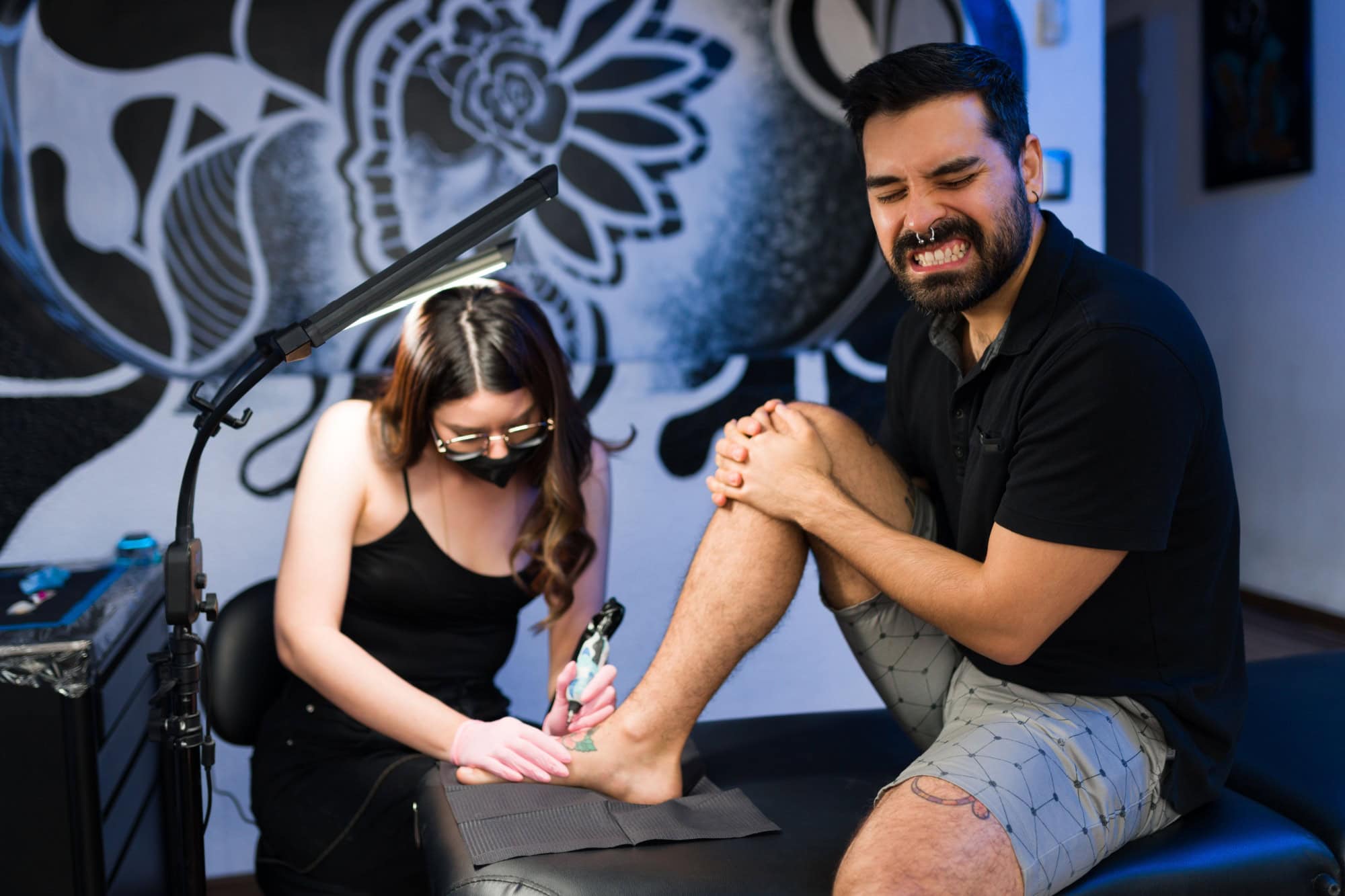
City officials declared in 1961 that tattooing was unsafe because of a hepatitis outbreak. That’s all it took for New York City to ban the whole trade. For more than three decades, artists had to work underground, and it took until 1997 for the city to reverse course. Tattoo artists were now legal again.
Certified professional midwife in Alabama, pre-2017

It once was illegal for certified professional midwives to help with home births in Alabama. Any families who wanted that option had to travel out of state. But that changed in 2017. Finally, Governor Kay Ivey signed a law that created a licensing board. It gave midwives a legal path to practice.
Fortune-teller in Montgomery County, Maryland, pre-2010

Montgomery County, Maryland, banned fortune-telling. But only when money exchanged hands. That meant card readers & palm readers risked being fined, even psychics. It took until 2010 for the practice to be legalized. In that year, Maryland’s highest court ruled the law unconstitutional and allowed for fortune-telling businesses to operate freely. Just like any other small shop.
Industrial hemp farmer, pre-2018

Hemp farming has gone through many changes in America. It used to be legal, then it was made illegal after early 20th-century drug laws lumped it together with marijuana. It was banned for decades. Then, in 2018, the Farm Bill made hemp legal again. It allowed farmers to apply for USDA licenses & plant it openly.
Pinball operator in New York City, 1942–1976

You wouldn’t think that pinball could be so controversial. But in 1942, New York City outlawed pinball & claimed it was nothing more than gambling with flippers. They seized machines and hauled them off. It wasn’t until 1976 that player Roger Sharpe proved in front of lawmakers that pinball required skill. After that, operators could at long last bring the games back legally.
Mixed martial arts promoter or fighter in New York, pre-2016

For 20 years, New York refused to allow MMA (mixed martial arts). This began in 1997. In fact, the state blocked promoters from holding professional fights, so fighters had to leave the state to compete. But the legislature changed in 2016. Governor Cuomo signed a new law that later allowed for Madison Square Garden’s first UFC event.
Female bartender in Michigan, pre-1955

Michigan refused to allow women to bartend. That is, unless they were the wife or daughter of the owner, and the rule had backing from the U.S. Supreme Court in 1948. This sexist restriction stayed until lawmakers eventually threw it out in 1955. Finally, they opened the way for women to tend bars.
Home-based baker in New Jersey, pre-2021

For years, New Jersey held out as the last state banning homemade baked goods for sale. It didn’t matter if it was cookies or bread. Anything that came from your kitchen, you couldn’t legally sell, until 2021. That was when the state created a “cottage food” permit system.
Acupuncturist in California, pre-1975

Something as simple as getting acupuncture was once a crime in California. And that meant that anyone practicing risked being arrested for running an unlicensed medical business. However, things changed in the mid-1970s. Lawmakers passed a bill that allowed it under referral & eventually recognized it as its own licensed practice. Finally.
Sidewalk vendor in California, pre-2018

California sure loves restricting people. Before 2018, street vendors in the state faced tickets or even criminal charges because their job was illegal. Local cities set tough rules & many simply banned vending. Then, Senate Bill 946 passed, removing those local bans and allowing vendors to set up. They just need to follow health & safety codes with the right permits.
African-style hair braider in Texas, pre-2015

Braiding hair? Yeah, that was illegal without a license in Texas, and you could even be fined for it. The state forced braiders to meet full barber or cosmetology school requirements. In fact, people were forced to build barber chairs in classrooms, just for show. A 2015 law cut those rules. Now, braiders could legally work without spending thousands on unrelated training.
Like our content? Be sure to follow us.

