

A lot of us grew up watching a few housekeeping habits happen on autopilot, but it’s 2026 now, and there’s no reason for us to continue doing them.
The ironing pile

People didn’t just iron their dress shirts before. No, they’d iron practically everything in their closets, including T-shirts, pajama pants, pillowcases, and more. Anything that came out of the wash got pressed. You don’t have to do that anymore, though.
We have stretch blends and wrinkle-resistant cotton now. We also have steam settings on dryers that make ironing a little pointless. You’re better off running your clothes through a steam and wrinkle-release cycle. It’s a lot easier, for starters.
The dust cloud

Feather dusters seem like they’ll get the job done. A quick flick on the shelf, and it’s clean in thirty seconds, right? Wrong. Feather dusters tend to flick the dust off somewhere else, probably onto another surface you just cleaned.
Stick to using microfiber cloths instead. They’ll actually hold onto the dust, rather than throwing it into the air. Better yet, use a slightly damp cloth. It’s great for picking up dust on dark furniture where every little speck shows up.
The newspaper trick

Some people swear by cleaning glass with crumpled newspaper. After all, it worked pretty well in the past. But not anymore. Modern paper breaks down a lot faster than older paper when it’s wet. It might even transfer ink to the frame.
You probably don’t want a window that has yesterday’s news on it. That’s where microfiber cloths and rubber squeegees come in. They’ll do what you need. They won’t leave your hands covered in ink, either.
The bleach bottle

You’d think that bleach has magical powers with the way people use it. A weird smell in the bathroom gets bleached. A kitchen stain gets bleached. Even laundry issues are fixed with bleach. However, you’re not supposed to use bleach for every surface or problem.
You should only use bleach in places with proper ventilation. You’ll need to make sure it’s the correct dilution, too, and never mix it with certain cleaners. Why? Because it’ll mark the counters and irritate your lungs. Don’t treat it like the solution to everything.
The calendar rule

So many people stick to an idea of laundry day. They’ll wash clothes and bedding on that day only, no matter what. They don’t care that it might be hot or that someone’s been sick all week. Sure, a washing routine made sense when it was harder to do.
But it’s way easier these days. Your clothes and bedding don’t care what day it is, either. It’s better for you to do the washing when you need to, rather than when you’re ‘supposed’ to. Do you really want to sleep in a bed covered in sweat and germs?
The sink before the machine

Washing dishes is a completely different beast these days, too. It was normal before to scrape the plate, and then rinse it. You had to scrub again before finally loading it into the dishwasher. But modern machines aren’t built for that.
Yes, that’s right. There’s no need for a pre-rinse anymore, just scrape the food off and load the dishes. The detergent needs something to hold onto. Doing a full wash first is a waste of time and effort, really.
The gray dishwater

That’s not all for washing. Some of us grew up thinking a sink full of warm, soapy water was the best way to wash our dishes. We’d wipe plate after plate, mug after mug, because it saved water. But that doesn’t work so well anymore.
Grease and crumbs build up pretty quickly in standing water. Residue is another issue. Honestly, you should separate washing and rinsing because it’ll remove the leftovers much better. You’re creating extra work for yourself by using the same water-filled basin.
The wall wash
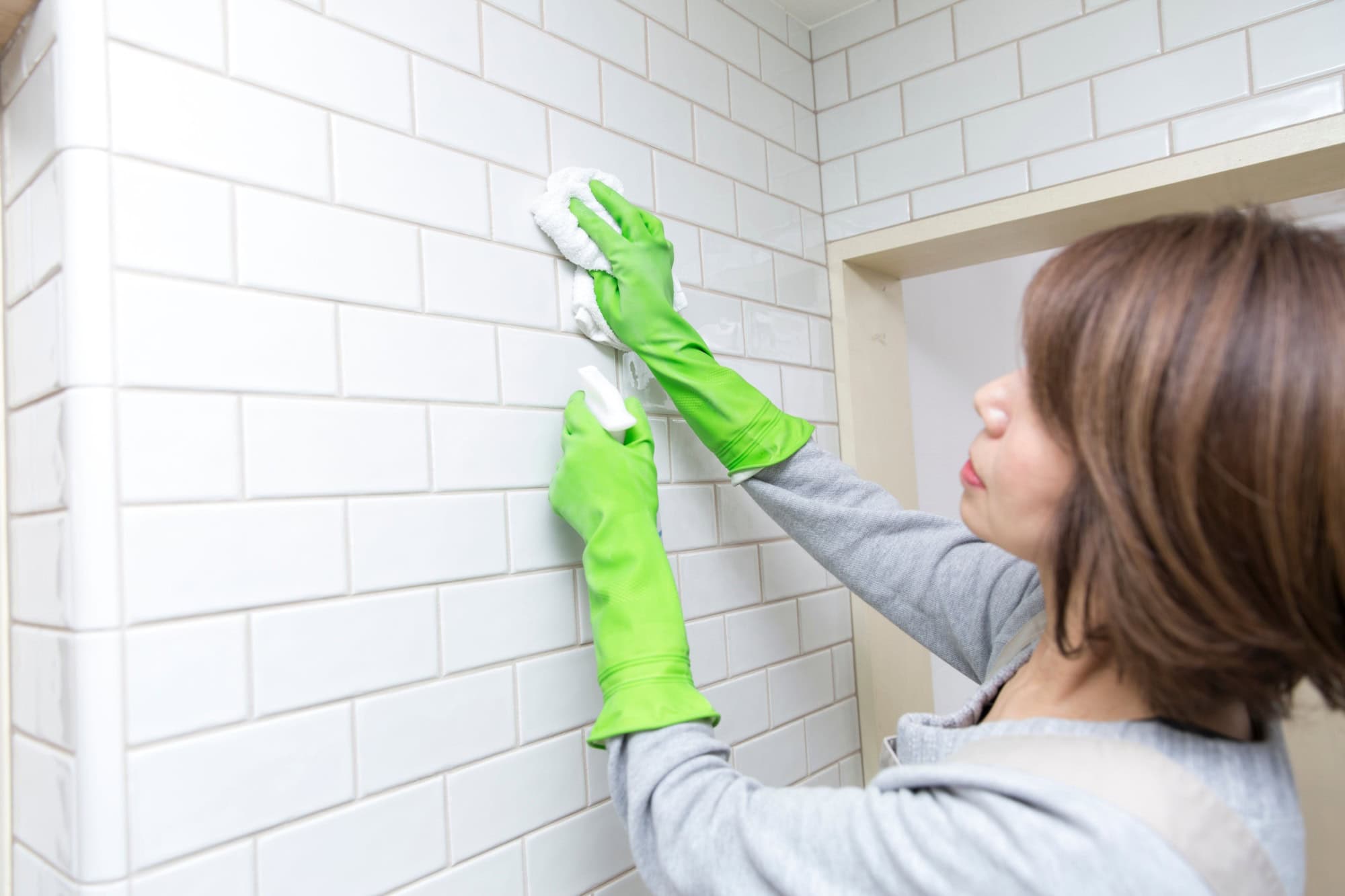
There used to be only one way to finish a proper spring clean. You’d scrub the wall from ceiling to baseboard, using a sponge and a bucket. It made sense back then. The walls took in cigarette smoke and way more grime than they do these days.
However, modern paint is different. It’s not always able to deal with heavy scrubbing, and that can make the paint go streaky or shiny. Nobody wants to have patchy walls. So, avoid scrubbing your walls unless they absolutely, 100% need it.
The gritty can

Almost every house had one of those cans. You know what we’re talking about. It was a can of scouring powder, usually shoved under the sink. You could use it for everything, including burn marks or water stains. Older porcelain and enamel could handle it.
Unfortunately, newer surfaces aren’t as strong. Acrylic tubs, stainless steel, coated sinks, and glass cooktops scratch way too easily. That’s why you shouldn’t use abrasive cleaners. Try sticking to softer cleaning solutions and pads to keep everything looking good.
The hot-water habit

Hot water seems like the solution for any stain. Heat means stronger cleaning, surely? But not always. Protein-based stains, like blood, sweat, egg, and milk, actually become worse with heat. They bind deeper into the fabric.
Your best bet is to begin with cold water. Then, if you really can’t get it out, gradually raise the temperature. You really don’t want to accidentally cook a stain into your favorite shirt.
The tucked-in look

Our parents taught us to make the bed as soon as we got up. Sure, it looks neat, but there’s a problem. Your bed’s been holding your body heat and sweat for over six hours. What do you think happens when you pull the covers tight immediately?
That’s right, it keeps all of the heat and moisture trapped inside for longer. It could even increase your chance of getting dust mites. That doesn’t mean you shouldn’t make your bed. But you might want to let it dry out a little first.
Sources: Please see here for a complete listing of all sources that were consulted in the preparation of this article.


