

While a lot of ‘old people’ habits seemed fussy or even cheap before, young people are starting to realize that they actually had some logic behind them.
One small click
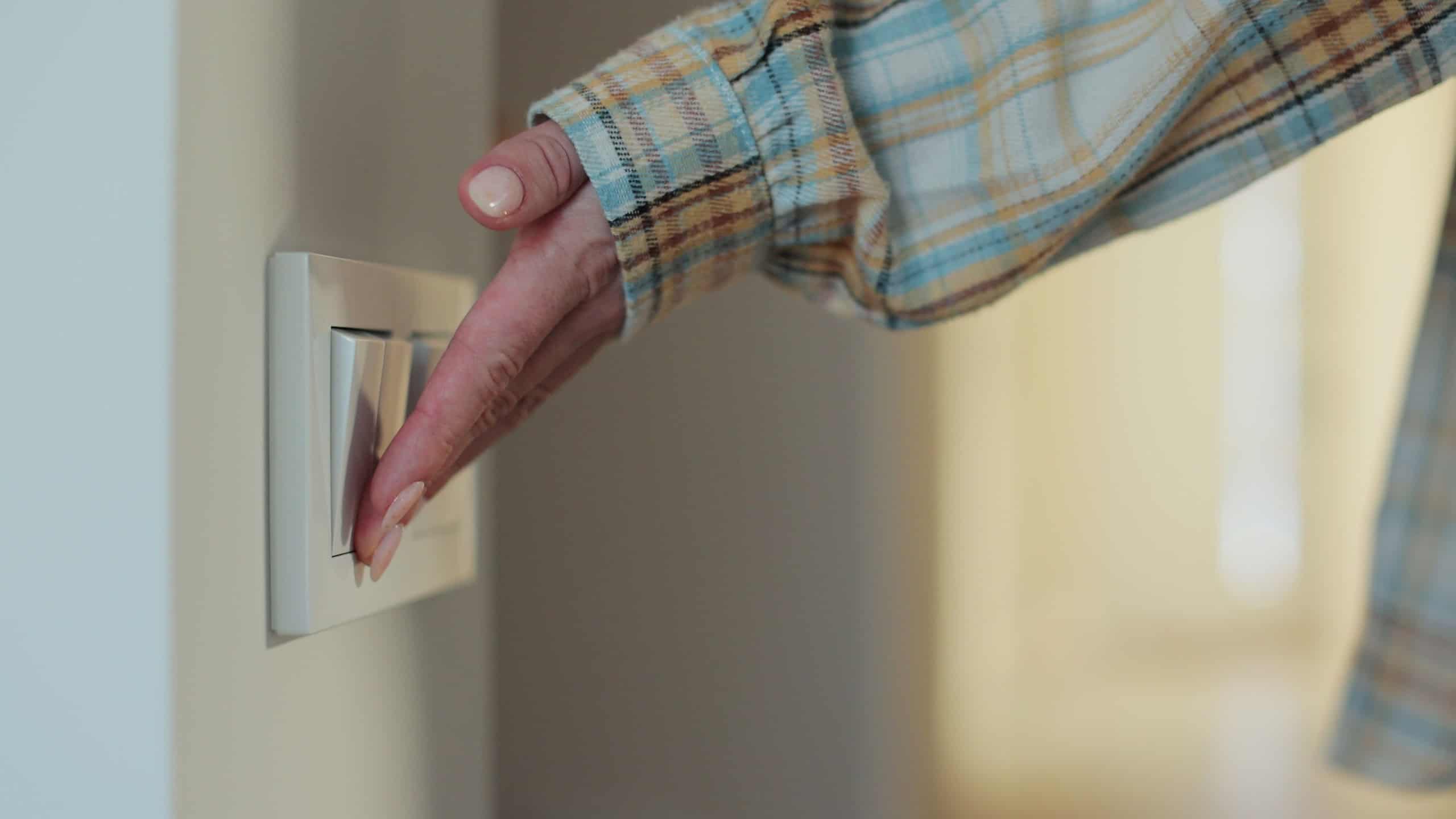
Young people got a whole speech when they left the lights on in their grandparents’ home. Something about wasting electricity, wasting money, all of it. But it’s a different story now. They’ve come to understand that, actually, turning the lights off is really smart.
You’re saving money and saving electricity, both of which are good. It’s not like you’ll save enough money to buy a yacht or anything, but every little bit helps, especially when it’s something that only takes two seconds to do.
Built for the long run

Old people have a special way of shopping. It usually involves picking something up and weighing it in their hands, then deciding the truth. The cheaper version is junk. Old people know that nine times out of ten, paying more is a better idea.
Young people used to think they were being uncool. But with every cheap item breaking or tearing way too quickly now, they understand that older people had a point. It’s better to pay more for something that’s going to last you a long time.
An oddly early hour

Dinner at 5:30. It’s something so many old people make into a routine, and young people now understand the benefits of doing it, too. Think about it. All those errands that you need to do in the evening, plus the feeling of being absolutely drained from work?
You’re better off eating earlier so that you have more time before bed. It also stops you from feeling heavy while you’re lying down, and that’s always good. Maybe older people were onto something.
Wait and see

It’s not like older people hate all technology or anything, but they sure are suspicious of new gadgets that pop up. Smart doorbells? App-controlled lights? Older people know that, really, not every device needs to be smart, and it’s a good idea to wait to see whether it’s useful first.
Younger people understand that now, too. They’ll still use new tech, the only difference is that they understand it’s better to wait for the bugs to be ironed out first. You don’t need to be the guinea pig every single time.
That jar by the stove
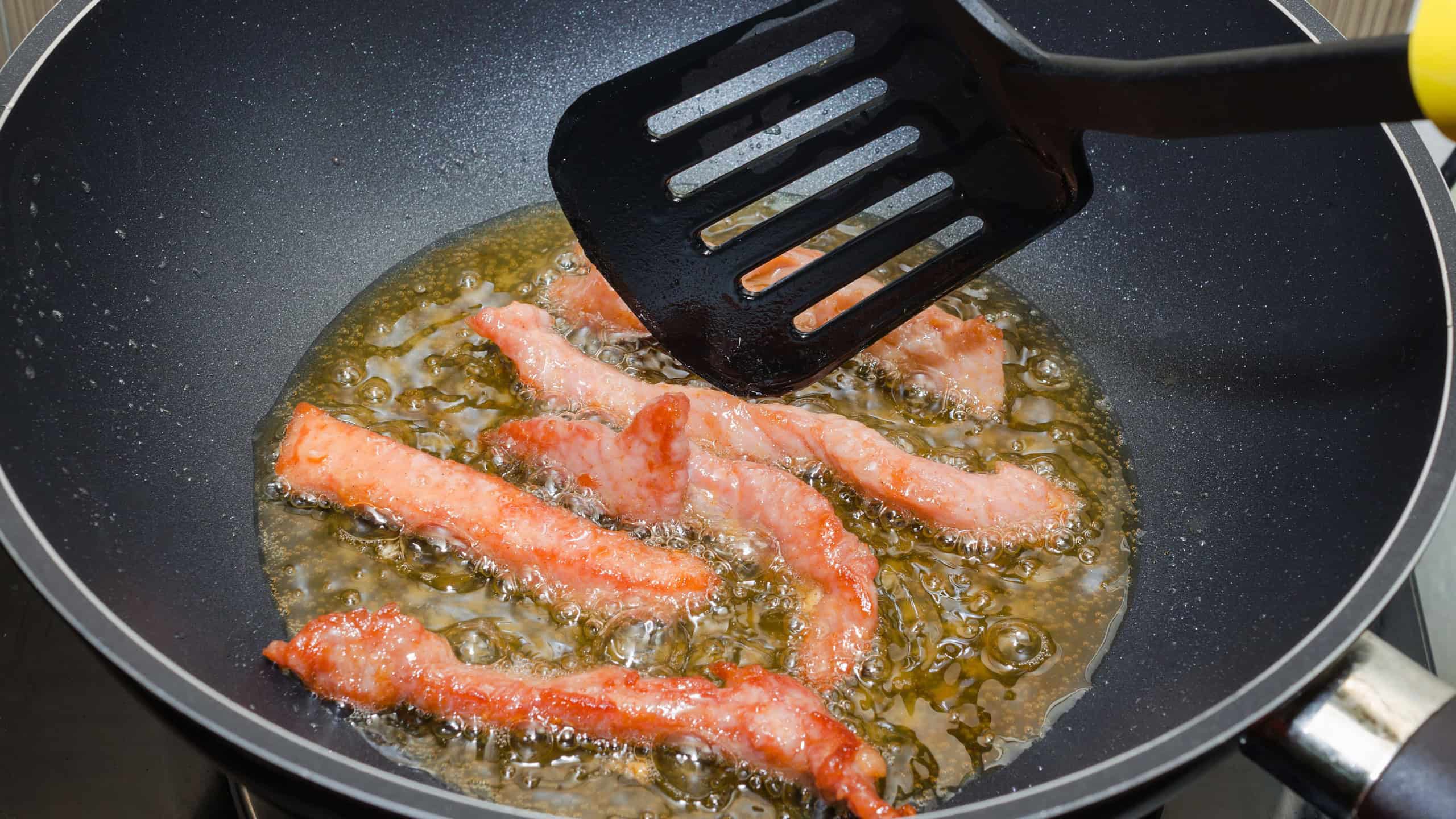
Younger people used to be suspicious of bacon grease jars. They couldn’t understand why on Earth older people would bother having it in their kitchen because, surely, it was a health hazard? But it’s not. It’s a smart idea to hold onto the grease, as long as you do it properly.
Strain it. Cool it. Put it in the fridge. Simple as that. Later, you can use it to add a little more flavor to your potatoes, beans, eggs, greens, anything really, but without needing to open some more seasoning. It saves pouring the grease down the sink, too.
Cash first, cart second

It’s so old-fashioned. At least, that’s what young people believed when they saw old people refusing to pay for stuff unless they could pay up front. Old people weren’t always big believers in going into debt. Young people are beginning to agree.
You keep the price visible when you pay upfront, after all, and you don’t need to worry about Klarna or other monthly payments. There’s no interest, either. Pay for it upfront, or don’t bother, unless it’s something worth it in the long run.
The same day every week
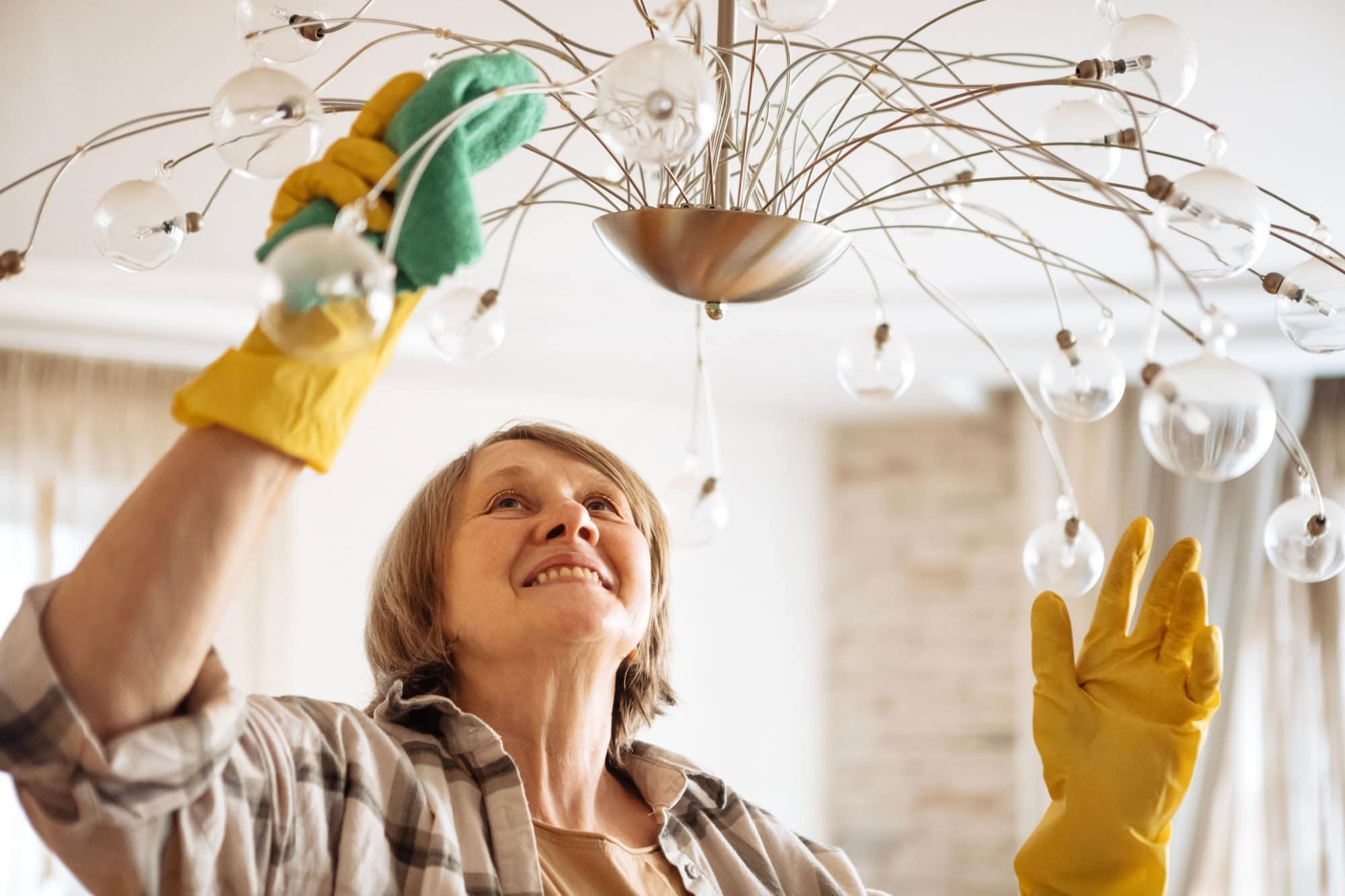
Having a set cleaning day can be a little strange, sure. But then you notice the bathroom mirror’s filthy and the floor has crumbs from three different meals. Let’s not get started on the laundry basket. Older people had a day specifically for cleaning, and it really was smart.
They’d dread it when the day came because, honestly, nobody likes doing the cleaning. But it makes your whole life easier when you know there’s a day to get everything sorted. It keeps your house looking a lot nicer, for starters.
A snack before the bill

Before going somewhere expensive, like an airport or movie theater, old people insisted on eating first. They might eat a sandwich, they might have a bowl of cereal, whatever. The goal was to avoid ordering stuff you didn’t actually need.
It makes sense, really. These expensive places are huge traps for your wallet, and making sure you’re not hungry can help you quit spending. That doesn’t mean you have to avoid treats all the time, though.
The fine print feeling
‘Free.’ It’s a word that seems harmless, but older people have always known there’s more to the story. That’s why they’re usually a little more suspicious when they hear it. ‘Free’ could mean leaving a card on file, and ‘free’ could mean dealing with tracking or ads.
Older people would rather ask a few questions before assuming that something ‘free’ is actually helpful. Young people understand that now, too. After dealing with practically all their data being sold off, they’re recognizing that older people were smart to ask questions.
Sweater weather indoors
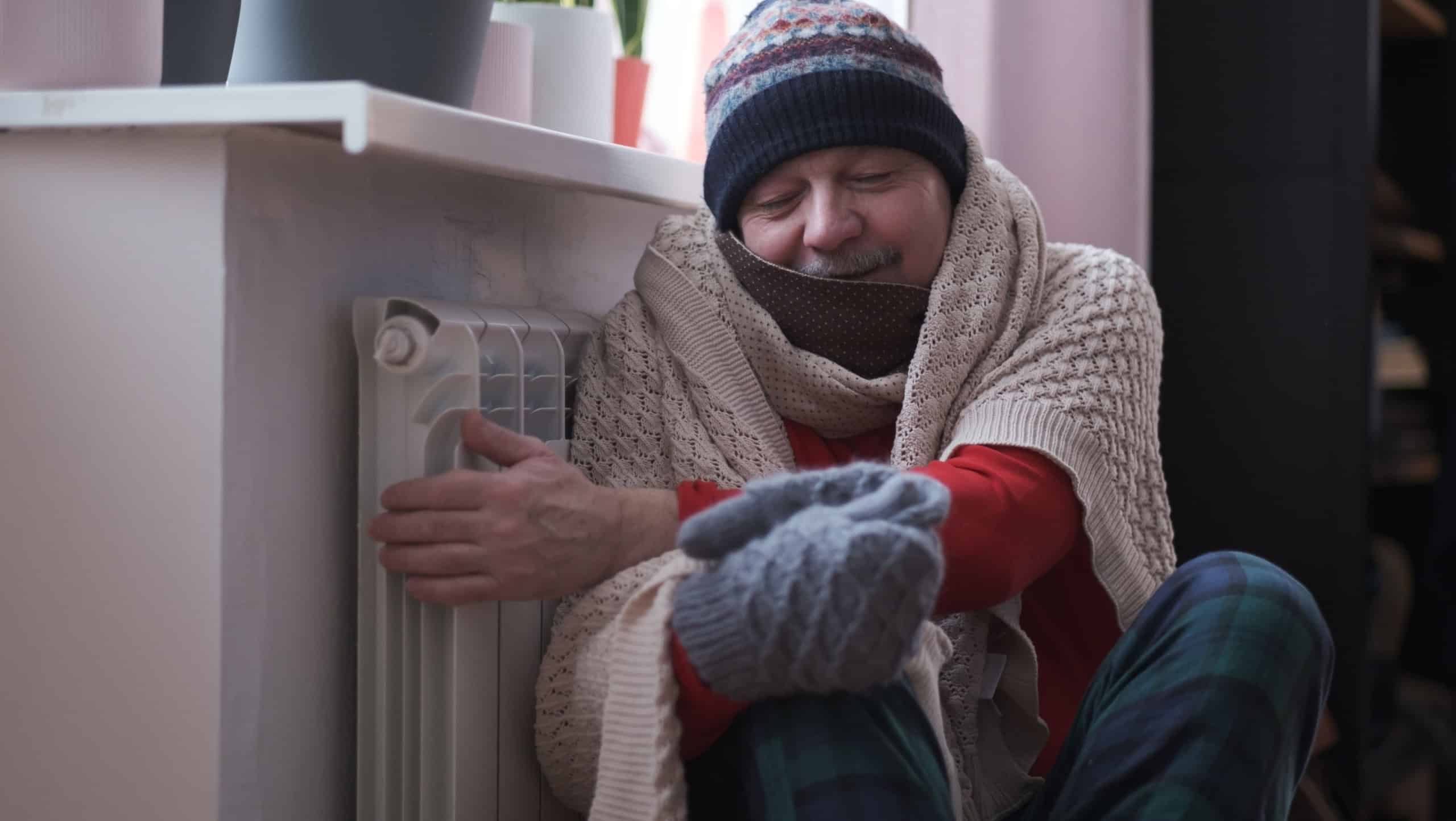
You can guarantee that, as a kid, you probably felt annoyed when you heard you shouldn’t touch the thermostat. It was there for a reason, wasn’t it? But older people insisted on leaving it alone and putting on another layer, without adjusting the temperature.
It really does make sense nowadays. You save so much money by leaving the temperature where it is, and those savings could be as much as 10% a year. Putting on a sweater and slippers never hurt anybody.
For when people come over
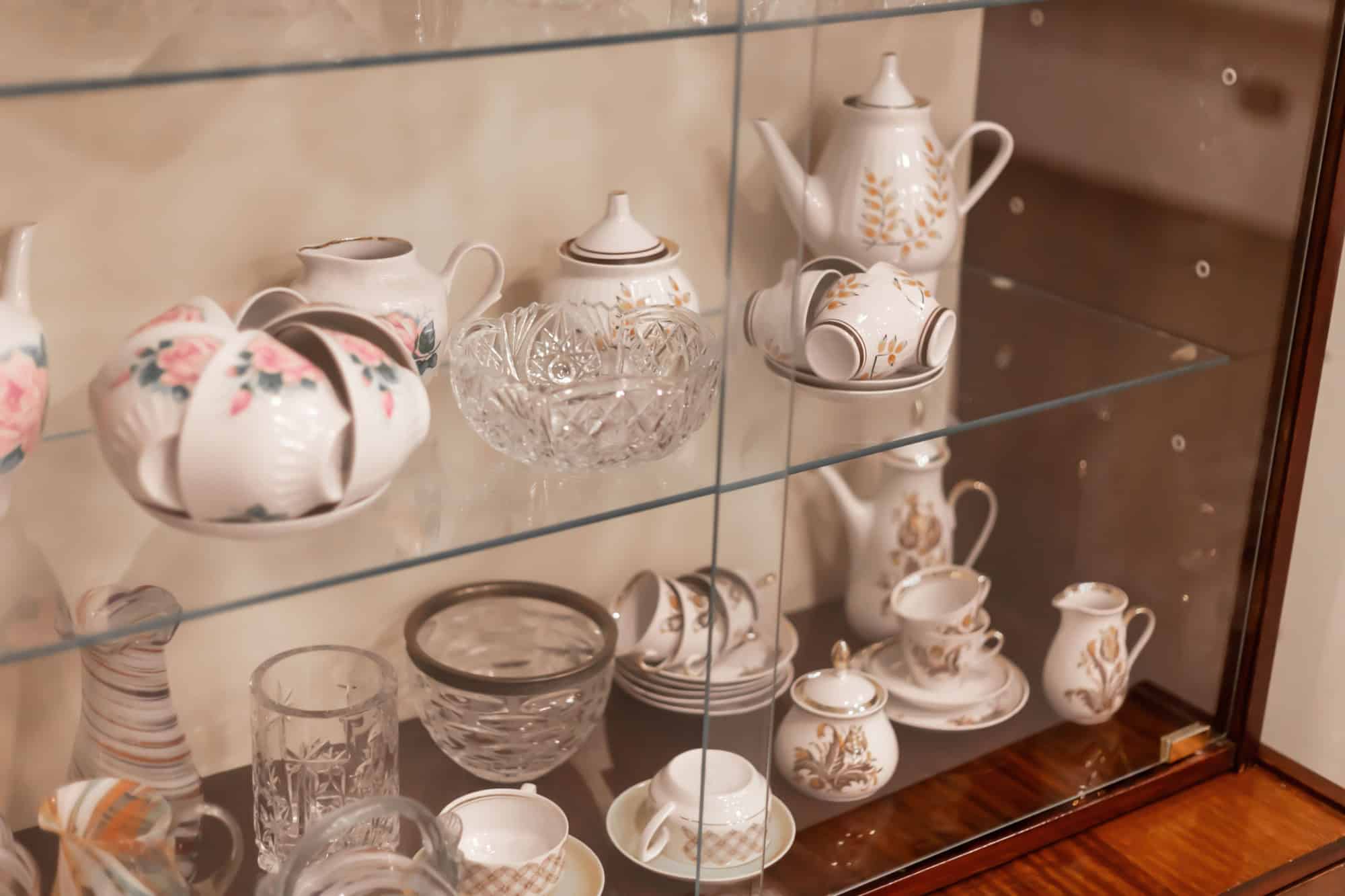
‘Company-only’ glasses and dishes are a little strange, we’ll admit it. Having a set of utensils that you never use, just sitting in the cabinet? What’s the point? Turns out, it’s for when guests come over, and it makes the experience feel a lot more special.
Having a guest set ready means you’ll have clean plates and decent glasses for any guest who does come over. You seriously can’t put a price on being ready to host like that.
Sources: Please see here for a complete listing of all sources that were consulted in the preparation of this article.

