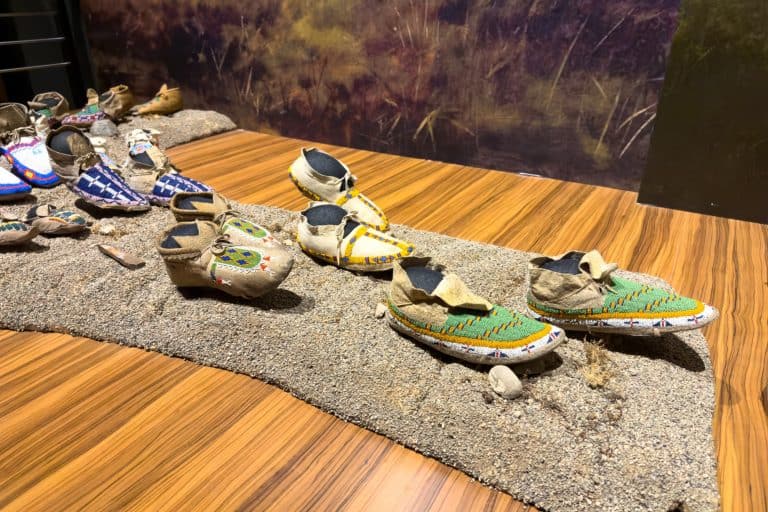

There are many places across the U.S. where Native nations themselves keep their stories alive. Some are on tribal lands & others are in cities. But all of them are built to protect important Native collections & traditions that would be lost. Here are eleven museums that preserve Native American history. Which ones would you like to visit & why?
Featured Image Credit: Shutterstock.
Mashantucket Pequot Museum & Research Center

The Mashantucket Pequot Museum & Research Center in Connecticut is huge. 308,000 square feet, to be exact. The Mashantucket Pequot Tribal Nation runs the center & the site includes exhibits, a library, archives, and even a recreated 16th-century Pequot village you can walk through. Everything comes together here to document Pequot history and the Eastern Woodlands.
National Museum of the American Indian

You’ll find the National Museum of the American Indian in New York and Washington D.C. It has over 800,000 items, including Native clothing & sacred objects, as well as thousands of hours of recorded stories. There’s also a massive research center in Maryland. Along with the Native communities, the staff tries to make sure collections are preserved the right way.
Navajo Nation Museum

The Navajo Nation has its own museum in Window Rock, Arizona, which works as a full cultural center that includes art & archaeology materials. It has over 40,000 photographs in the archives alone. In fact, they design most of the exhibits in-house, and a large number of them are available for study & display.
Osage Nation Museum

The Osage Nation Museum opened back in 1938 and is actually the oldest tribally-run museum in the U.S. You’ll see photographs & clothing inside, along with ceremonial items & artwork. It’s all dedicated to preserving Osage history and identity. That’s pretty important, given how much the Osage Nation has suffered over the years.
Ziibiwing Center of Anishinaabe Culture & Lifeways
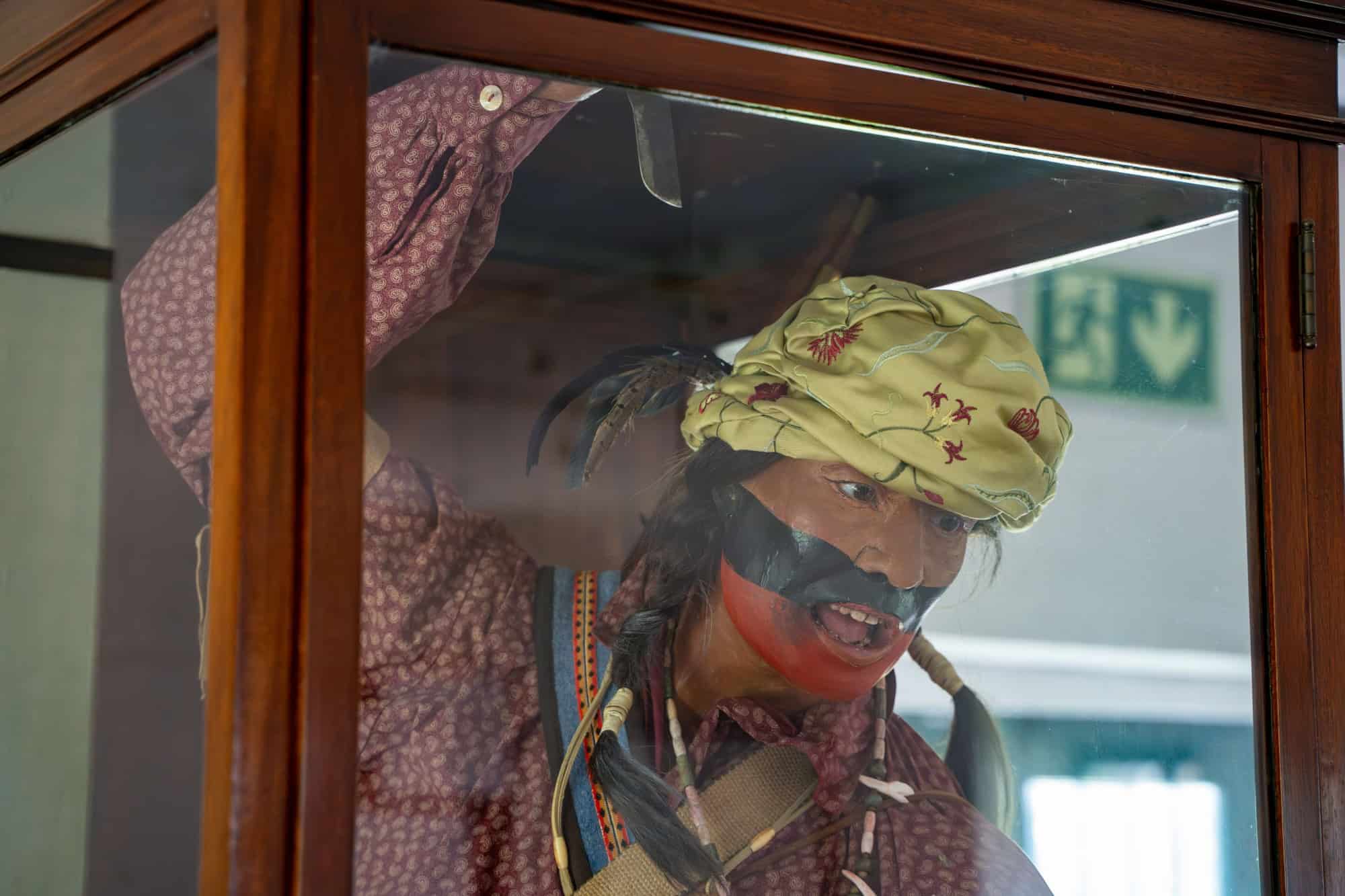
The Saginaw Chippewa Indian Tribe owns the Ziibiwing Center of Anishinaabe Culture & Lifeways museum, which focuses entirely on Anishinaabe culture. But it’s not just exhibits. The Center also hosts several language revitalization projects & educational programs. Any tribal citizens or visitors who want to understand Anishinaabek history should definitely think about visiting.
Indian Pueblo Cultural Center

In New Mexico, nineteen Pueblo communities created the Indian Pueblo Cultural Center to record Pueblo history from ancient times to today. The walls are covered in murals by Pueblo artists. Visitors can take part in events featuring traditional foods & dances. It’s all Pueblo-run and Pueblo-focused. How interesting.
Alaska Native Heritage Center
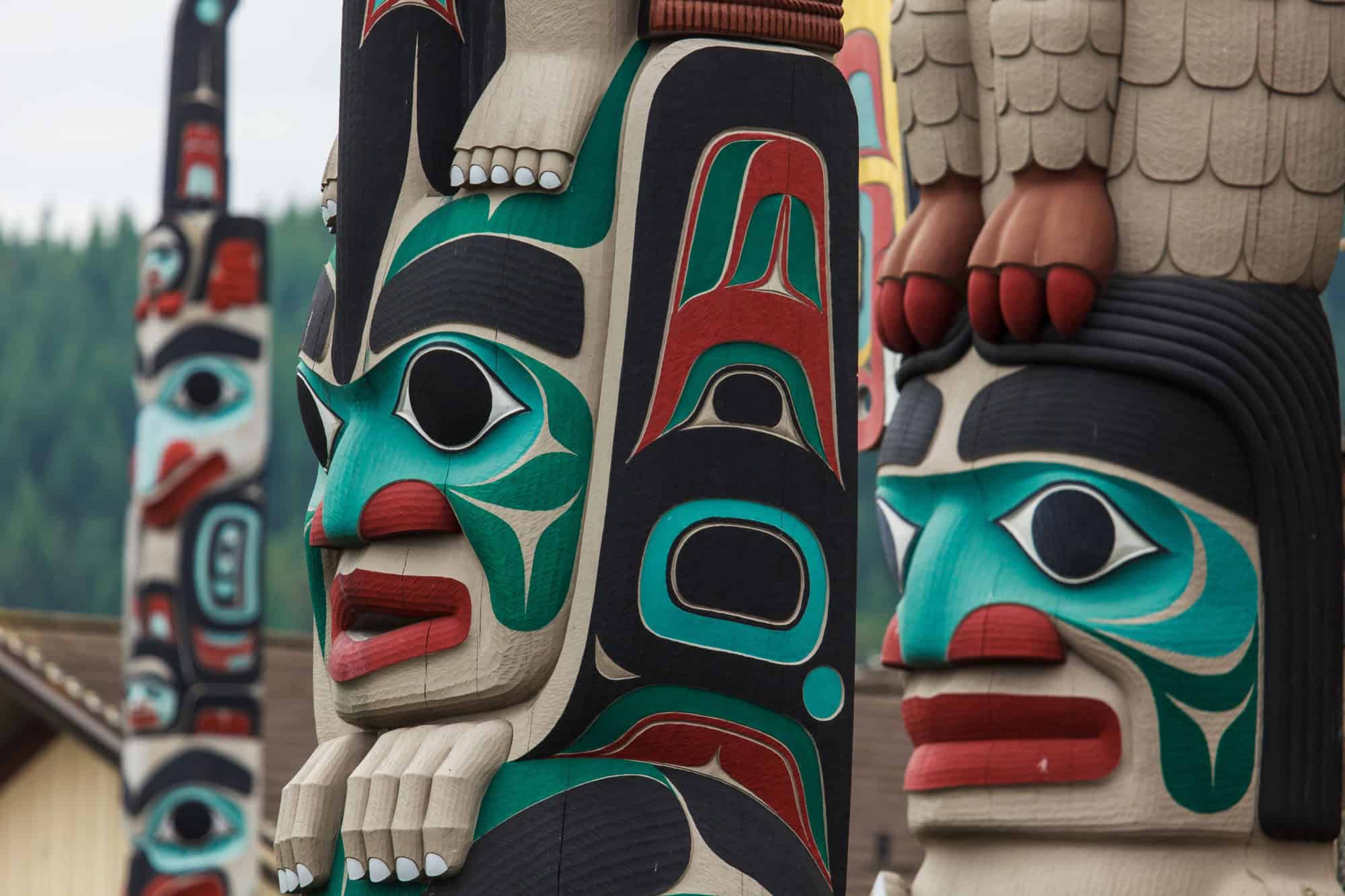
The Alaska Native Heritage Center in Anchorage is meant to represent every Alaska Native group. There are indoor galleries, as well as outdoor village sites built to scale, and visitors get to see artifacts & hear languages. You can watch cultural demonstrations year-round. Don’t forget the Hall of Cultures. It documents five major cultural regions across the state.
Museum of the Cherokee People

The exhibits at the Museum of the Cherokee People tell the story of the Eastern Band of Cherokee Indians. There are also artifacts & oral histories. It’s been around since 1948. While it’s nonprofit-run, it’s also community-centered. You can’t beat it.
Huhugam Heritage Center
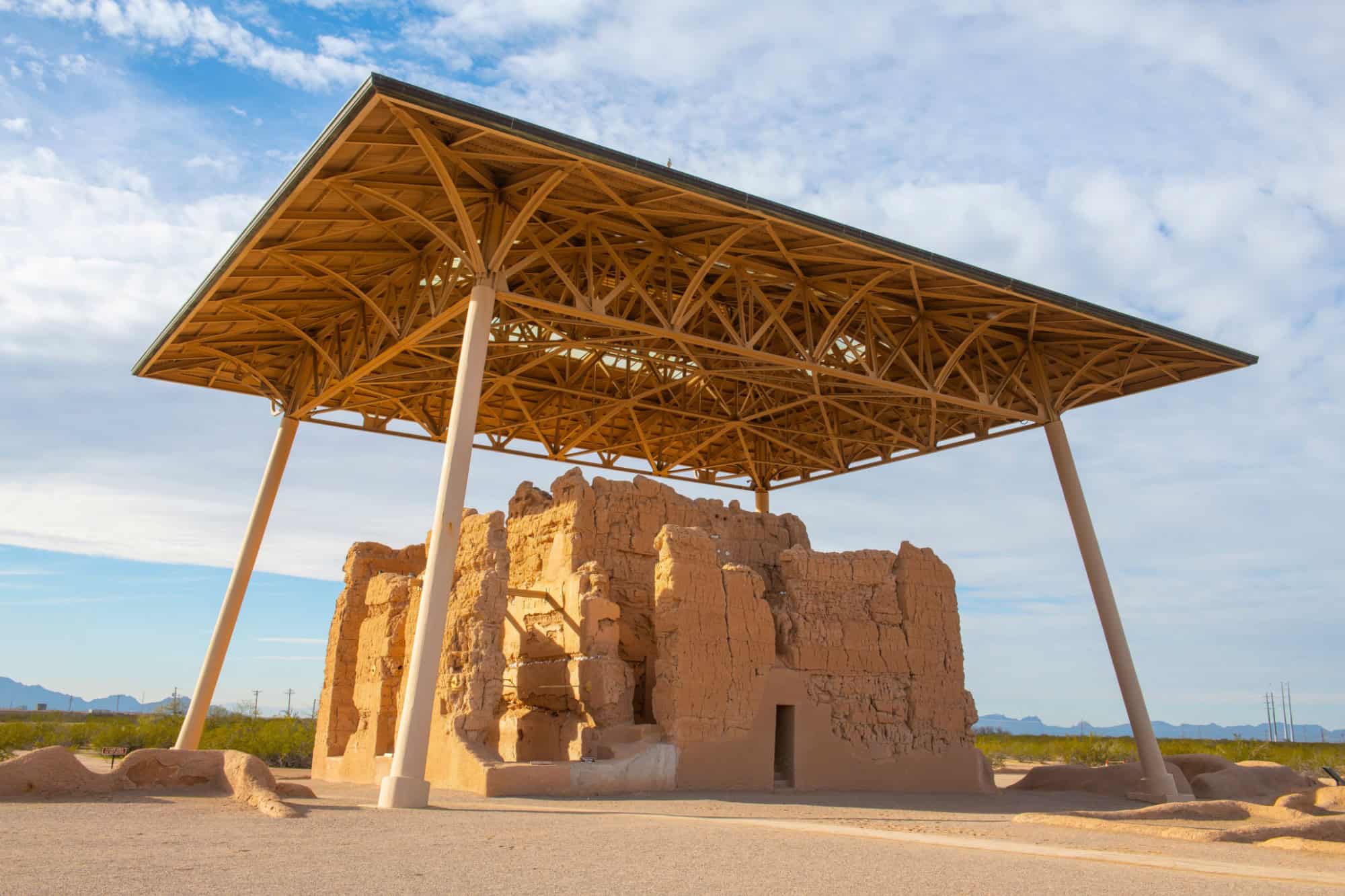
In 2003, the Gila River Indian Community built the Huhugam Heritage Center to house collections related to the Akimel O’otham & Pee Posh. You’ll also find works from the ancient Huhugam. But it’s not just exhibits. Nope, it’s also an archive for researchers & community members alike.
The Museum at Warm Springs

The Museum at Warm Springs opened in 1993 and focuses on the Confederated Tribes of Warm Springs. These include Wasco, Warm Springs & Paiute. It has archives & an outdoor amphitheater. It was designed to reflect the landscape and traditions of the three tribes. And honestly? It does that pretty well.
Southern Ute Museum
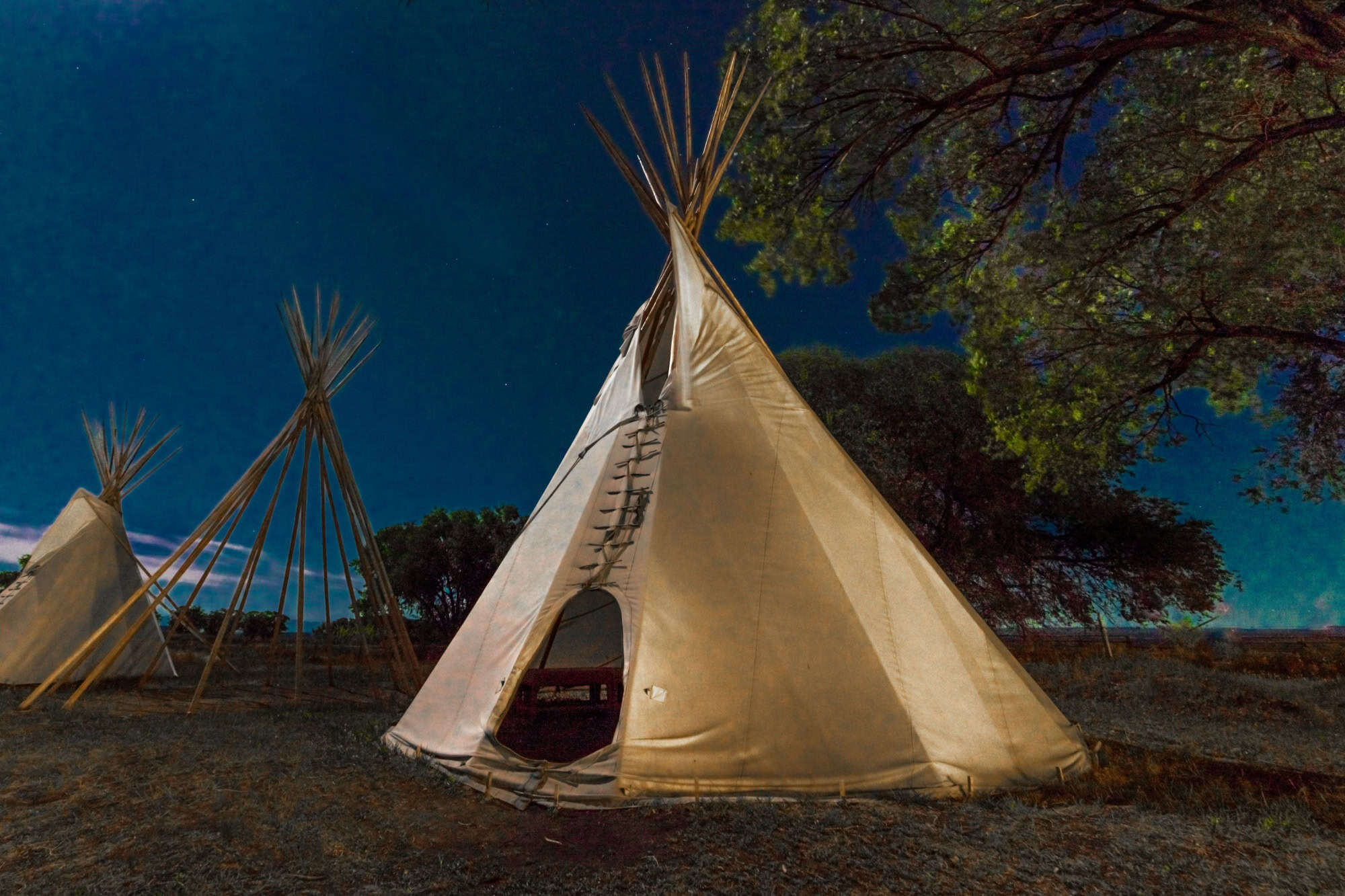
Down in Ignacio, Colorado, you’ll find the Southern Ute Museum, run by the Southern Ute Indian Tribe. The exhibits cover all of Southern Ute history. These include everyday tools & ceremonial items, and the building was designed by Jones & Jones.
Sources: Please see here for a complete listing of all sources that were consulted in the preparation of this article.
Like our content? Be sure to follow us.

