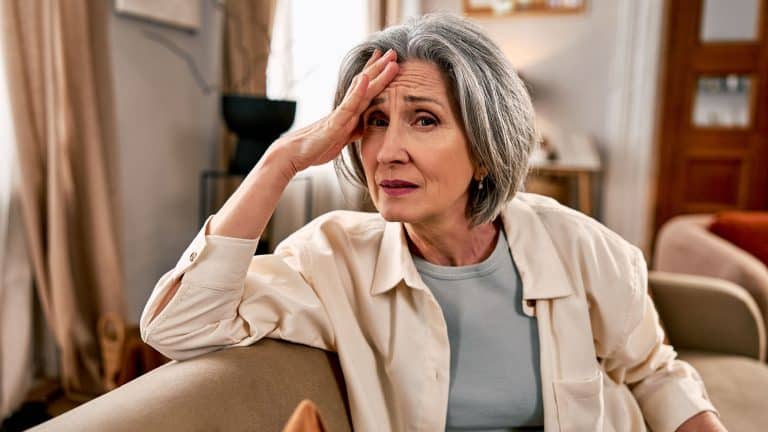

There are all kinds of things that come with aging, and most people know about them, but then there are the harsher truths that people don’t ever talk about.
The questions get shorter
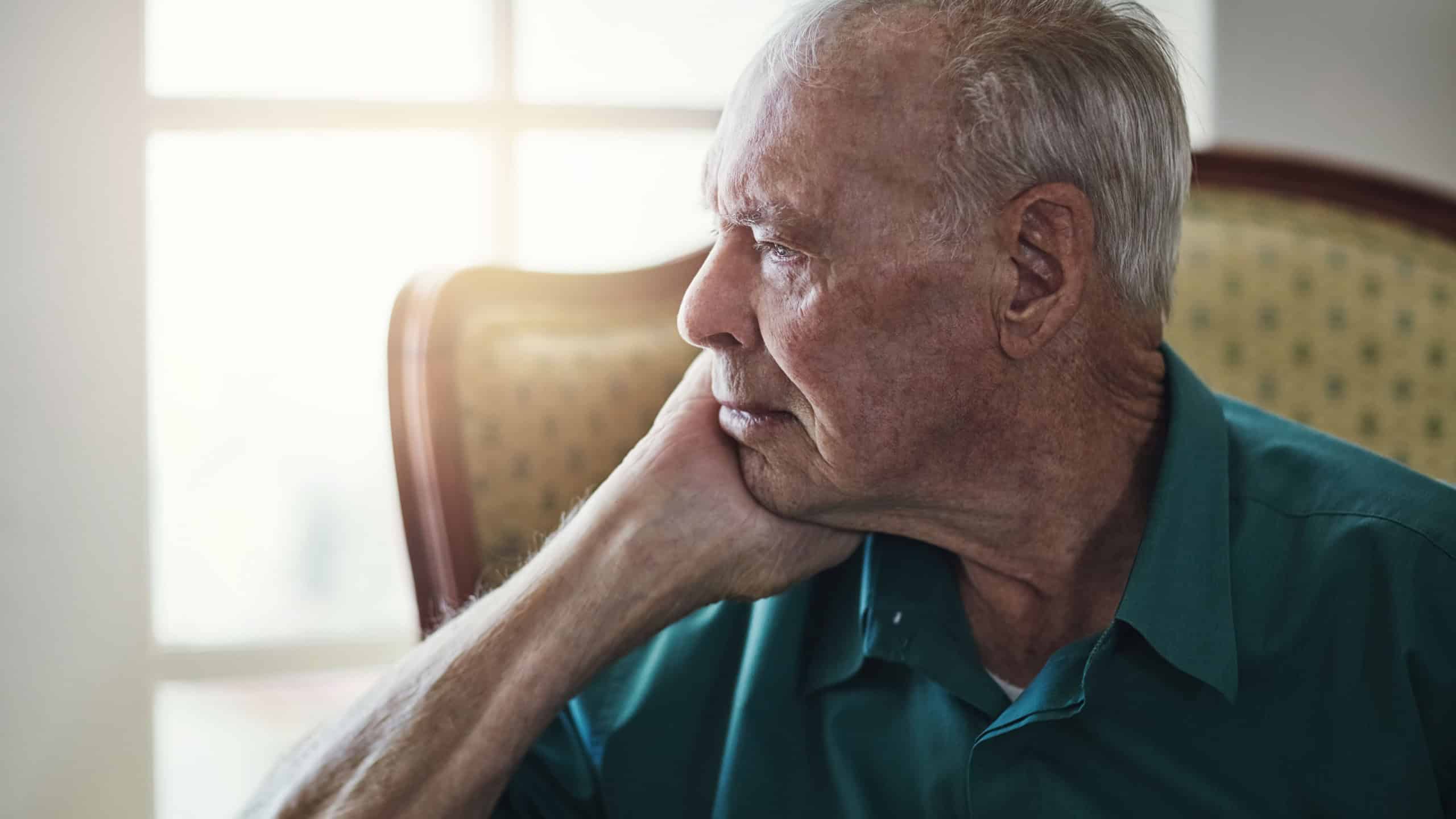
Questions change when you get older, but not in a cute way, that never happens. People just stop asking what you want, and they only ever ask about the basics, like whether you’ve had lunch and how much you slept. But the regular human questions? They’re missing.
No questions about what you think is fun, no questions about whether you want to be alone today. Everything is decided for you. Because, apparently, when you get older, choice is more of a fancy extra than a normal part of being an adult.
The choice pileup

The little stuff becomes a lot bigger when you’re older. Not because you can’t handle life or anything, you still can, it’s just that there are so many tiny choices now, like which pill to refill, and whether an appointment is worth the taxi.
It doesn’t help that normal aging often leads to slower processing speed and worse attention spans. That’s not even factoring in things like dementia. Choosing soup or salad may be easy, sure, but choosing fifteen small things before lunch is way more challenging, not in a good way.
The person is still in the room

The harshest truth has nothing to do with death, and it’s actually being underestimated while you’re still here. People talk softer, and they talk around you, like you’re completely empty. Your opinions, your memory of things, they don’t matter.
You get brushed aside and spoken over way too often when you’re older. Perhaps you move more slowly, and perhaps you nap more, that’s totally fine, but you’re still a person. You’re still present.
The old photos answer back

Grief. It’s one of those things that’s more common when you get older, although most people think it only involves funerals. Those things happen, of course they do, but grief when you’re older also involves missing the person who you used to be.
You grieve the person who climbed stairs with ease, you grieve the person who could drive at night without being scared, you grieve it all. The truth is, sometimes you’re mourning the old version of yourself like it’s someone who’s died.
The room gets louder around you

Older people know exactly what’s going on because they’ve lived through a lot of stuff, after all, so they’ve learned a thing or two about how the world works. Yet younger people still talk over them. They treat older people like they don’t know anything simply because they’re old.
Because age suddenly makes your experience unimportant. It’s ageism, through and through, and it makes younger people dismiss their elders far quicker than they would’ve done before.
The helpful hands take over

Let’s get one thing straight, older people do appreciate help, they really do, but there’s a side to being helped that doesn’t get mentioned. It’s the part where being helped feels like you’re being managed, like you have no say in the mealtime or doctor’s appointments.
It’s not like people are trying to be mean or anything, families get nervous, and care workers have schedules, it makes sense. But it’s a harsh truth that older adults lose some of their autonomy because they’re being ‘helped’ with daily routines and rules.
The word that changes the compliment

Pay attention to how people use the word ‘still’ when you’re older. They’ll question how you’re still cooking and how you’re still driving, as well as how you’re still going to the gym. They don’t mean it in a bad way, they’re usually trying to praise you, genuinely.
But talking about normal tasks in that way gets annoying because it treats older adults like they’re less capable, even when they are. The person saying ‘still’ means ‘good for you,’ yet the person on the other end hears them saying, ‘We didn’t expect much from you.’ Ouch.
The visits sort themselves out

Some people keep coming when visits become more challenging, they’re not a problem. The issue is with people who keep saying ‘we should really get together soon.’ You know the kind, they never seem to have enough time, place, or even love for you to visit.
Getting older means finding out who visited because they actually loved you, and who visited because it was convenient. Love isn’t always convenient. It’s when it’s not convenient that you work out who was visiting you for you, really.
The lost key gets renamed

Everybody, of every age, misplaces things, but the difference is with excuses. A 32-year-old loses their keys? That’s because it’s a busy week. It’s not the same when a 78-year-old loses theirs because, apparently, it’s because of their age. It’s a real double standard.
Older adults’ forgetfulness is almost always blamed on their age, while younger people have theirs blamed on attention, on effort, on any other reason than their age. Their mistakes get forgiven because they’re a part of life. Why aren’t older adults’ mistakes that way?
The family shorthand sticks

The thing about labels is that they’re so quick to apply, so hard to lose. Getting older means you get plenty of them. You stop being a person, and you become Grandma, or the widow, or the one with the walker. You become the 92-year-old.
It’s not fun when these labels start replacing your whole person. Newsflash, older adults still have favorite snacks and old crushes, just like everyone else. They have stories to tell and a life that they’ve lived that go beyond their age labels.
The full house can still feel empty

It’s weird how you can get checked on all day as an older person and still feel alone. It’s weirder that so many people don’t recognize that. No, they just see someone who has their laundry folded for them and their pills sorted out, what’s the problem?
It’s the fact that none of that help is the same as sitting around talking about nothing, and it’s not the same as a real conversation. Care fills a schedule, and that’s great, but it doesn’t fill the quiet.
Sources: Please see here for a complete listing of all sources that were consulted in the preparation of this article.
14 places that suddenly feel awkward as you grow older

There are some places that feel exactly the same, no matter how old you get, but then there are those that make you wonder whether you’re in the wrong room.


