

Amish work doesn’t always involve barns and butter churns, as some of their everyday jobs are a lot more interesting than you might expect.
Dairy farmer

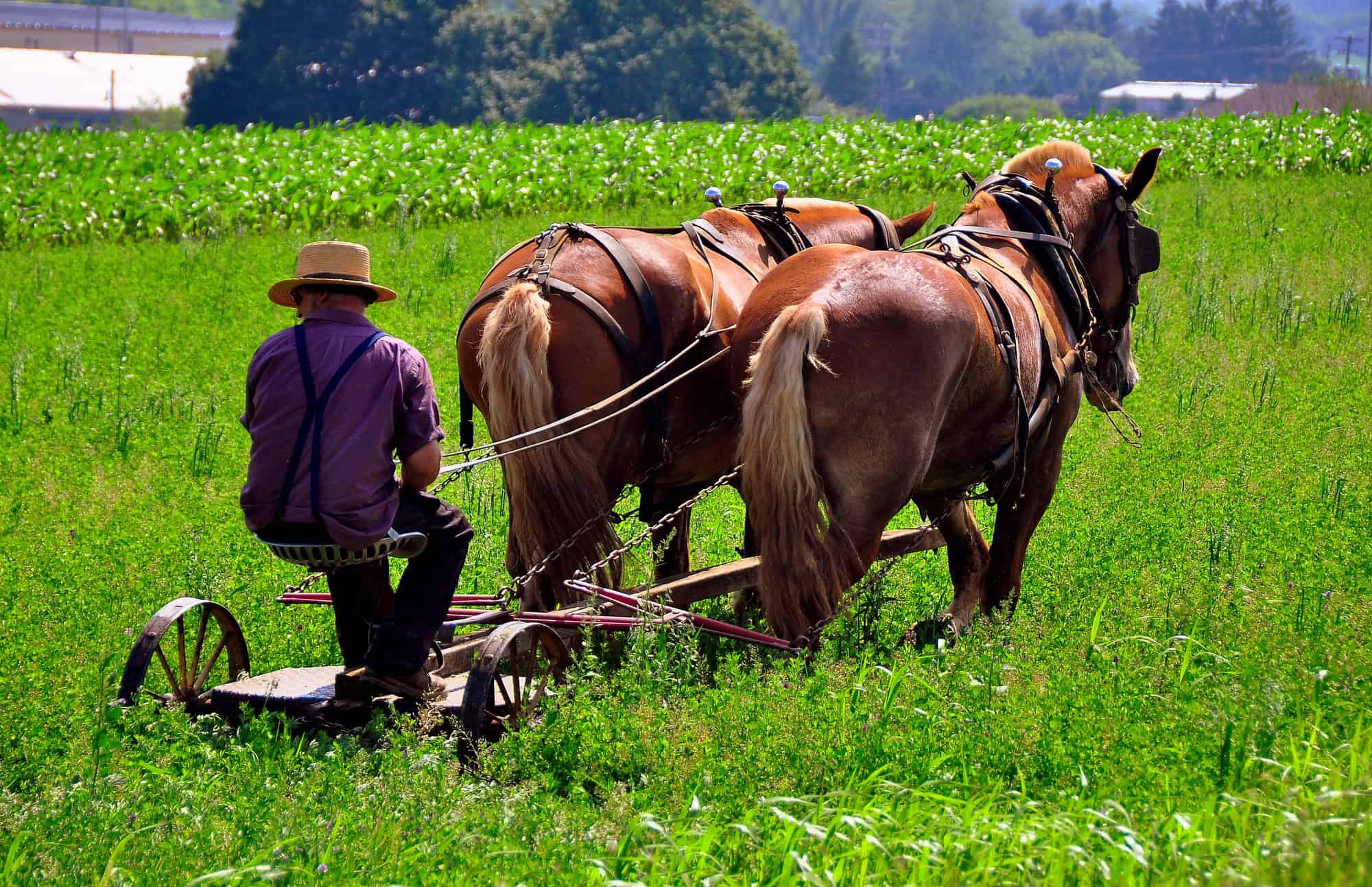
It seems peaceful. At least, from a distance, dairy farming seems like it’d be a nice and relaxing job. But it’s anything but, since Amish people have to get up early to milk their cows and clean stalls. They have to check on animals and haul feed before doing it all again later.
Most Amish farms stick to hand milking or milk cans because these are traditional. There are some that use mechanical milkers and refrigerated tanks, however, but they’re few and far between. It’s a job that never stops because the cows don’t care what day it is.
Carpenter
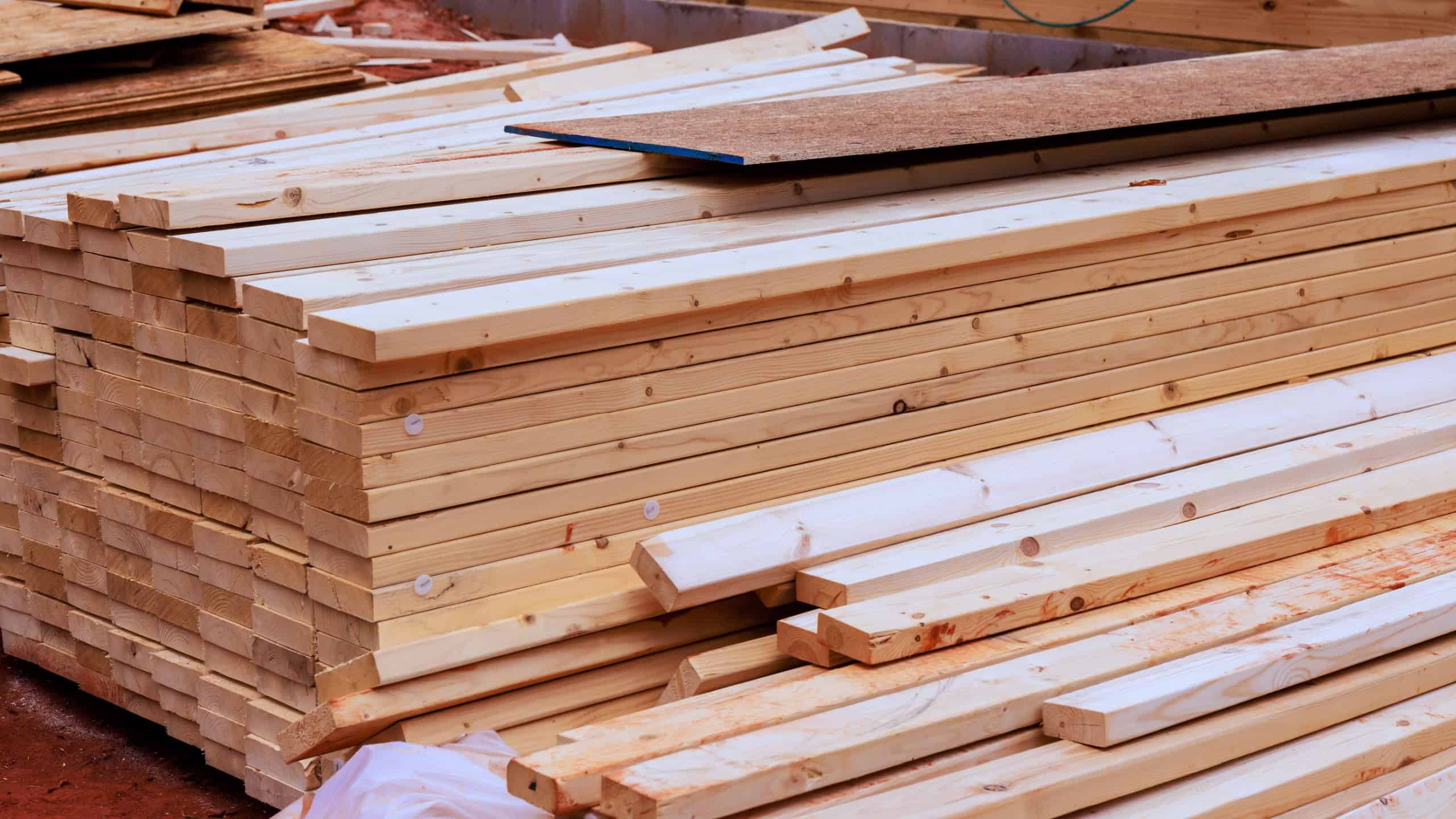
An Amish carpenter might spend Monday framing a barn. Then, on Friday, they’re fitting trim inside someone’s kitchen. These individuals have to work on practically every building in their community, whether it’s a home or a farm building.
They have to know how to measure materials while also understanding how wood behaves when it’s damp or warped. Sometimes the material is just plain difficult. A lot of these workers learn tips from their relatives because, really, it’s not like they can all use power tools.
Roofer
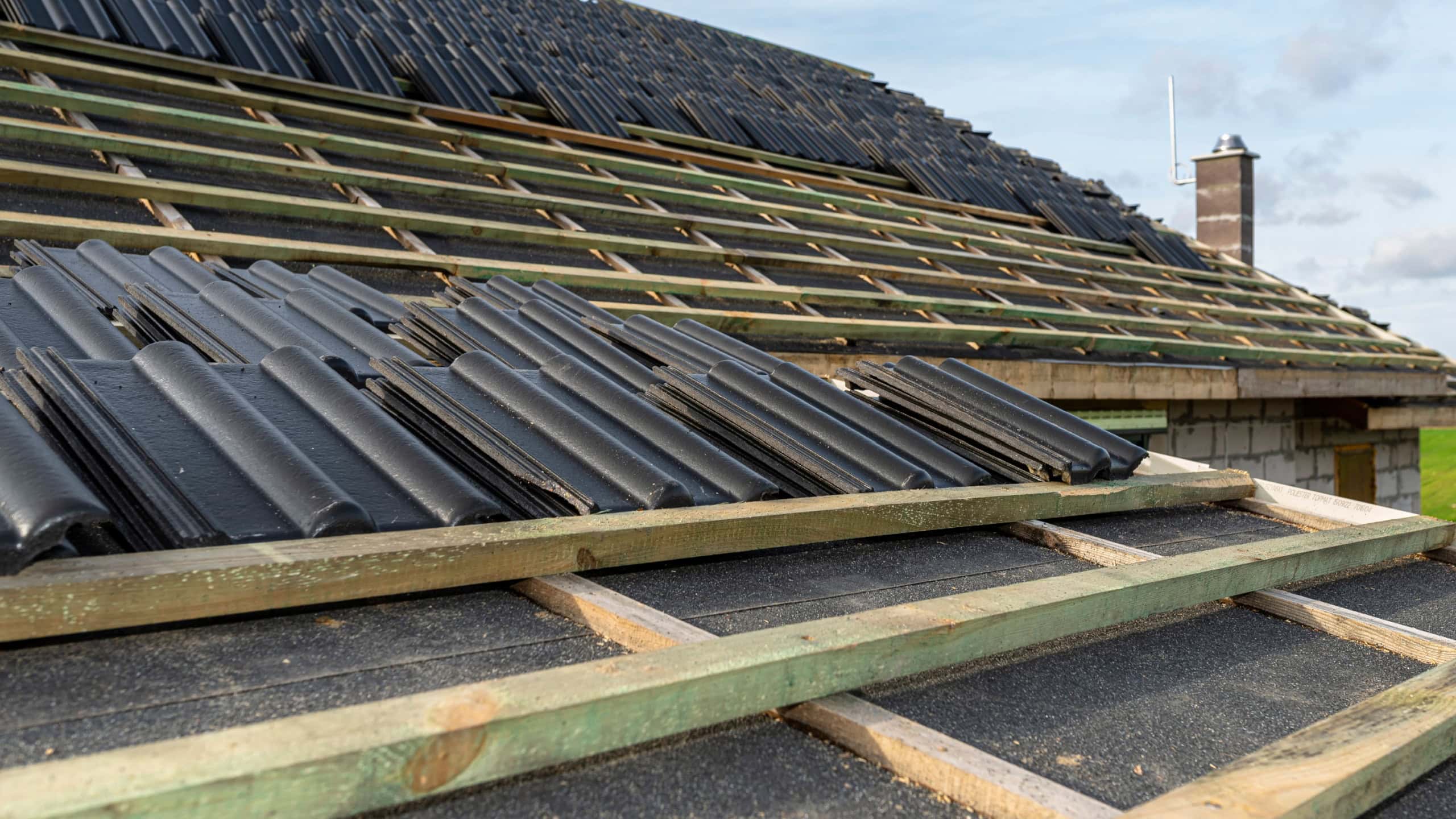
There’s no easy way to do roofing, especially not as an Amish person. They’ve got to carry bundles upward and strip away the old material. They’ll then need to check the wooden decking and work around anything at the top of the house, like vents or chimneys.
The majority of Amish roofing crews install shingles or metal panels that have been created in the community. You might even find that some Amish roofers travel outside their own local area for jobs, although it is rare.
Construction worker
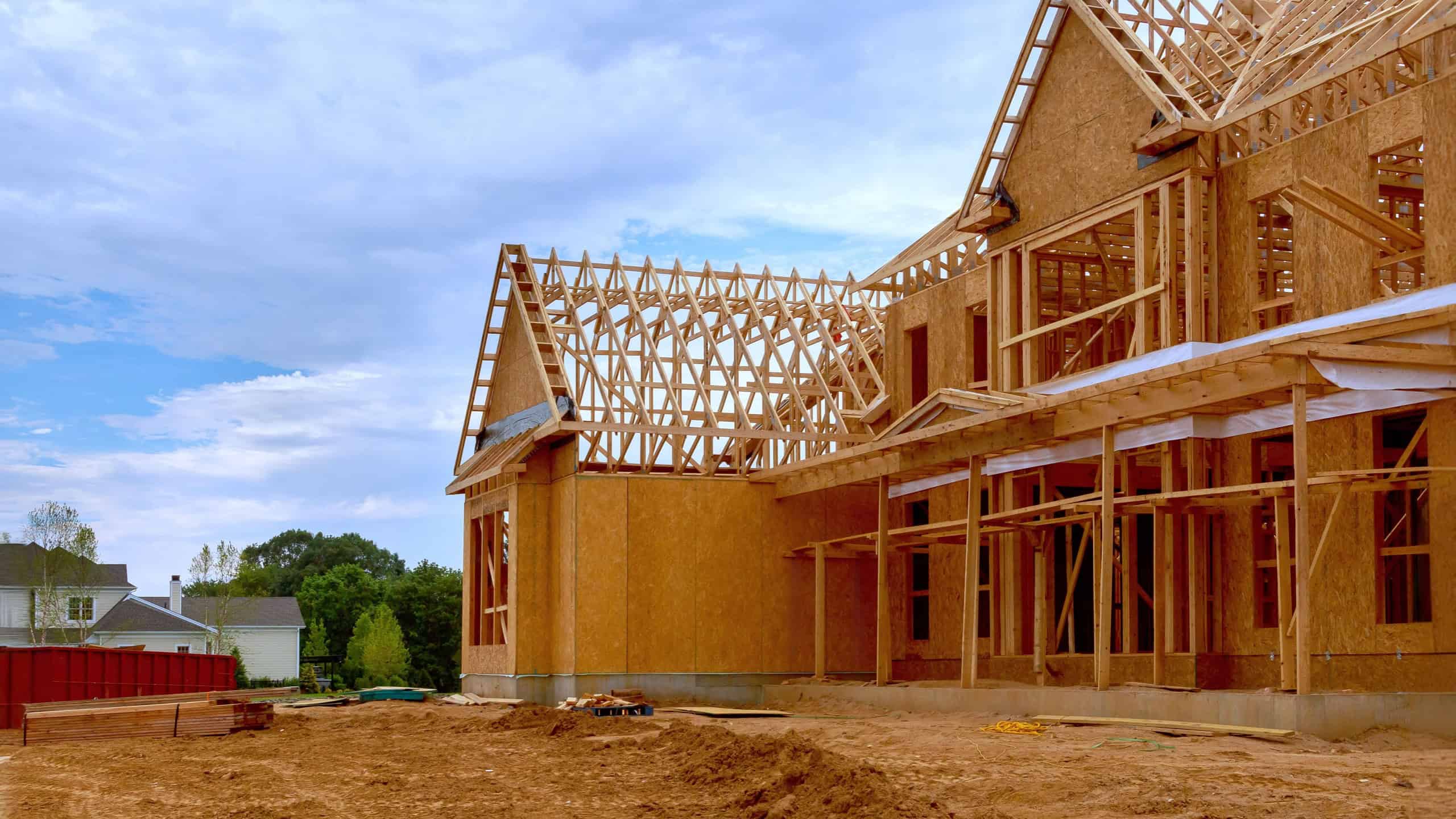
Construction work can mean so many different things. Amish construction workers could be putting up a pole barn one day, and then figuring out the interior finishing of a shop the next day. It’s a lot.
Amish construction workers usually operate in small crews, with each person taking on several tasks rather than sticking to one narrow role. They don’t just stick to their communities, they build for non-Amish customers, too. Equipment rules are different in each place, though.
Furniture maker
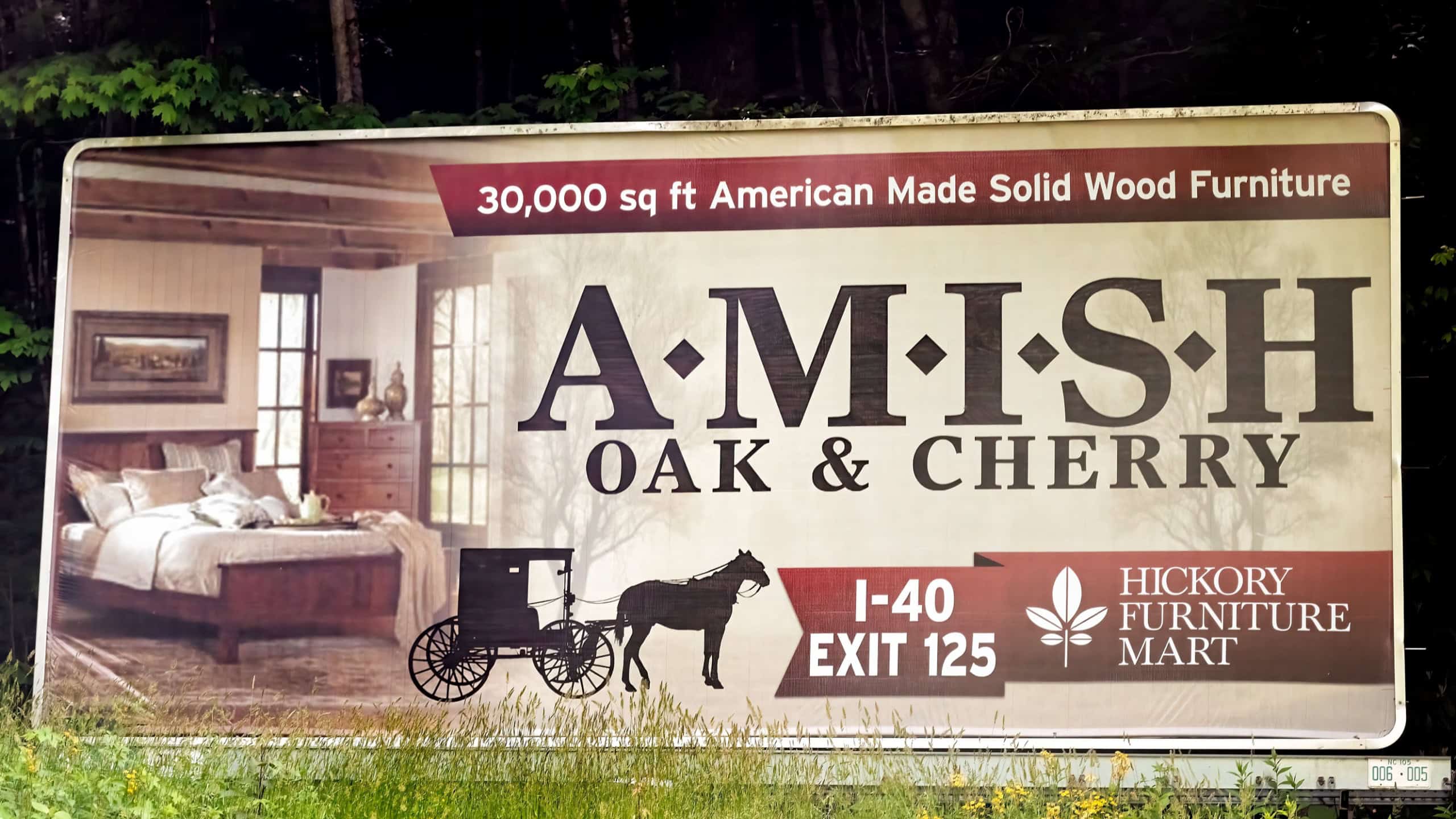
Teamwork tends to get the job done faster, and Amish furniture makers know all about that. They’ll often construct new pieces together, and each person will handle different stages. One worker cuts the boards. Another shapes the joints. Someone else sands them.
Amish furniture makers create all sorts of things for their communities and the surrounding areas, including beds and cabinets. They’re not completely against using tools, though. Some of them use pneumatic or hydraulic equipment, rather than anything connected to public electricity.
Sawmill worker
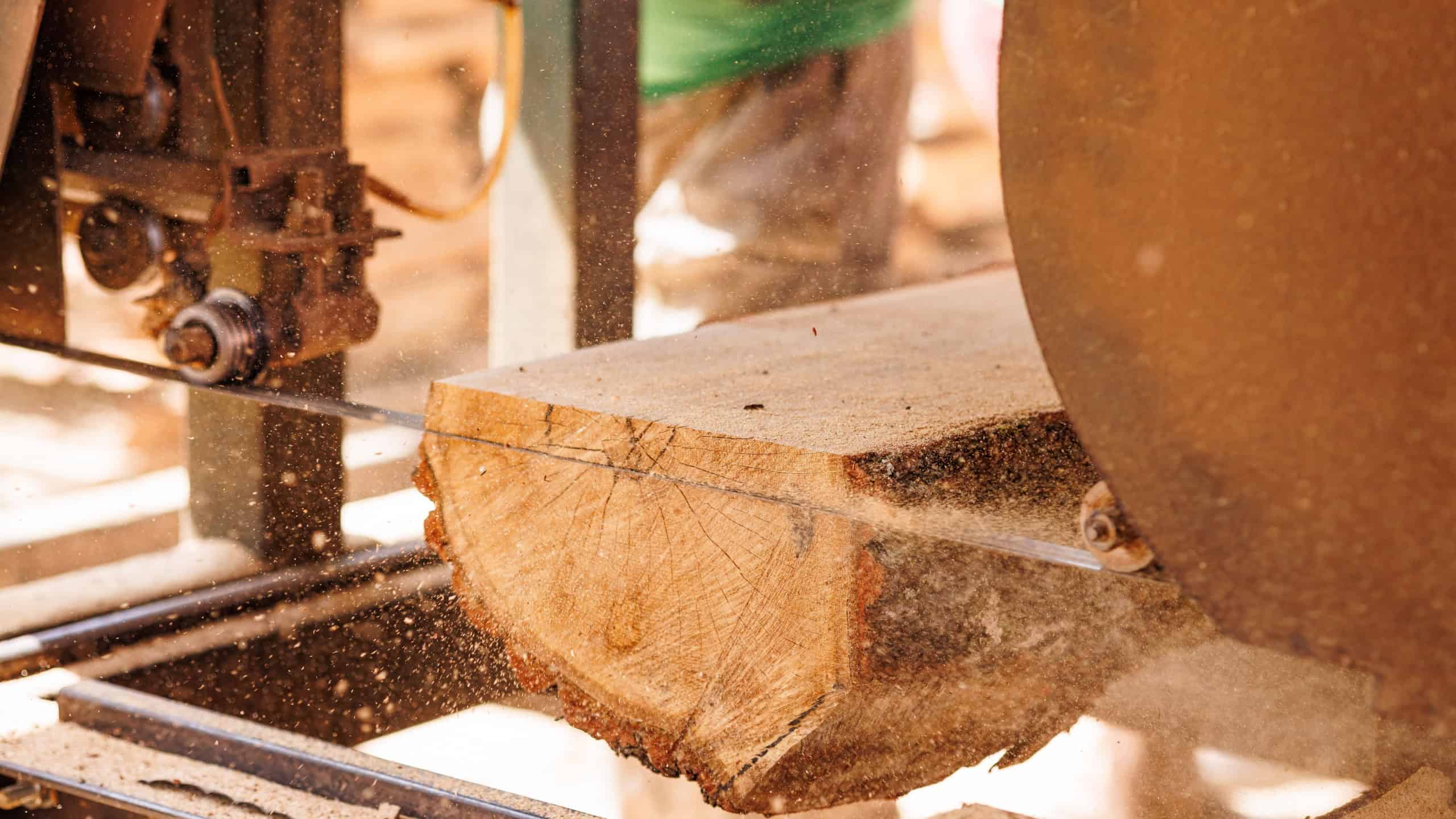
There’s no denying that sawmill work is loud. It’s also pretty dusty, and not exactly forgiving, either. Amish-owned mills often run their equipment with diesel engines or another power source. It all depends on the local church’s rules.
Like other sawmill workers, they have to be careful with the material because warped boards and damaged blades can create all sorts of issues. They’ll send the lumber to nearby furniture shops and flooring businesses, if they don’t need it.
Logger
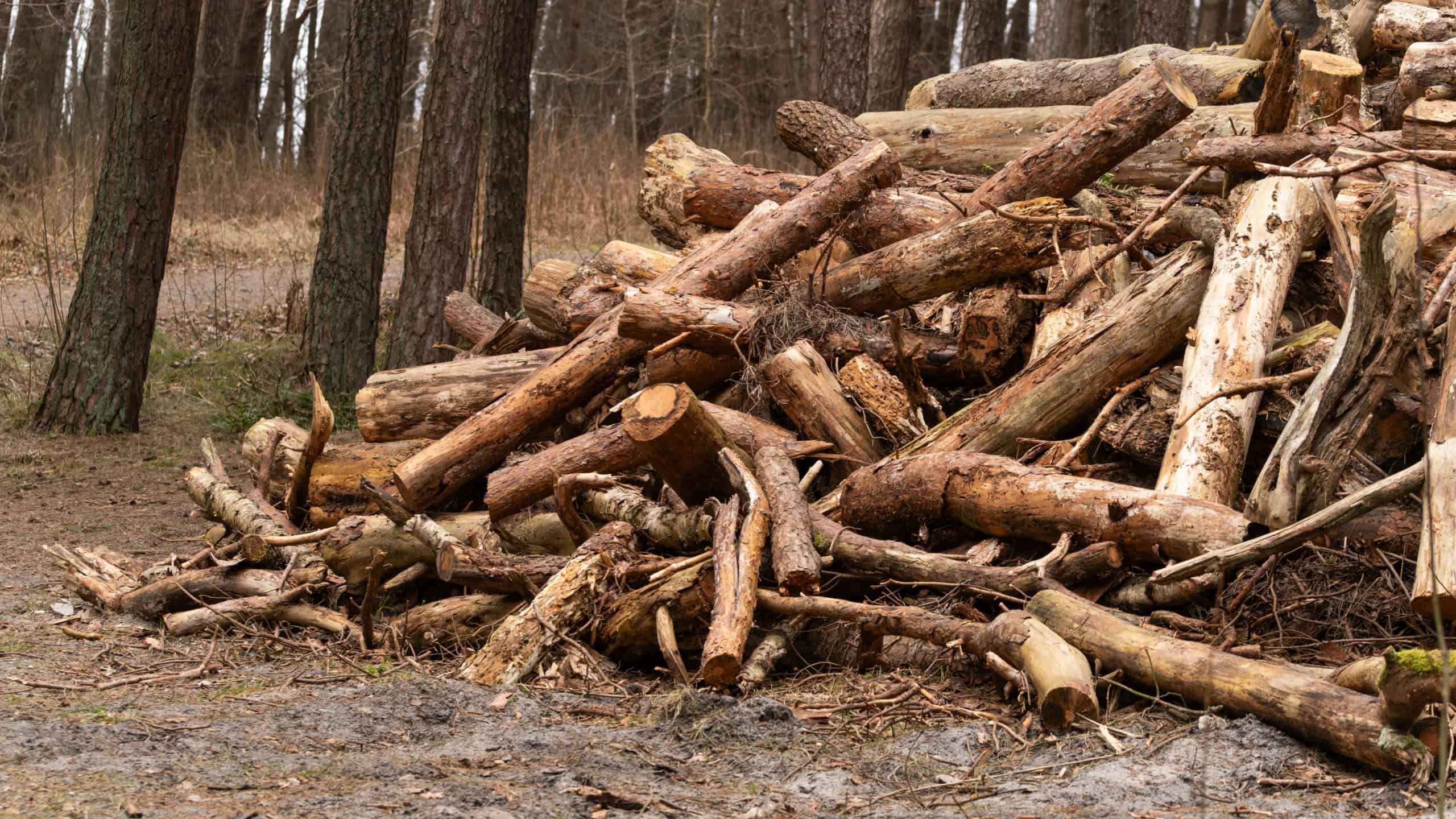
Let’s not forget about how the wood ends up at the sawmill in the first place. It’s all thanks to loggers. Amish ones select timber and work out where it should fall. They’ll remove the branches and get the huge trunk out of the woods, somehow.
They do it without technology. Instead, they’ll use horses because they can pull logs through narrow spaces. They also disturb less ground than large machines, so it’s great for Mother Nature, too.
Metalworker or welder
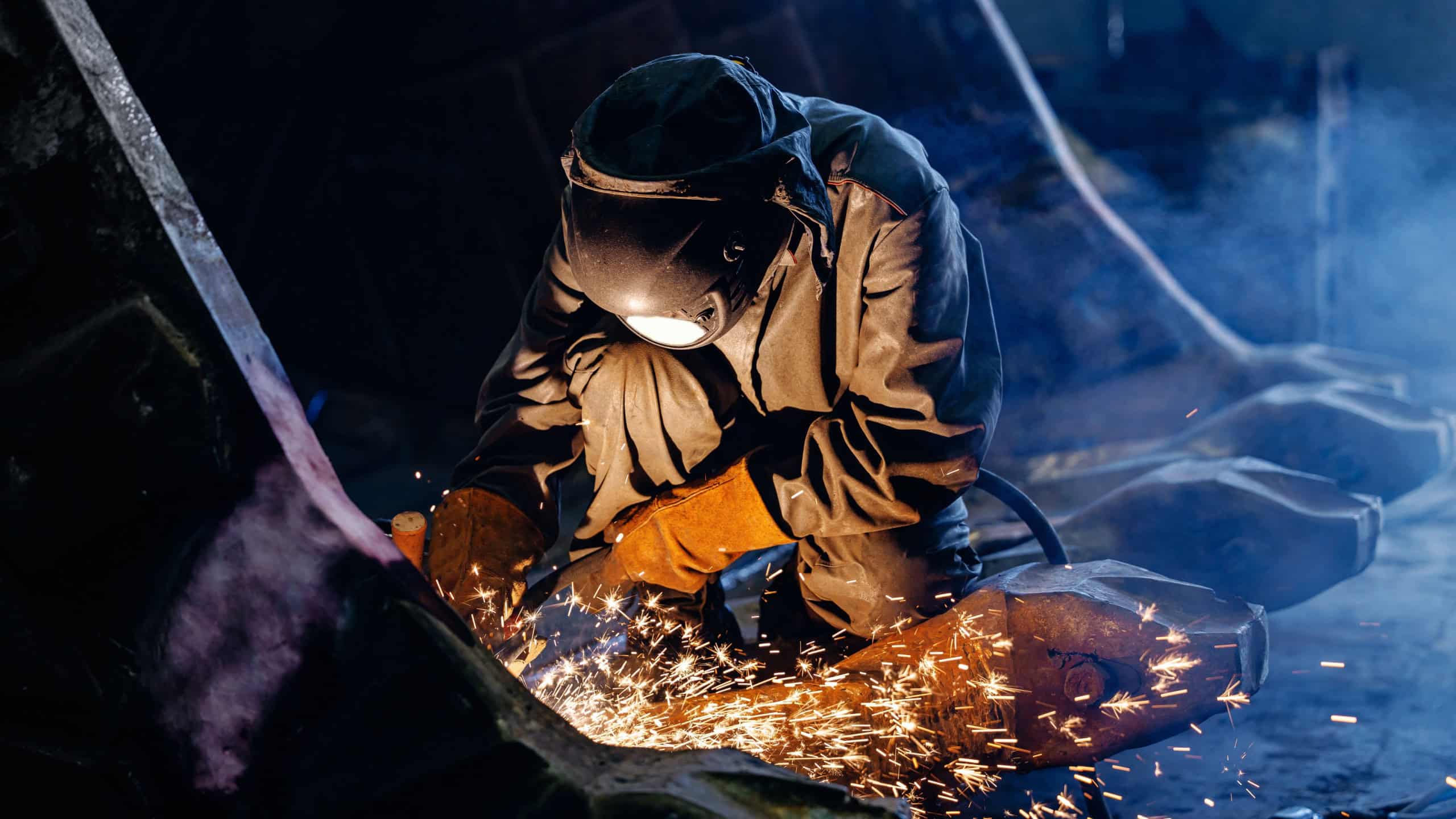
Yes, you read that right, some Amish businesses do metalworking. It might sound a little too industrial for them, but it fits naturally into farm and buggy life, since welders can repair machinery. They can build gates and make parts that local farmers can’t order for delivery.
You’ll find some shops using welding units powered by generators, but only when the church allows it. Some of them allow electricity for certain business uses, not a direct grid connection. That doesn’t make the work any less dirty and tiring, though.
Harness maker or leatherworker
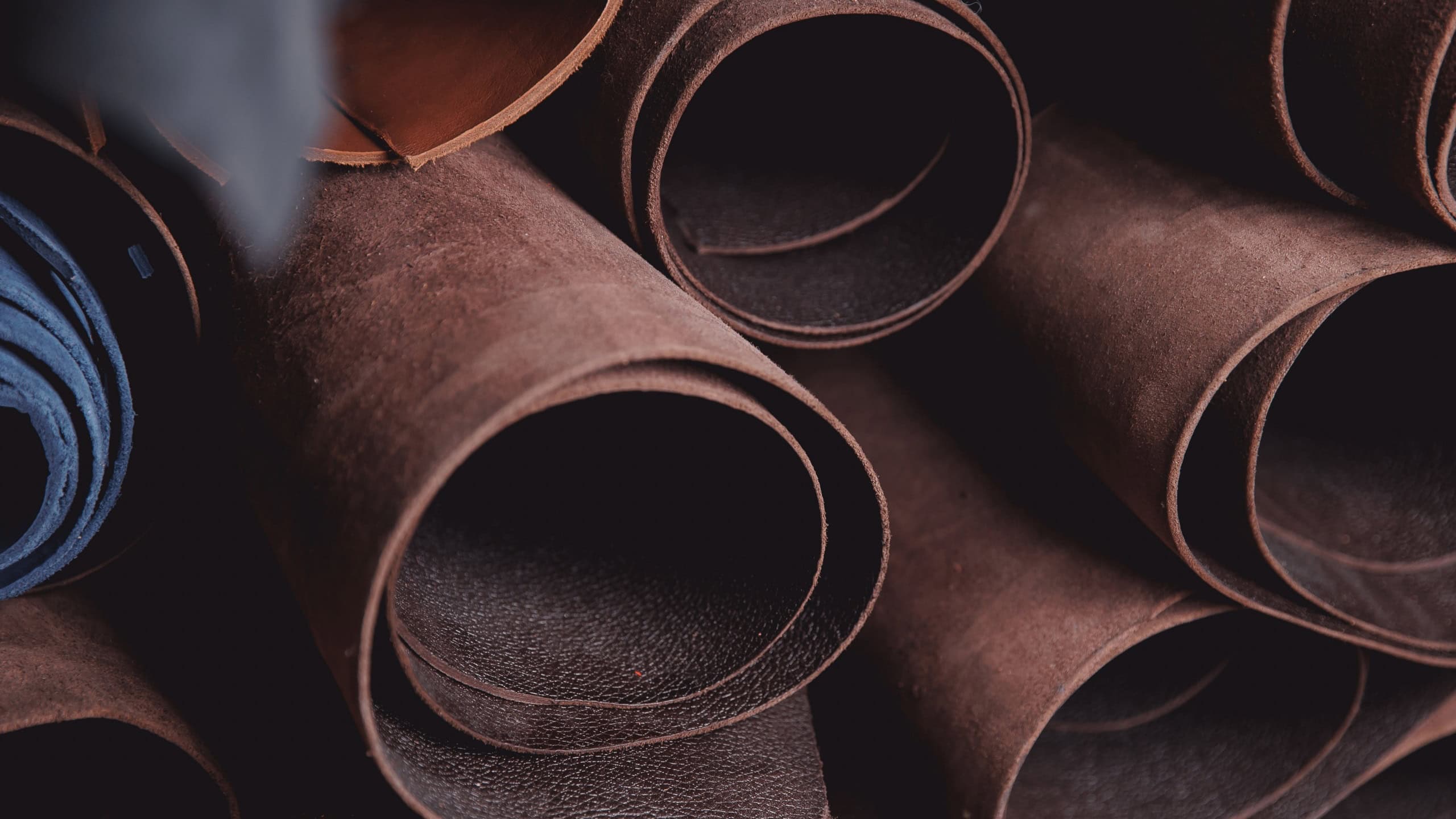
Even the horses need some gear, and that’s where Amish leatherworkers come in handy. They might have to fix a cracked driving strap or a harness that doesn’t sit quite right on a new horse. Most of their work involves repair.
There are some Amish shops that are allowed to use foot-powered sewing machines for their work. They can make it all, whether that’s bridles, collars, belts, or bags, in a small shop.
Market-stall vendor

Most of the hard work has already happened when customers wander past an Amish market stall. The vendor’s baked the bread and picked the vegetables. They’ve packed everything up and transported it, too.
The items on the stall’s table can vary quite a bit, too, since there could be pies next to cheese, or flowers by meat. Think of it this way, an Amish market-stall vendor’s job is a form of retail, just without much sitting around.
Seamstress or quiltmaker

You might be surprised to learn that some Amish women work as well. Yes, it’s common for them to be seamstresses or quiltmakers, usually to help out the rest of the community. They might use treadle machines for joining pieces before finishing the detailed quilting by hand.
A lot of women tend to work on the same quilt when there’s an order to complete. As for the seamstresses, they’ll make everyday clothing along with aprons and bonnets. The neatness is impressive, sure, but the hours involved, they’re not so appealing.
Sources: Please see here for a complete listing of all sources that were consulted in the preparation of this article.
10 surprising facts about the Amish community
There’s a lot more to this fascinating community than people who stick to horses & buggies and shy away from smartphones. Here are ten of the most truly surprising aspects of their lives that go beyond the bonnets and barn raisings.

