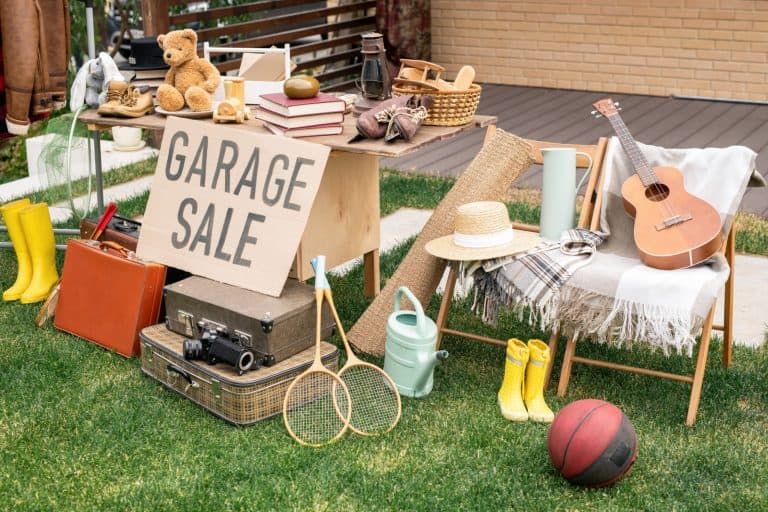

Most garages end up as storage zones for things that don’t belong anywhere else. However, the problem is that some of this stuff becomes hazards or piles of dead weight that cause more problems than they solve. We polled some of our readers, and here are eleven clutter traps that aren’t worth keeping.
Do you agree?
Featured Image Credit: Shutterstock.
Leftover oil-based paint and solvent cans

A shelf of half-empty paint cans is mostly harmless and then you realize most oil-based paints & thinners are flammable. They also count as hazardous waste. Usually, cities have special drop-off sites for paint or solvent cans because you can’t simply put them in the trash, and even latex paint gums up landfills when you toss it wet.
Pesticides that rode out heat and cold

You probably have bottles of weed killer behind the mower. That’s not good. Most garages change drastically in temperature, including freezing in winter & scorching in summer, which most pesticide labels warn against. The heat breaks down chemicals while freezing cracks containers. As such, that clutter trap could cause serious problems.
Appliance boxes and packing foam towers

There’s really no point in holding onto a giant refrigerator box just because you think it might come in handy. Cardboard piles in garages are a magnet for pests like mice that chew the paper & build nests in the foam inserts. Soon enough, the whole stack becomes a chew toy.
Firewood and lumber offcuts by the wall
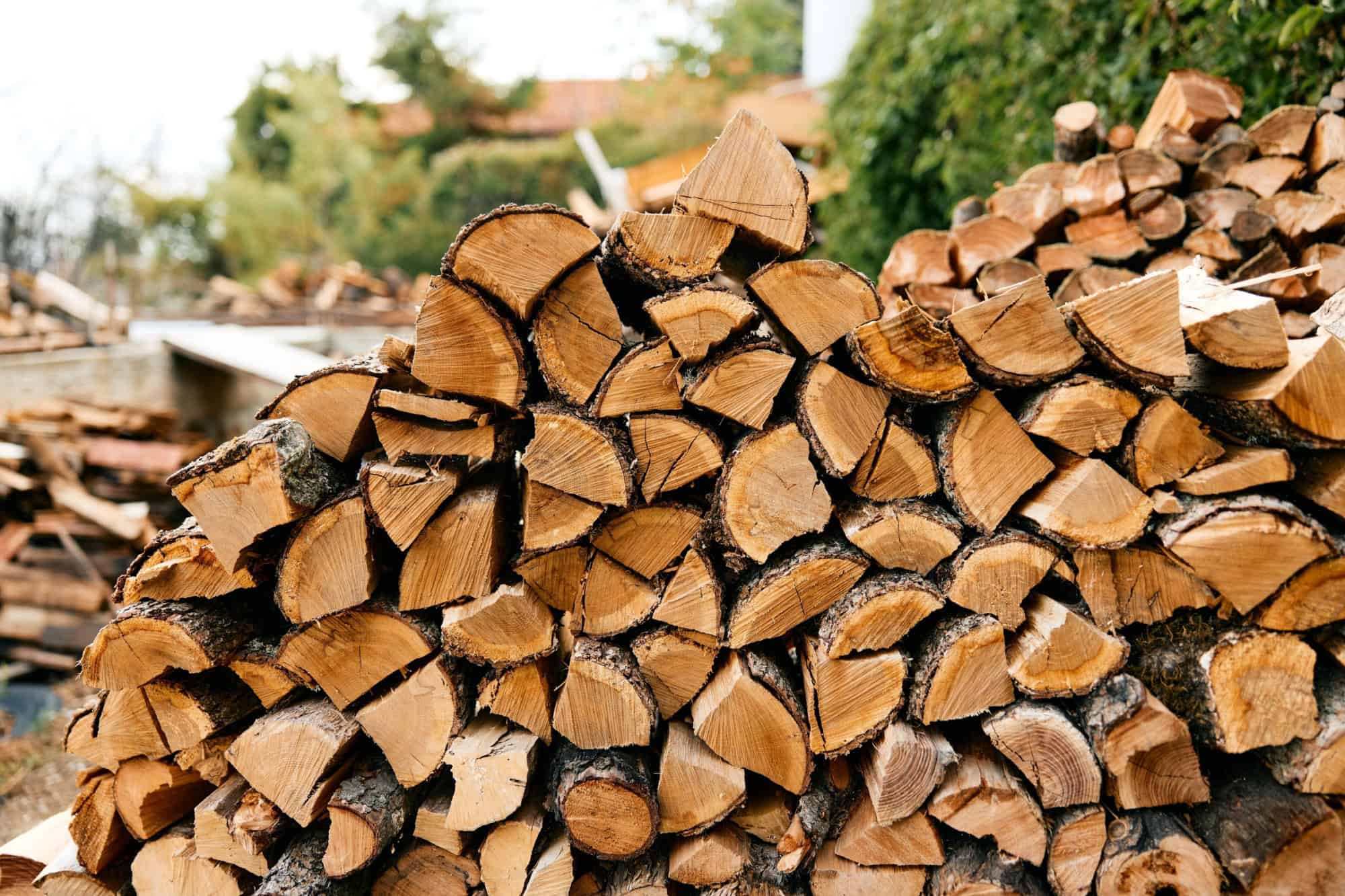
Sure, a few logs or lumber scraps shoved against the wall look relatively normal. Then the insects move in. Unfortunately, termites & beetles can hitchhike on stored firewood, especially when it’s close to the house, while loose piles shed bark. This makes even more mess. As a result, all those wood scraps just keep multiplying.
Bags of mortar, grout, or thinset “for later”
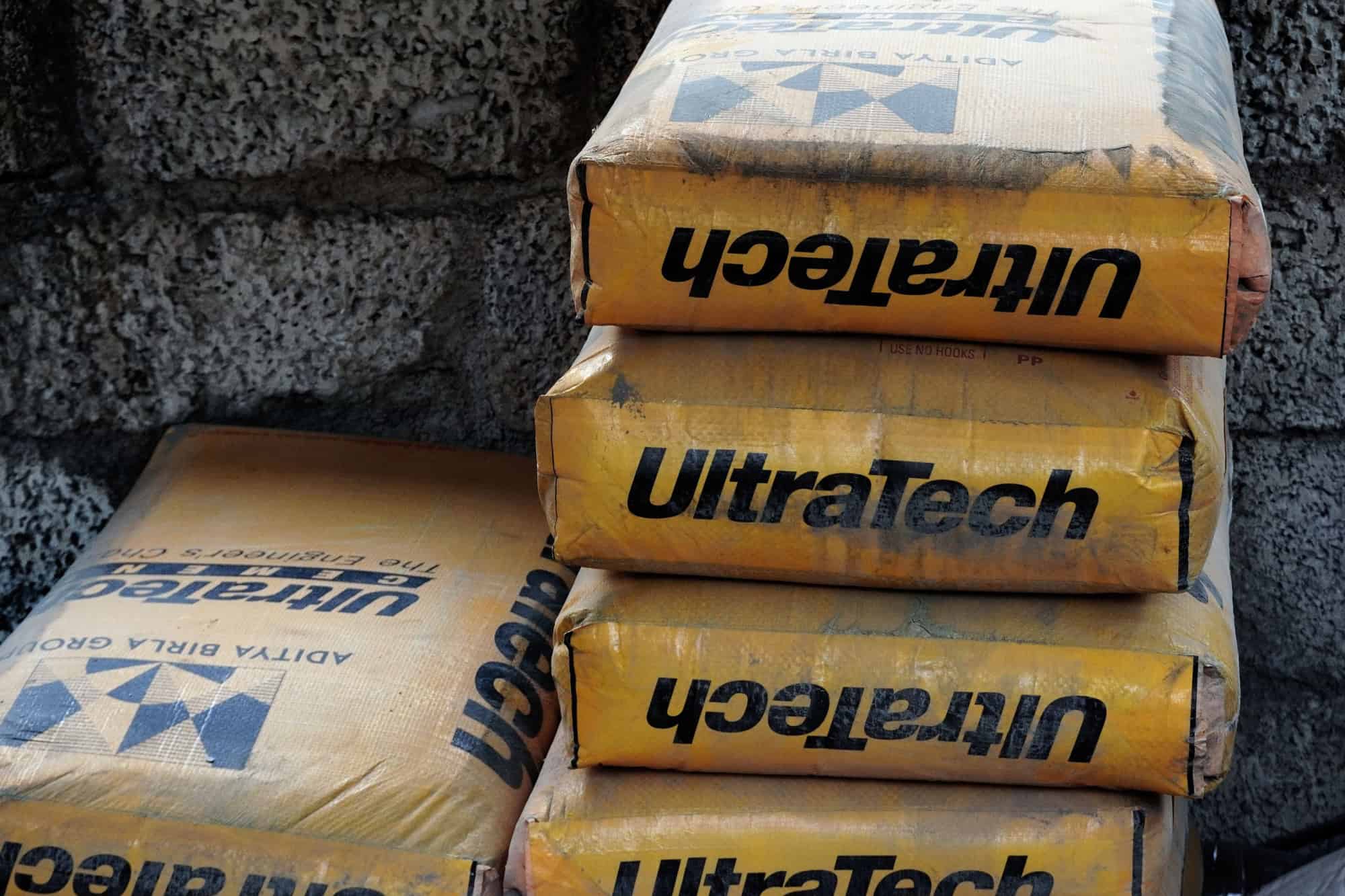
Unlike canned beans, cement products don’t last, and once opened, those bags suck up moisture. They’ll also harden right inside the sack, even from sitting too long in a humid garage. Manufacturers usually give them a year & a half tops in dry storage. You should be mindful of keeping a corner stack of them, unless you want bricks instead.
That spare fridge or chest freezer by the workbench
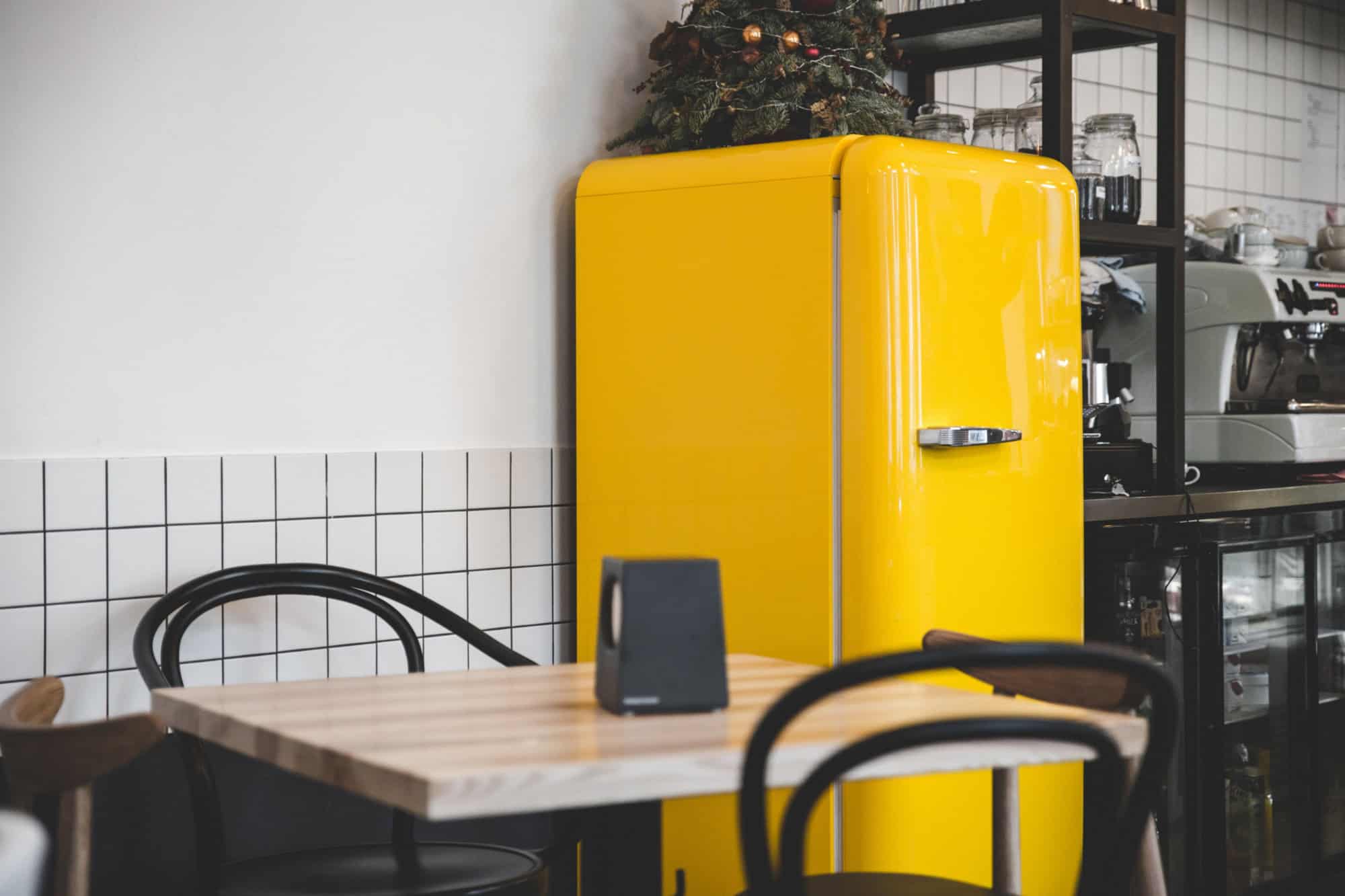
So many people will leave their old fridges in the garage, thinking it’ll be useful. But the problem is that older models use a ton of power compared to newer ones. You can’t even leave them there unplugged, either, as most freezers aren’t made to handle garages that hit 110°F or drop below zero. They’ll break down faster.
Buckets of dead lithium-ion tool batteries

You shouldn’t keep cordless drills with dead batteries in your garage because worn-out lithium-ion cells don’t sit quietly forever. In fact, damaged ones can overheat or ignite, meaning you should recycle them promptly. A plastic tub of them is a hidden fire starter that you really don’t want to deal with.
Propane cylinders and camping fuel in the corner
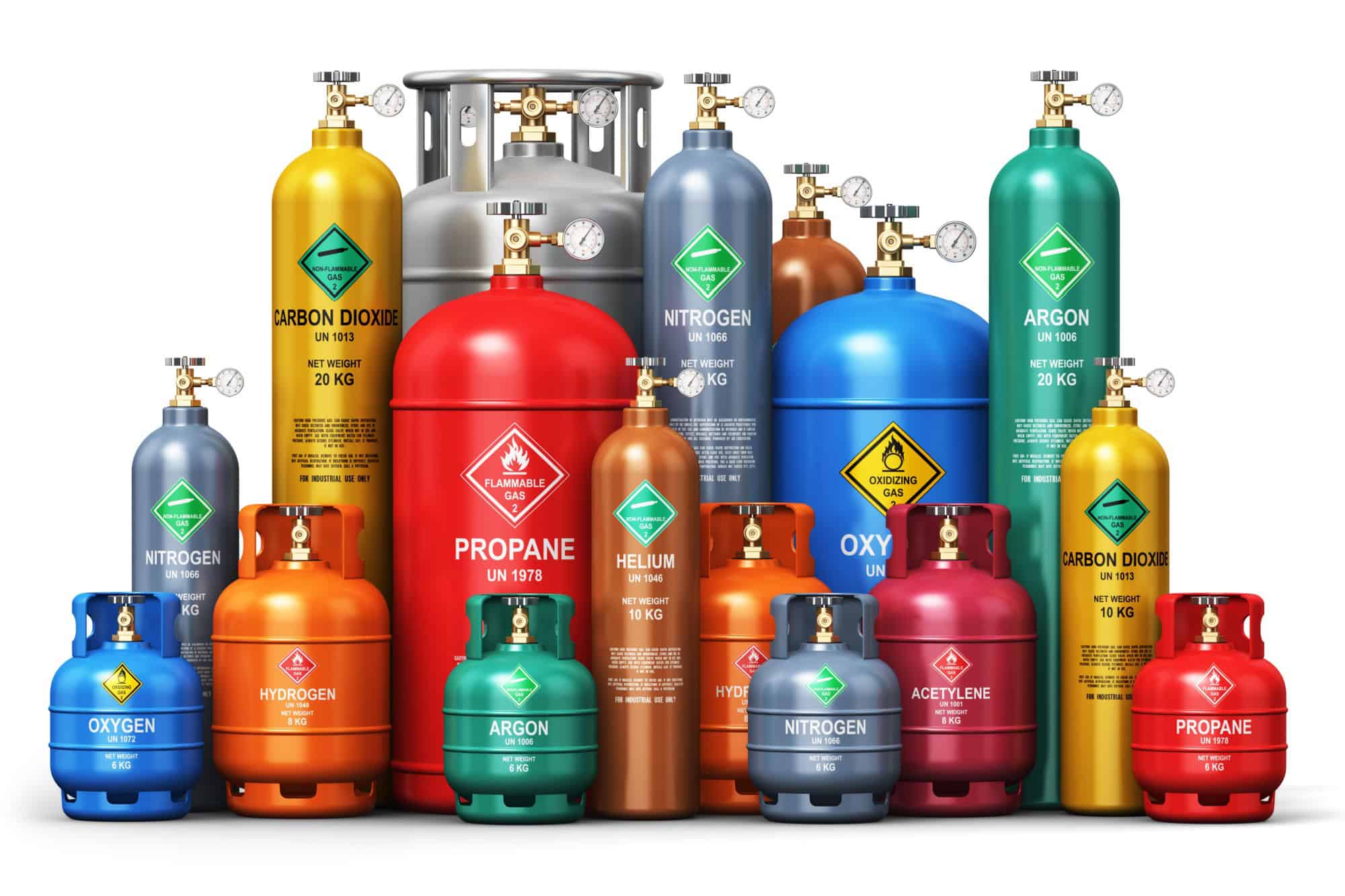
Spare propane tanks usually end up rolling around the garage floor, even though fire codes forbid storing full-size cylinders indoors. It doesn’t matter if you keep them in detached garages, because leaks & enclosed spaces are a bad mix. They’re supposed to stay outside and upright. Worse still, small camping canisters aren’t exempt either because they can leak over time.
Milk crates of half-used aerosol cans
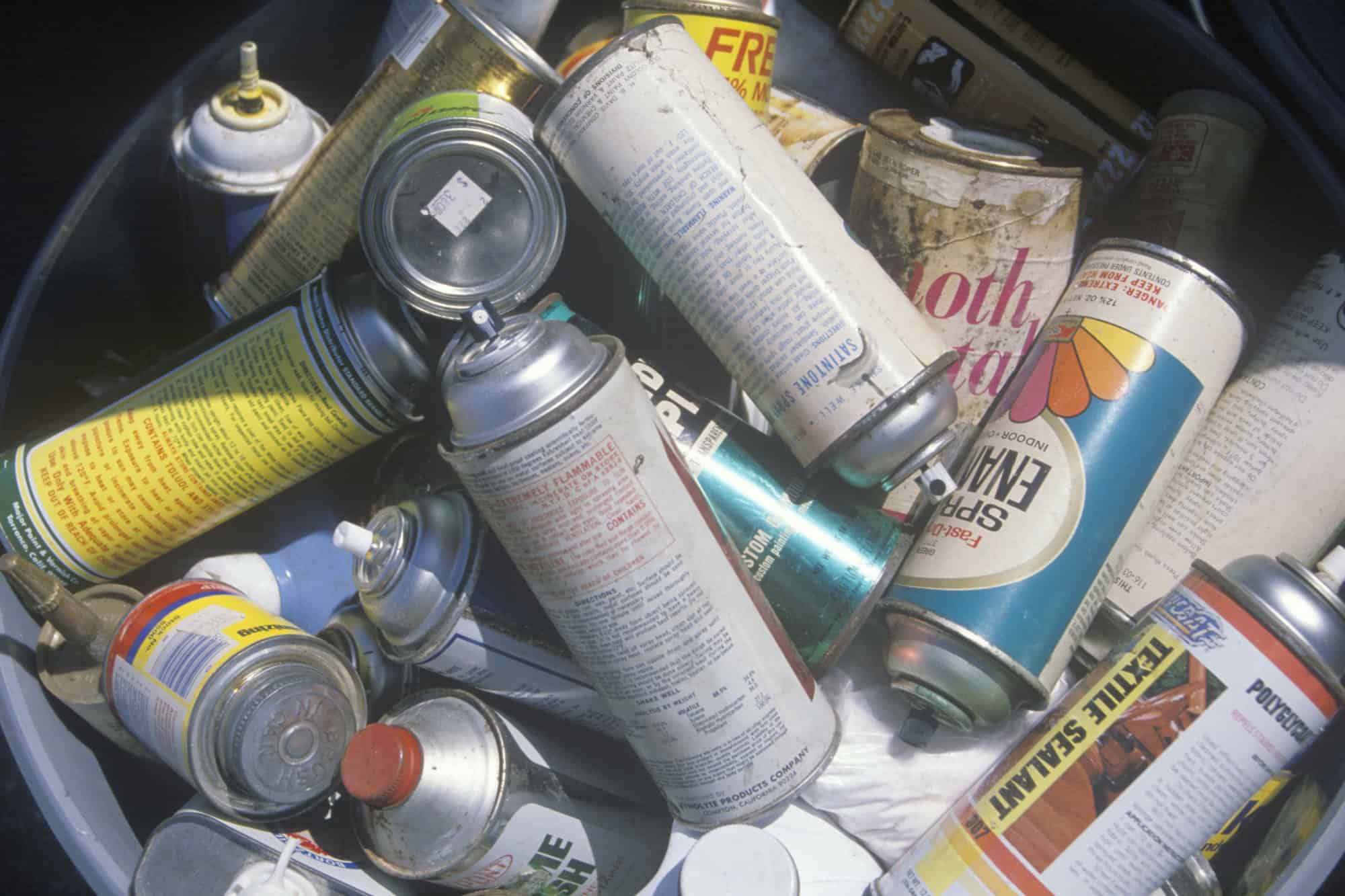
It’s easy enough to throw brake cleaner & WD-40 into a bin. Yet garages heat up past 120°F, and these aerosol cans can’t take that, so they’ll soon vent or pop. You may not realize that you have so many of these lying around. But once you do, get rid of them.
Open pet-food and birdseed bags
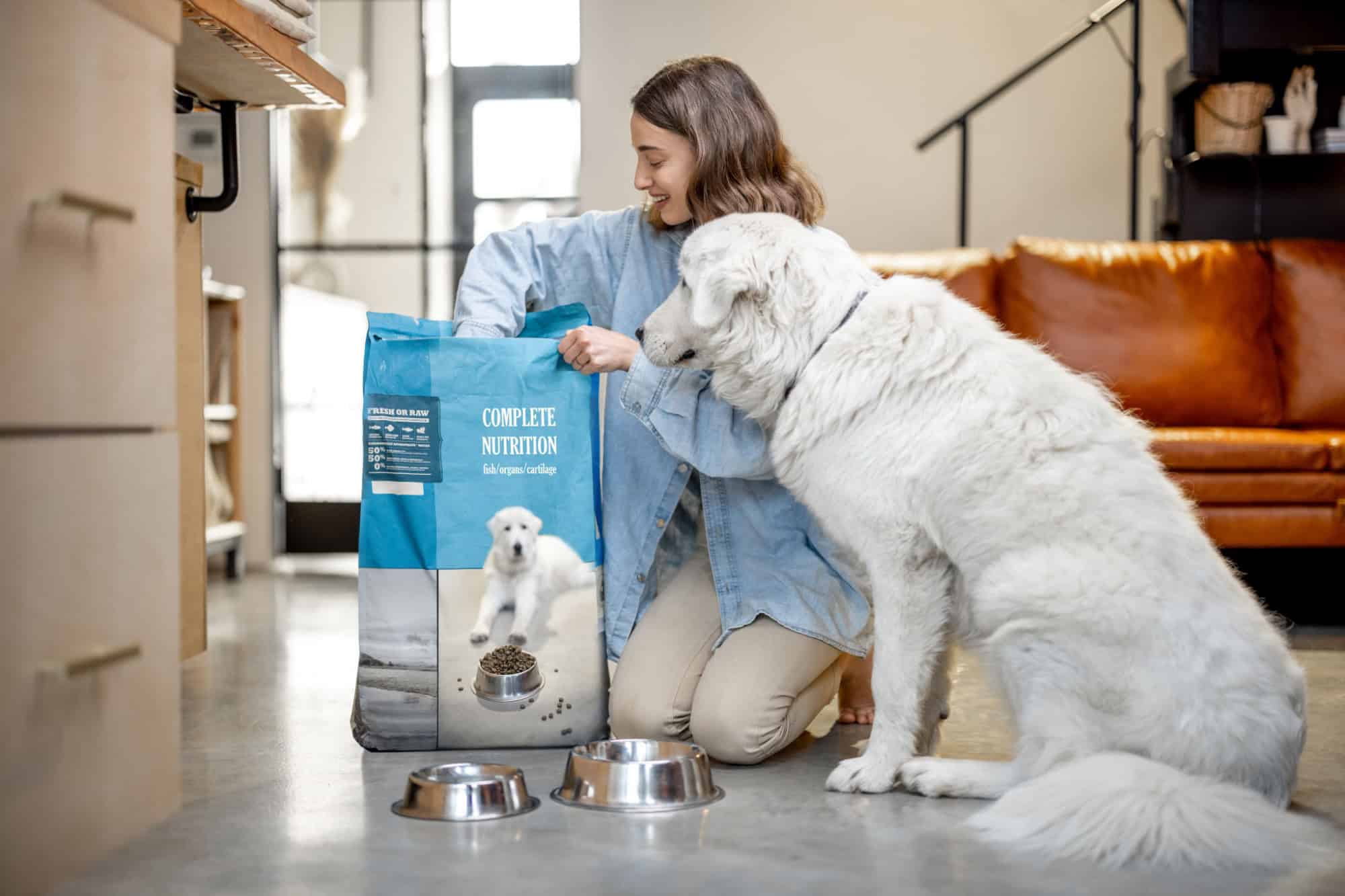
Pests love eating bags of kibble or birdseed that you have sitting open in the corner. The truth is, birdseed is a top cause of pantry moth infestations, while the heat & humidity in garages also speed spoilage. You’re better off keeping them in airtight containers in cooler areas. Avoid keeping open sacks next to the lawn gear.
Stacks of take-off tires near the door

Any old tires from a rotation usually end up leaning by the door. But rubber burns hot & dirty, which is why so many fire codes treat tire piles as their own hazard. They’re also heavy and awkward to move once you’ve stacked them. It just takes a few extra sets for the pile to become overwhelming.
Items people tossed that later turned out valuable

There’s something bittersweet about things we throw away without a second thought. What once felt ordinary can turn into something rare as the years pass. From childhood keepsakes to everyday household items, some of yesterday’s clutter is now surprising valuable.


